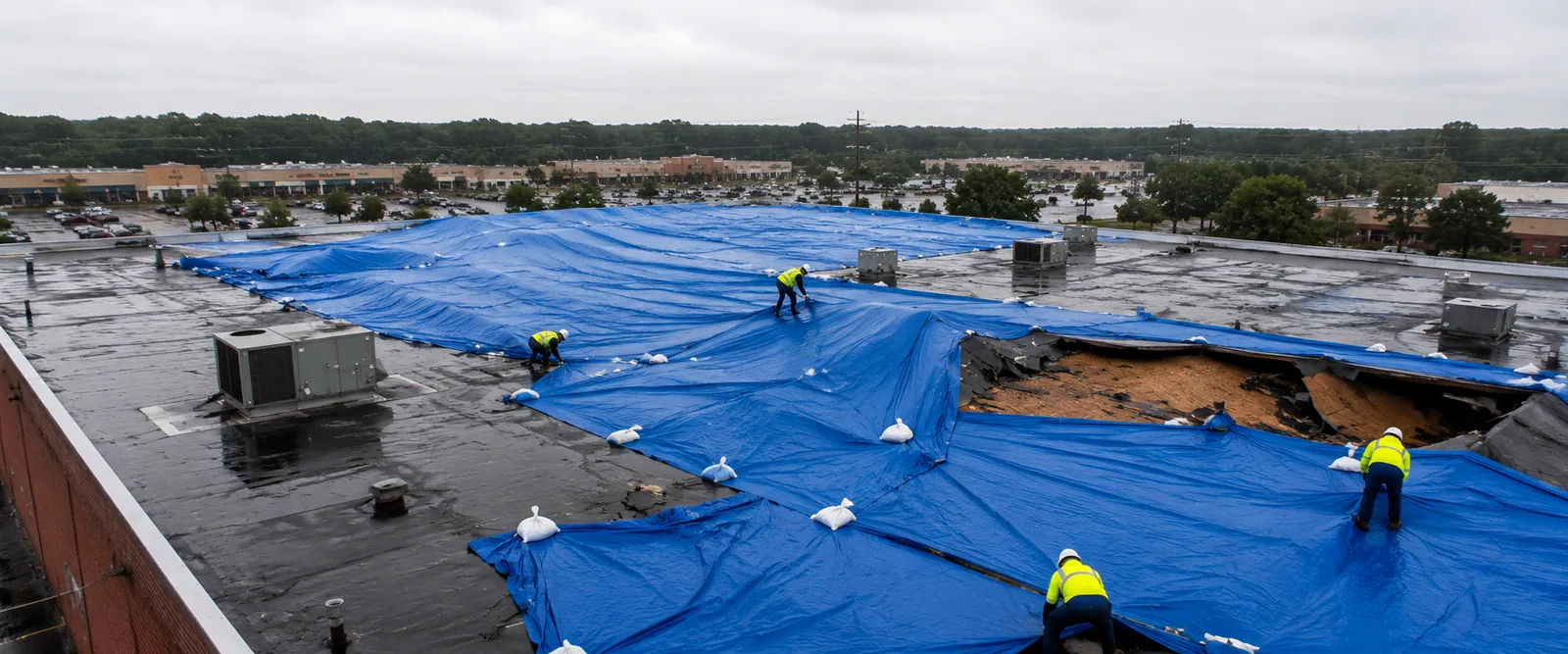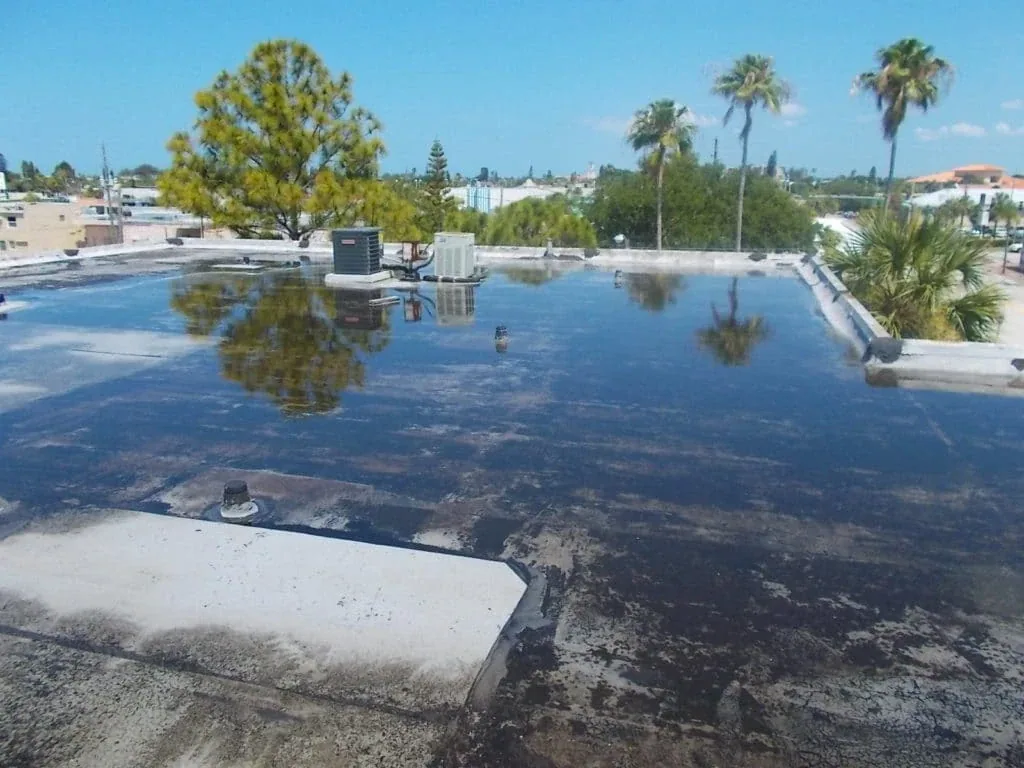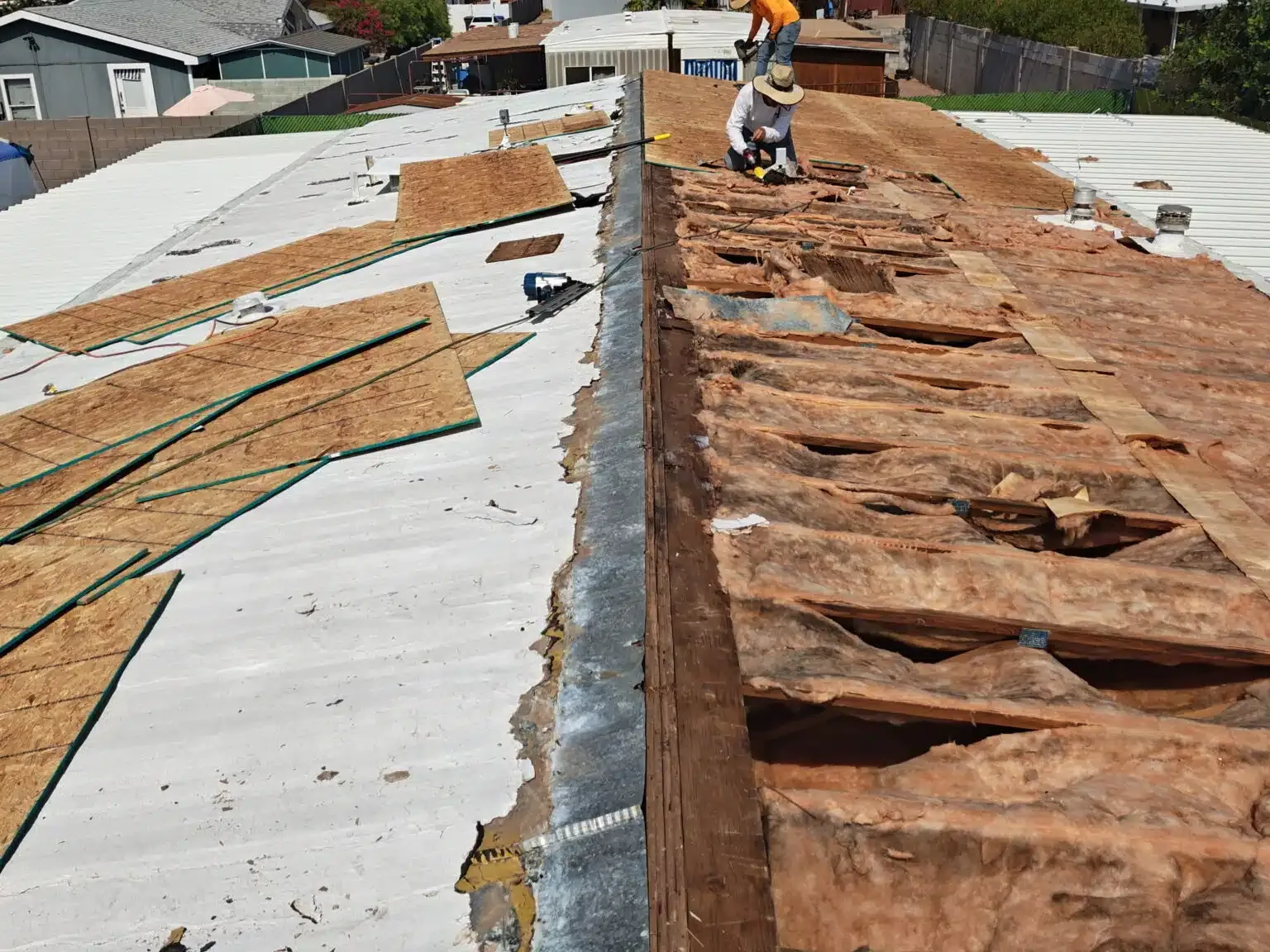
Water entering above an active work area needs a fast, controlled response. The first questions are where the water is appearing, whether the roof can be reached safely, and what must be protected below. Simi Valley’s planning projections show hotter summer conditions ahead, which makes heat exposure and material movement useful inspection considerations; the roof’s current condition still controls the response. We identify the affected roof zone, check the nearest seams and transitions, and decide whether temporary stabilization can be completed safely. Emergency work is not a blind patch. It establishes a dry-in boundary, records what is visible, and leaves a permanent repair decision for the next inspection.
Make the first call actionable
Tell us whether water is actively entering, which rooms or equipment are affected, and whether the facility contact can arrange roof access. Share the building location, roof plans if available, prior repair history, and any security or escort requirements. If the roof is wet, unstable, or behind a locked hatch, say so before a crew is dispatched. Interior staff may need to move inventory, protect electrical equipment, or contain water while the roof response is organized. The call should identify one contact with authority to approve temporary work and a separate person who can coordinate interior access or tenant communication.
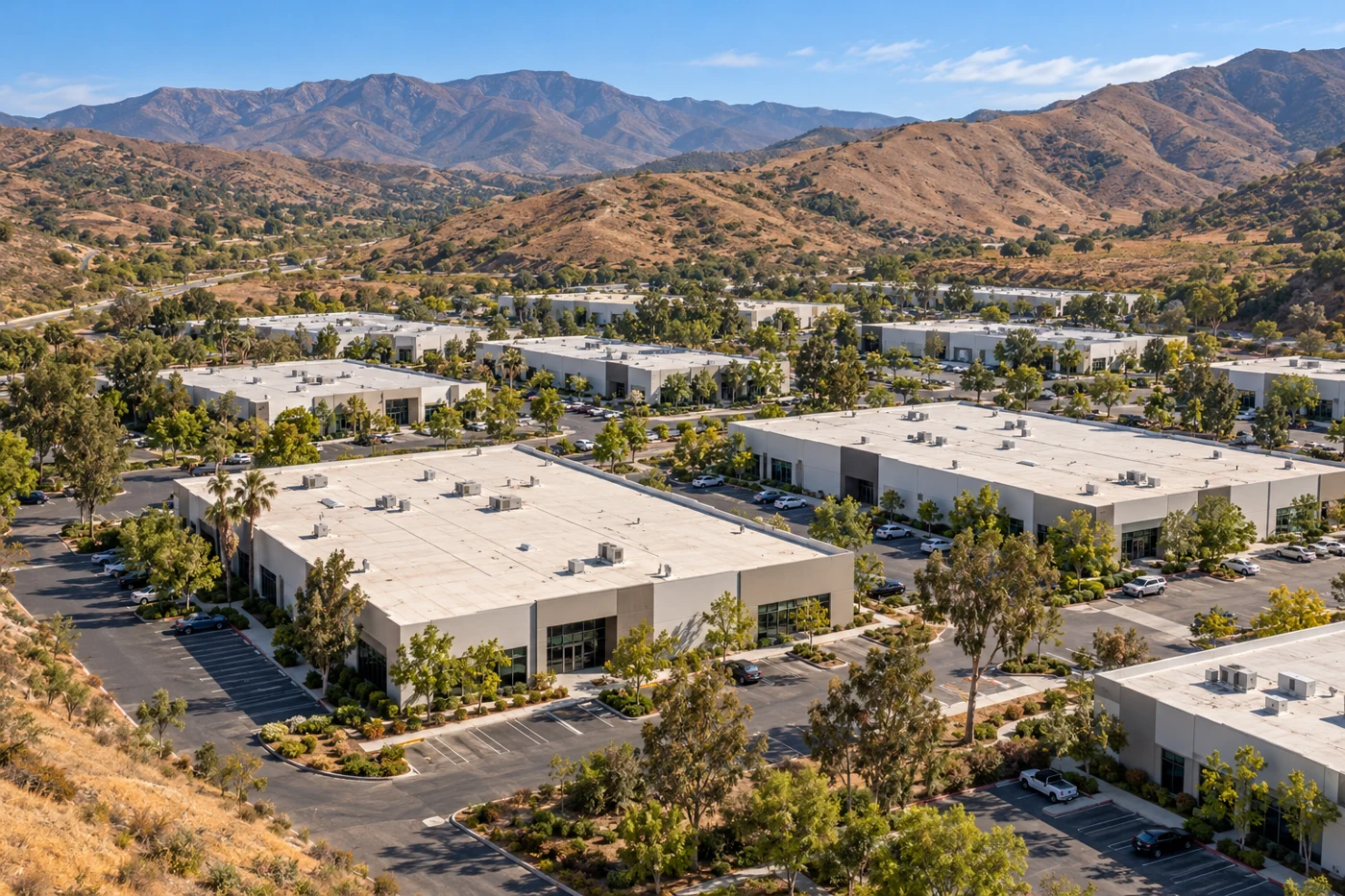
The City locates Tapo Canyon Business Park near Tapo Street and Los Angeles Avenue, a useful dispatch cue rather than a fact about the building receiving a call. A Tapo Canyon service-area request still needs the building and roof zone confirmed.
Check the route and surface
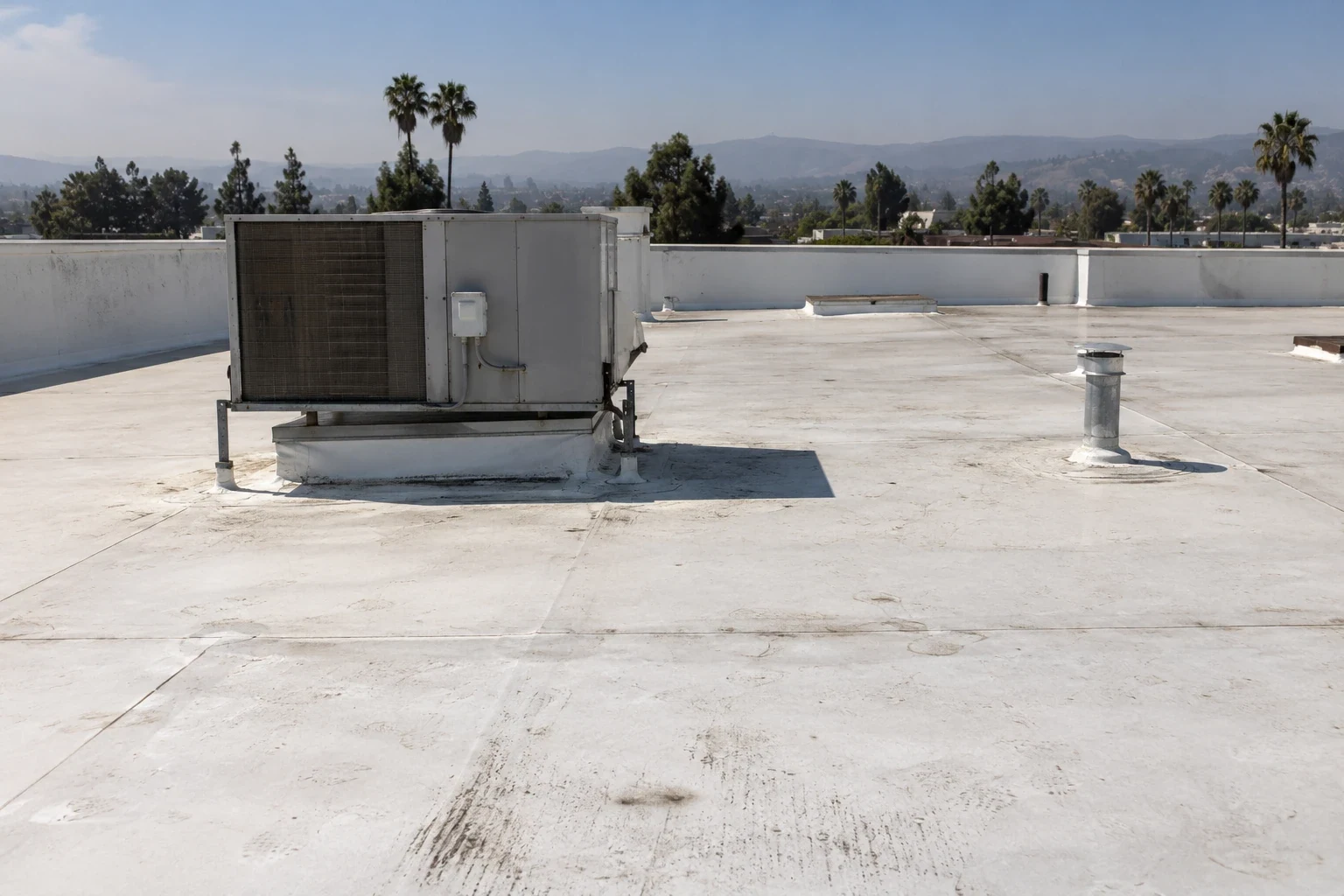
A fast response still depends on safe access. We confirm ladder or hatch location, fall-protection requirements, roof condition near the entry, and whether equipment or stored materials block the route. Wet membrane, loose ballast, damaged metal, or unstable decking can change where a worker may travel. If reaching the reported area would cross an unsafe section, the crew should not continue by assumption. We document the barrier and discuss an alternate access point or a separate safety review. Once on the roof, the inspection starts with the reported zone and nearby field seams, drains, curbs, and edge terminations. The service area may be a familiar corridor, but each building has its own access plan.
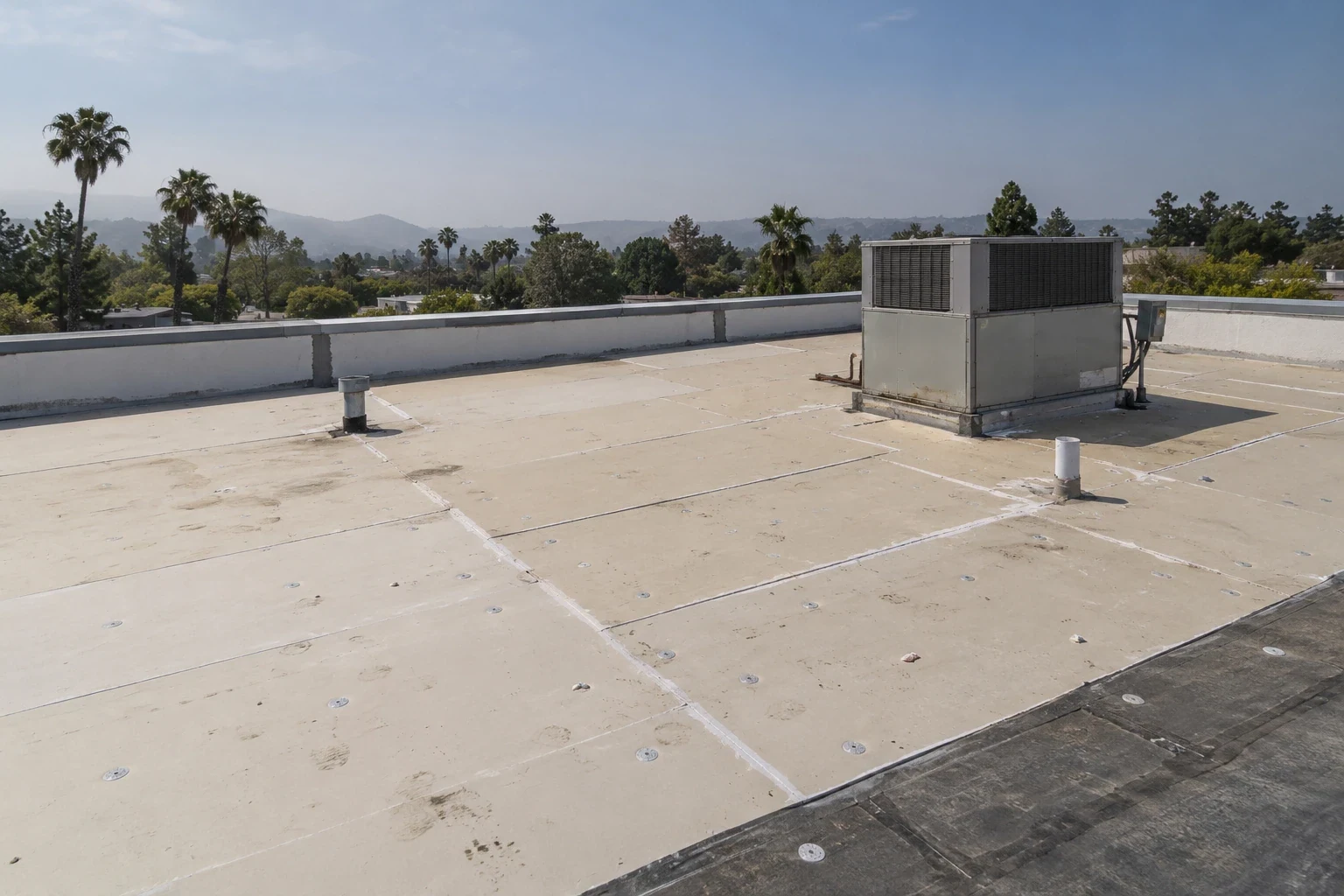
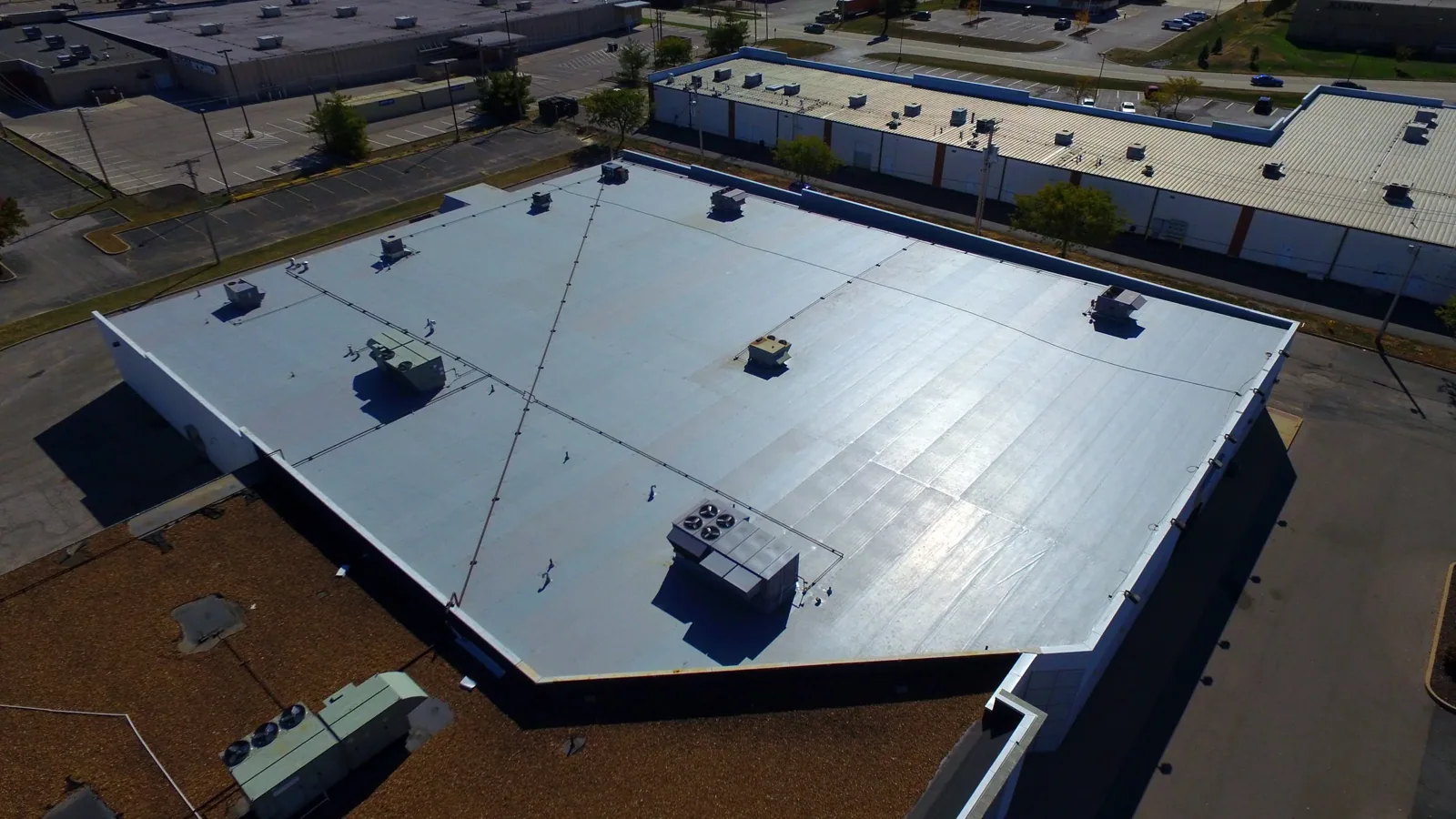
Before setting material over a seam or curb, identify the existing assembly and what the temporary material will touch. A thermoplastic field may call for a different preparation than an EPDM seam or metal panel. The TPO seam detail illustrates why a compatible repair method matters: surface preparation and weldability affect how the permanent scope can be completed. The emergency crew should photograph the detail before covering it, note the size and direction of the opening, and keep the patch boundary visible in the work record. If an interior ceiling or equipment area remains exposed to water, the facility manager should coordinate protection below while the roof response is underway. A follow-up inspection can then check the surrounding field and decide whether more testing is necessary.