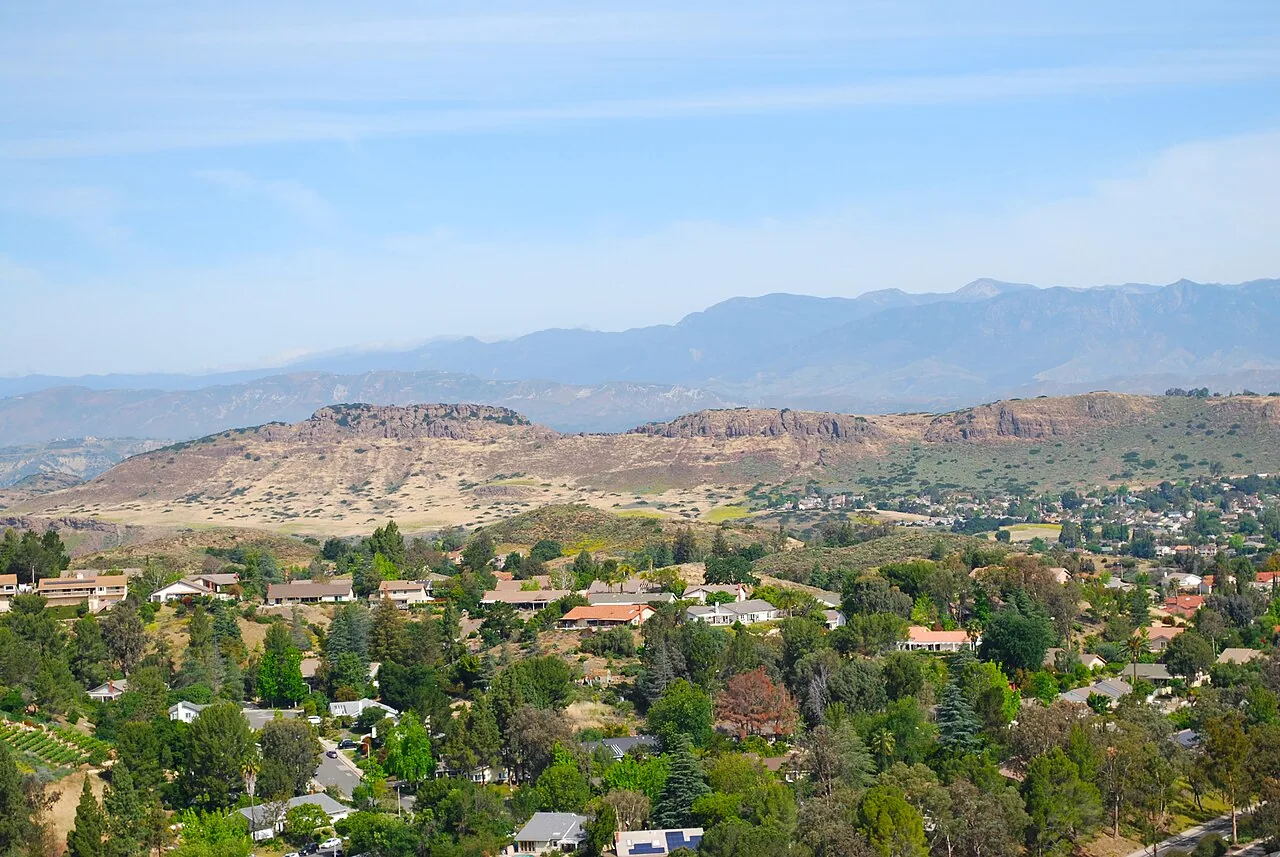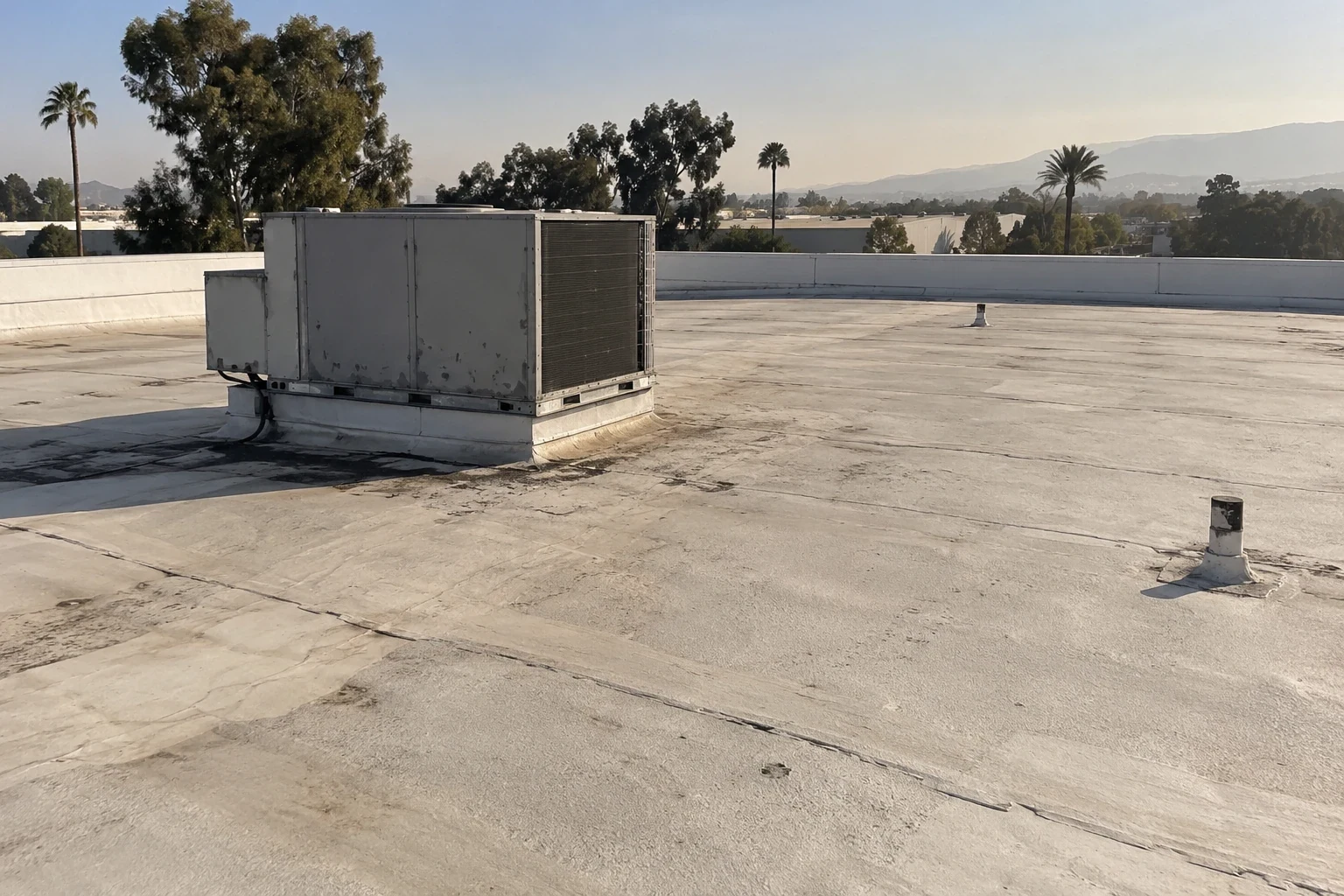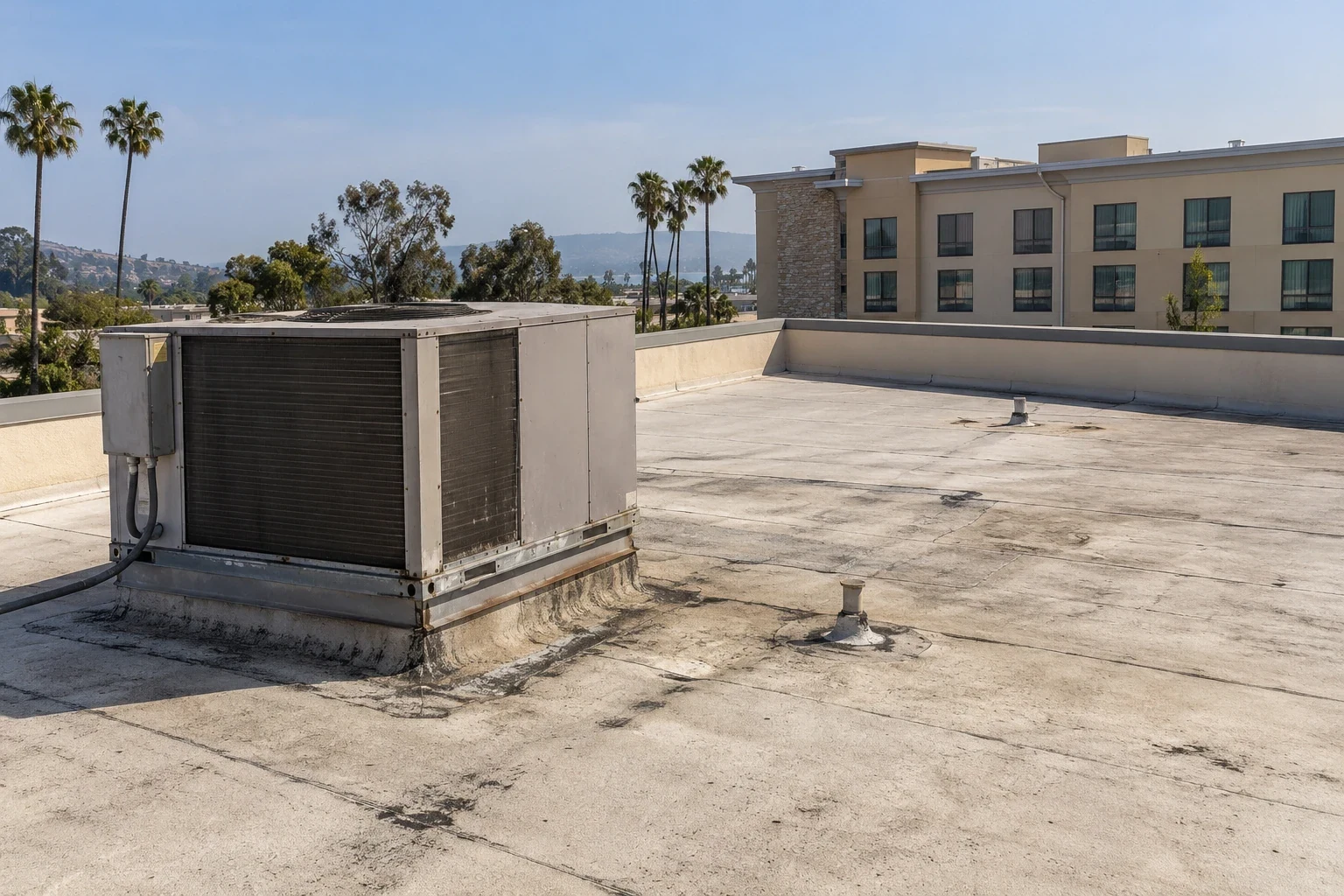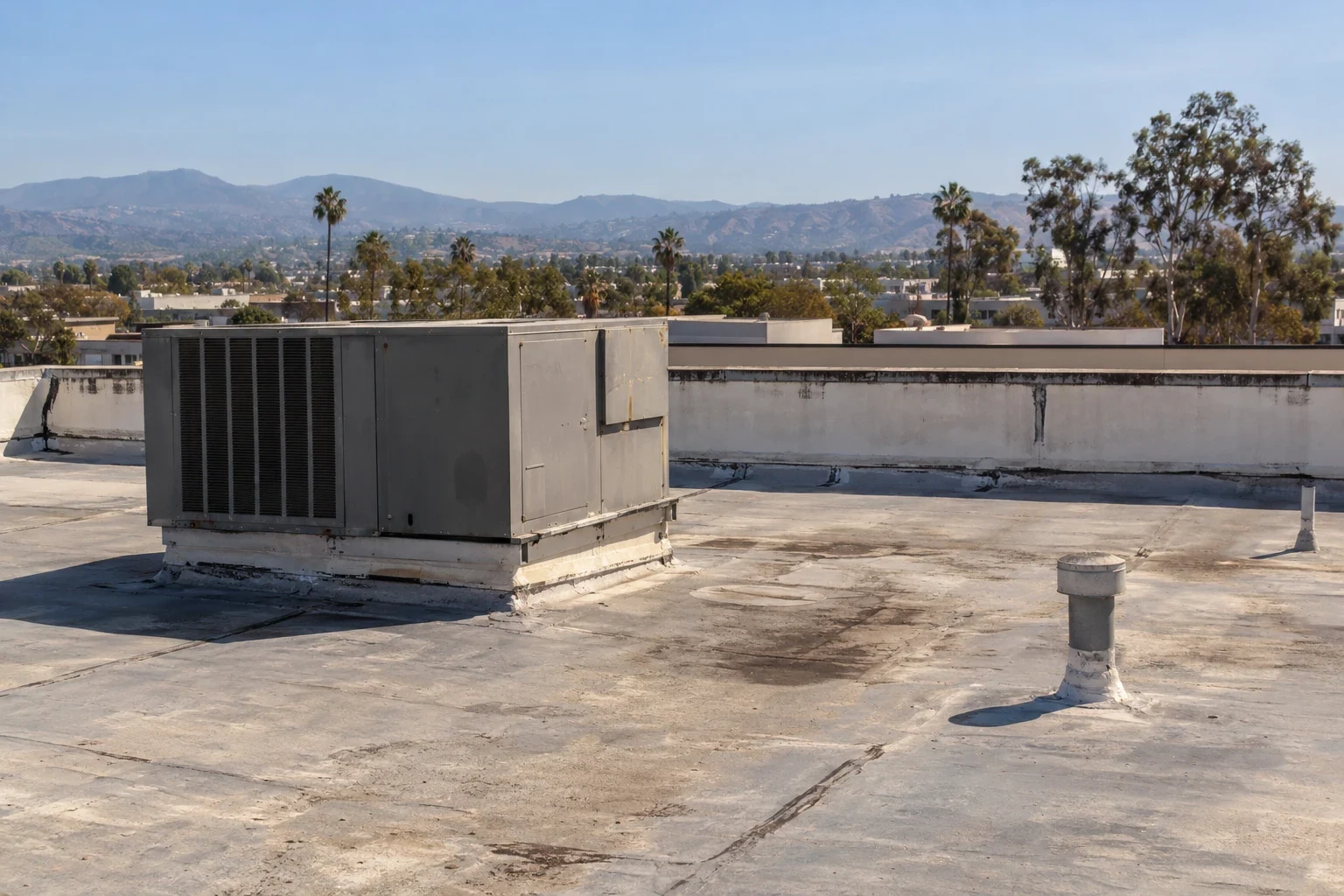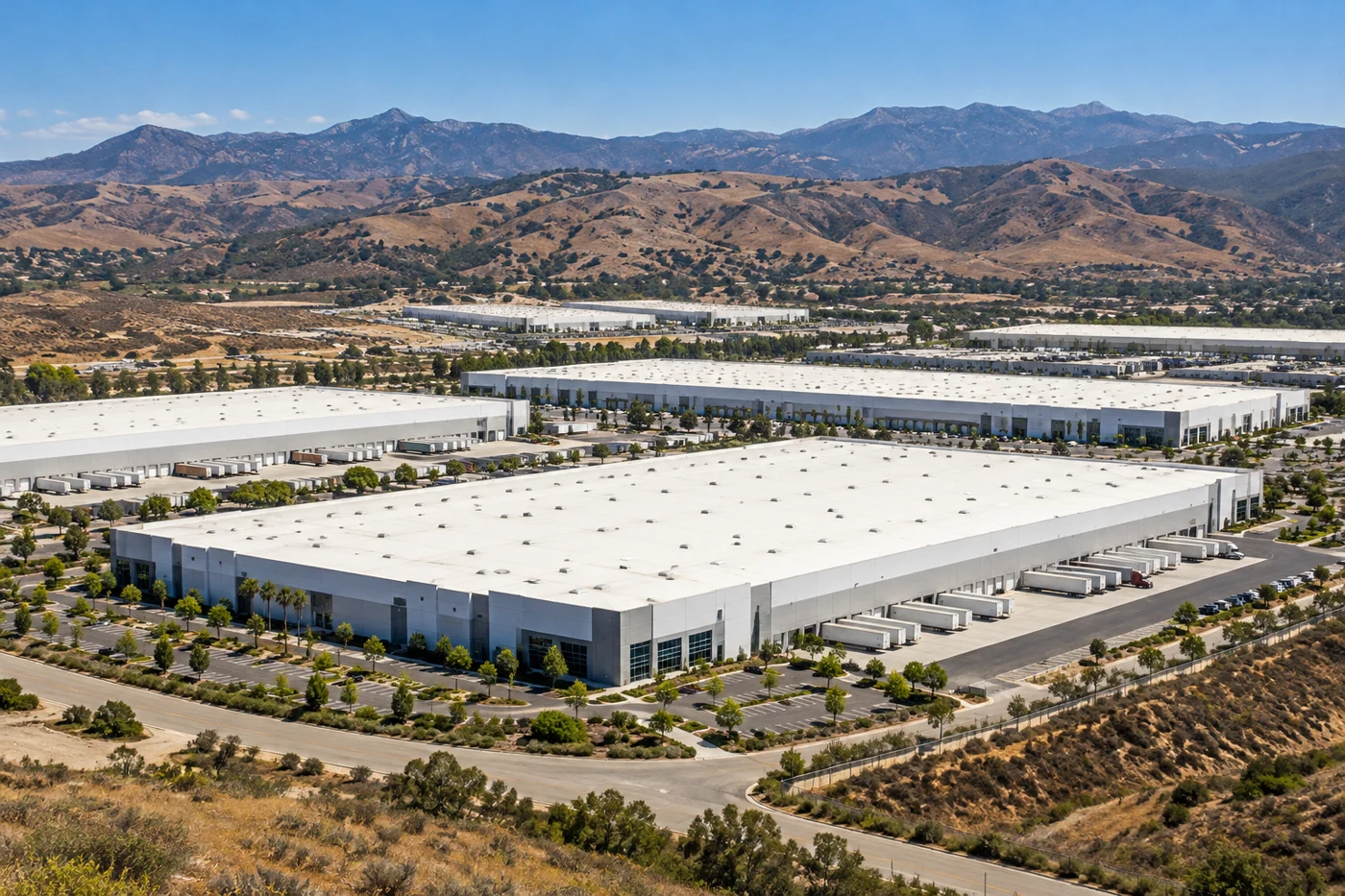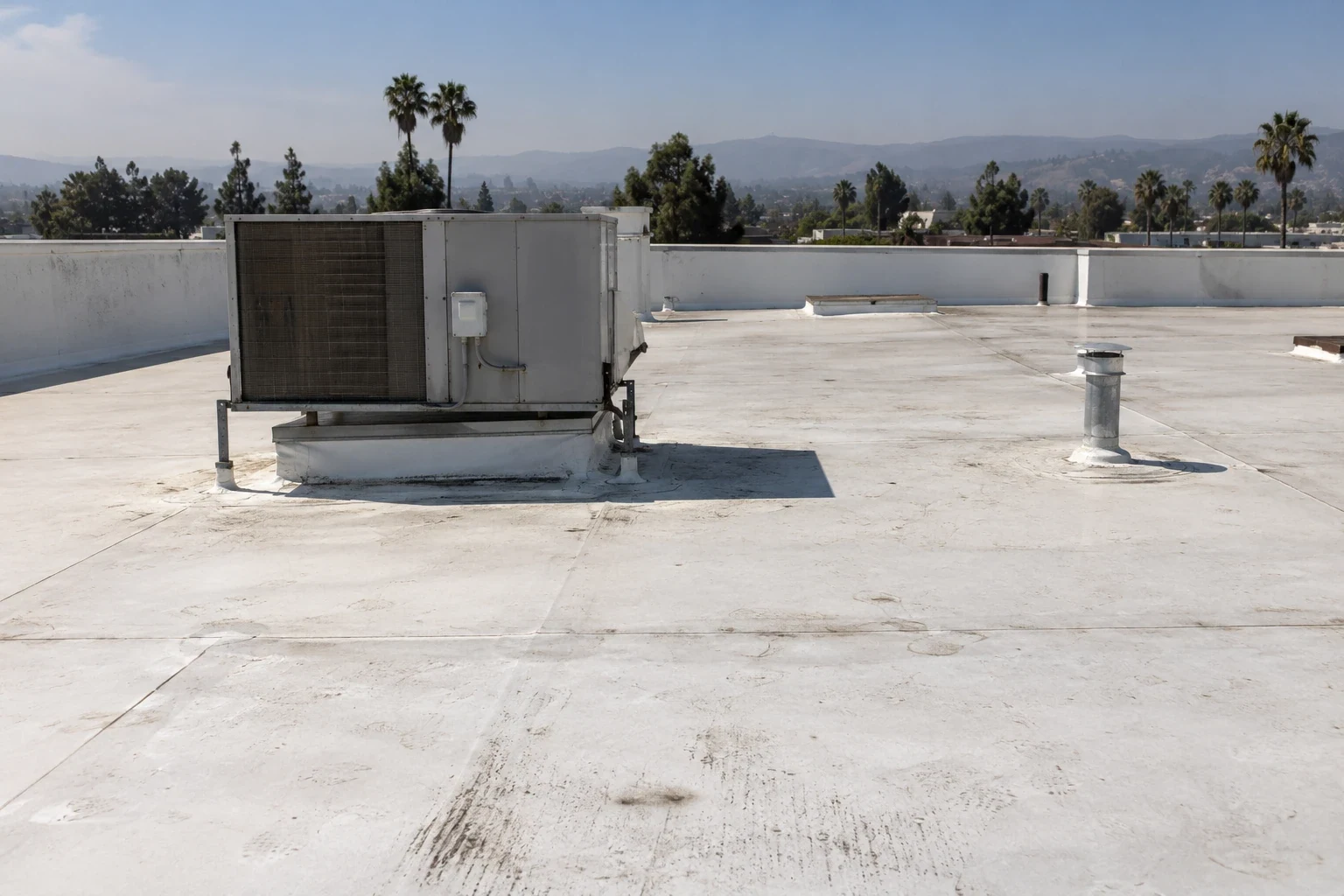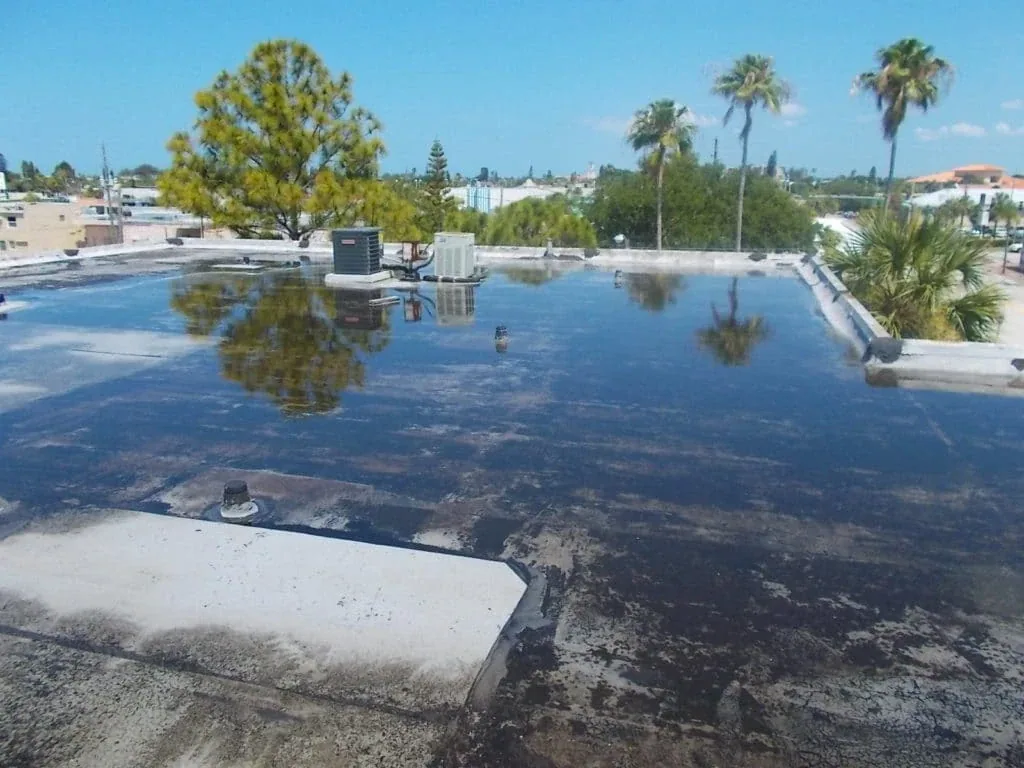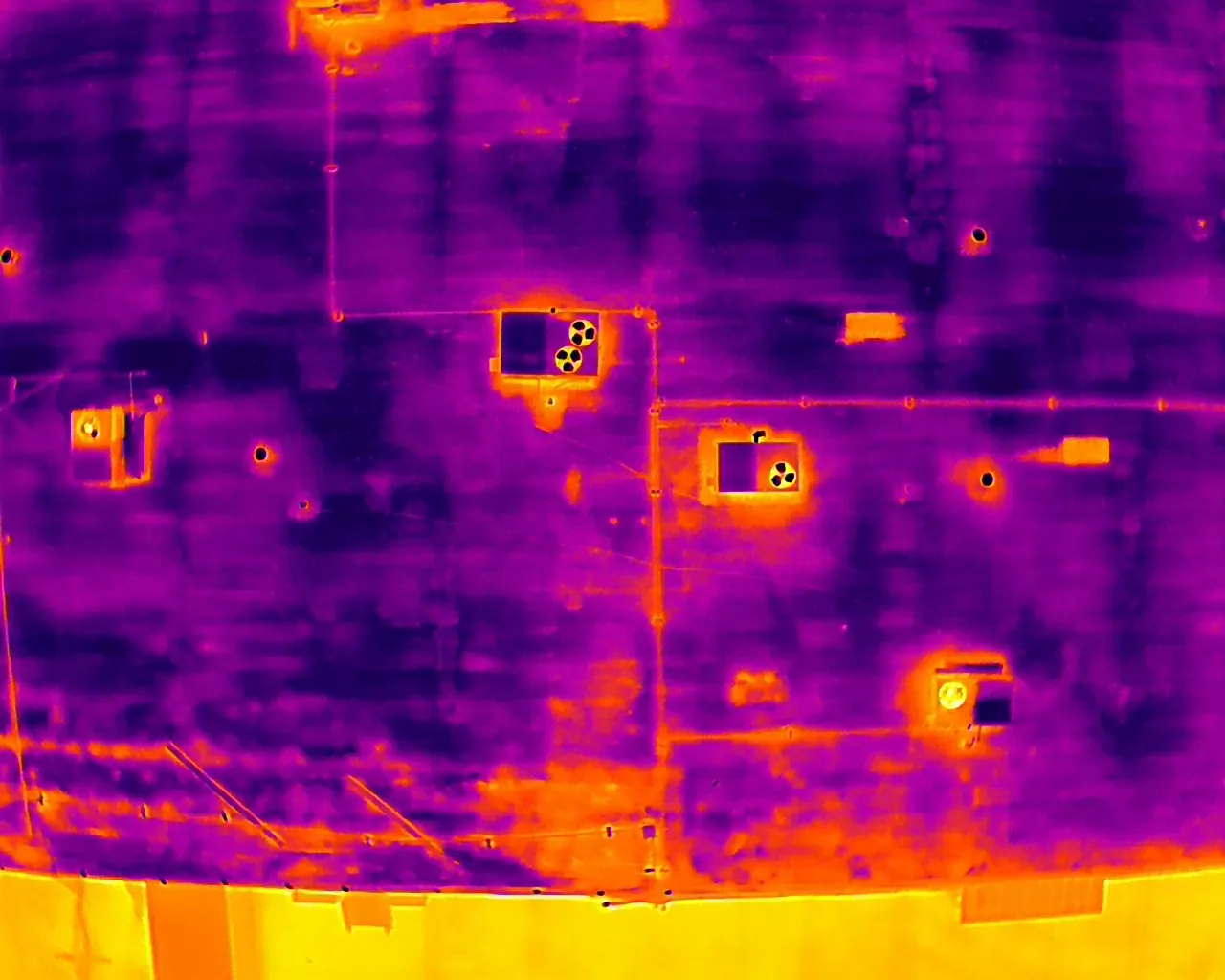
Commercial roofs across Thousand Oaks, CA require a condition review tied to each building, even where the city has a common planning framework. Thousand Oaks describes its General Plan as a long-range guide for physical development across the city planning area. It lists adopted specific plans for Rancho Conejo Industrial Park and Thousand Oaks Boulevard, both broad planning areas. The City’s land-use legend distinguishes neighborhood, town, and regional commercial categories as well as low-industrial and flex-industrial designations. Those categories describe planning, not a roof assembly. We inspect the membrane, transitions, drains, and equipment details, then tie the proposed work to the condition on site. A commercial roof inspection establishes the roof zone and next decision.
Keep planning categories in context
General Plan categories can help locate a commercial or industrial district, but they cannot tell an owner whether a particular roof needs repair. We identify the property, access route, roof records, and reported leak before the crew arrives. Once on the roof, the inspection follows seams, penetrations, drains, edge details, and any prior patch. We note the assembly only where visible material or building records support it. If the system is unclear, the report states what additional access or test would identify the layers.
Thousand Oaks lists adopted plans for Rancho Conejo Industrial Park and Thousand Oaks Boulevard. These are broad planning areas, not property access permissions or roof-condition statements. A facility near one district can have a different tenant schedule and roof system from a building elsewhere in the city. We confirm those limits with the site contact. For a project that touches active operations, an occupied-building sequence identifies the crew path, protected entrances, equipment shutdowns, and daily dry-in limit. A separate Rancho Conejo Industrial Park visit still receives its own roof record.
Check the field and its details
Open seams, displaced flashing, punctures, and loose terminations can each admit water, but the visible defect may not be the only condition. We compare the reported leak area with the membrane field and nearby curbs, skylights, drains, and edges. Water can move beneath a roof surface before staining an interior ceiling. Photos and moisture observations show what is confirmed and what remains to be tested. The repair scope names the observed boundary instead of using the stain as a proxy for all material above it.
Different systems call for different repair details. Heat-welded membrane seams, adhered EPDM laps, built-up layers, and metal panel joints are not interchangeable. We review roof plans and prior work, then check visible labels and assembly details. A TPO membrane needs a compatible weld and flashing treatment; a standing-seam metal roof requires attention to panels, clips, fasteners, and movement. If the system cannot be verified, we recommend a controlled identification step before material selection.