A tenant reports a ceiling stain at one property while another roof is due for an inspection. The portfolio manager needs a record that separates confirmed defects from follow-up questions, so each building can be budgeted on its own evidence. We map the complaint to the roof zone, inspect the membrane, drains, edges, and equipment transitions, and state the repair boundary before pricing work. A commercial roof inspection gives the property file dated observations rather than an undifferentiated condition label.
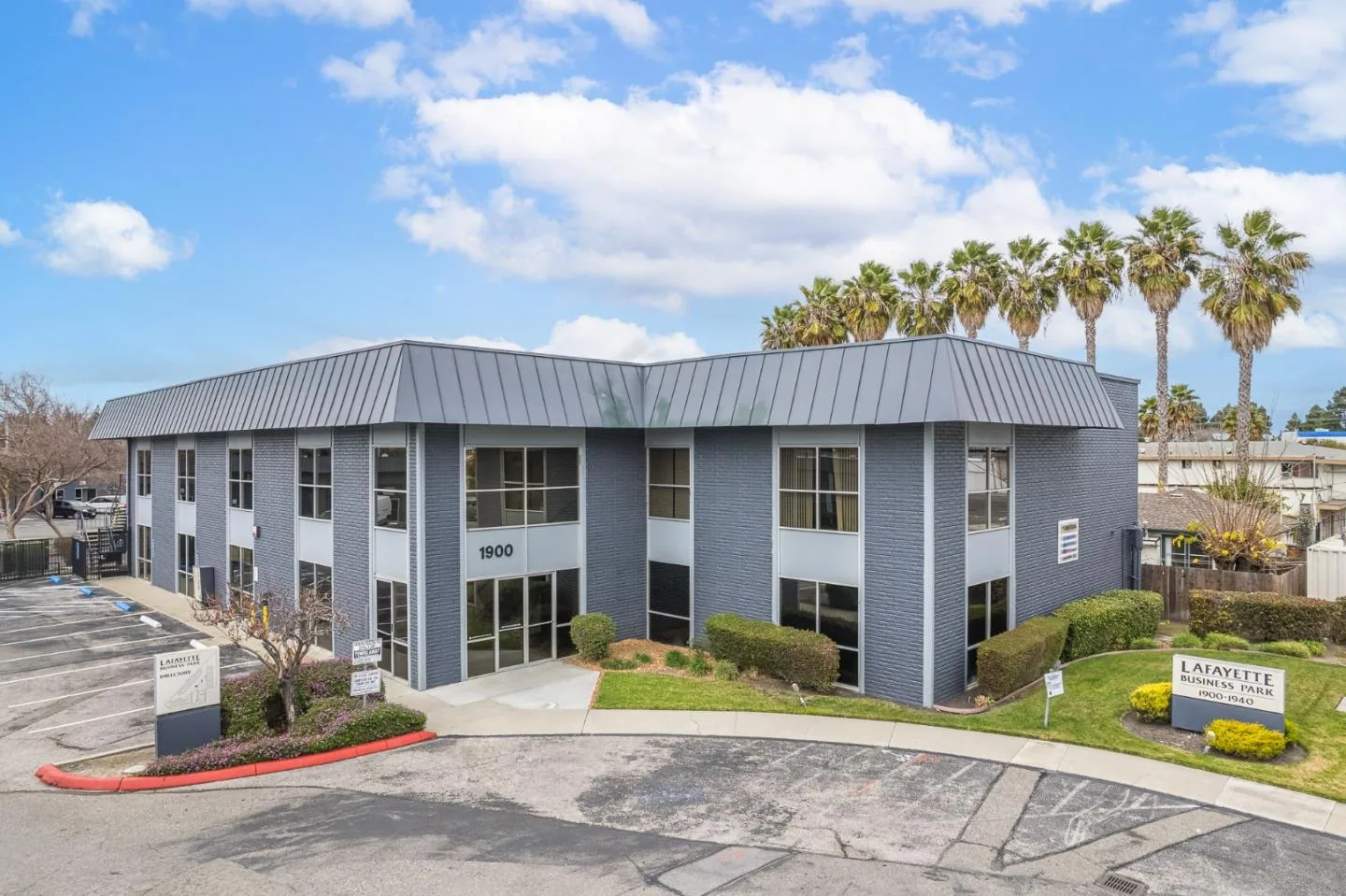
Simi Valley's industrial development is concentrated in the West End Specific Plan area, with light-industrial, office, and business-park properties. Tapo Canyon Business Park contains medium- and larger-format buildings that can serve office or high-technology industrial uses. A portfolio can therefore include different operating patterns even within one local market. We do not transfer one roof's assembly, leak history, or maintenance interval to another property. The asset record identifies each building, roof zone, access contact, and next decision separately. If a holding company owns several buildings, compare those records with a REIT roof portfolio review while keeping the property-level scope intact.
Give each roof its own condition record
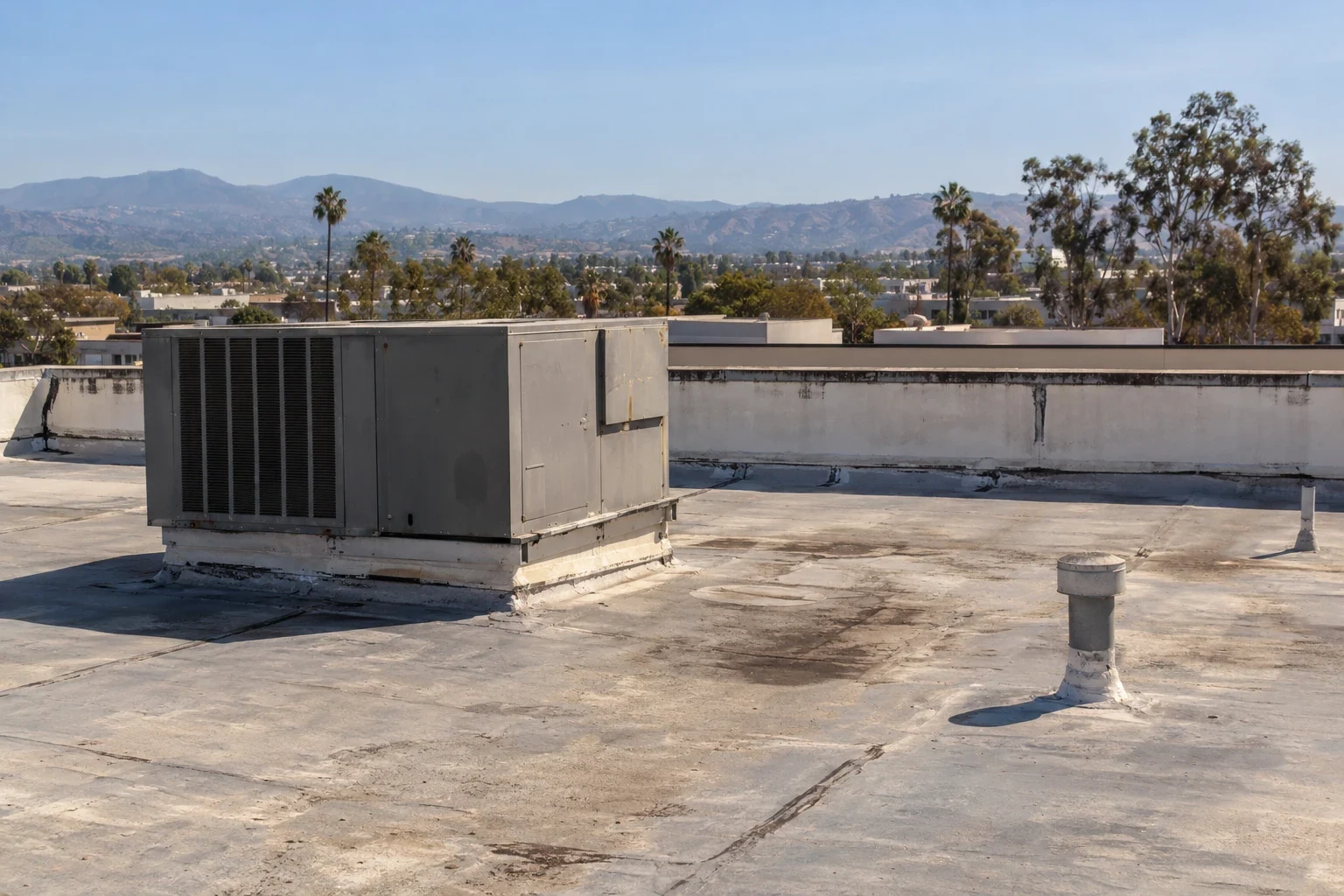
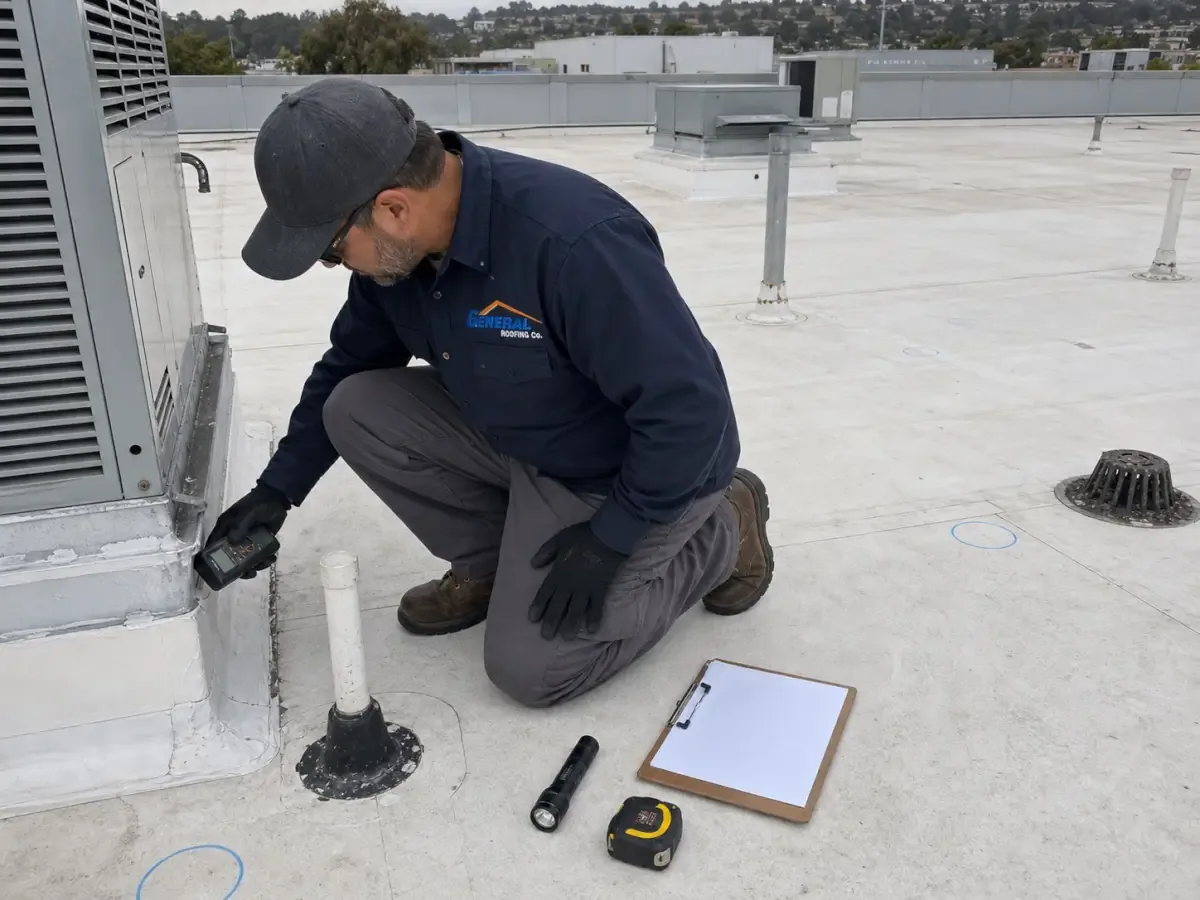
Start with a property list that identifies the roof plan, known system, prior repairs, warranty documents, and person who can authorize roof access. On the first visit, mark each inspected zone, note visible membrane or panel conditions, and tie photographs to the map. Record drains, scuppers, curbs, penetrations, edge terminations, and areas blocked by equipment. If a space could not be entered or a roof area was unsafe to reach, label that limit rather than leaving a blank that looks like a pass.
Use consistent photo angles and zone names when a site receives repeat visits. That makes it easier to distinguish a new seam opening from a previously patched detail and to follow a repair through closeout. A roof asset record can hold observations, completed work, warranty terms, and open questions together. The building use guides access planning; the roof evidence sets the condition.
Separate an active leak from deferred work
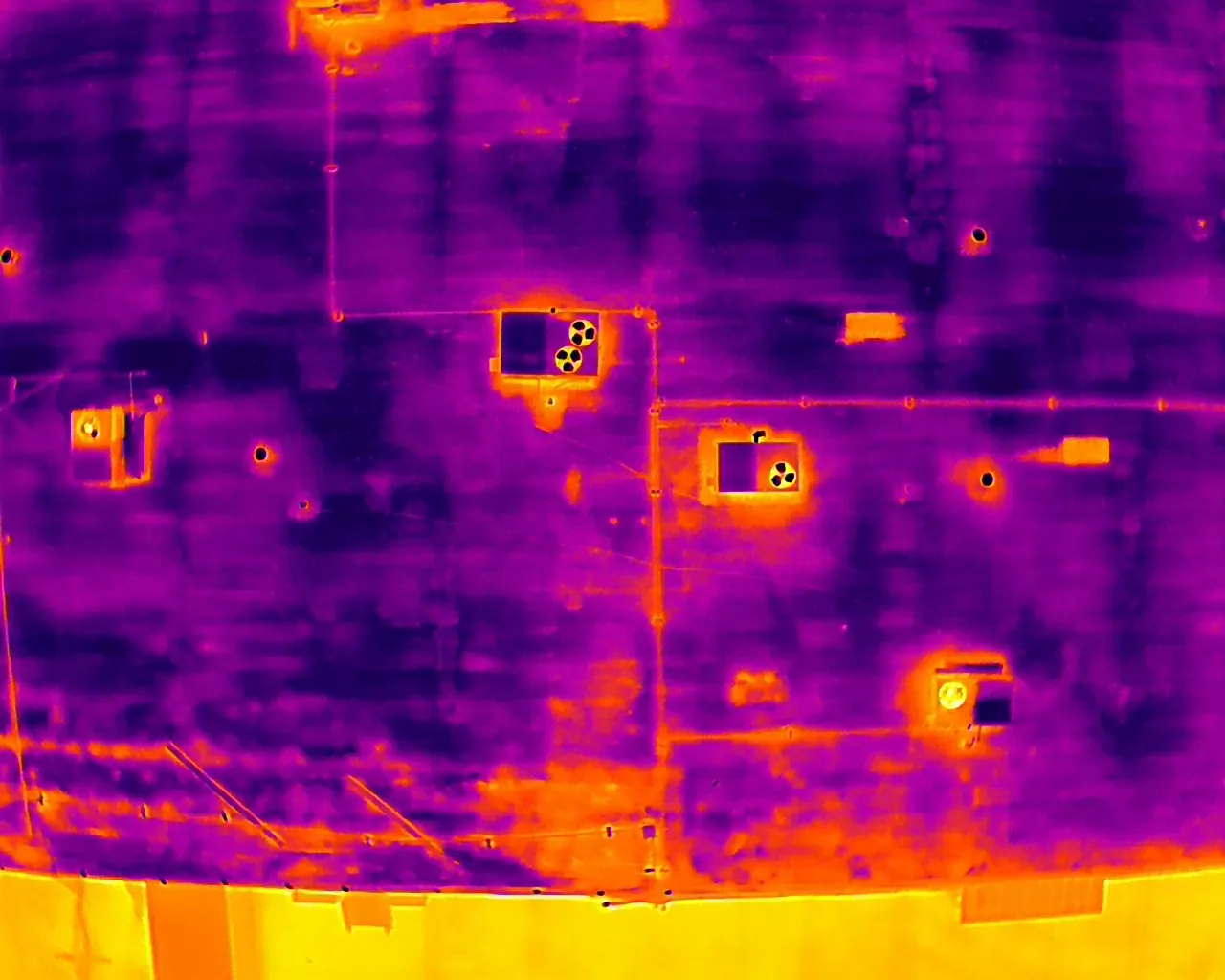
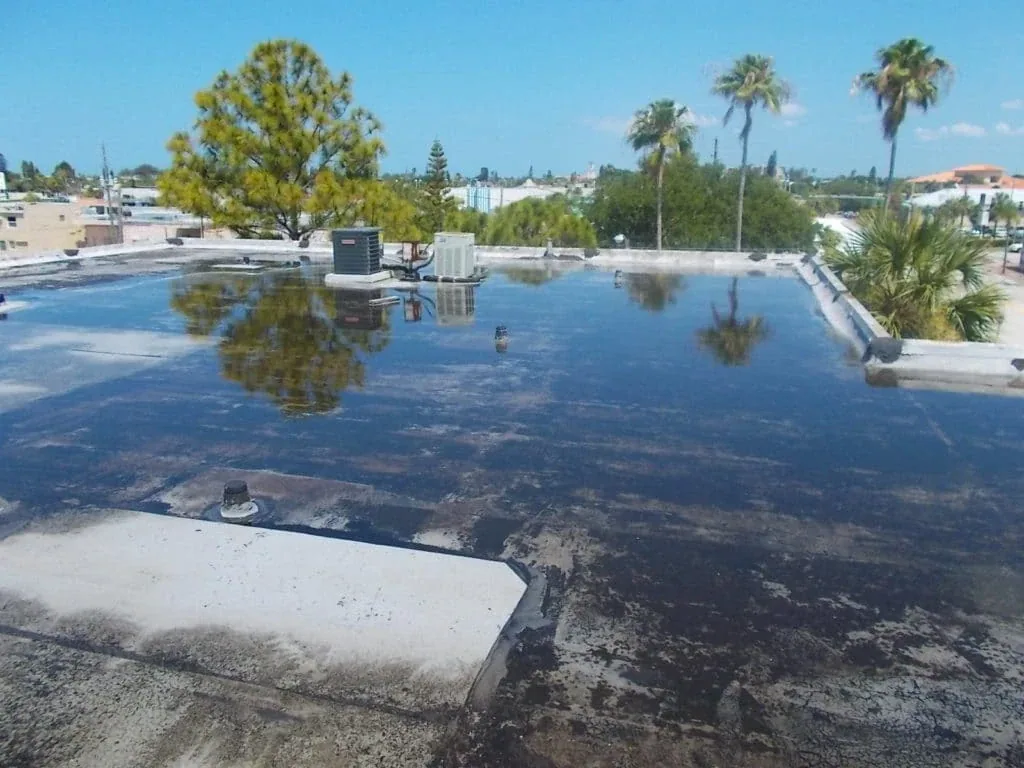
When water is entering an occupied suite, first identify what is wet, whether the leak is active, and which roof zone lies above the report. Check seams, penetrations, curbs, drains, wall transitions, and prior repairs along plausible water paths. A ceiling mark may sit away from the opening because water follows deck flutes or insulation joints. We keep the observed defect distinct from a suspected route and recommend a test only when it will change the repair scope.
Portfolio triage should state the operating impact and the next action, not just a color-coded status. Active water may need temporary protection and a defined dry-in limit; a loose edge or deteriorated coating can be scheduled before it reaches an interior space. Separate emergency work from permanent repair in the record, then price the confirmed scope apart from any concealed-condition allowance. A roof emergency response can establish that immediate boundary while a commercial leak repair addresses a confirmed path.