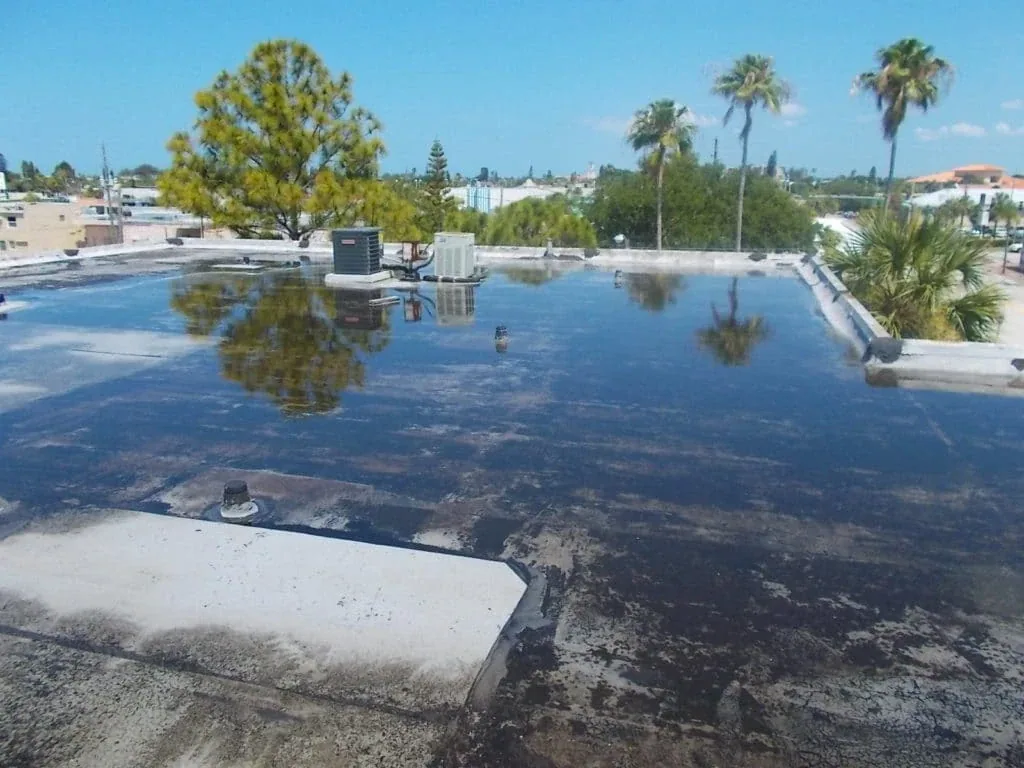
A drain strainer, an open seam, and a loose curb can each change what a facility manager should approve next. In Simi Valley, we set maintenance around the installed assembly, roof zones, access limits, and current leak history rather than using a calendar alone. Simi Valley’s heat outlook makes exposed seams and curb flashing useful inspection points during a maintenance visit; the observed roof condition, not the outlook, sets the follow-up. We photograph what is visible, note what could not be reached, and separate routine correction from a repair that needs testing. A commercial roof inspection record gives the maintenance visit a clear starting point.
Set the first inspection boundary
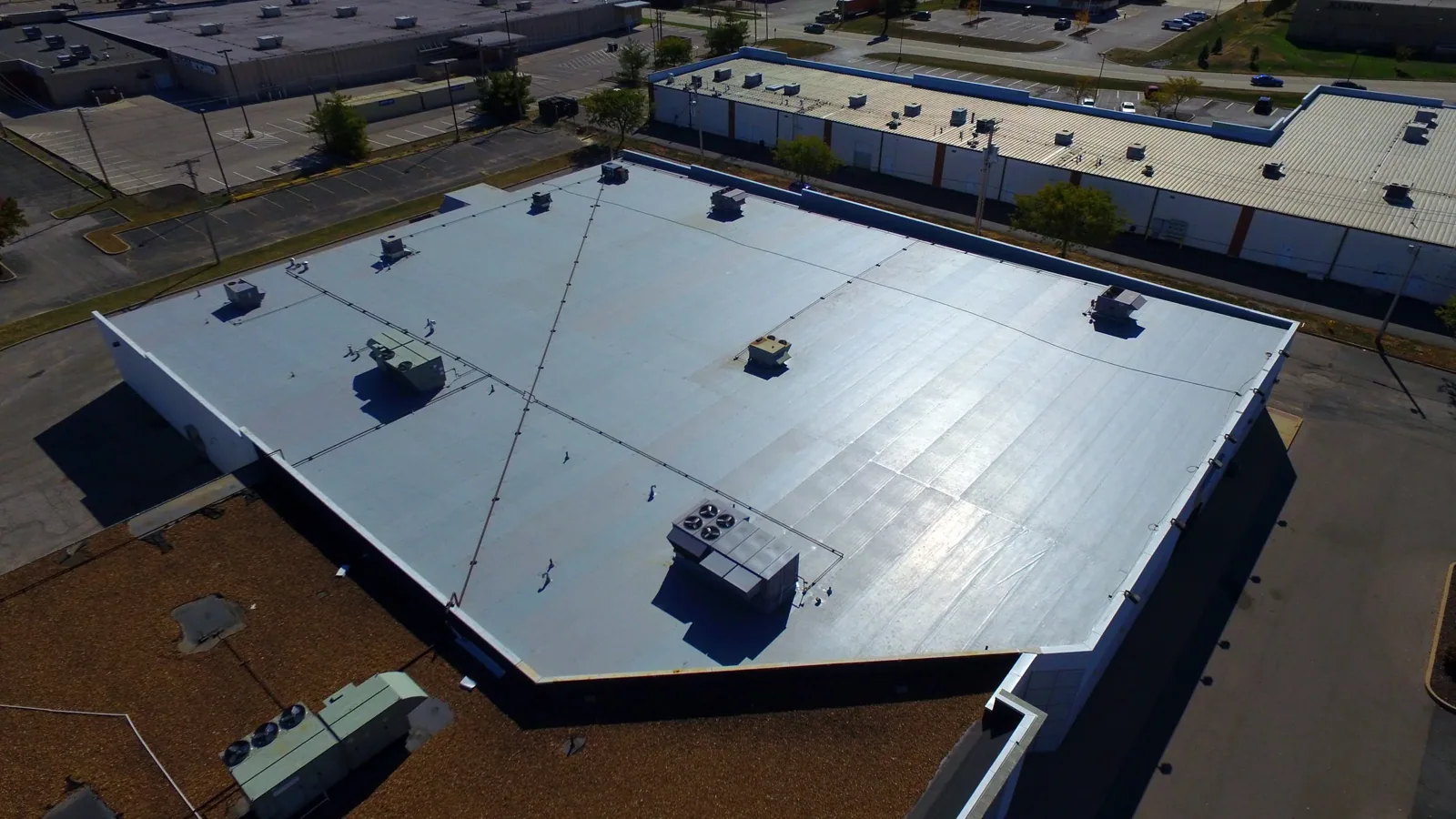
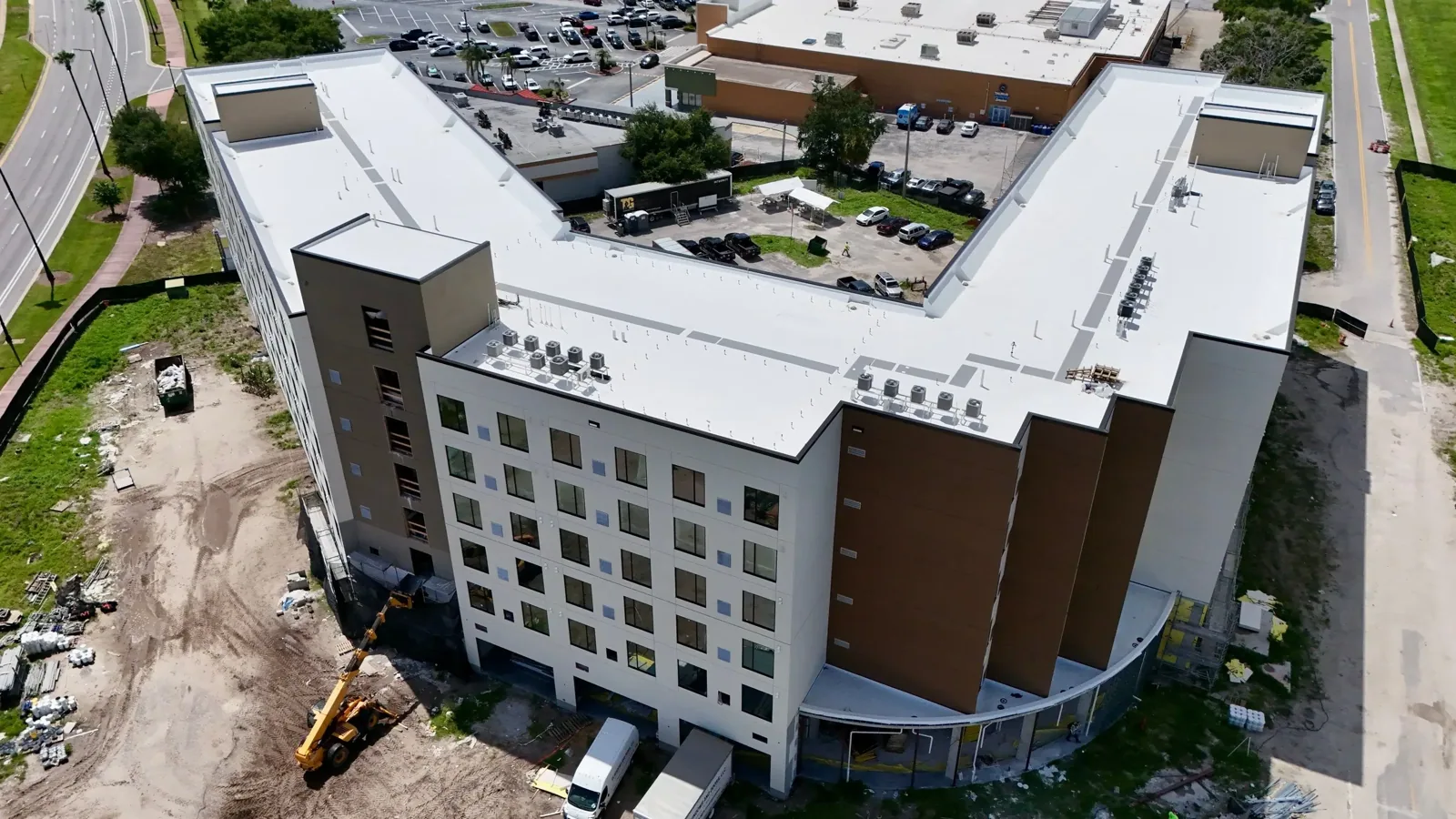
A useful plan begins with the roof map, system records, prior repair notes, and the facility contact who controls access. We confirm whether the roof is TPO, PVC, EPDM, modified bitumen, built-up, metal, or a coating system, then mark the zones that can be inspected safely. A prior invoice may describe one section but not an addition or later overlay, so we compare the record with visible seams, edges, curbs, and drains. If a roof hatch is locked or equipment blocks a route, the report names that limit and the approval needed to return.
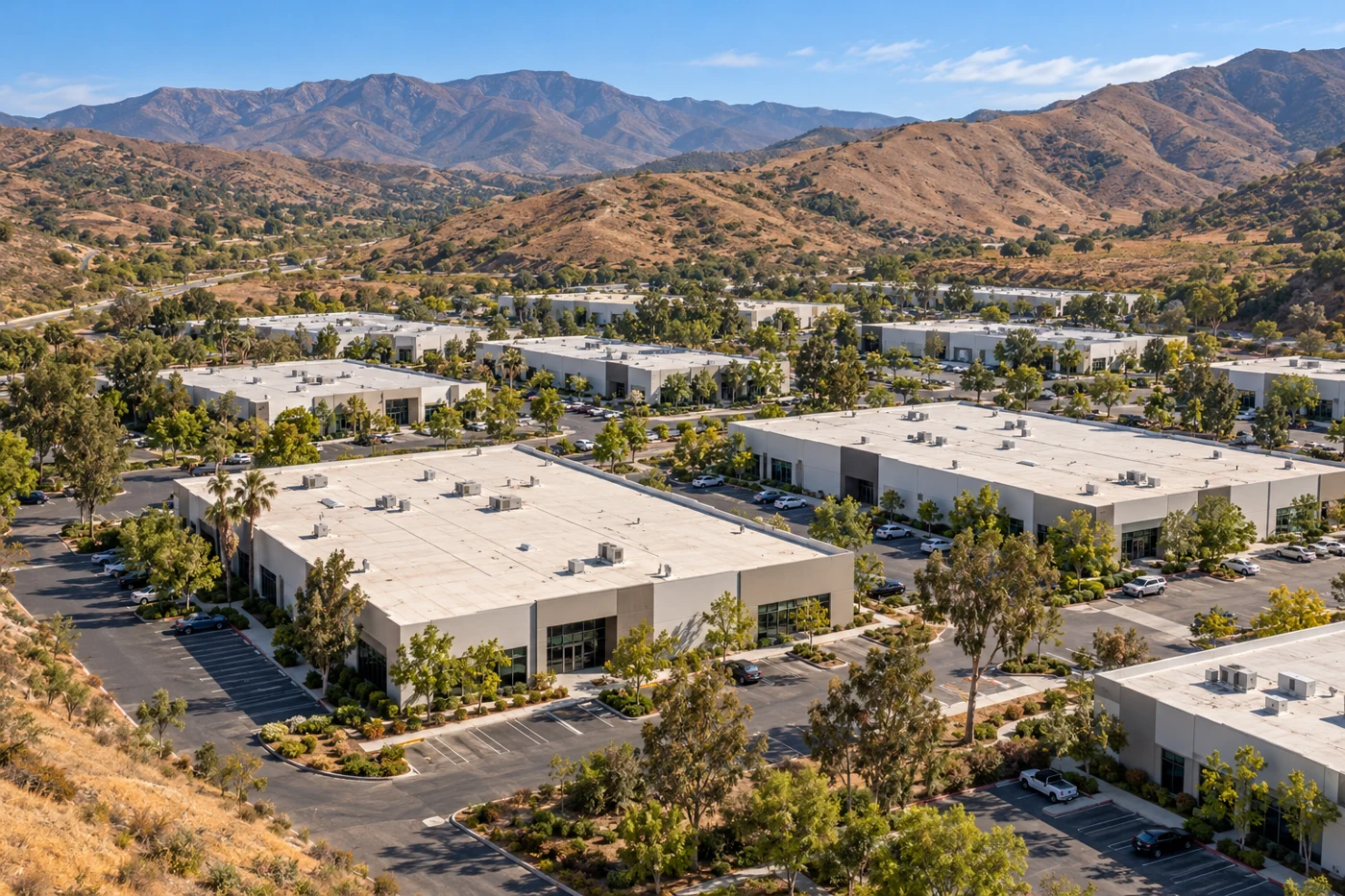
Tapo Canyon business parks can hold medium- or large-scale office and high-technology users. For a roof visit, the facility contact identifies its equipment clearances and work windows; the district description does not set the inspection boundary. We keep each building and roof zone distinct, even when the Tapo Canyon business park is the service-area reference. We keep each building and roof zone distinct, even when the Tapo Canyon business park is the service-area reference. The manager receives a list of accessible areas, points needing a closer look, and items that should wait for a separate repair scope.
Read each detail in sequence
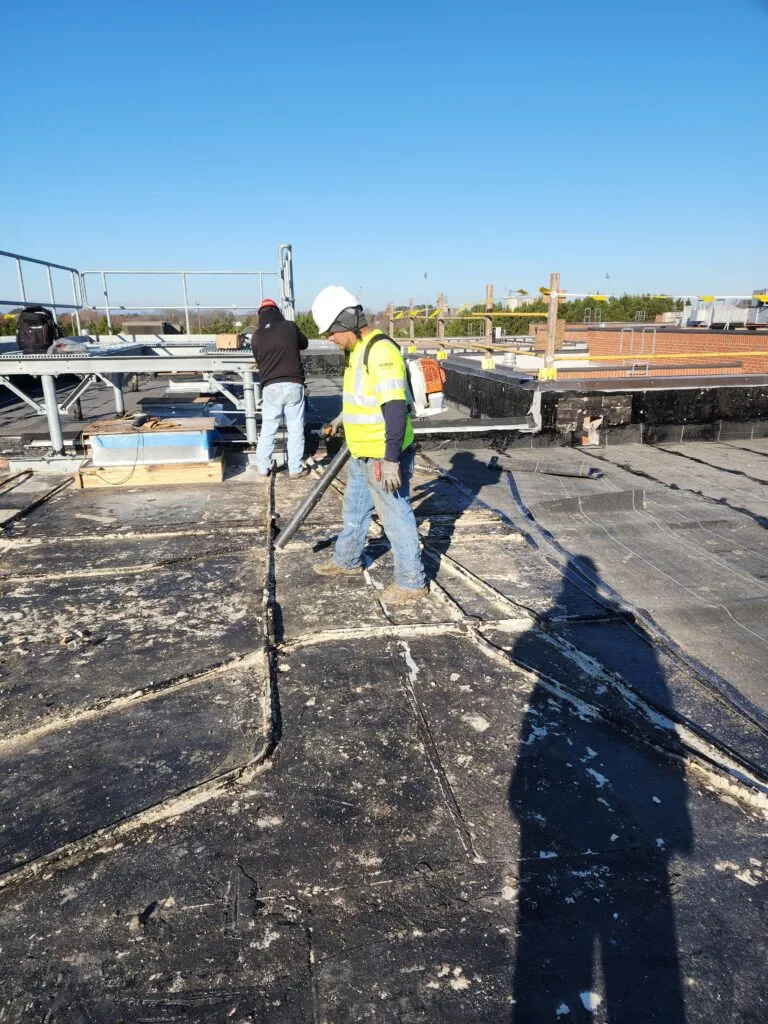
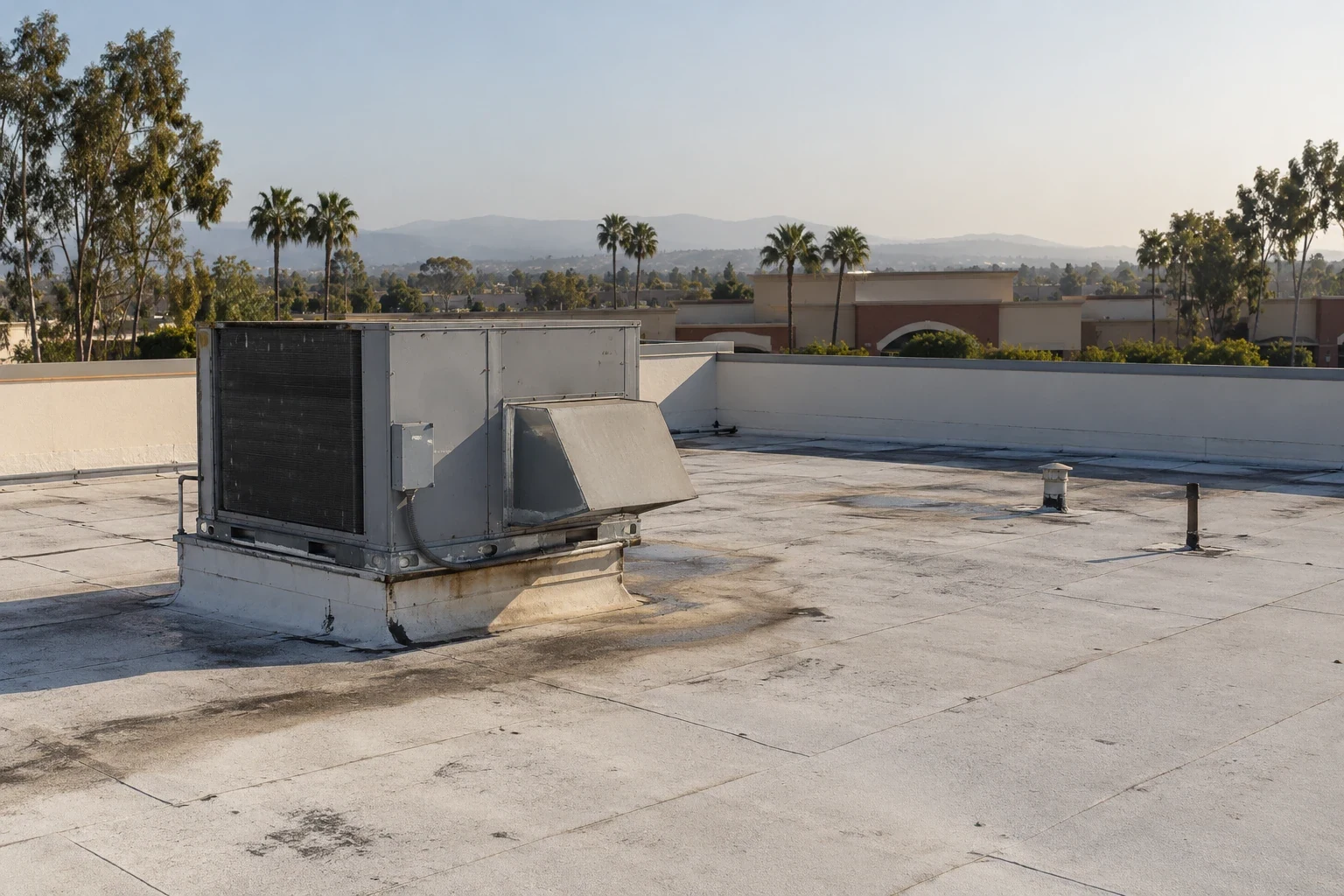
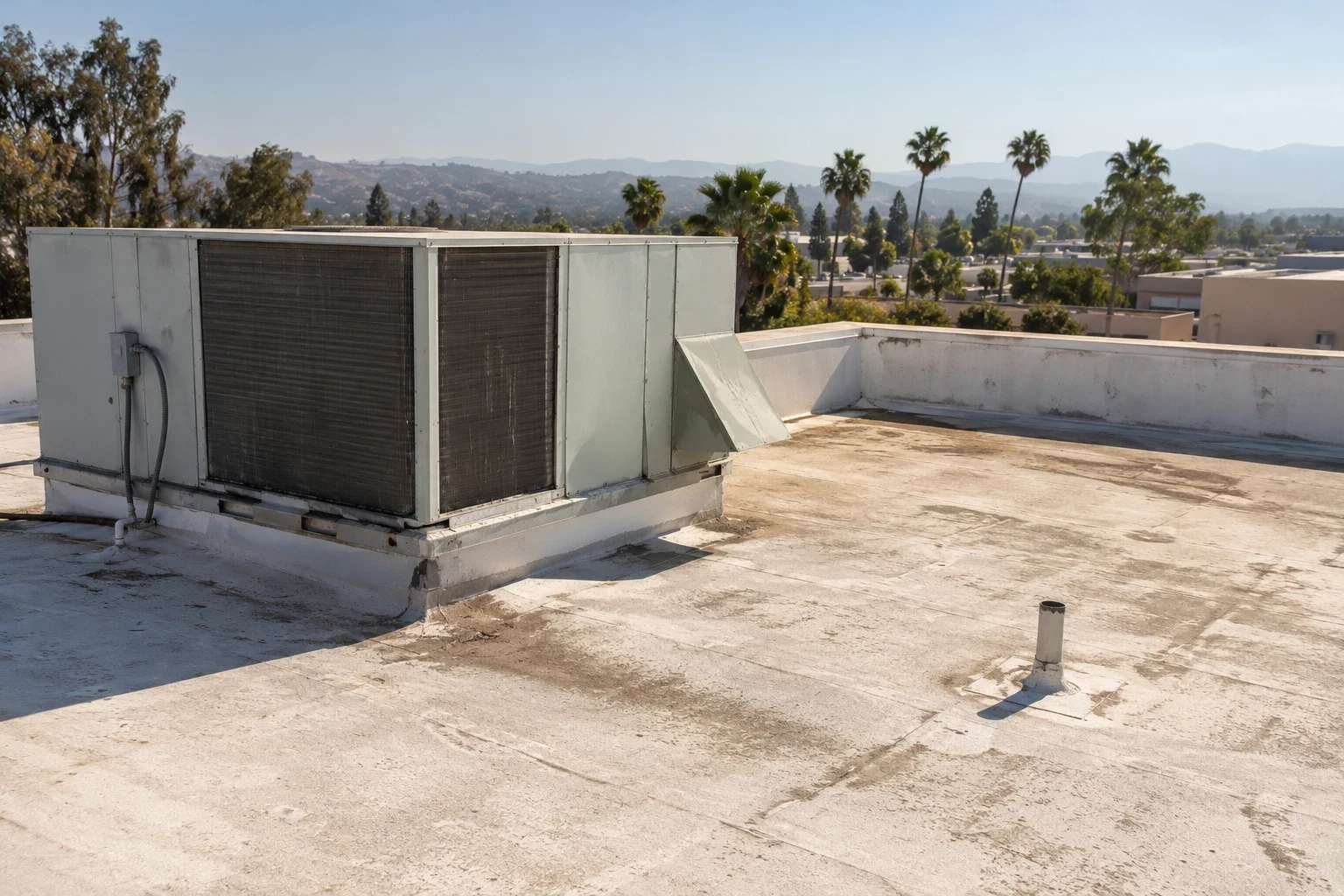
The membrane field, perimeter, curbs, and penetrations do not age as one surface. We check seams for opening or patch separation, then inspect the nearby flashing and insulation indicators before calling a condition routine. At equipment curbs, service traffic and replacement work can disturb a transition. At roof edges, loose metal or separated sealant can expose the termination. We photograph each detail with nearby equipment or a roof-zone marker in view, then add a closer image that shows the condition without losing its location.
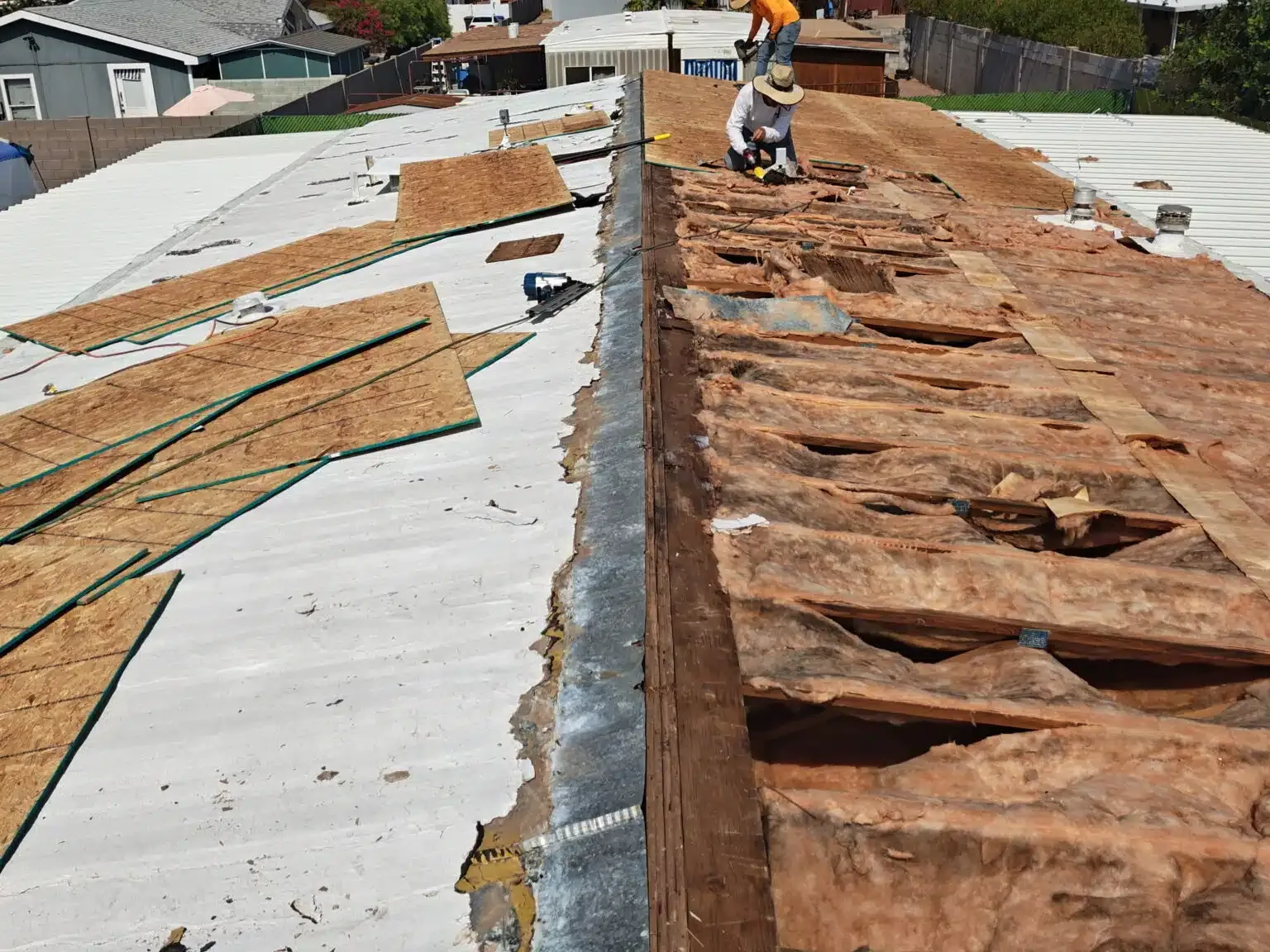
Maintenance is useful when it distinguishes a small correction from a larger question. A loose fastener may be reset if the surrounding assembly is sound; recurring seam movement, wet insulation, or widespread attachment concerns can require testing before a boundary is set. We record the material, preparation, and area included in a repair recommendation, then identify conditions outside that area. This makes the next approval specific. The condition record also lets a future visit compare the same seam, curb, or edge rather than repeat an unbounded survey. An item that remains open until a later visit can collect debris or continue to admit water, but the consequence depends on the condition observed. We identify the material, preparation, roof access, and dry-in needs that affect scheduling and labor; a photograph alone does not set the repair scope. If approval must wait, the record names the area that remains exposed and the temporary protection under consideration. That gives operations a choice tied to the roof evidence.