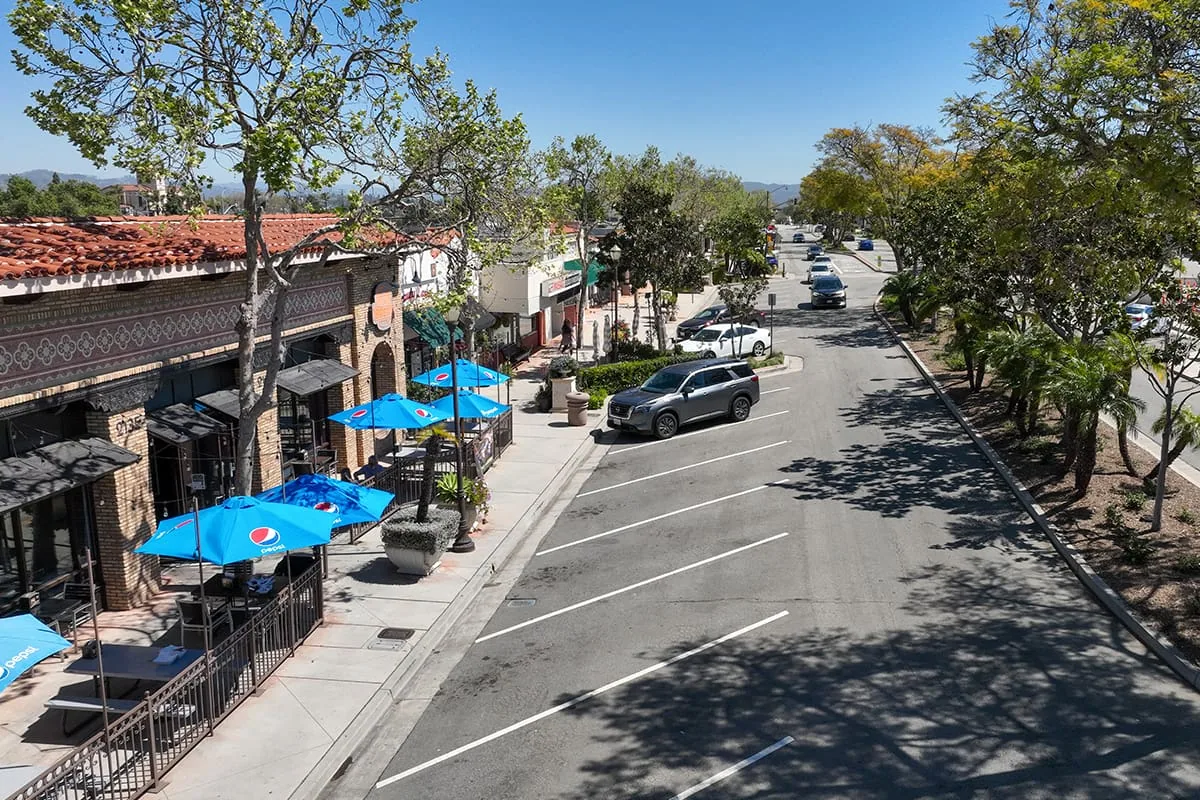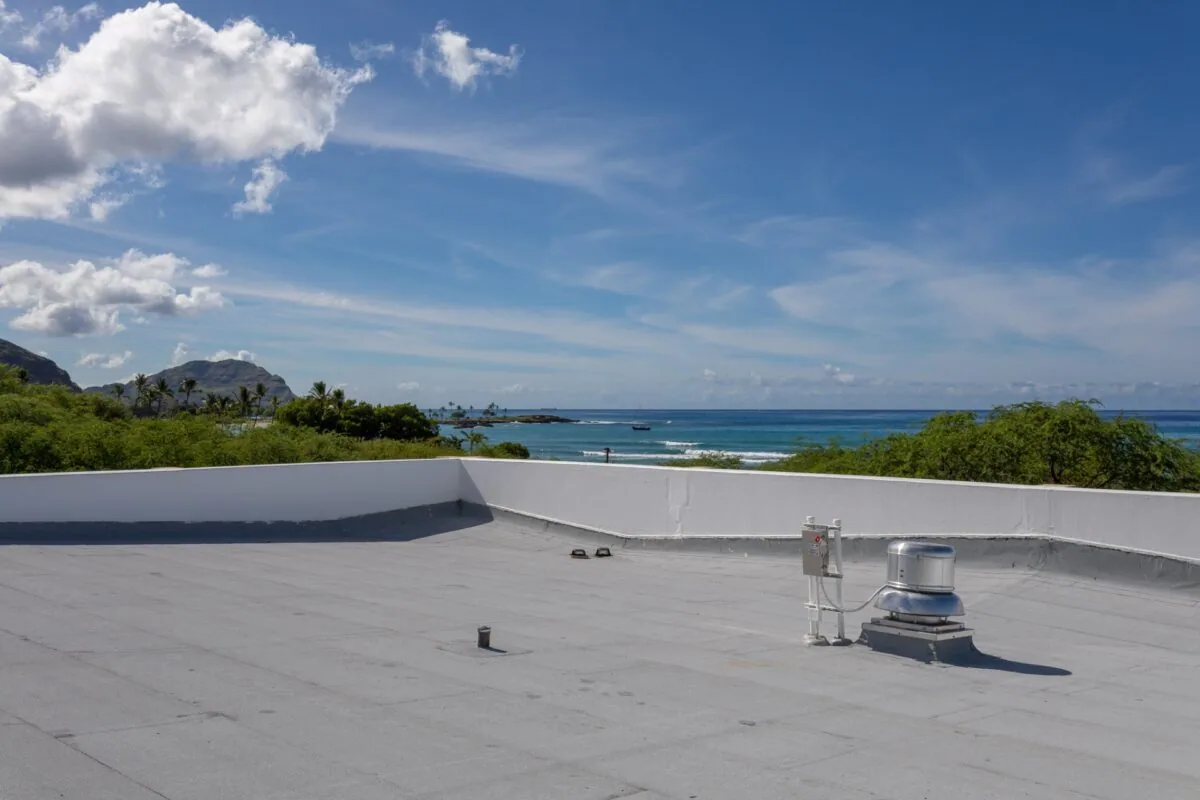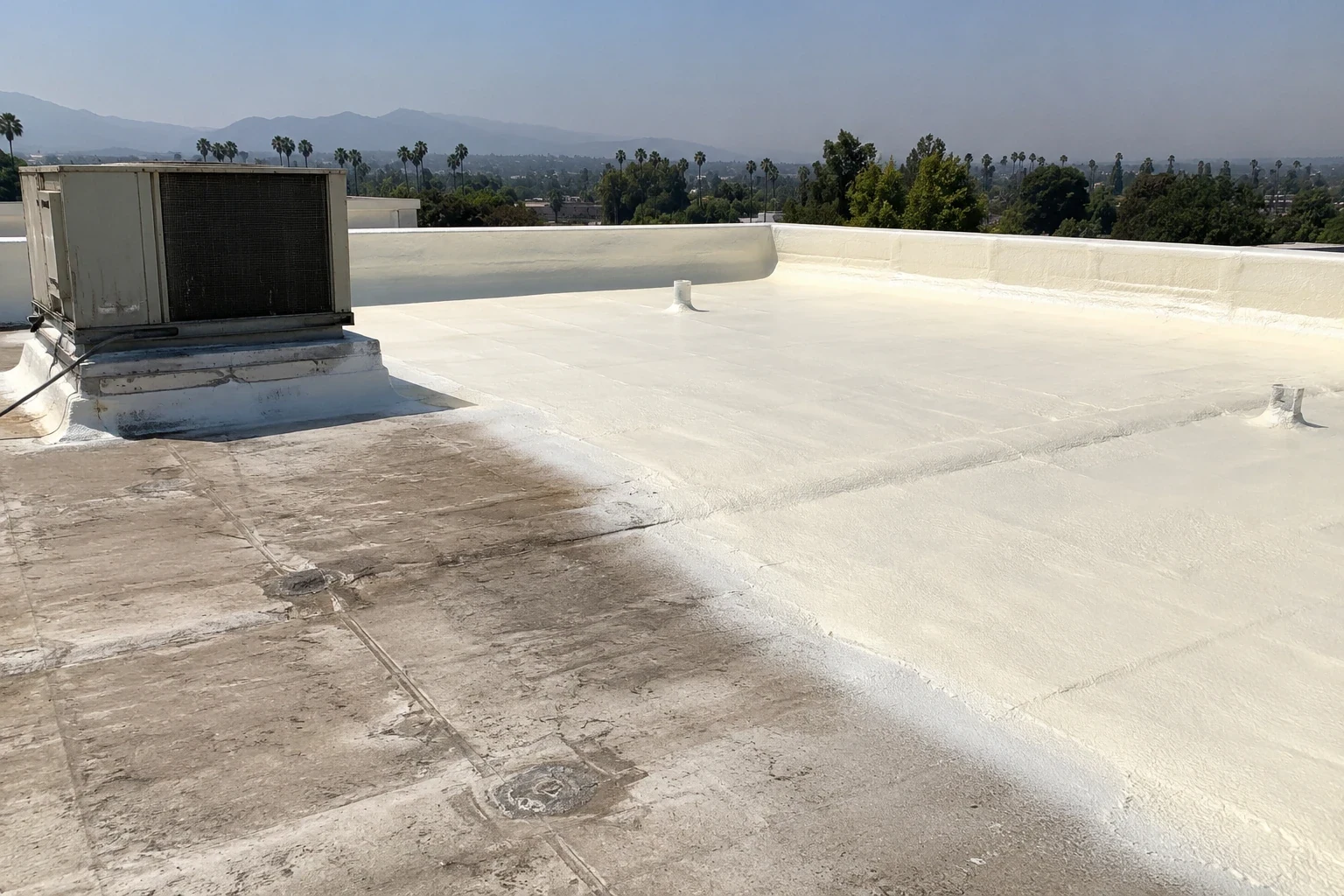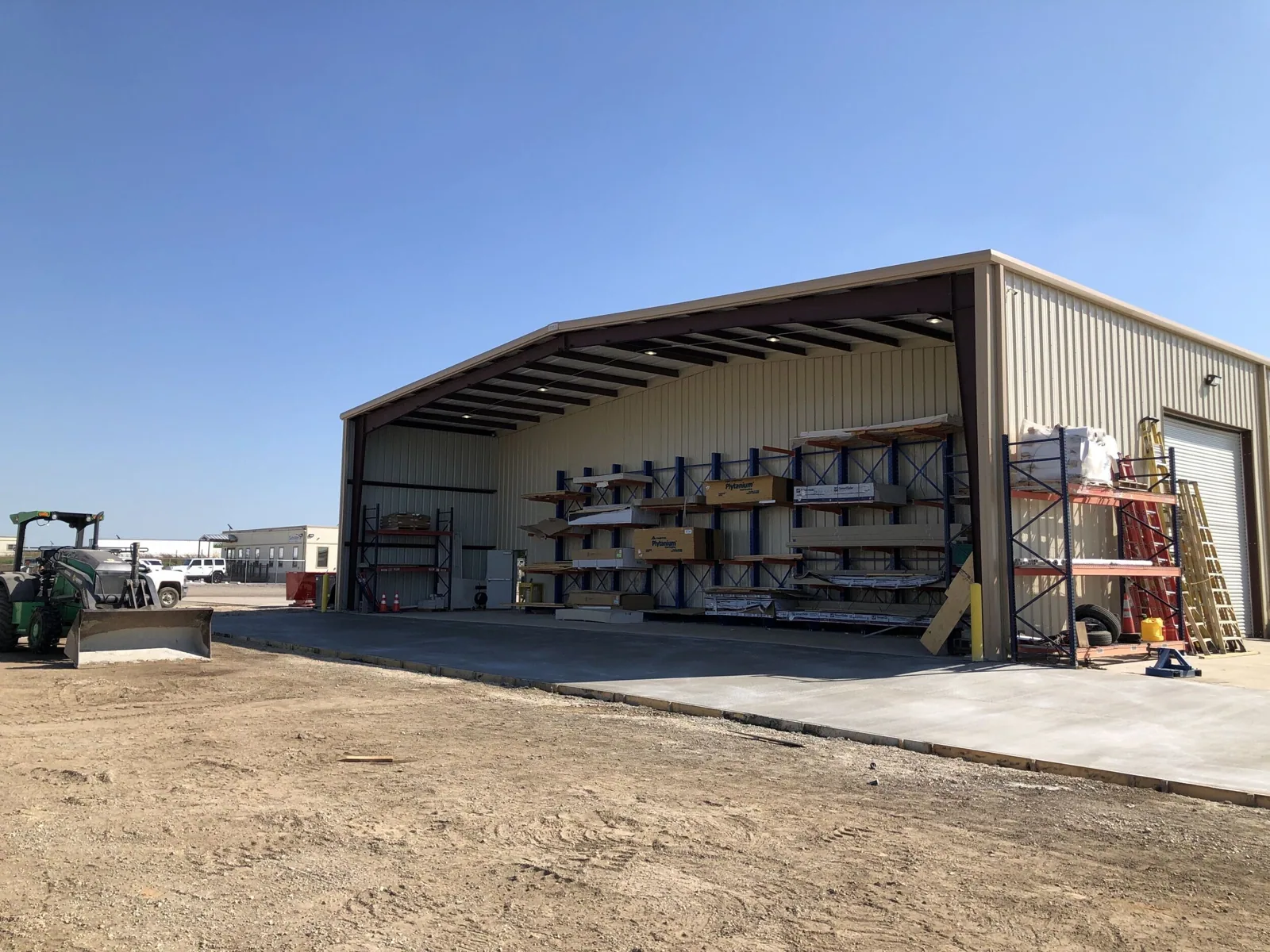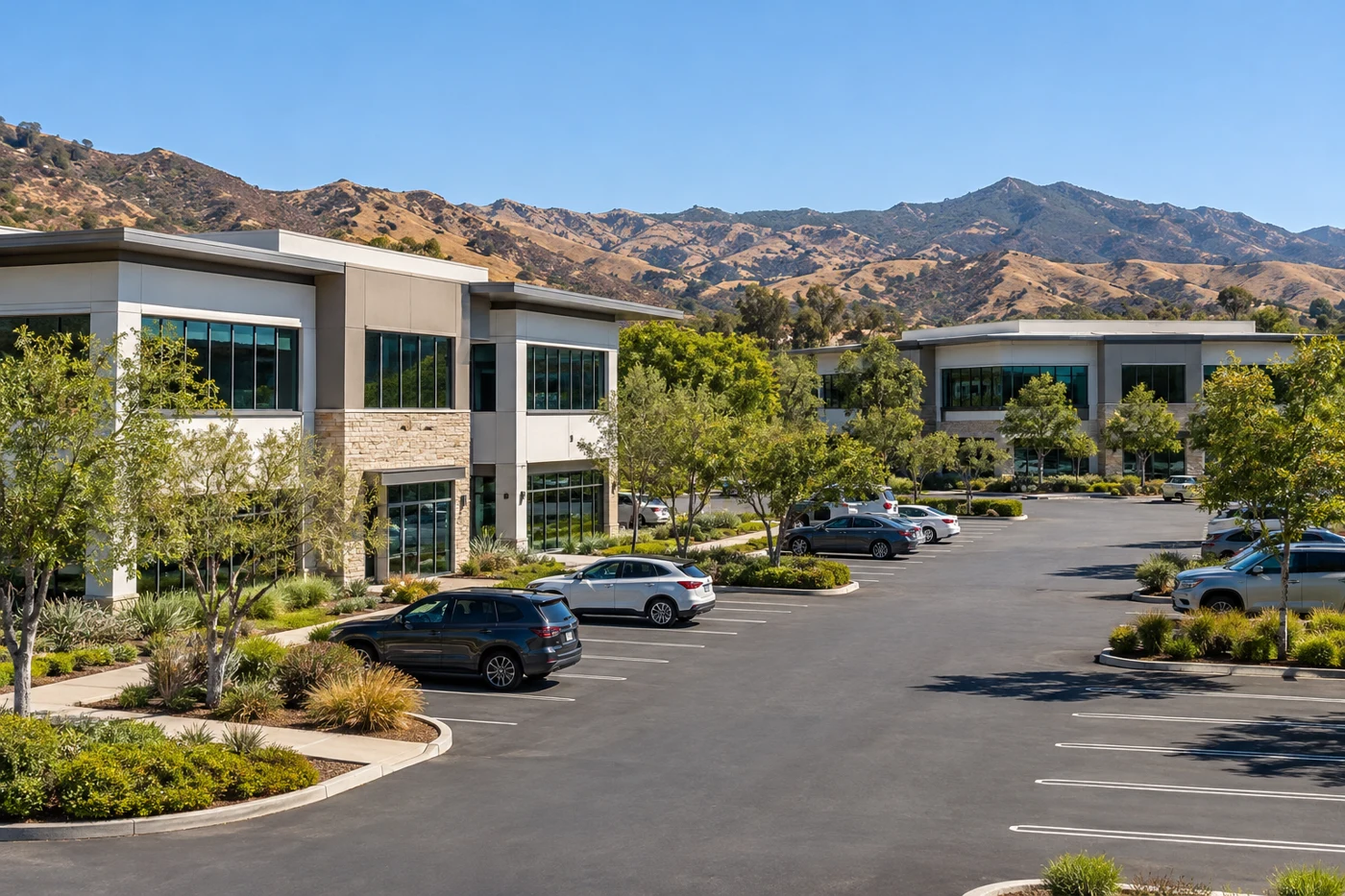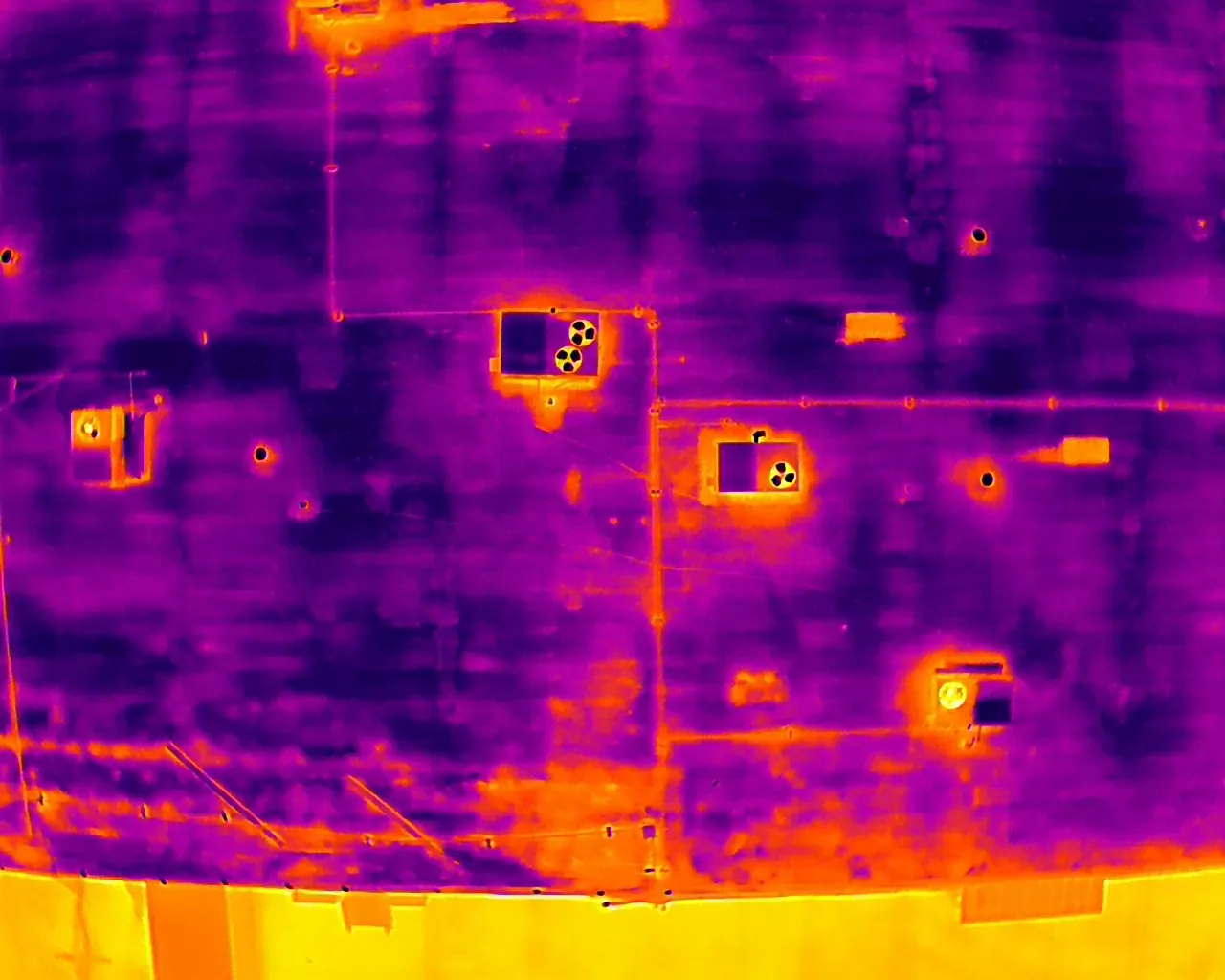
Camarillo, CA supports retail and service activity as well as administrative-office and technology-oriented uses noted in a 2020 city planning analysis. The city also has commercial and employment-area planning context, with Mission Oaks Business Park and the Flynn Road Industrial Area identified as commercial and industrial districts. Those descriptions help a property manager frame access and operating questions; they do not identify a roof system or condition. We inspect the membrane, seams, drains, transitions, and equipment details at the building. A commercial roof inspection documents the roof zone and next repair decision before materials are proposed.
Identify the building and its use
Before visiting, we confirm the property location, site contact, roof access, and hours when deliveries or roof work can proceed. A retail tenant, office operation, and industrial service area may have different routes and shutdown needs. Planning categories identify broad city context, but the property manager describes current operations and permissions. We record the entrance and roof zone included in the inspection so that a nearby building or district does not get mistaken for the site being evaluated.
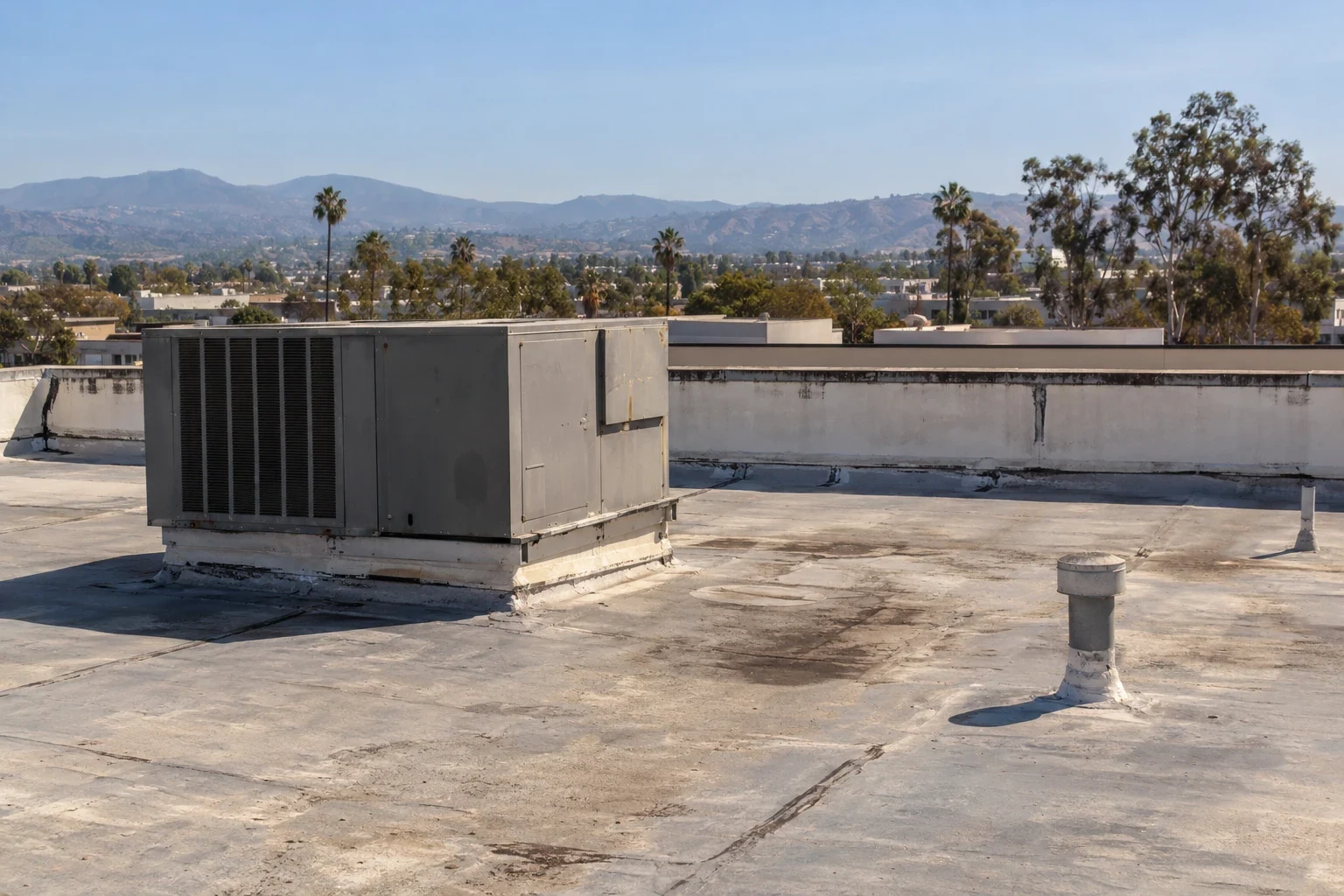
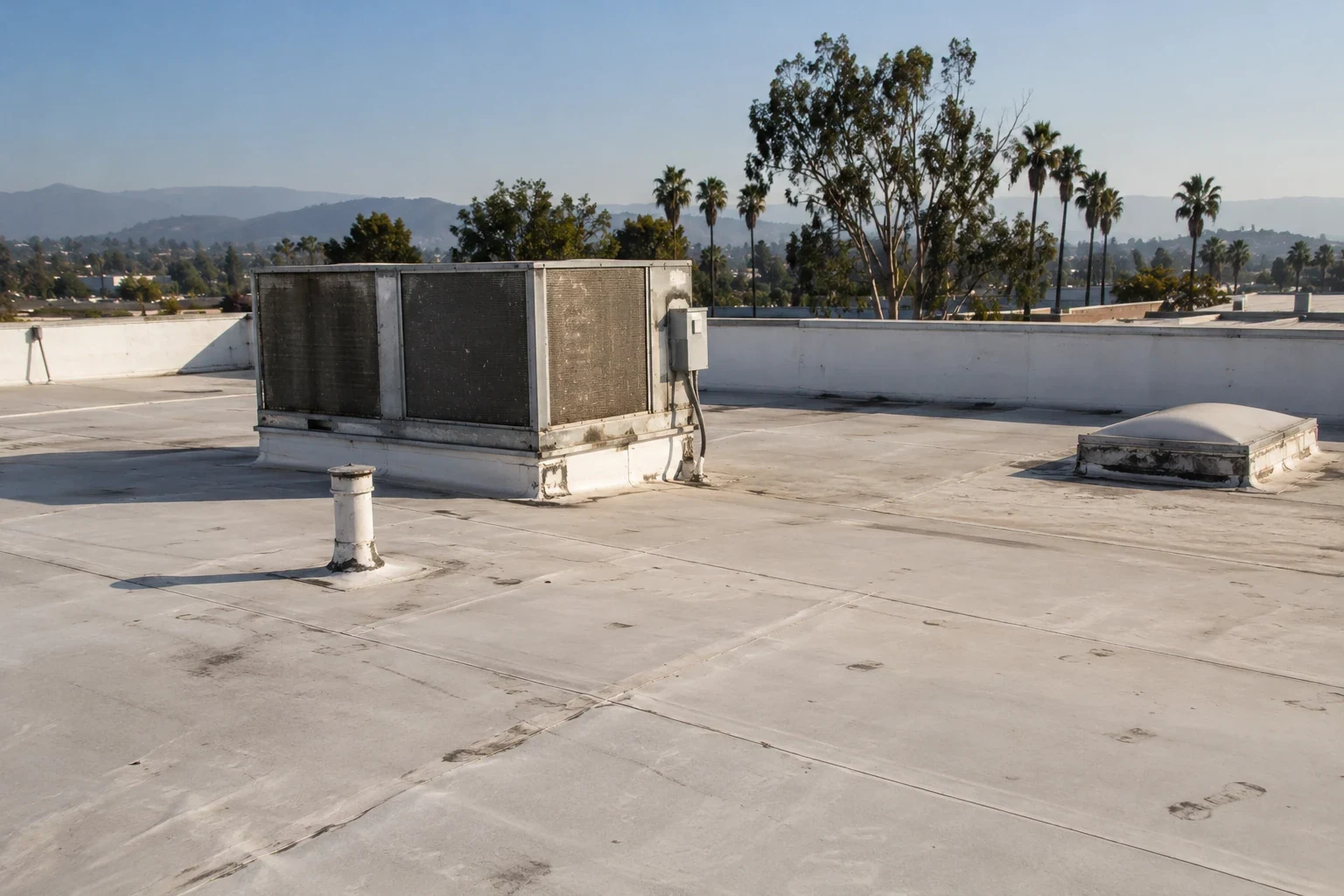
The initial roof walk follows the reported concern and the building layout. We inspect parapets, drains, curbs, penetrations, skylights, and visible patches. If equipment or a screen limits access, the report says what could not be reached. A work plan for an occupied building can identify customer paths, loading areas, and equipment service windows before removal begins. In the Mission Oaks Business Park, land-use context varies across office and industrial activity; the access plan still needs confirmation with each site contact.
Confirm the roof assembly
We identify the roof material from drawings, prior repairs, labels, seams, and visible details where possible. A commercial roof could be a single-ply membrane, built-up system, modified bitumen, metal, or another assembly. Land-use policy does not answer that question. If the records are incomplete or the surface has been patched, we describe what can be verified and the test or opening needed to establish the layers. Material compatibility and attachment affect whether a repair, coating, recover, or replacement is appropriate.
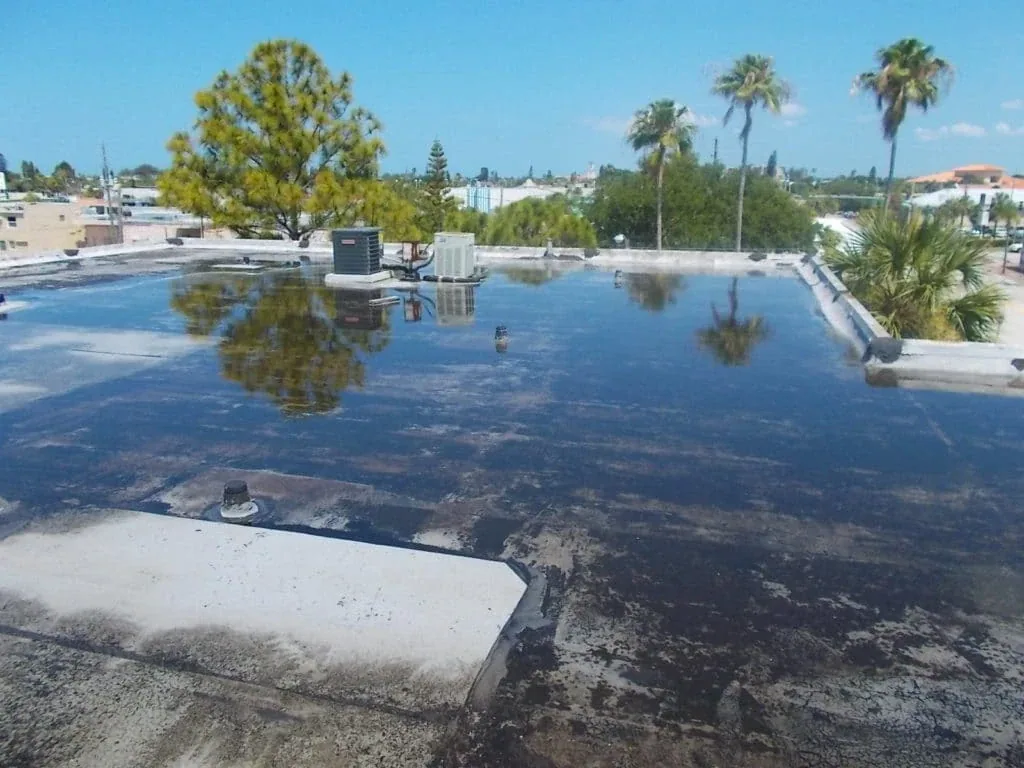
At the membrane field, we inspect open seams, punctures, blisters, surface wear, and signs that previous patches have separated. At edges and penetrations, we check flashing turns, metal attachment, sealant condition, and movement. A PVC membrane and a metal roof assembly call for different repair details. We confirm which system is present before recommending material, and explain the boundary if the system cannot be determined during the initial visit.