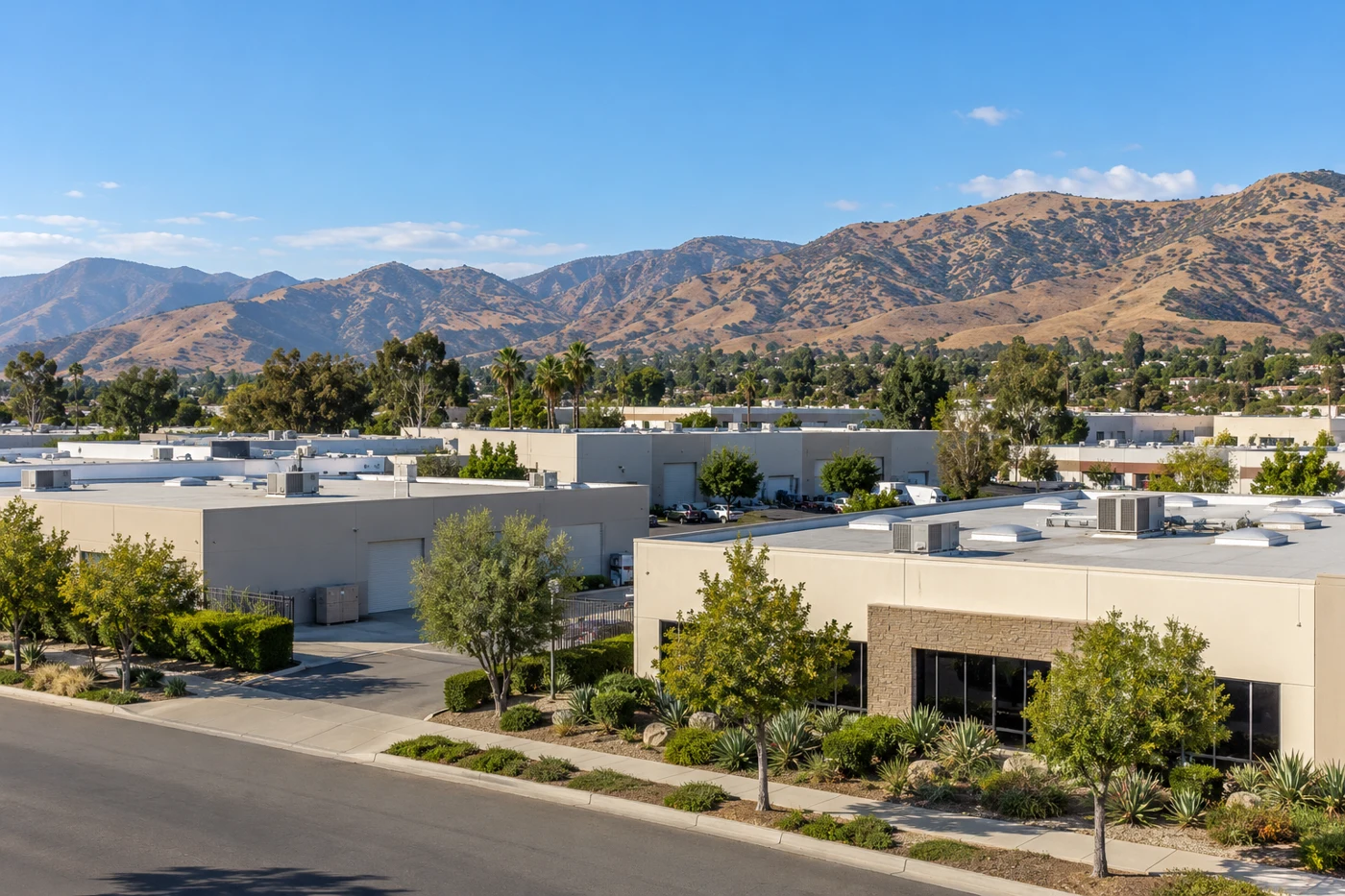
A roof review for an acquisition should answer a narrow question: what is visible, what remains uncertain, and which condition could change the near-term scope? A property file may contain repair invoices, warranty papers, tenant reports, and old roof plans that use different labels. We reconcile those records with an on-site walk, map observations by roof zone, and separate confirmed defects from items that need testing or access. The result is a usable basis for an owner’s next decision, not a blanket condition grade for every asset in the portfolio.
Simi Valley's General Plan places much of the city's industrial development in the West End Specific Plan area. That local pattern can bring office and industrial properties into the same acquisition review, but a shared market does not make their roofs interchangeable. A roof due-diligence survey records the assembly and limitations for each building before an investor compares repair, maintenance, or replacement allowances.
Set a consistent inspection boundary
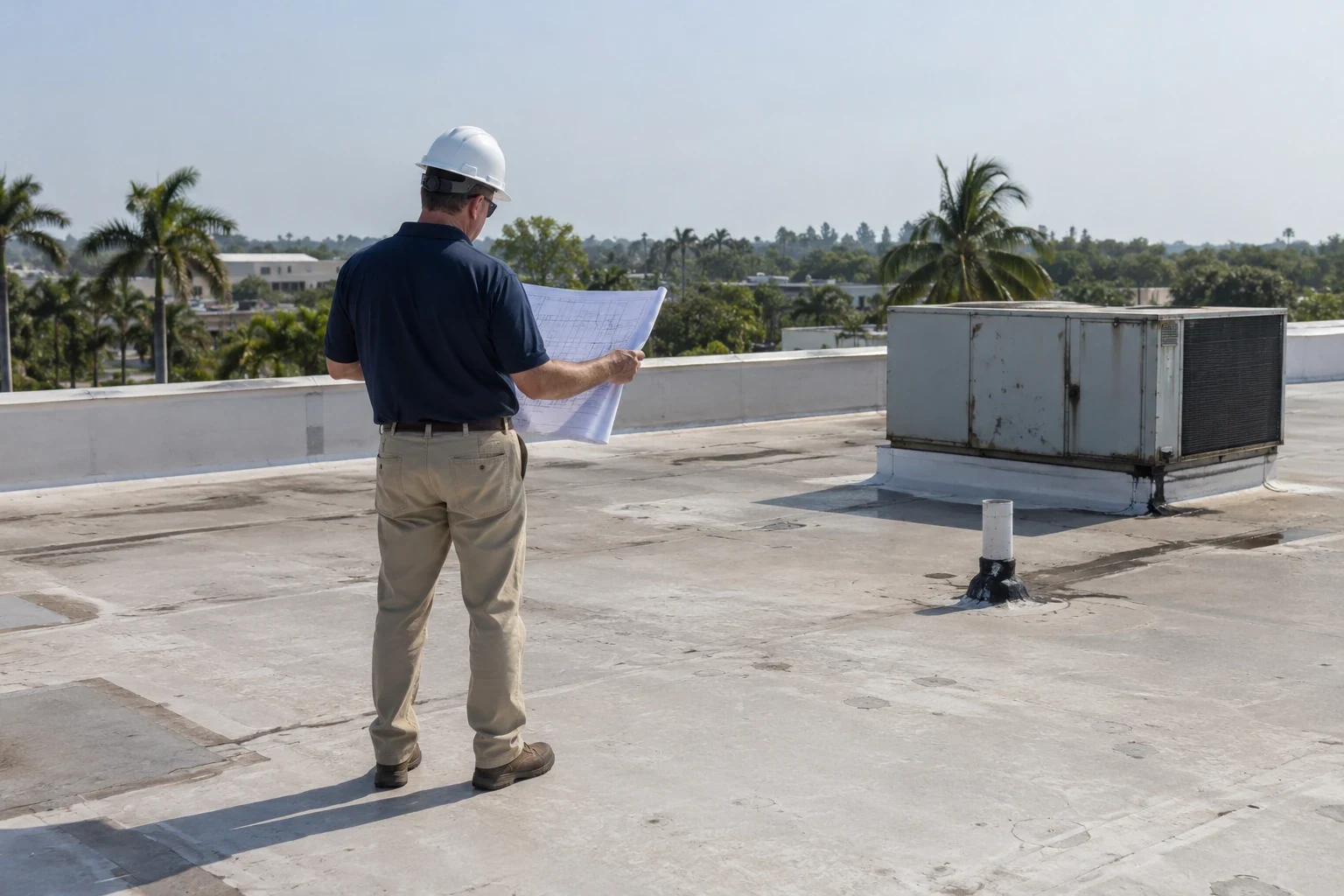
Before a site visit, define whether the assignment covers every roof, a sample of buildings, or only named areas. Confirm ownership access, escort needs, roof-hatch rules, tenant restrictions, and whether interior observations are part of the scope. Request available plans, prior work orders, warranty documents, leak logs, and photographs with dates. If records conflict, retain the discrepancy as a question rather than choosing the version that produces the cleanest estimate.
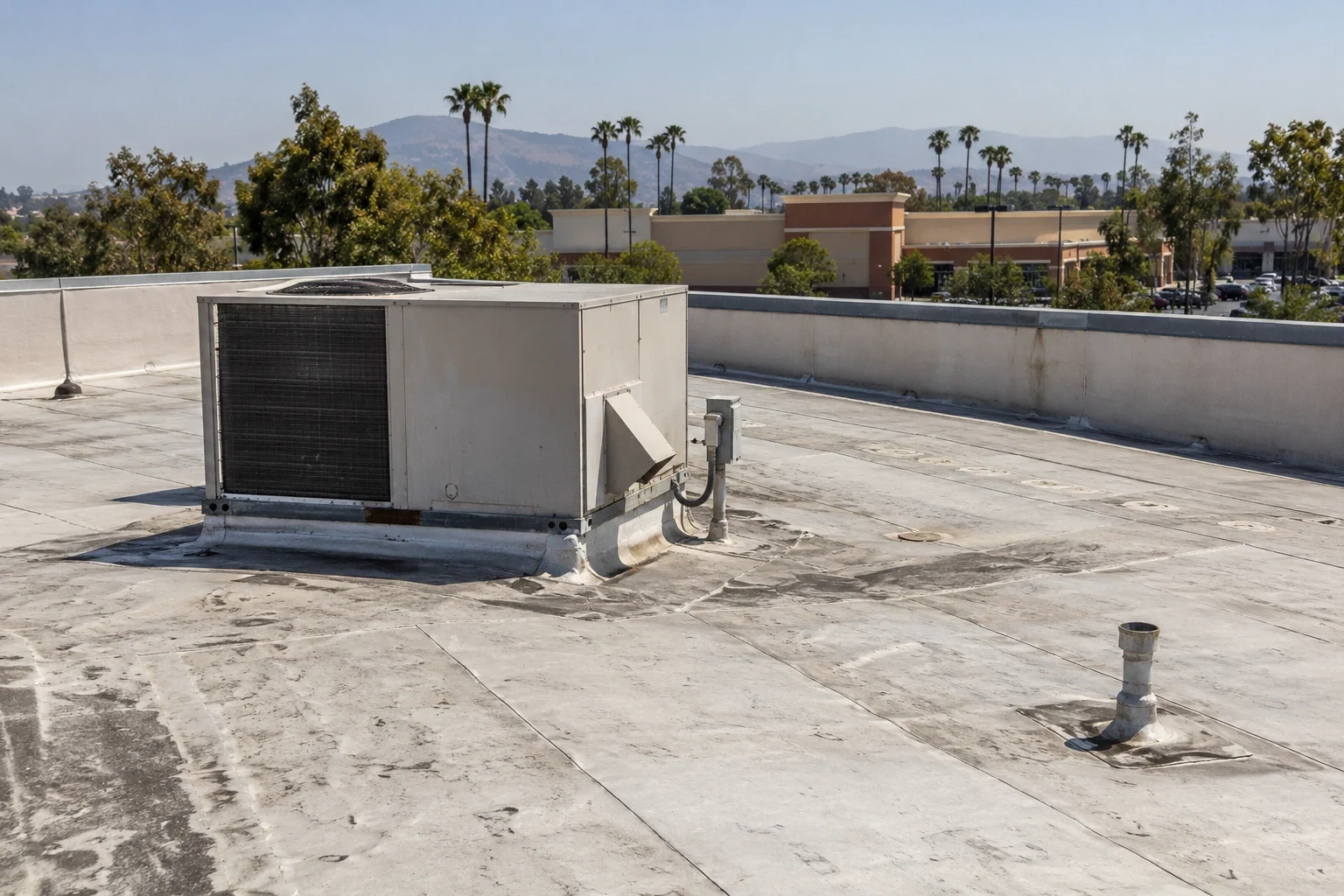
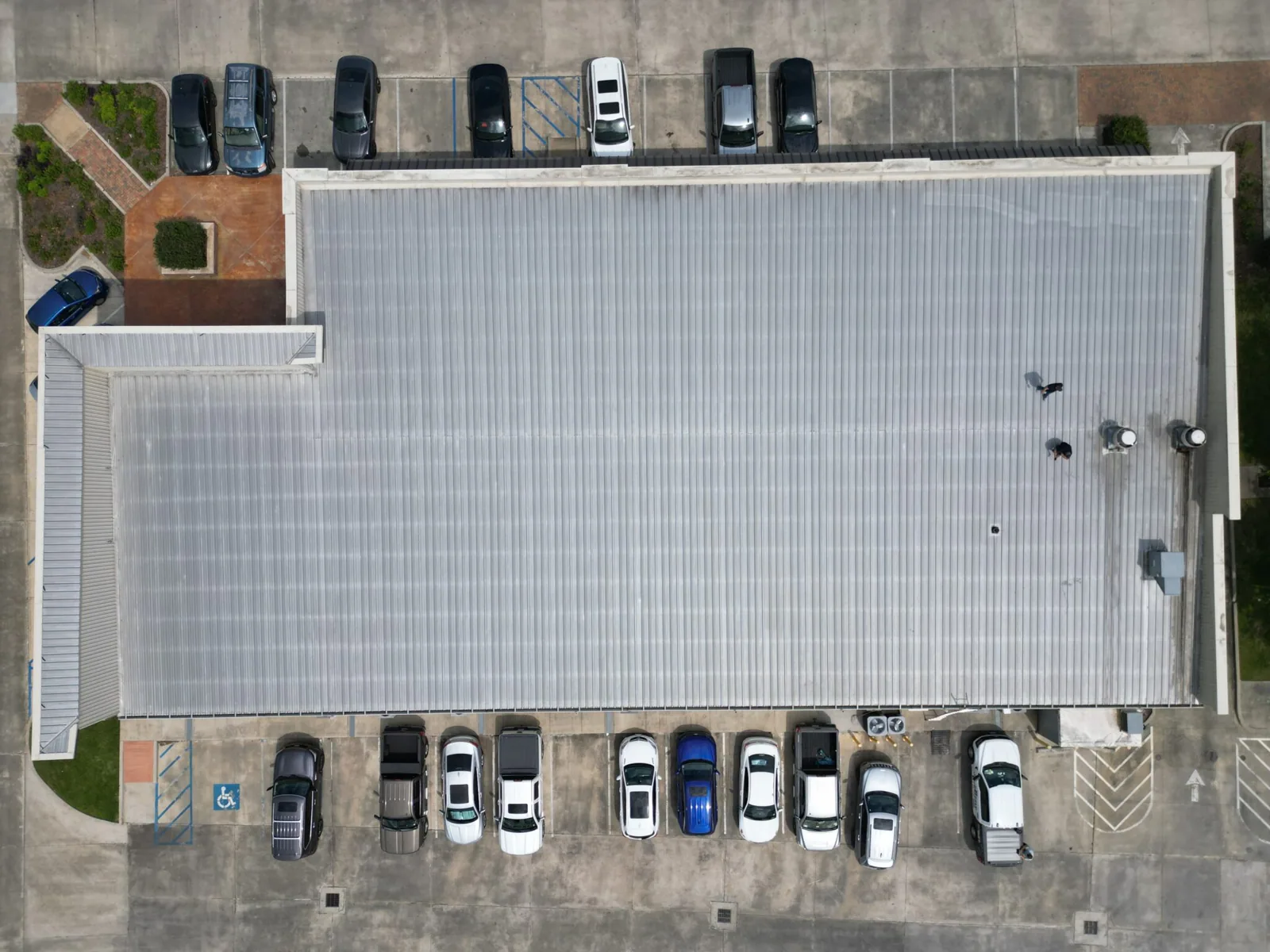
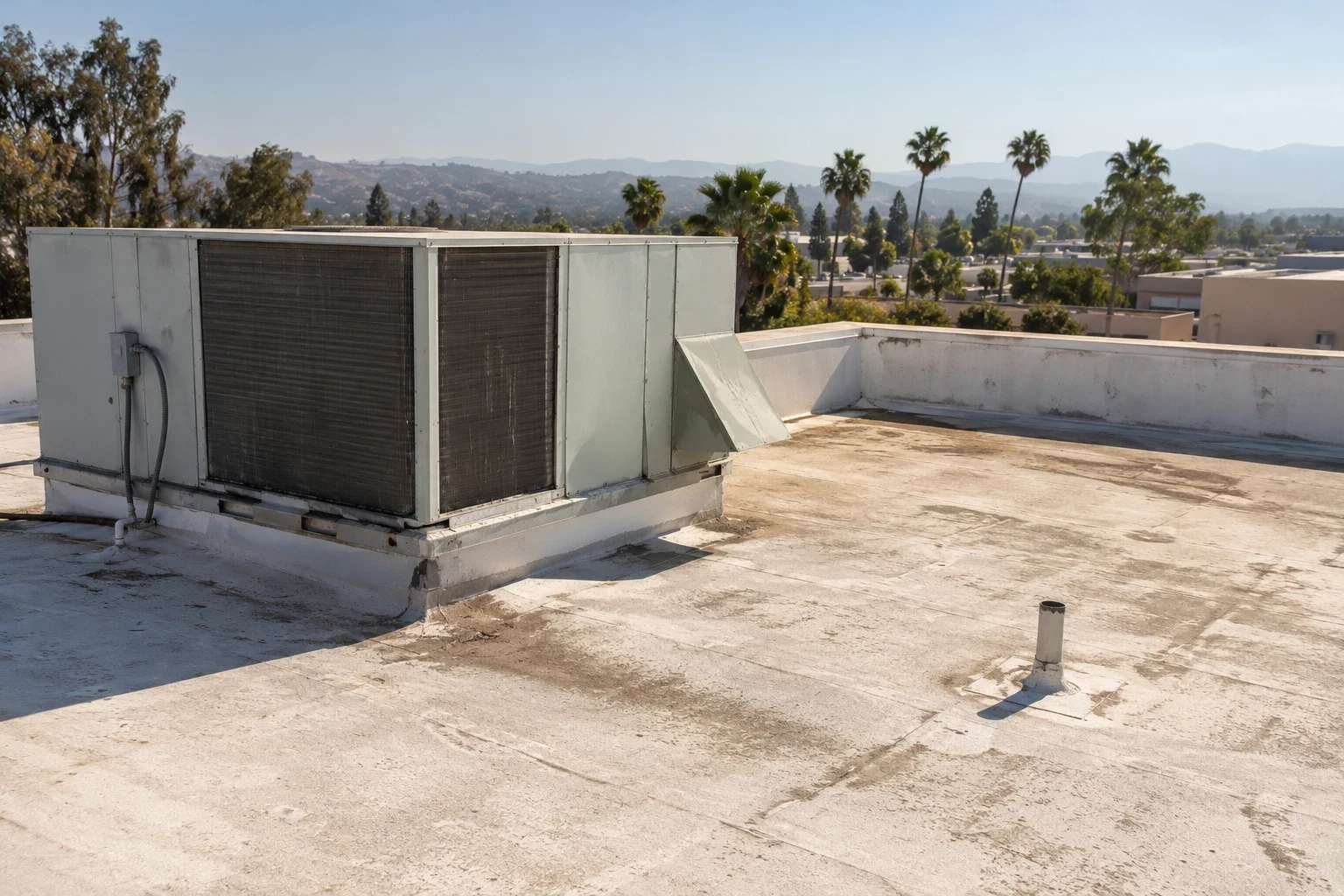
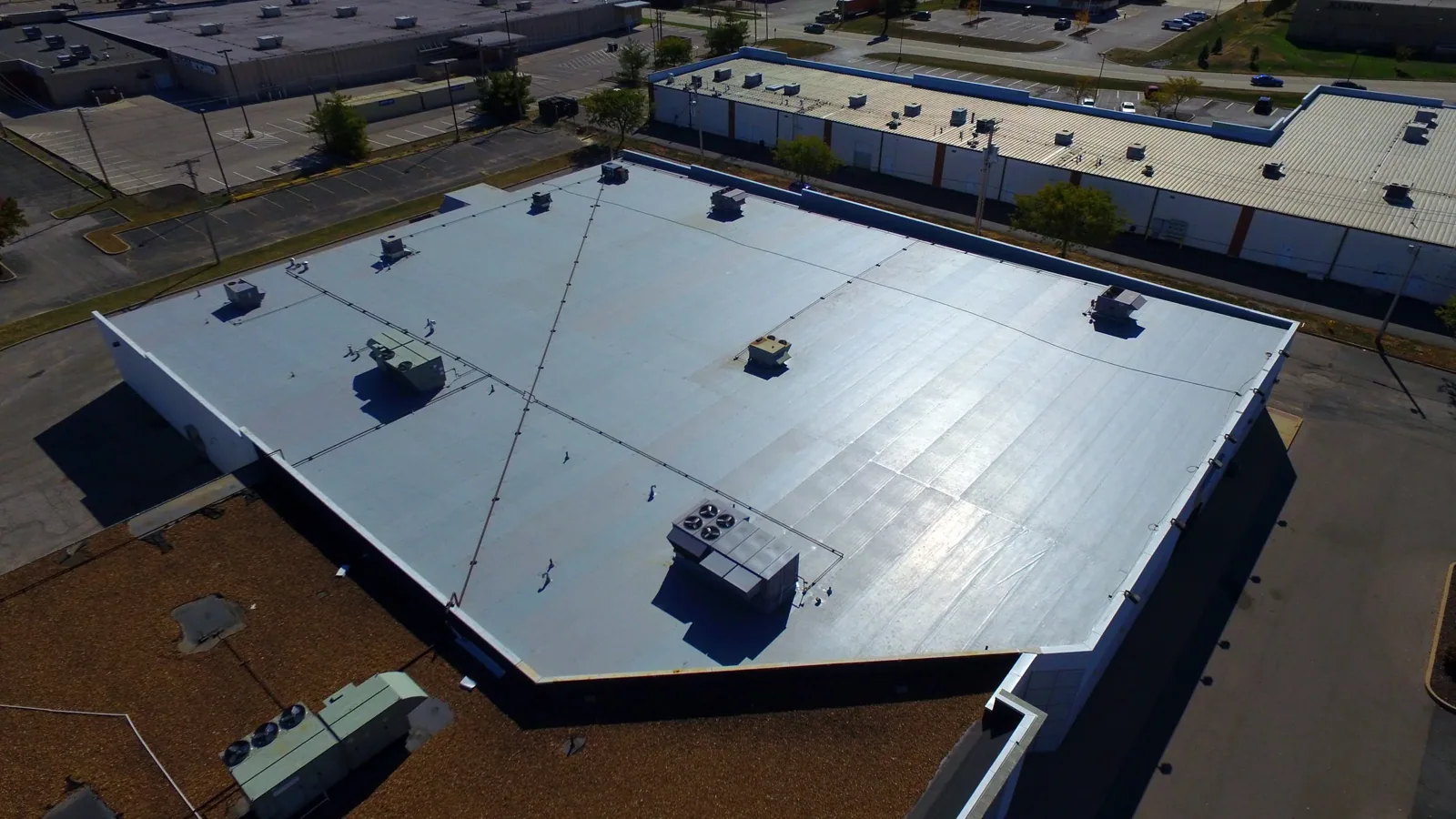
At the roof, note the apparent membrane or panel type, drainage arrangement, edge and wall transitions, penetrations, equipment curbs, and visible repairs. Mark each observation on a simple plan and attach photographs to the same zone labels. A view obscured by equipment, a locked suite, or a weather limitation should be called out explicitly. That boundary helps an investment team distinguish an inspected condition from a provisional allowance based on missing access.
For a multi-property review, keep the inspection method consistent while leaving the conclusions property-specific. A property manager’s operating record can supply access contacts and repair history; the acquisition file still needs its own dates, assumptions, and limitations. Avoid rolling one building’s visible issue into a portfolio-wide defect unless the same assembly and detail have actually been verified elsewhere.
Translate observations into diligence questions
Visible open seams, displaced edge metal, damaged flashings, blocked drains, or deteriorated sealant can justify closer review, but appearance alone may not reveal the full repair boundary. Trace plausible water paths from the reported interior area toward the roof detail. Check whether the location aligns with a penetration, wall transition, drain, or prior patch. When the path remains unclear, identify a targeted test or follow-up visit that could narrow the scope.
Separate present damage from maintenance items and future planning considerations. A confirmed leak may need prompt protection; an aged coating or isolated surface wear may call for a different decision. Concealed insulation or deck conditions can change removal quantities, so state the condition that would trigger an allowance or change order. Keep each finding linked to a location and photograph instead of assigning a portfolio-wide severity label without supporting observations.
A condition report can make these distinctions easier to compare across assets. For a building with active water, coordinate a commercial leak investigation and keep temporary dry-in work distinct from permanent restoration. The acquisition team can then decide which items require pricing before closing and which can remain in the post-close maintenance plan.