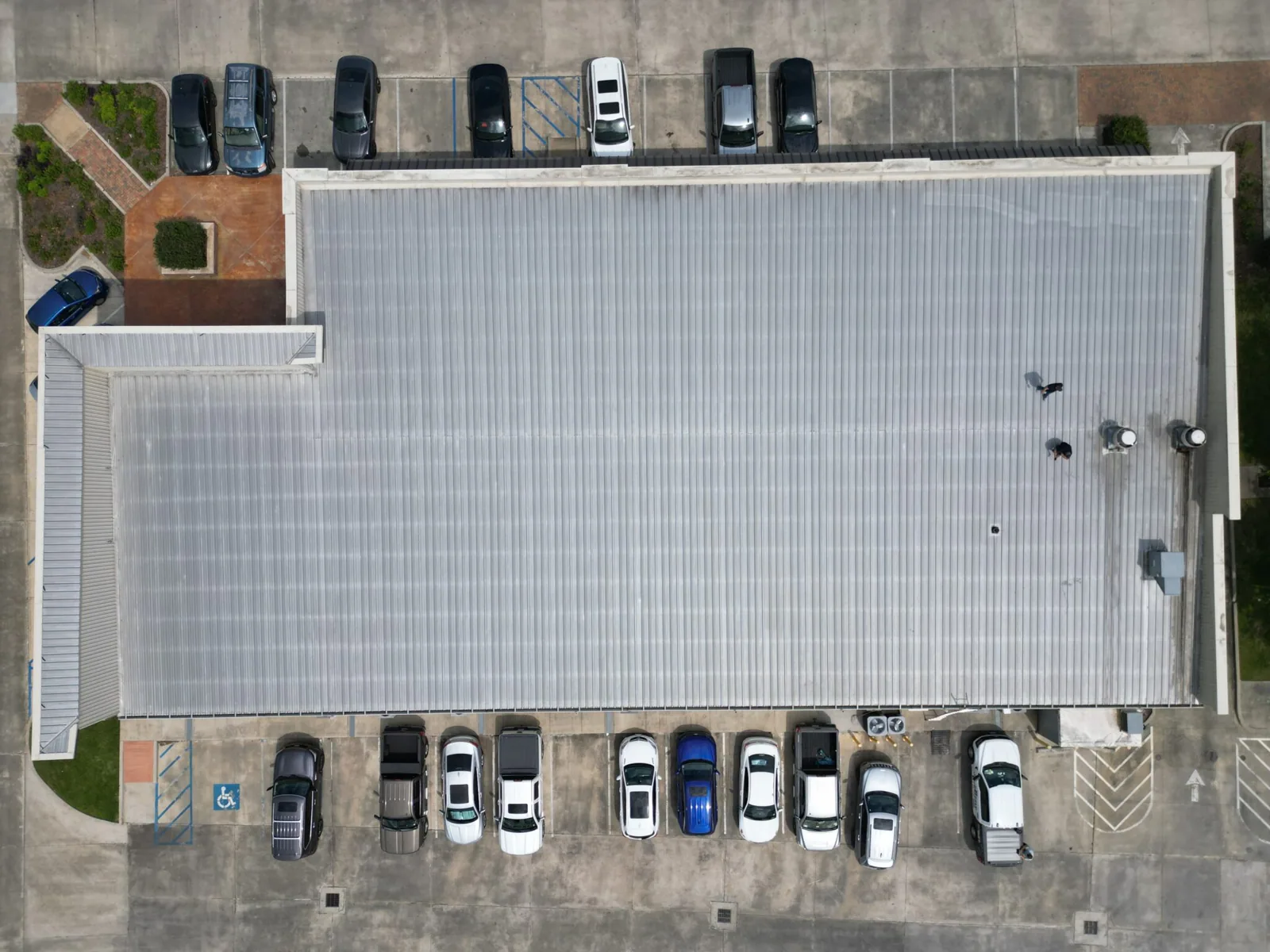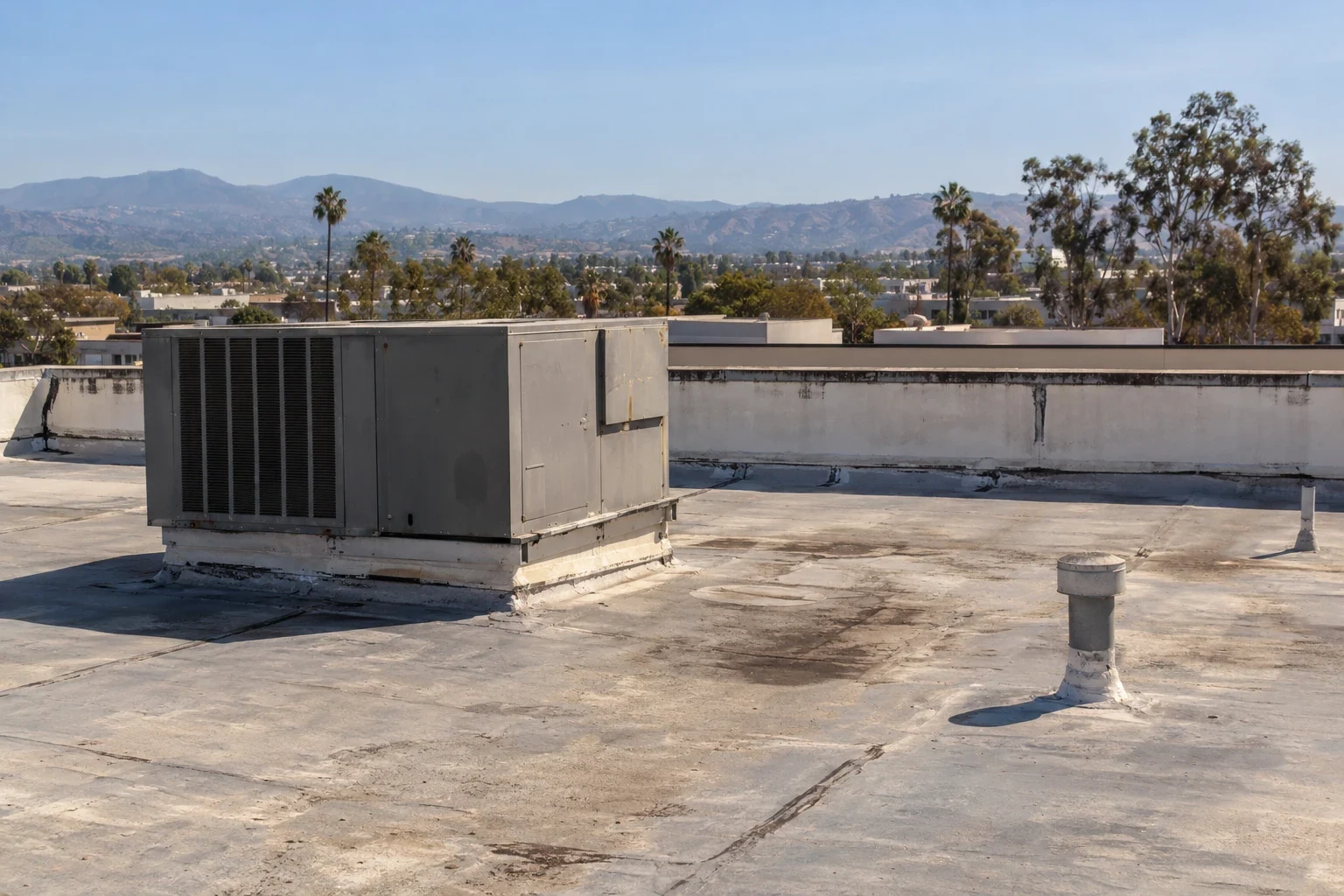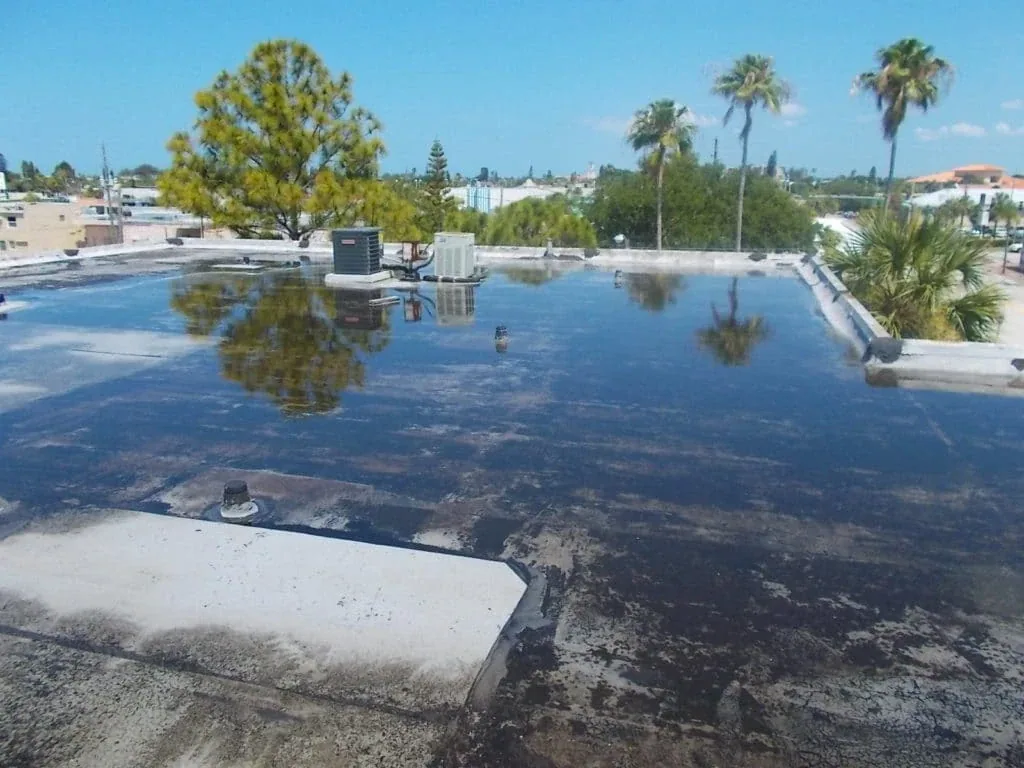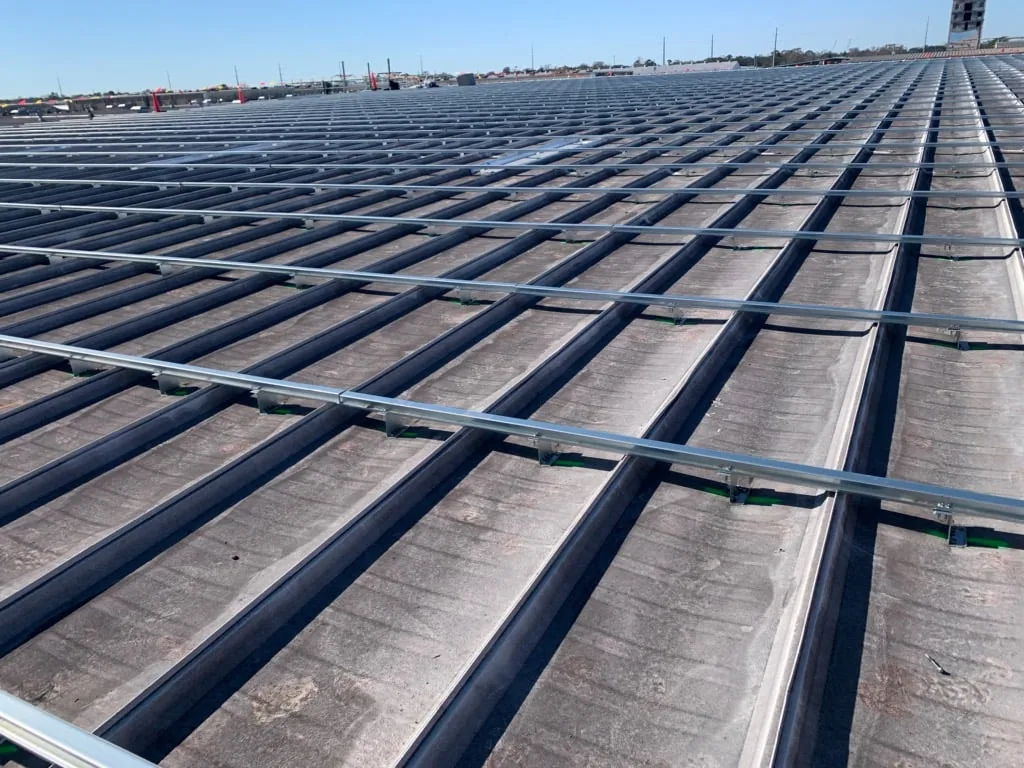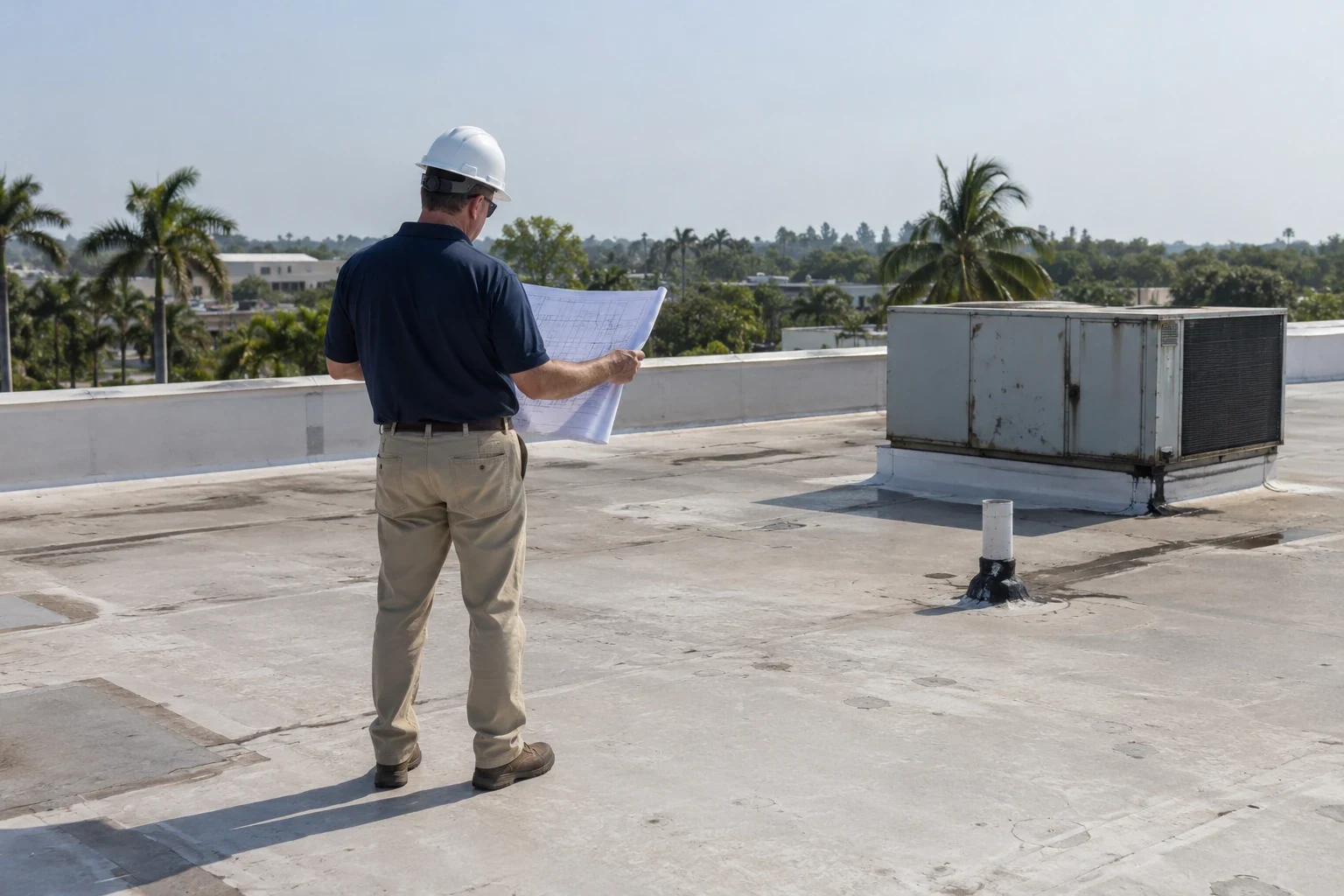
A roof survey for an acquisition or refinance should give the reviewer a clear view of what was inspected, what was found, and what could not be confirmed. We document accessible roof areas, visible conditions, system information where identifiable, and records supplied for review. The report separates a present observation from an estimate or a question for further testing. It does not replace a structural, environmental, code, or full building assessment. A photo-supported condition report can give the transaction team a common reference for follow-up.
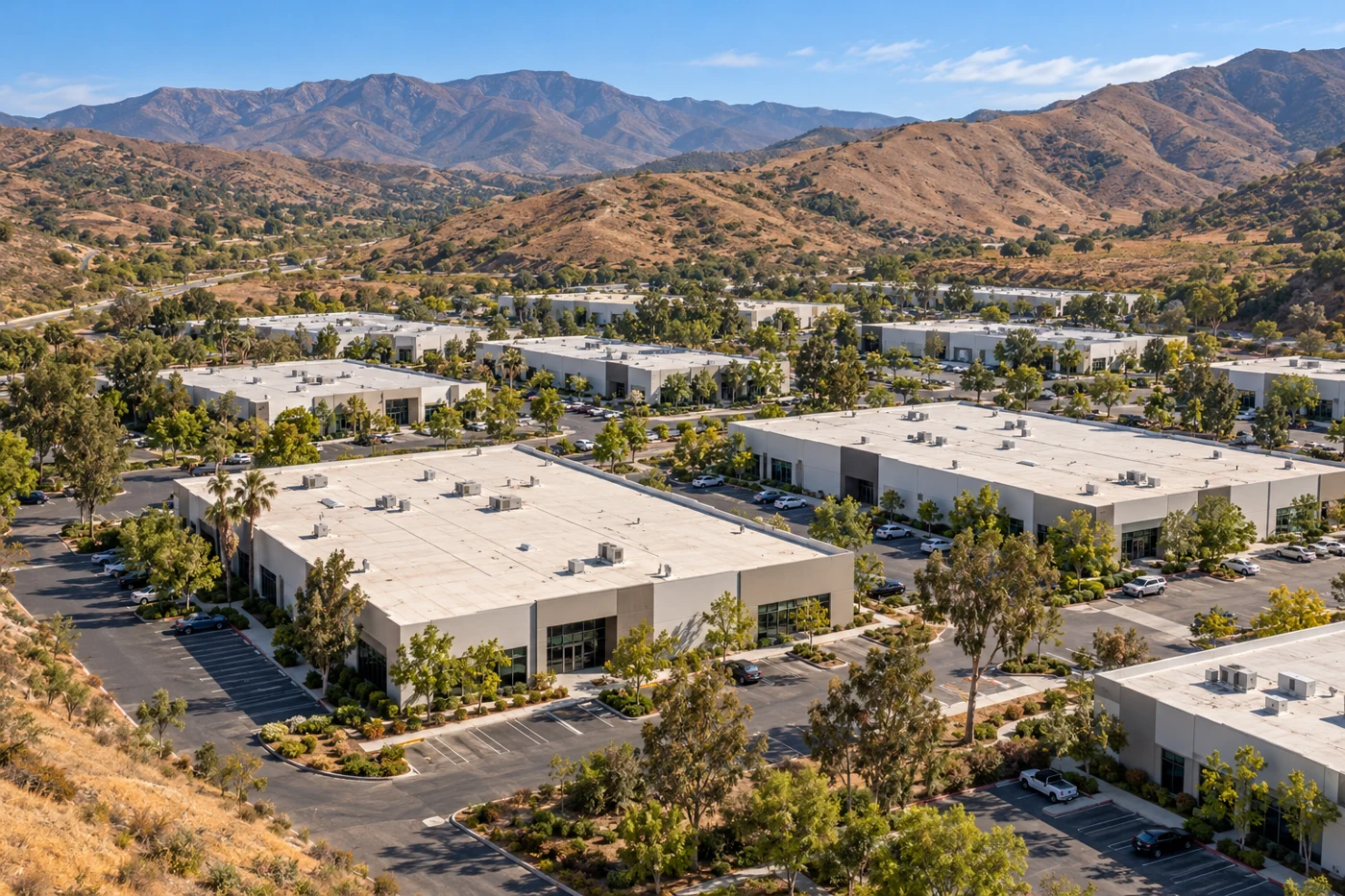
Site context helps arrange access and understand the property, but it cannot stand in for inspection. The City’s planning document notes office and technology-oriented industrial uses in the Tapo Canyon business-park area. That district context may help arrange a property list, but it cannot identify the assembly or condition of a roof under review. Each building still needs its own system identification, roof map, and record review. We coordinate with the owner or seller contact to confirm escort requirements, available plans, and areas that will remain inaccessible during the survey.
Set the survey boundary before the visit
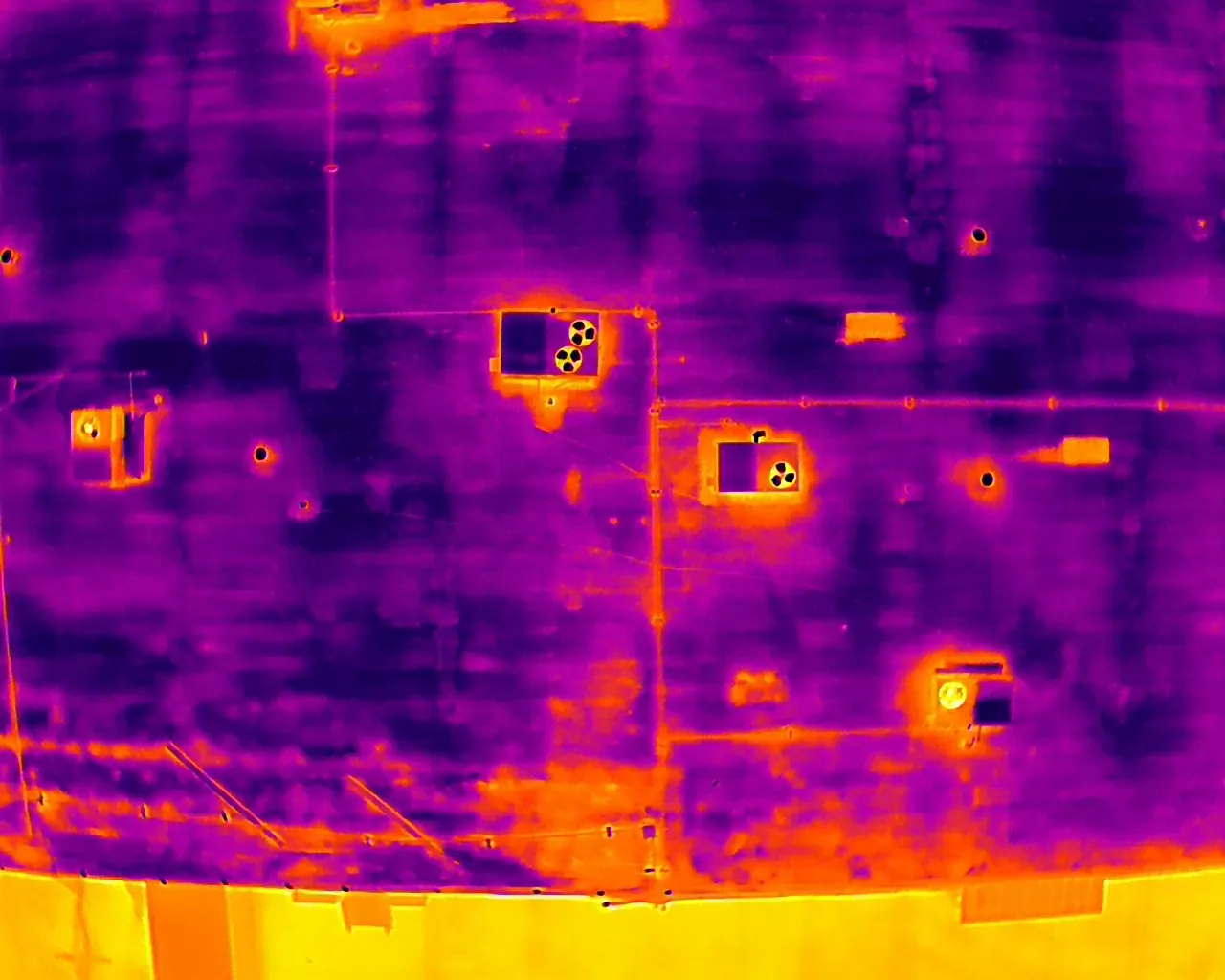
Confirm which buildings and roof zones are included, whether interior areas can be viewed, and what transaction deadline controls delivery. Ask for prior reports, repair records, warranty documents, roof plans, and known leak locations. Identify whether the request is for a visual survey or includes testing. A visual review cannot confirm concealed moisture or attachment. If those questions could change the decision, the scope should specify a moisture scan, test cut, or other investigation and the party responsible for approving it.
For a portfolio, keep property names and roof-zone identifiers stable across the request, Diligence Notes, and final report. The City's West End planning materials identify industrial development and business, research, office, and development parks in that area. Those broad uses may help organize the property list, but they do not prove what system is on a roof. We use the actual facility record to distinguish the asset under review from neighboring parcels or similarly named buildings.
Document visible conditions and access limits
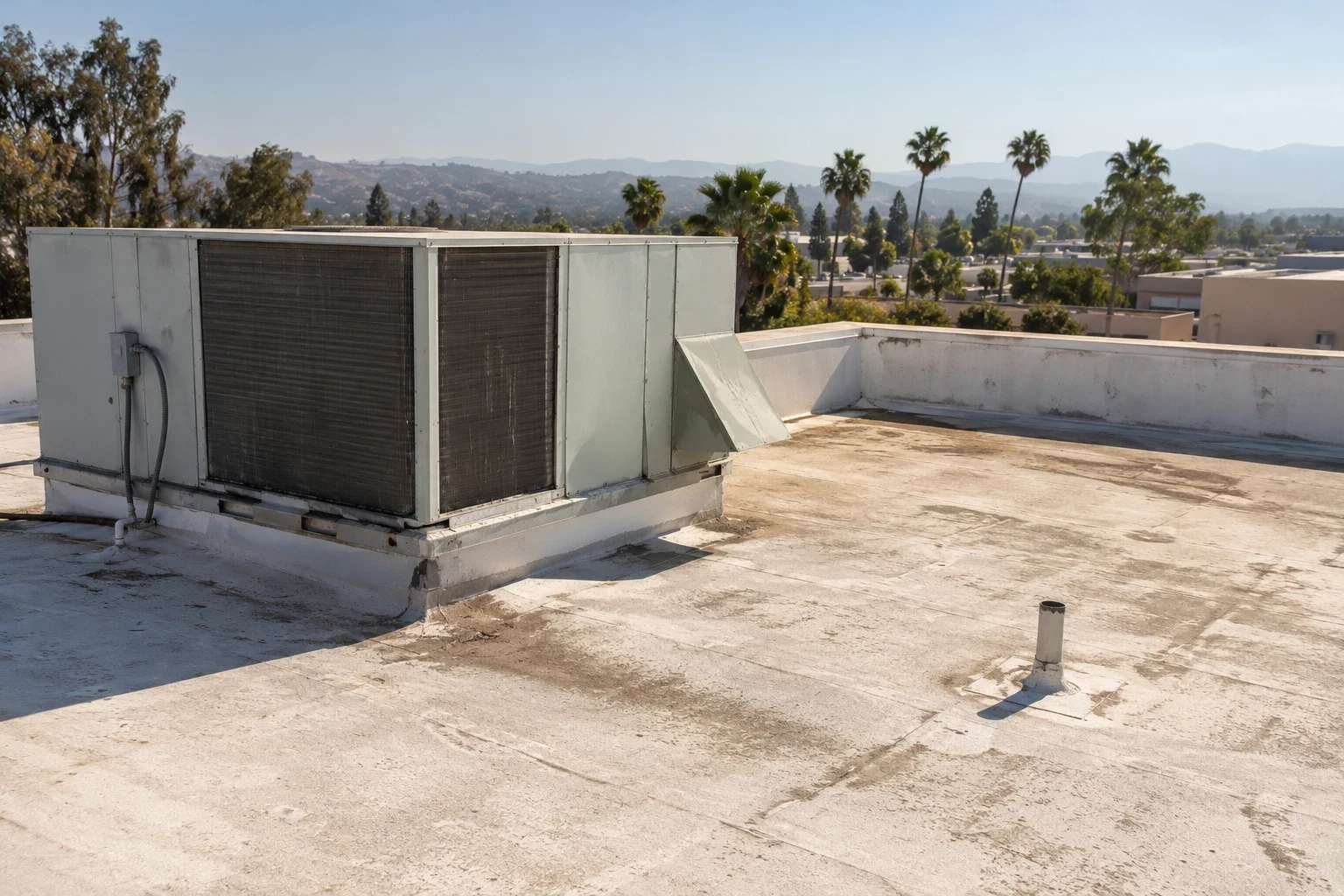
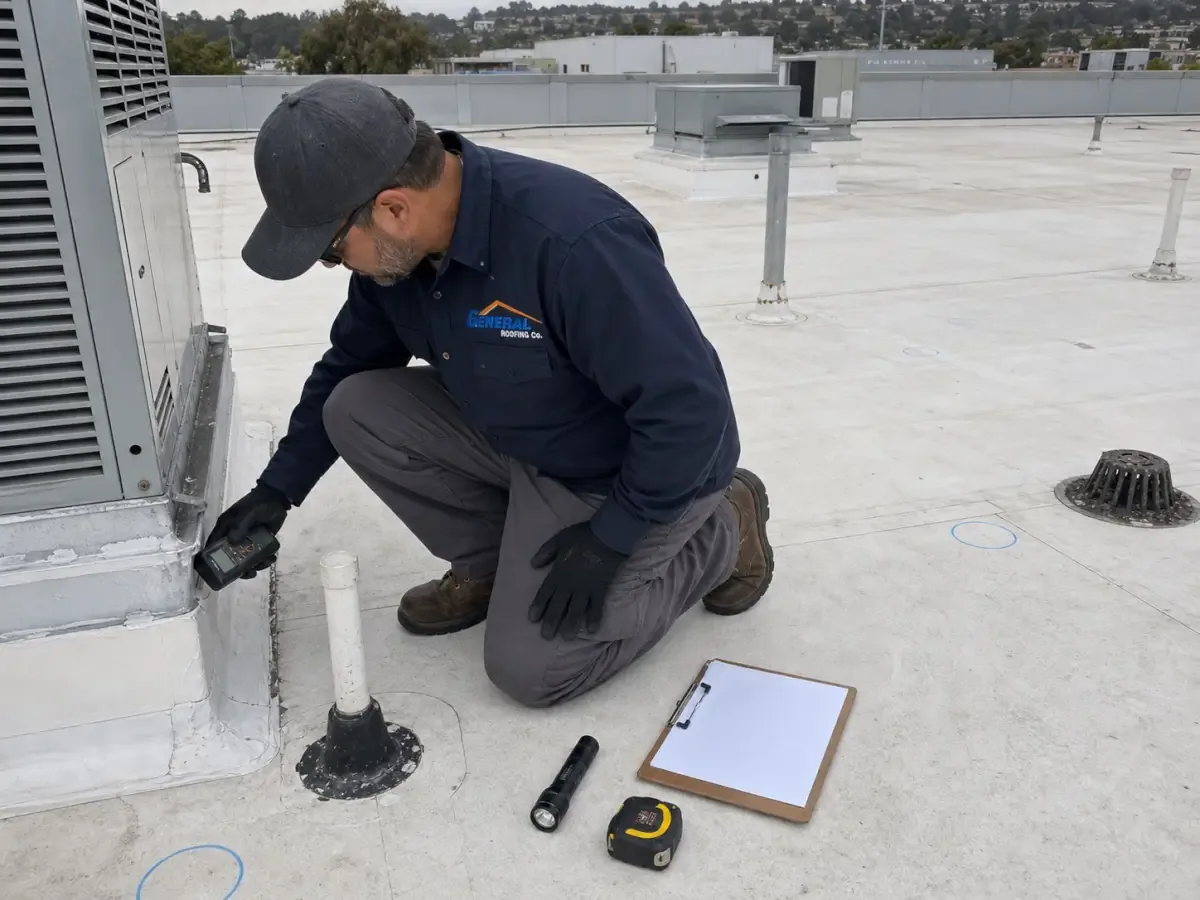
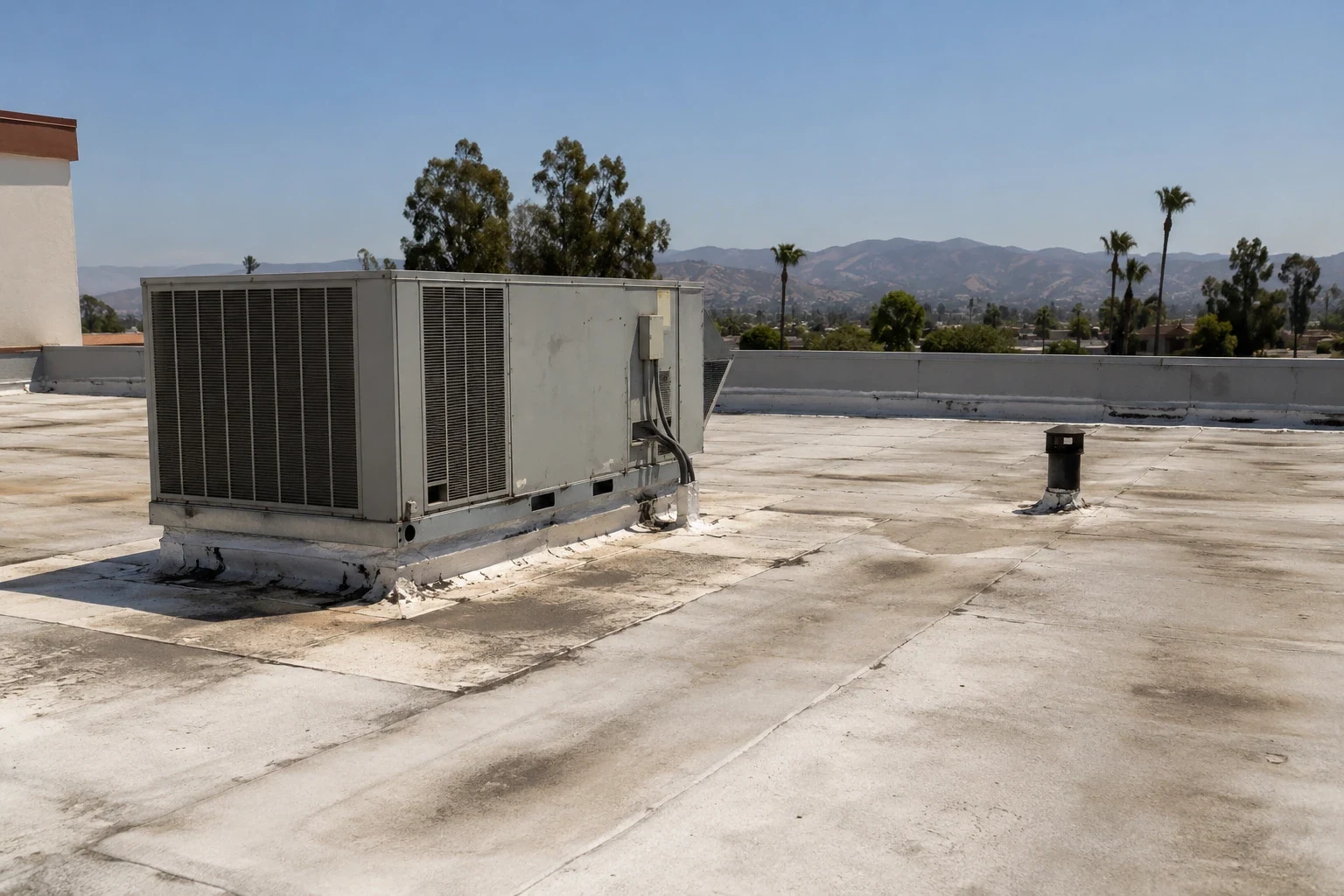
During the survey, record accessible field membrane, seams, perimeter conditions, flashings, penetrations, drains, walk paths, equipment, and visible repairs. Photograph each observation with a close detail and a location view. Note whether water was present, whether debris restricted drainage, and whether a detail could be reached safely. Do not state that the whole assembly is sound based on a limited surface review. Mark an inaccessible area, uncertain material, or untested concern where it appears in the report.
A water stain inside a suite may help direct a roof review, but it does not by itself identify the source. Compare the reported location and date with accessible roof observations and preserve any conflict in the findings. Our asset record can connect building names and roof zones over time. A moisture survey can be discussed when the visual evidence leaves a material question unresolved.