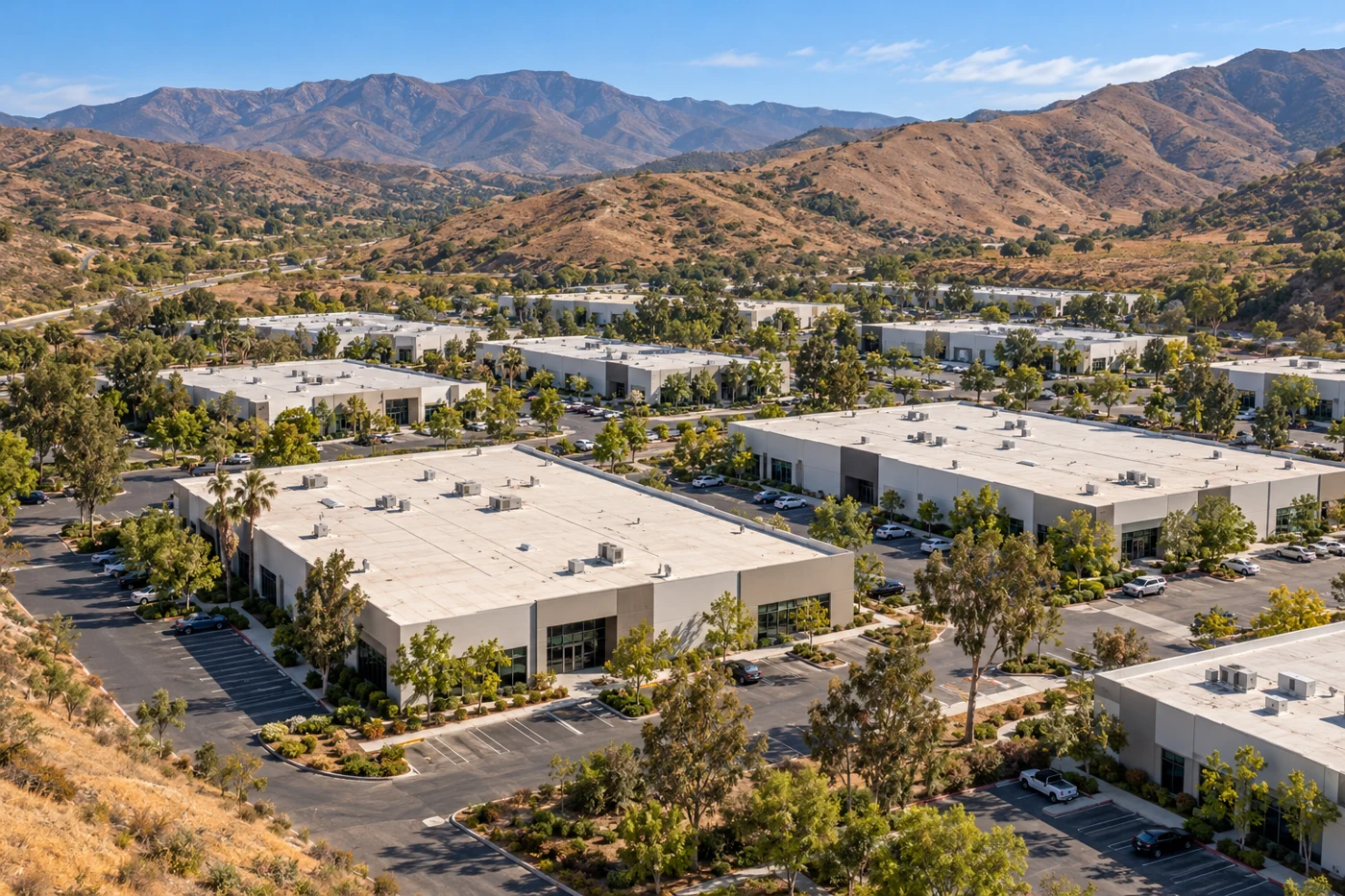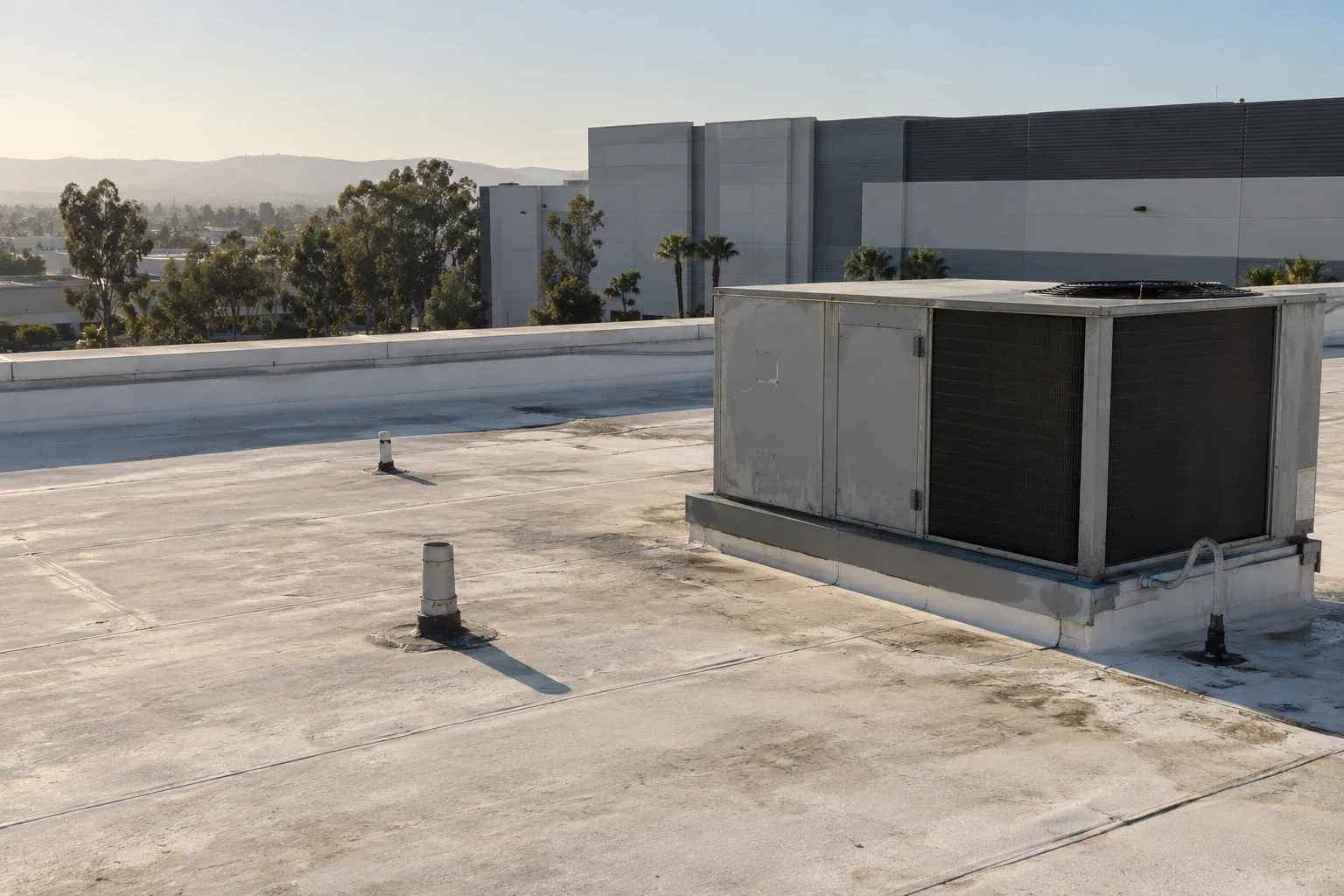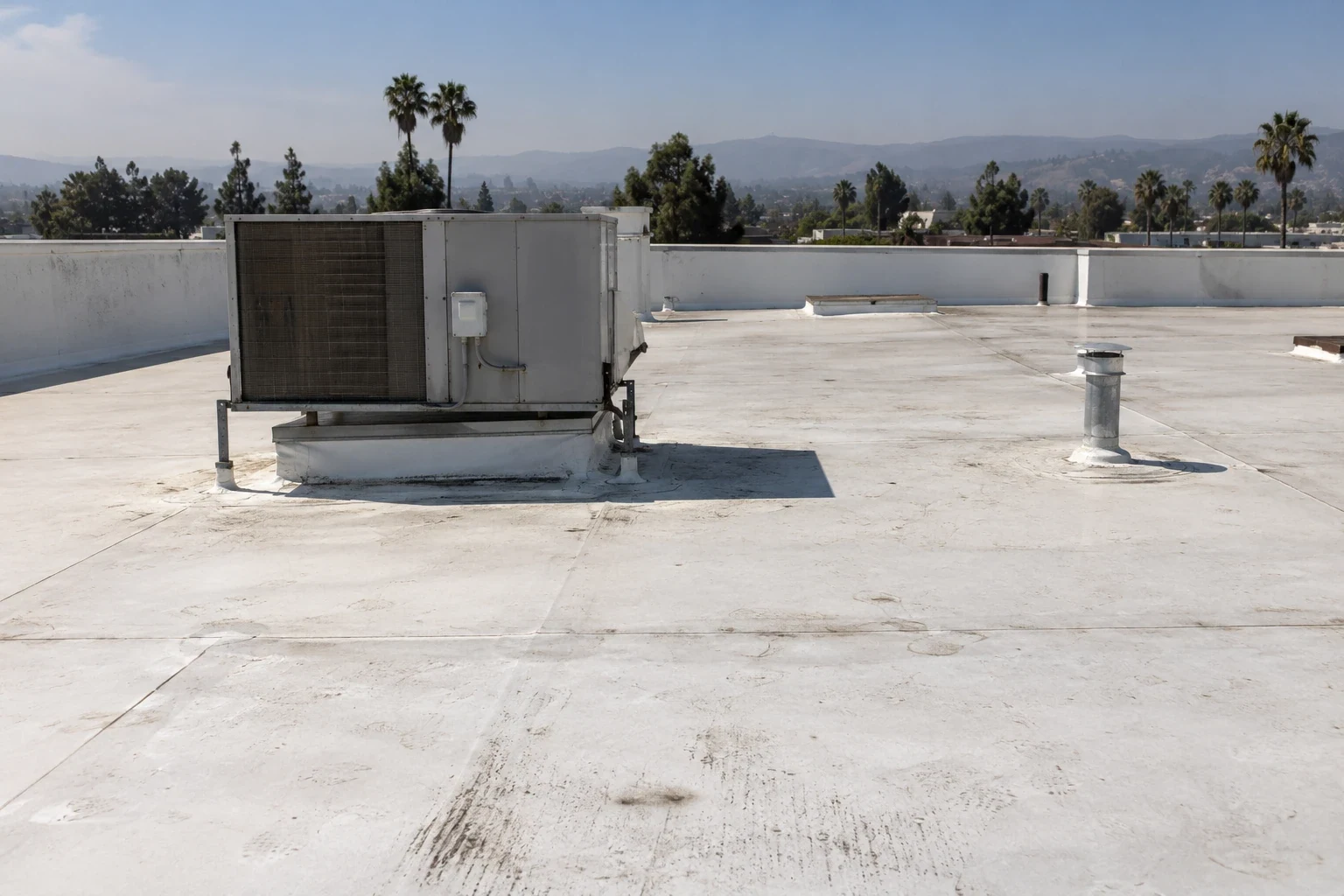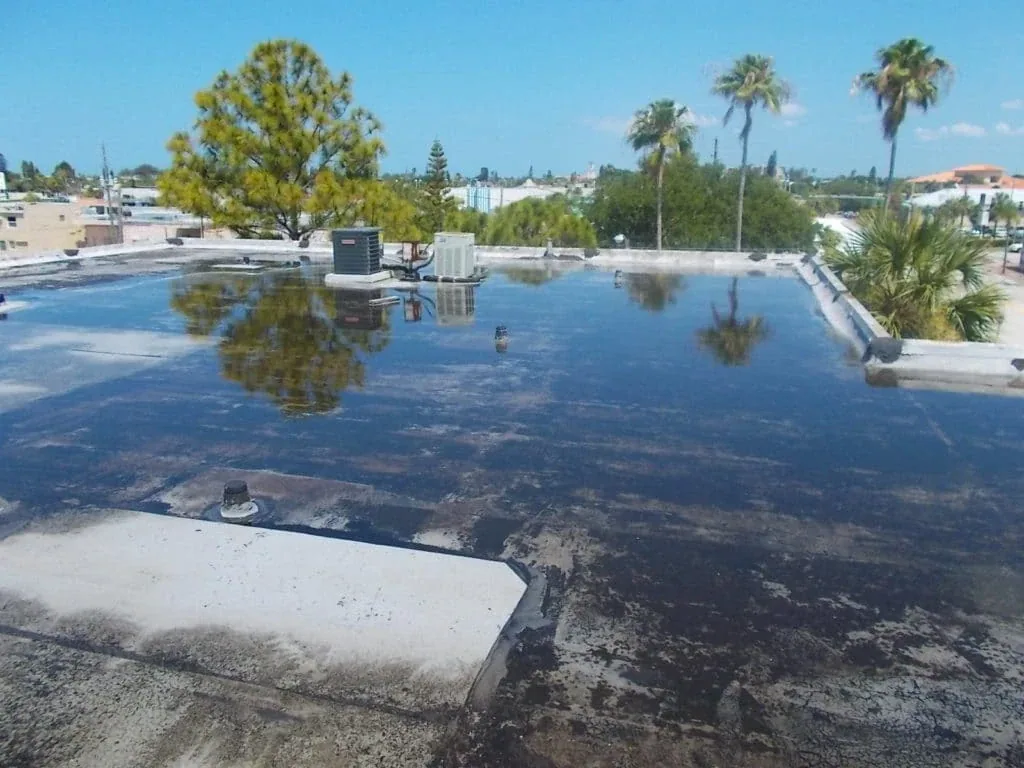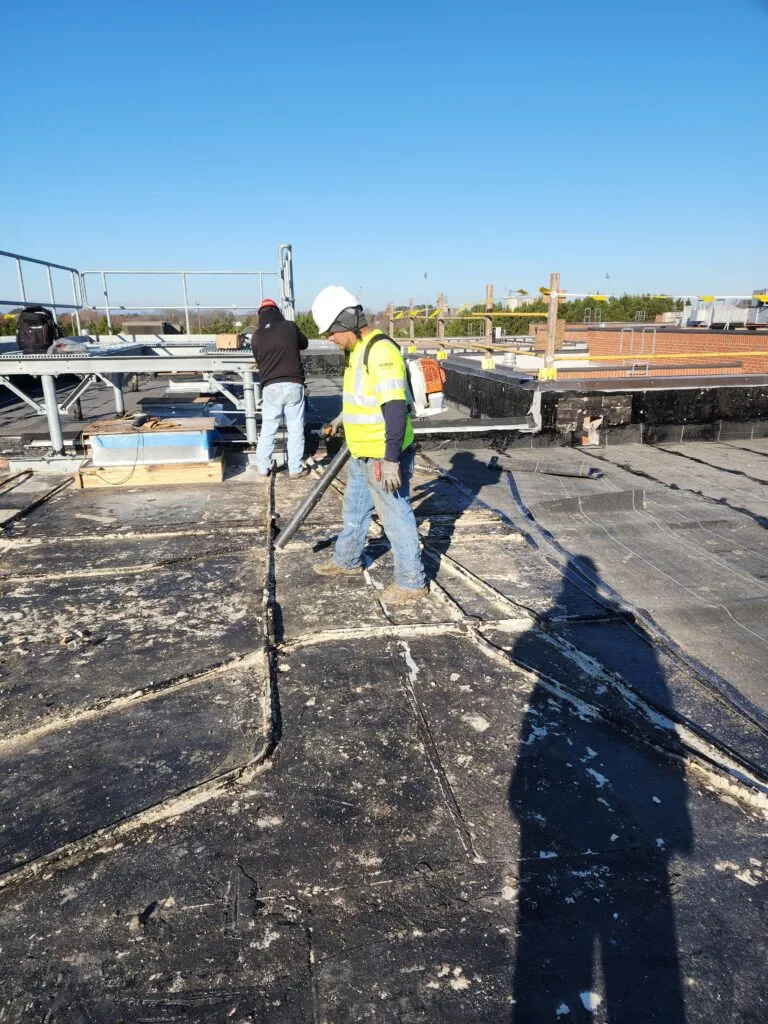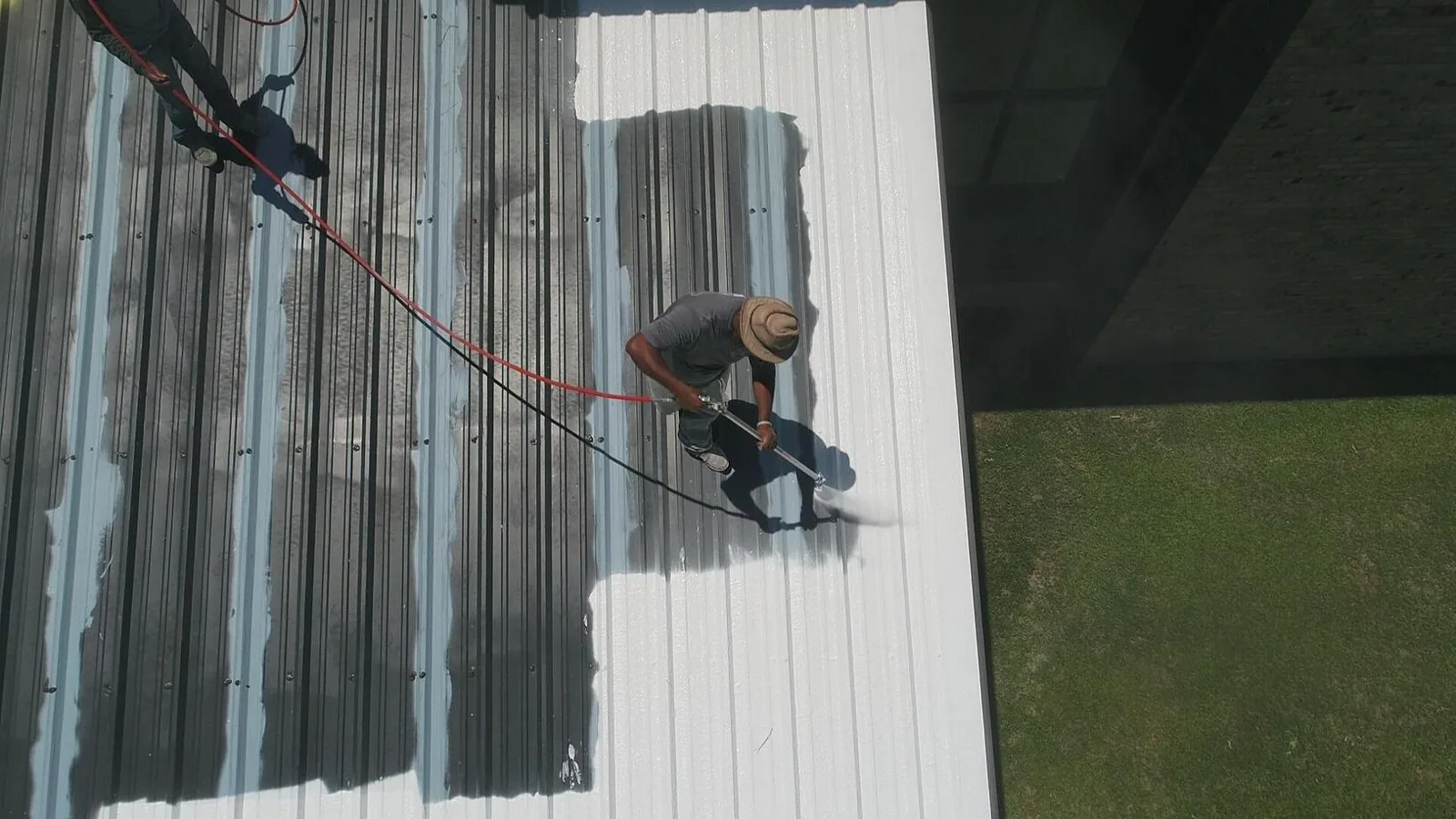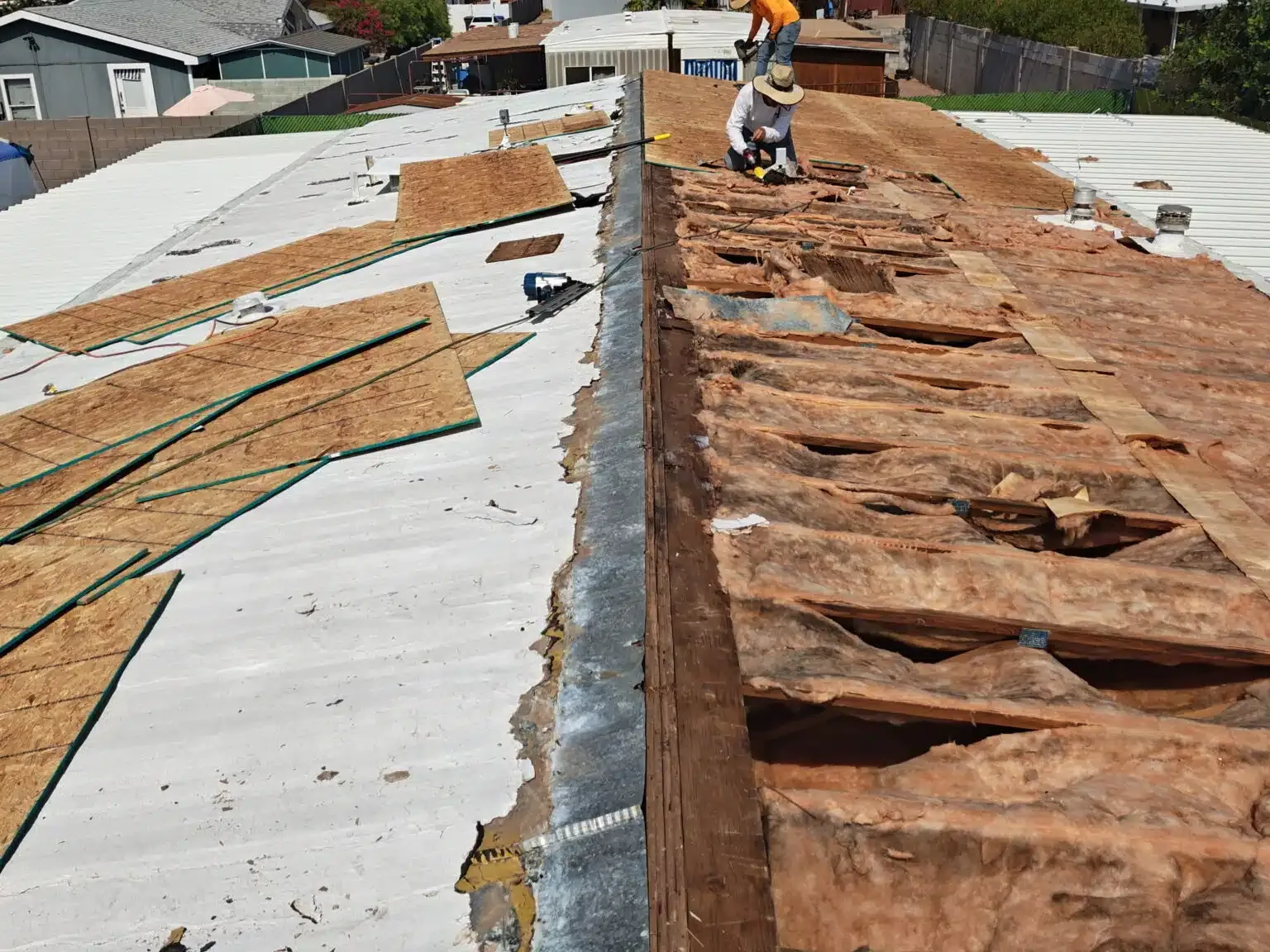
A roof at Tapo Canyon Business Park in Simi Valley, CA needs an inspection plan that respects the building's actual use, access points, and assembly. The General Plan EIR places the business park in southeastern Simi Valley near Tapo Street and Los Angeles Avenue. The City describes business parks of this kind as medium- to large-scale buildings in a landscaped setting that may contain offices or high-technology industrial uses. Those descriptions help frame access and operating questions, but they do not establish a particular property’s tenant, roof type, or condition. We begin with the membrane, drainage, penetrations, and edges we can inspect, then define what the evidence supports. A commercial roof inspection records the roof zone, reported concern, photos, and next decision before repairs are priced.
Map the access before opening
A business park visit starts at the site entrance, not with an assumption about where a crew can work. The facility contact confirms roof access, escort or check-in requirements, ladder or hatch location, and any restrictions around equipment. We also note which doors, loading areas, and service routes must stay clear. Tapo Canyon Business Park is near Tapo Street and Los Angeles Avenue, according to the city planning record; that location is useful for identifying the district, not a substitute for a delivery or staging plan. We verify the conditions with the property manager and avoid placing material or equipment until the work area is agreed.
Read the field and seams
The membrane field shows wear differently from its details. We look for open seams, punctures, displaced ballast where present, surface abrasion, and patches that no longer meet the surrounding material cleanly. Each observation is tied to a roof zone and photographed at a scale that can be revisited. When a leak is reported, we compare that location with the nearest seam, penetration, edge, and drainage path. Water can travel beneath a membrane before it appears indoors, so the stain and the roof defect may not align. The report records the likely path and the evidence still needed before the repair is widened.
Heat exposure belongs in the inspection discussion, but it does not diagnose the roof. Simi Valley’s General Plan projects hotter maximum and minimum temperatures over time and more days above 97.2 degrees. On a particular building, the relevant questions remain material condition, seam performance, surface adhesion, and whether insulation is wet. We inspect those points directly instead of attributing a split or blister to a single cause. If records identify an existing TPO assembly, the repair method must suit that membrane and its seam details; if the system is uncertain, we document what can be confirmed before selecting a compatible material.