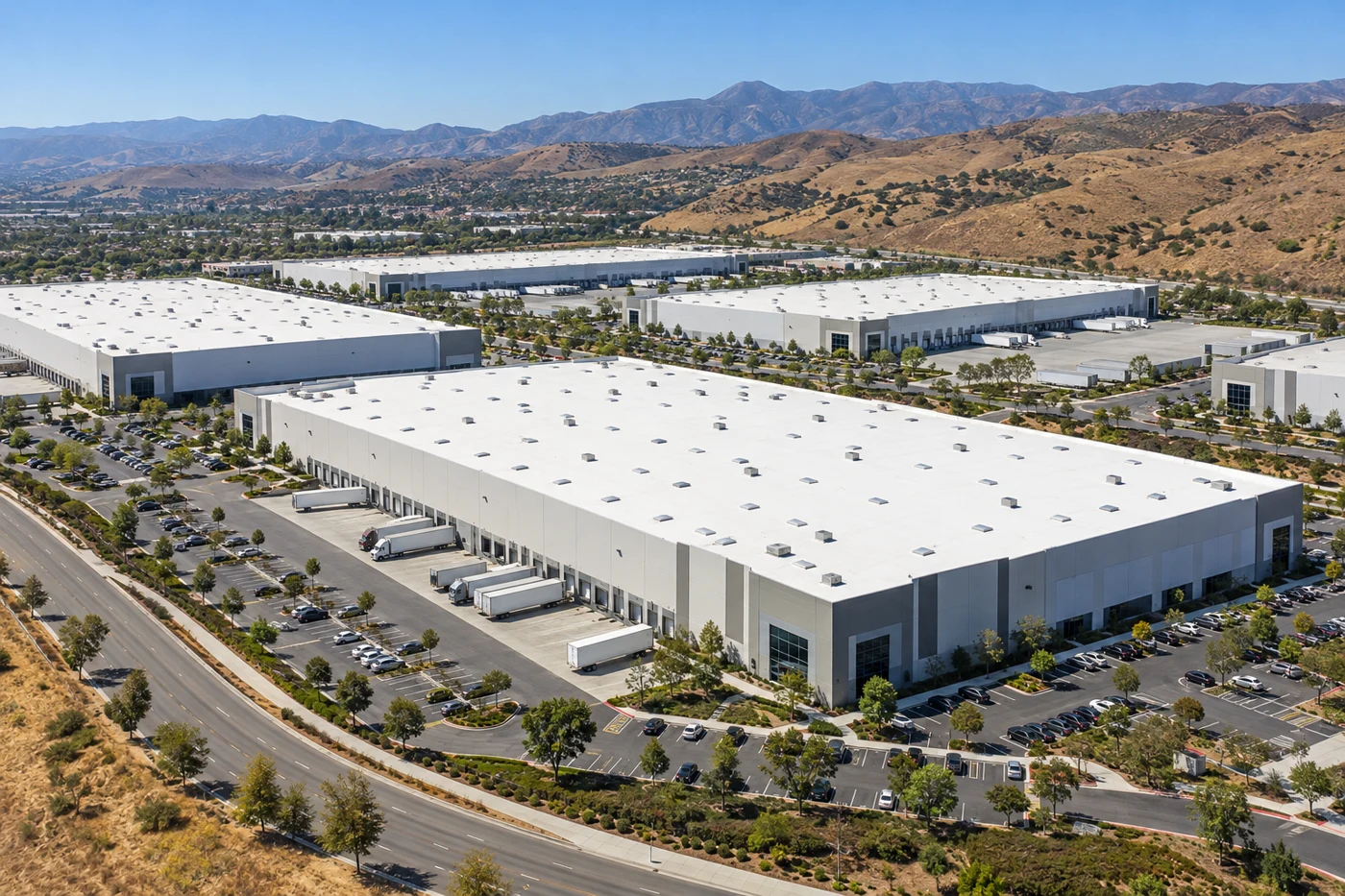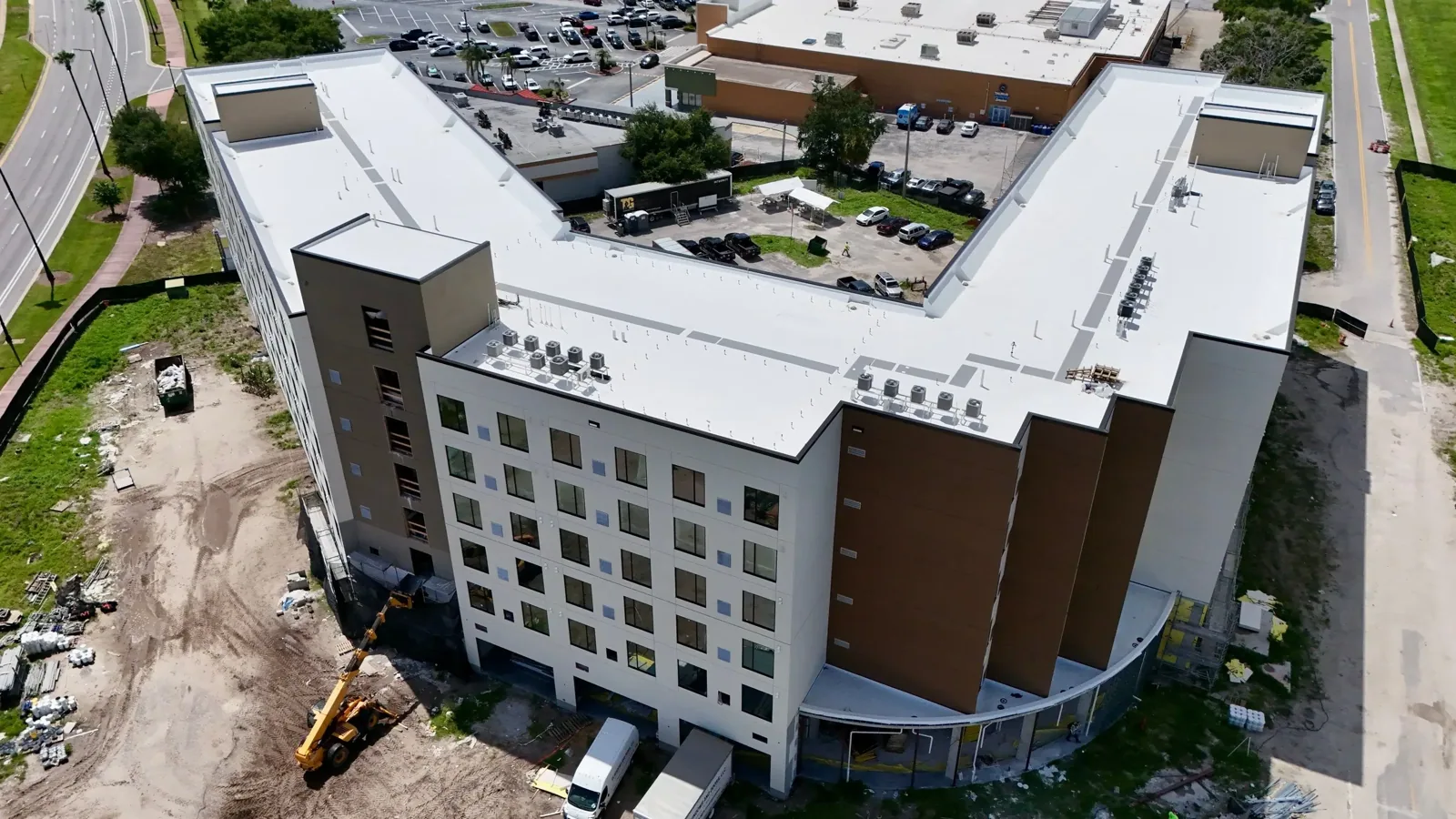
A drip line over a production aisle can interrupt work before the roof leak is located. At a manufacturing plant in Simi Valley, we map the interior report to curbs, exhausts, drains, and roof seams, then identify equipment and access constraints. The water path may cross a roof bay before reaching the floor. We record which operations sit below a proposed opening and who can approve a change to the work boundary.
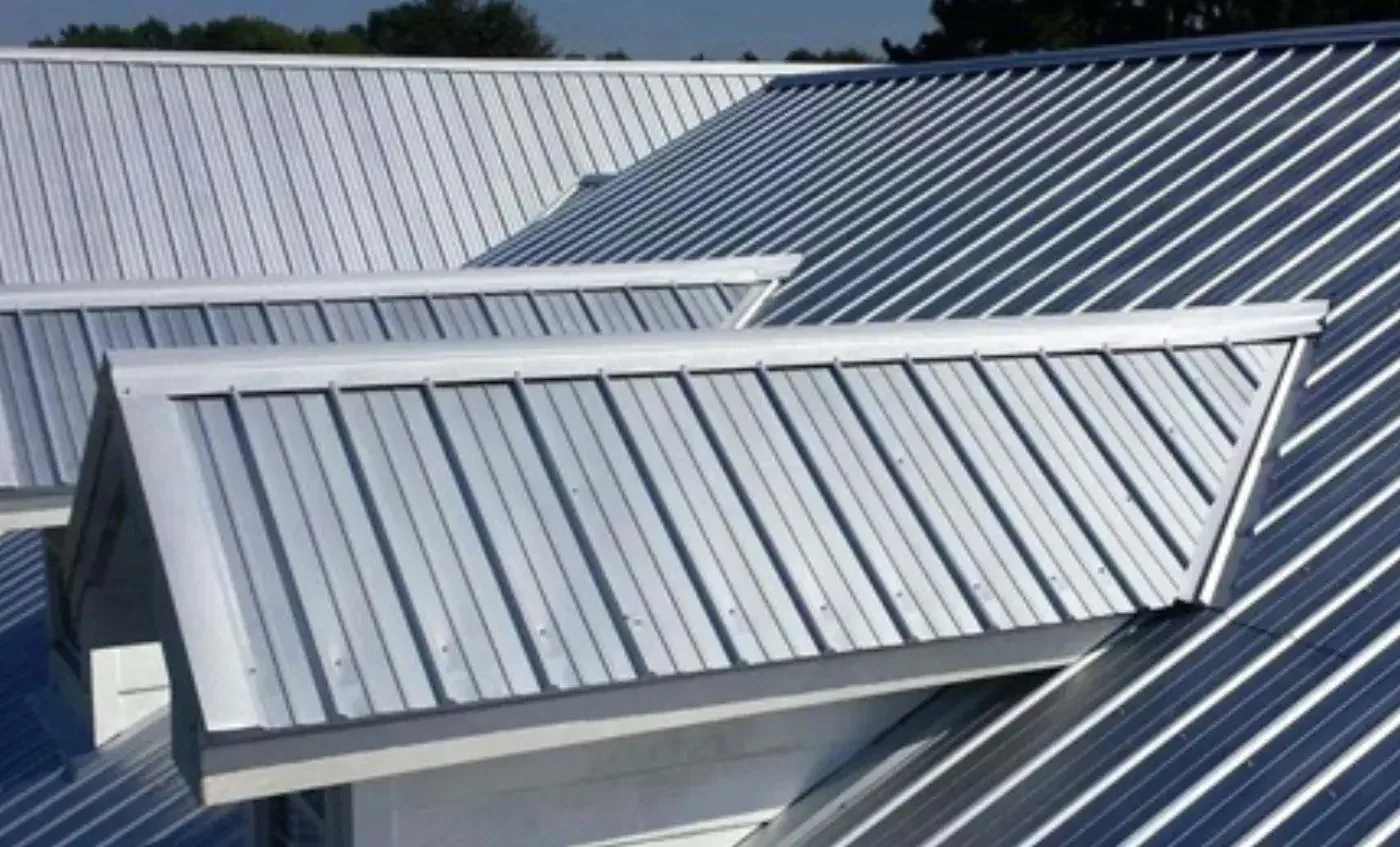
The City lists aerospace, commercial aircraft, defense, warehouse, and general manufacturing among local business sectors. That industry context makes rooftop equipment and operating schedules worth confirming, not assuming. Simi Valley's hotter summer projection also makes movement at exposed seams and flashings part of the inspection. We examine the installed system and prepare a roof inspection scope tied to the plant's actual roof zones.
Locate process equipment and service routes
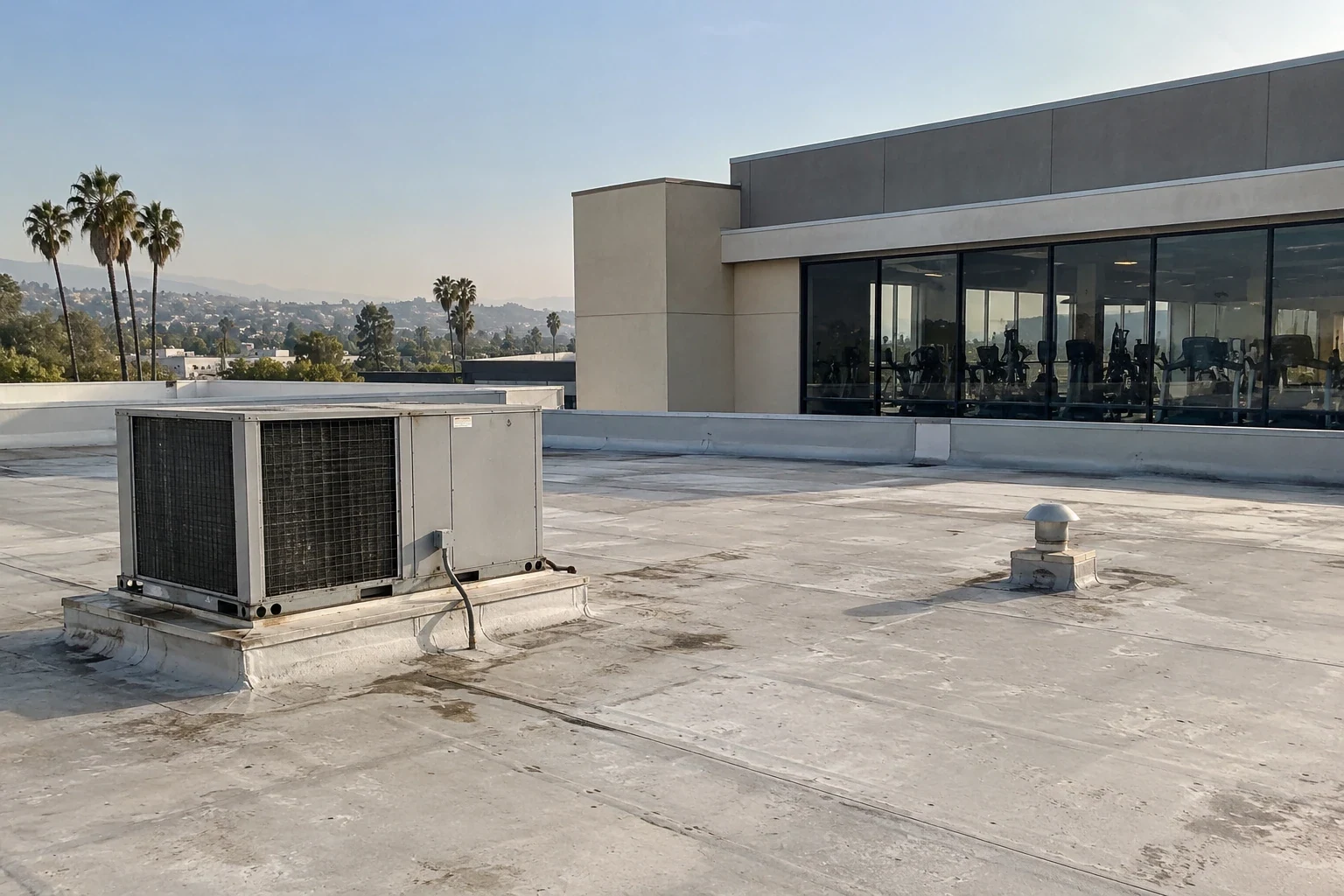
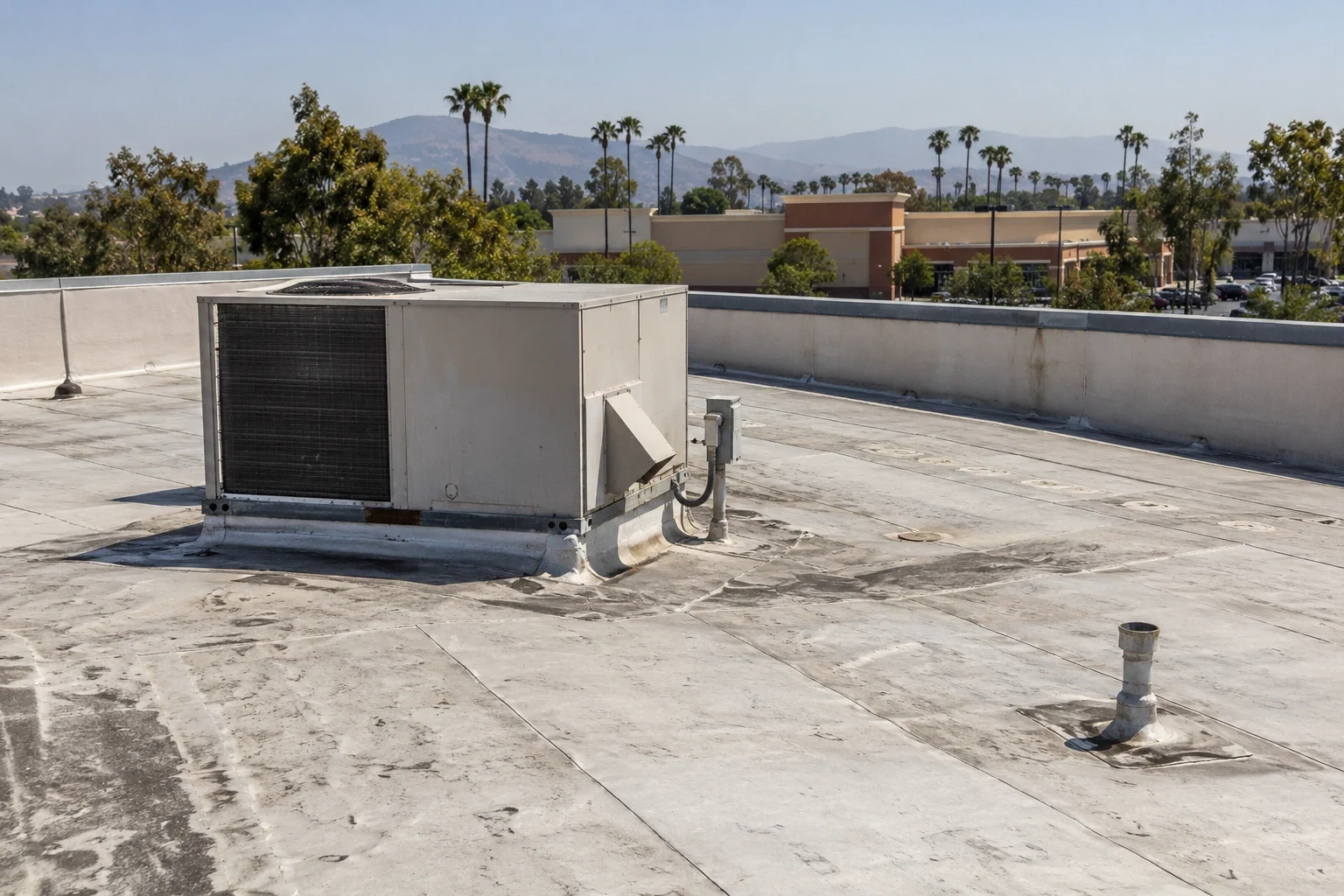
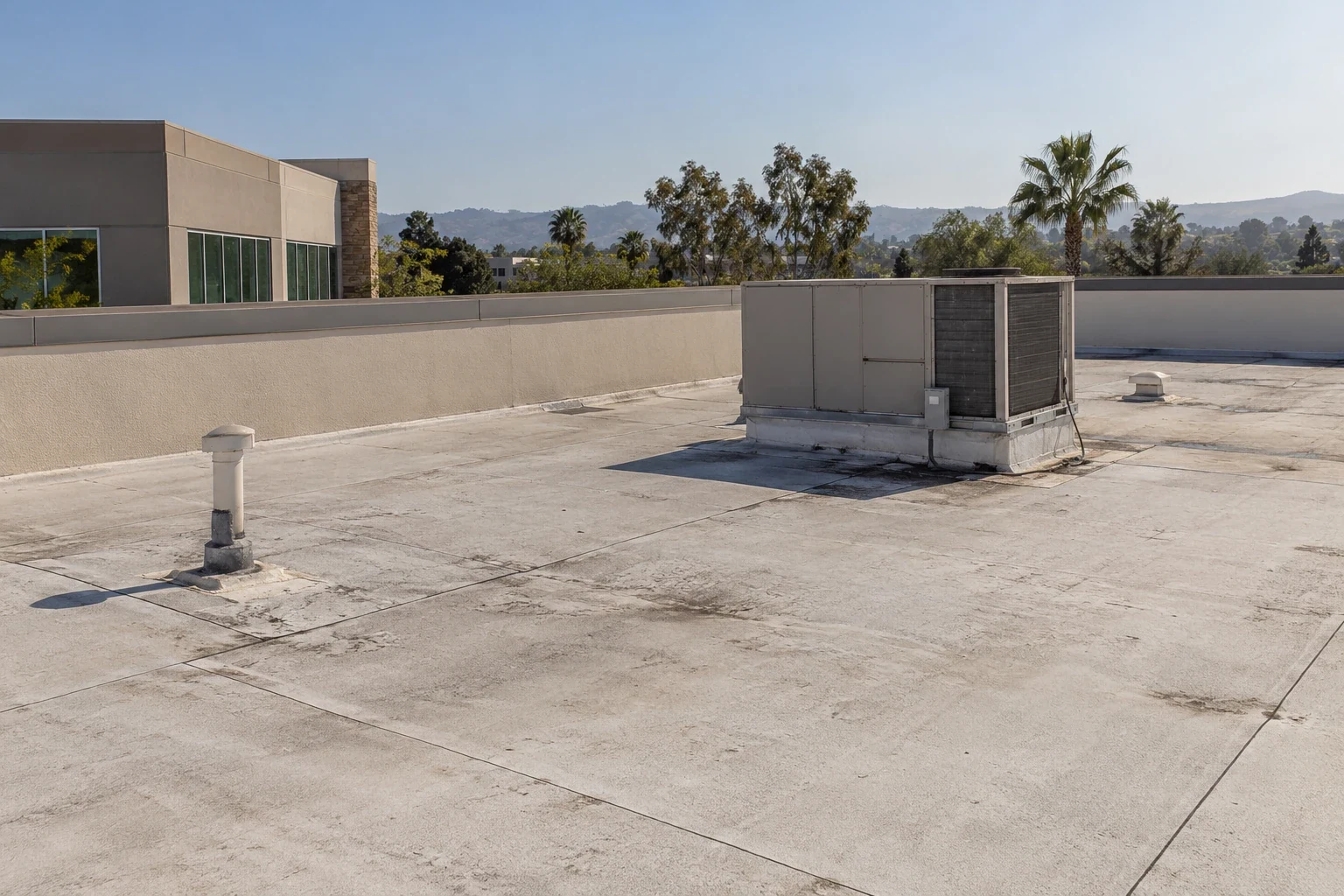
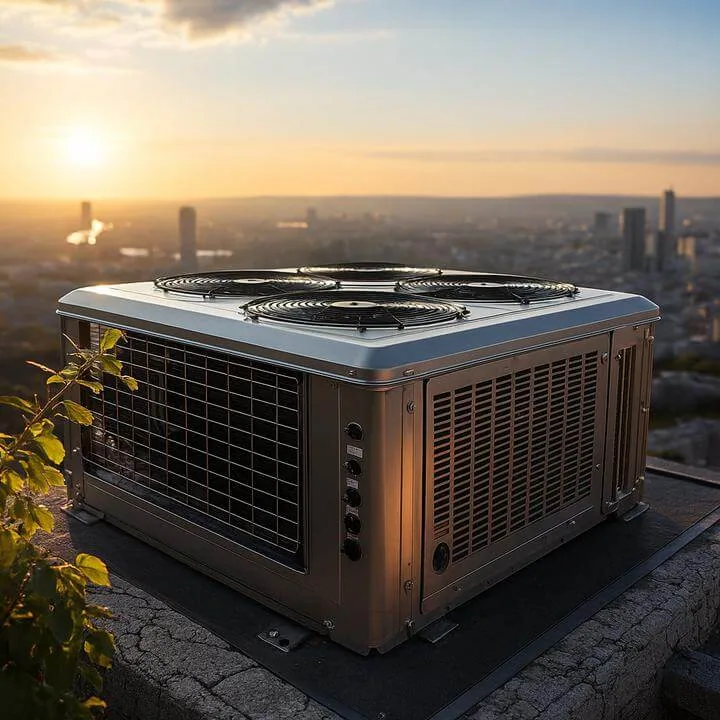
Exhaust stacks, intake hoods, conduits, supports, and roof-mounted equipment can set the access path for an inspection. We locate each item and check the curb, flashing, support attachment, and clearance around it. A loose equipment curb may admit water even when the field membrane remains intact. Where another trade must disconnect or isolate equipment, we define that coordination before removing roofing material. We also verify that temporary protection will not obstruct overhead handling paths, sensors, or equipment servicing. The facility approves any isolation or shutdown before the roofing crew begins.
We separate the equipment issue from the roof scope. A vibrating unit can stress its curb or support, but the roofing repair cannot correct a mechanical mounting problem. We document the visible condition, point out the coordination needed, and keep the membrane work within a boundary that can be restored. A curb and equipment support review identifies the roof connection, not the machine's internal condition.
Process exhausts and piping supports can create separate roof details across one production area. We inventory each penetration, note clearance and attachment conditions, then ask the facility which systems require a trade escort before work is scheduled.
Separate process zones from roof zones
We divide the roof into areas with distinct drainage, equipment, and membrane conditions. A leak near one production line may correspond to a seam, a curb, or an upstream drain path. Each report goes on a roof-zone map with its interior location and suspected entry detail. That record helps plant staff compare a condition with equipment schedules and decide where a test opening can be placed without exposing active work below.
A controlled opening needs a safe dry-in plan before the membrane is cut. We confirm the work area below, identify protection needs, and record the exposed membrane, insulation, cover board, and deck. If materials differ from available drawings, the manager receives photographs and a revised work limit before the crew extends removal. Moisture may reach equipment areas by traveling through the assembly; we confirm the actual layers before stating the affected extent.
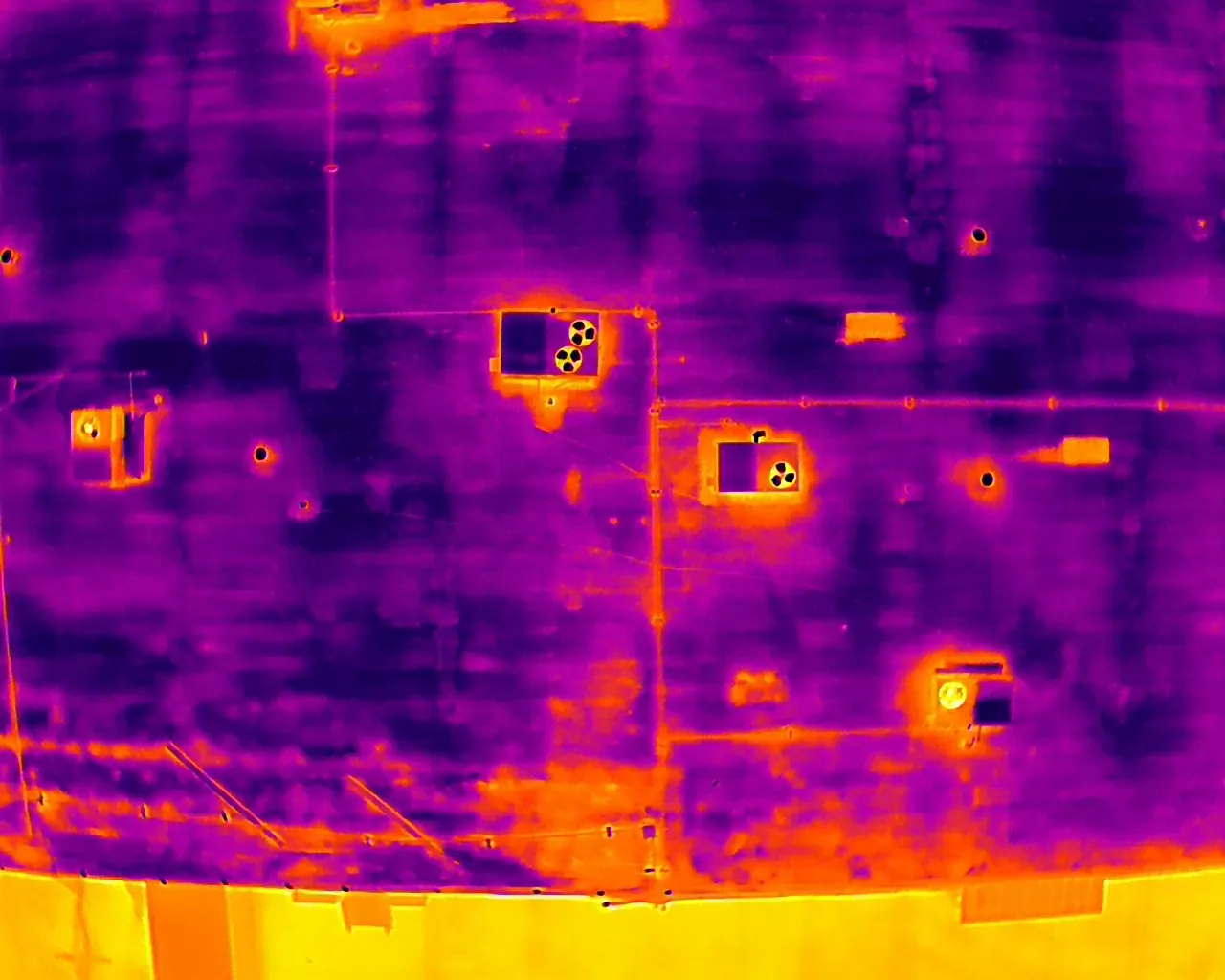
An infrared moisture survey can guide test locations when roof conditions support a useful scan. The scan does not confirm the assembly or measure water content. A test opening supplies that evidence. The scope distinguishes the survey area from the confirmed removal boundary.