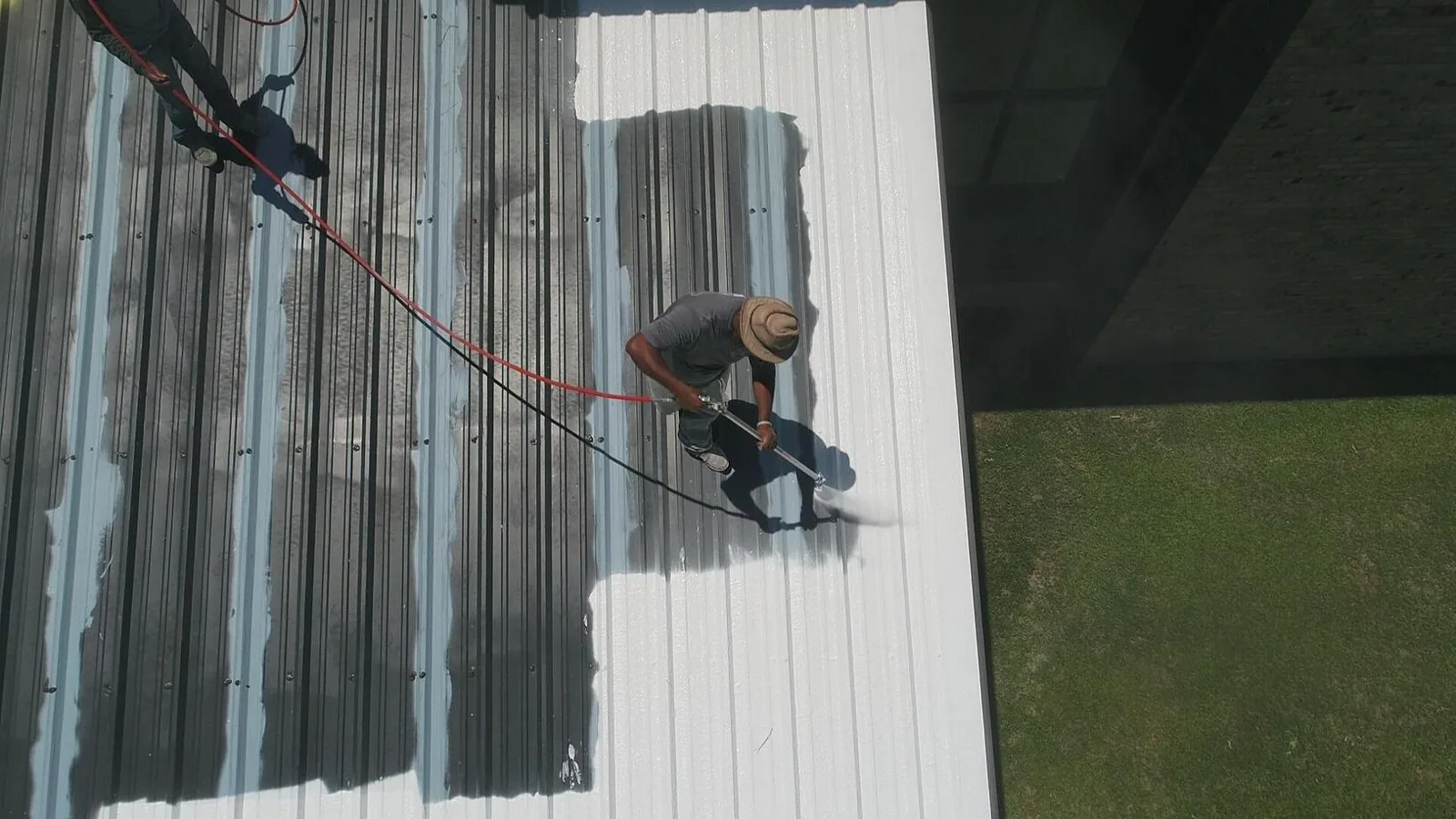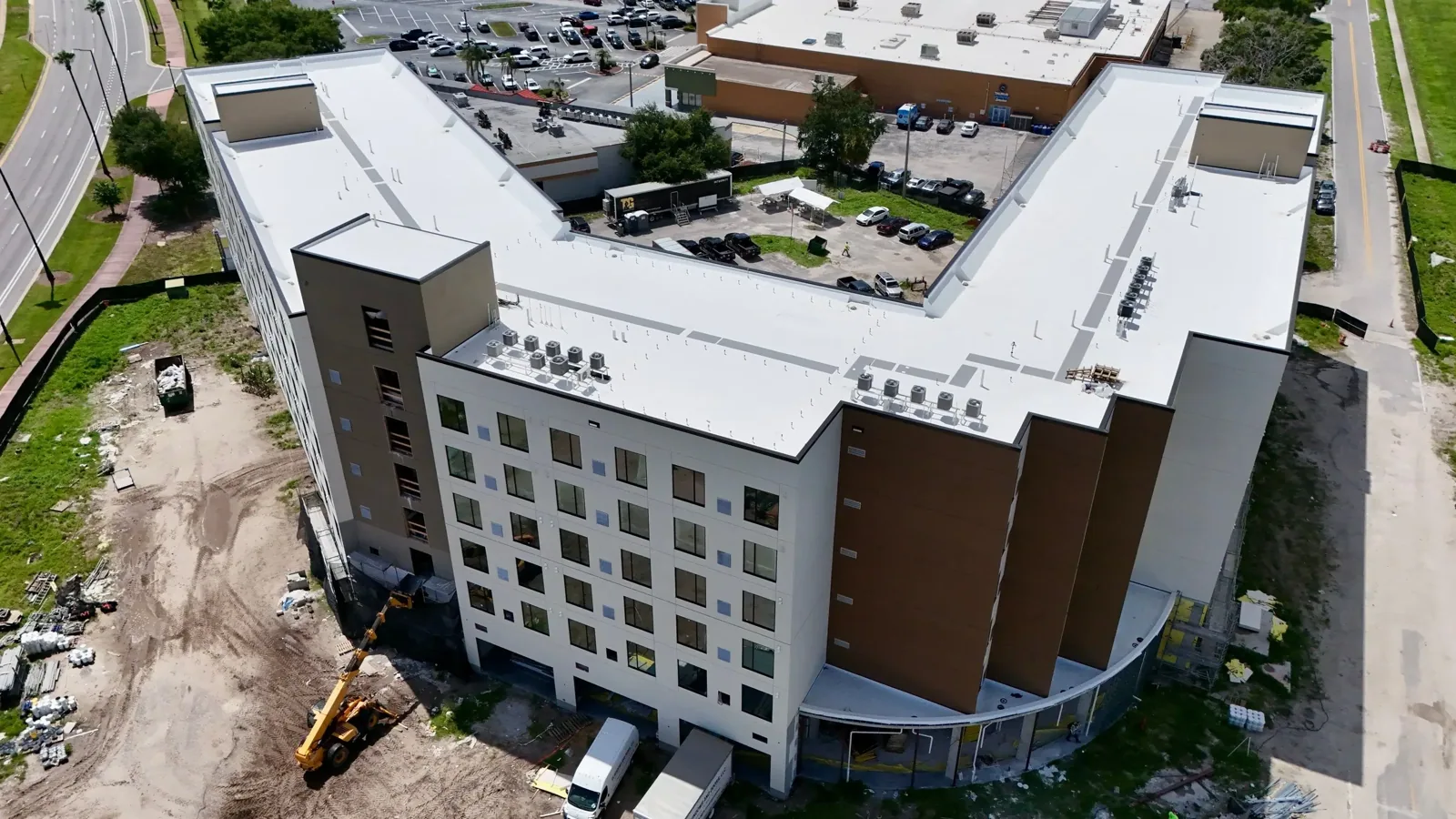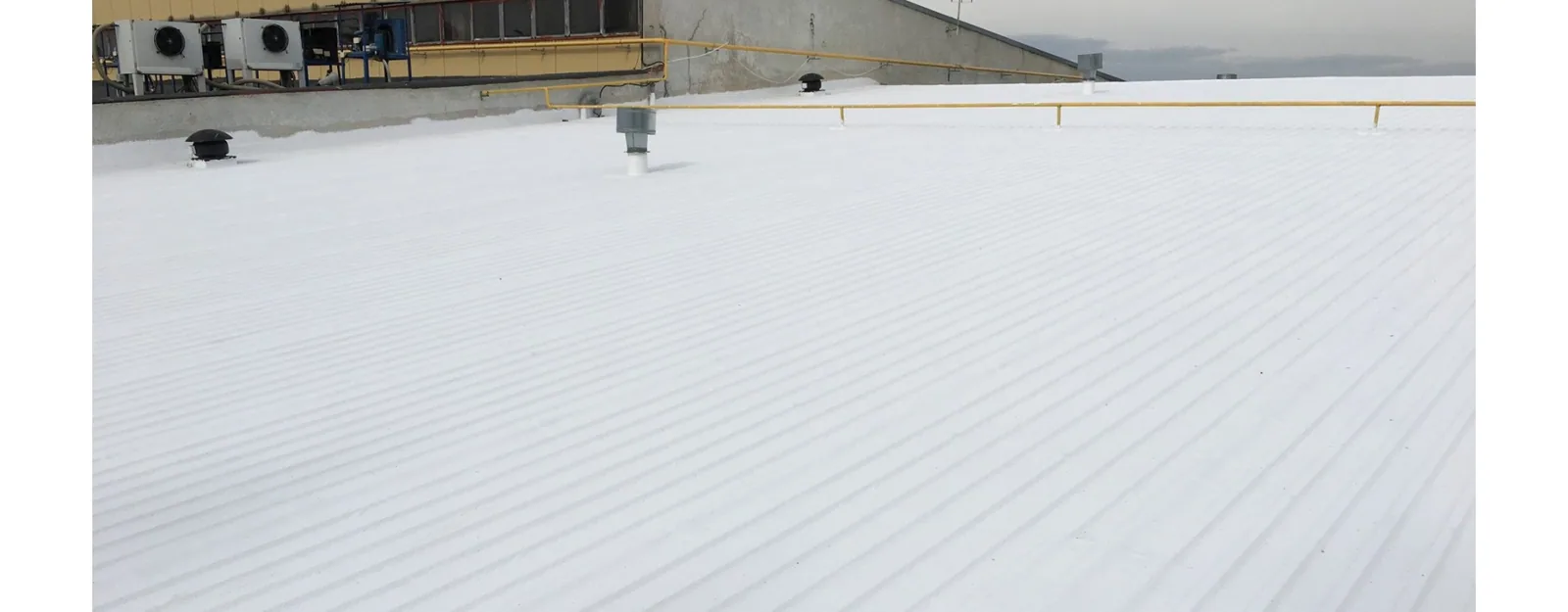
Liquid coating belongs on a roof that can support it. In Simi Valley, a restoration review begins with the membrane or metal surface, existing repairs, drainage, and the details where coating would terminate. Simi Valley’s hotter summer outlook makes chalking and brittle surface treatment worth checking; the installed roof and adhesion test decide whether restoration is suitable. We map the areas that are sound, mark repairs that must be completed first, and identify where testing is needed. The owner can then compare a coating scope with localized repair or replacement. A commercial roof inspection provides the condition record for that decision.
Confirm the surface below the coating
A coating cannot correct a weak deck, wet insulation, open seam, or loose edge by covering it. We identify the installed system where it can be confirmed, then examine the field, attachment, drains, curbs, and prior patches. A coating over TPO or PVC requires a compatible preparation and system; an EPDM or modified-bitumen roof presents different surface and seam conditions. If the record only names an older product, we compare it with the material visible on the roof before choosing a test area. The proposed work identifies areas excluded because the base surface is not suitable.
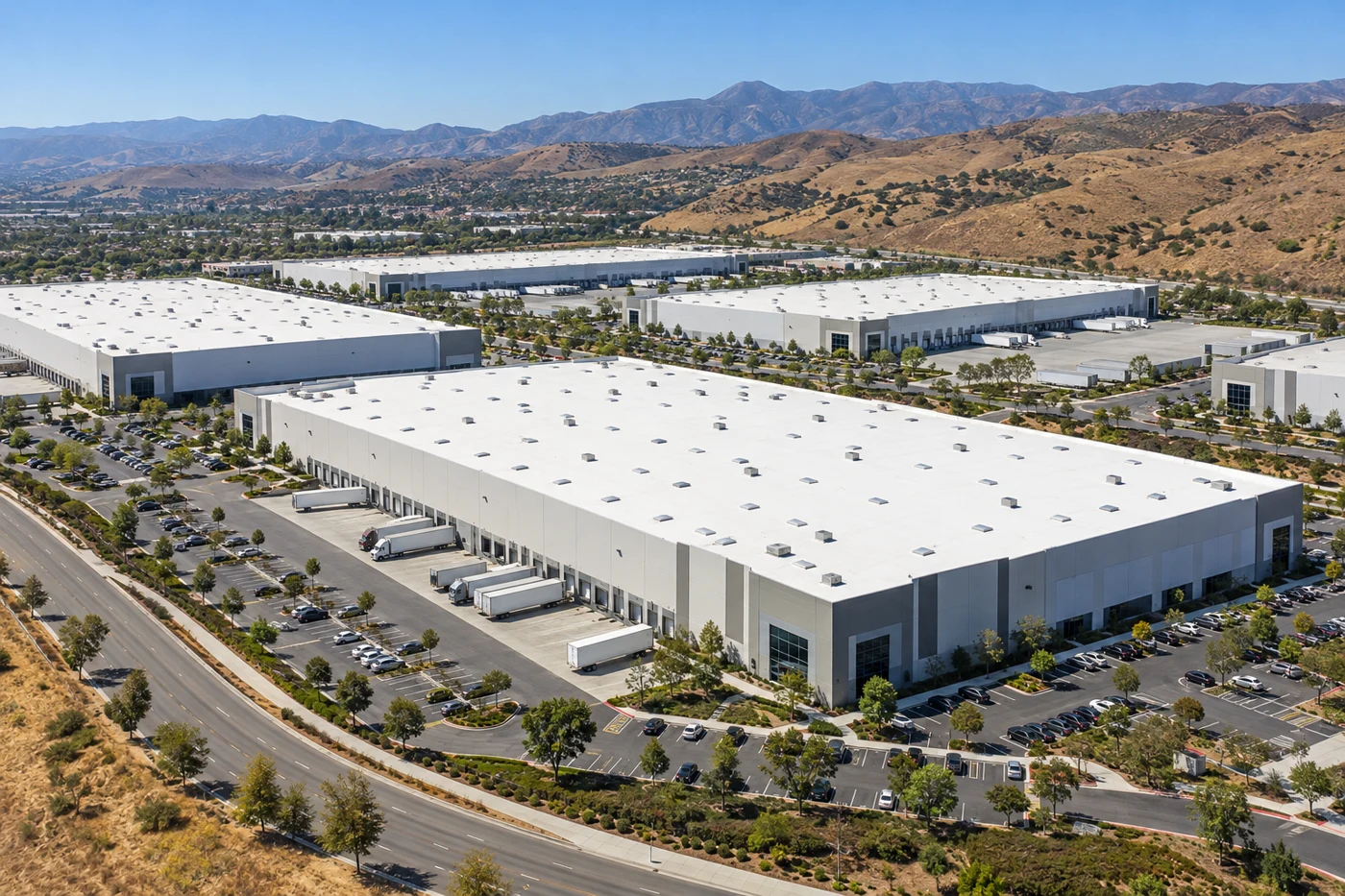
Most of Simi Valley’s industrial development lies in the West End Specific Plan area. That district context raises practical questions about production hours, rooftop ventilation, and exhaust equipment; the membrane and substrate still decide whether a coating system is suitable. We log the roof zone and surface condition before recommending restoration. A Simi Commerce Center location is still evaluated building by building, with its repair history and drainage details attached to the correct roof record.
A small adhesion trial can expose a compatibility problem before the crew prepares a larger area. We choose a representative roof zone, record the substrate and cleaning method, and allow the sample to cure for the specified period. The result is reviewed with the manufacturer requirements for the selected coating, not judged by appearance alone. That step also helps plan the work window because cleaning, drying, repair, and application may not happen in one visit.
Resolve moisture before surface work
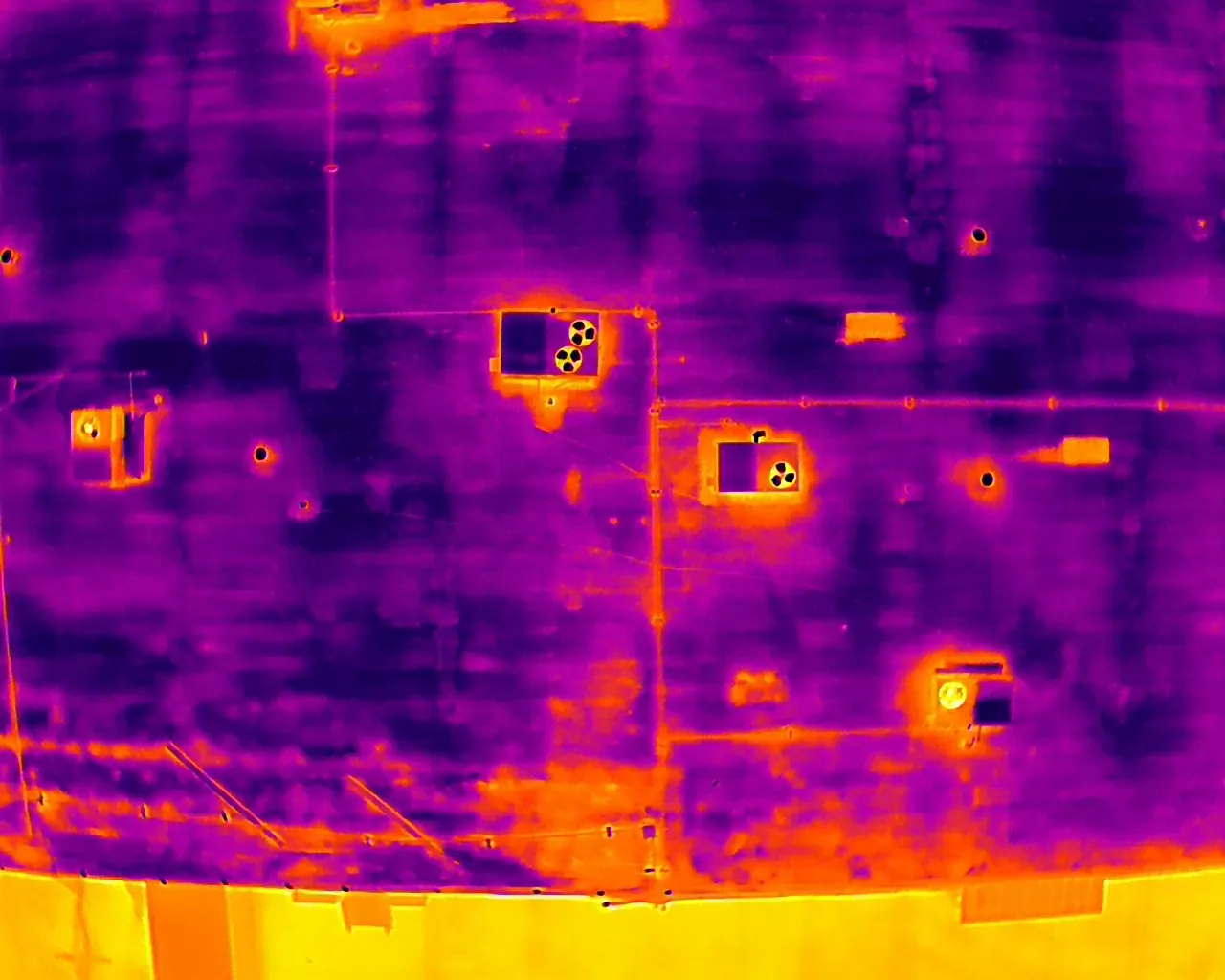
Wet insulation changes a coating decision because trapped moisture remains under the new layer. We check interior reports against the roof plan, inspect seams and transitions, and mark suspected areas for further evaluation. An infrared survey may help identify patterns for follow-up, but a thermal image is not proof of wet insulation. Where the pattern matters to the scope, we recommend a controlled opening or another test that can confirm the layer. The report states which areas are confirmed, which remain uncertain, and how that uncertainty affects restoration. A lifted seam or blister needs a specific treatment before coating. We mark its perimeter, decide whether it can be secured or must be opened, and keep the repair visible in closeout photos. If removal exposes wet insulation or a separated layer, work stops at the stated dry-in boundary until the owner approves a revised scope. This keeps restoration distinct from unpriced deck or insulation work and avoids covering a condition that still needs resolution.
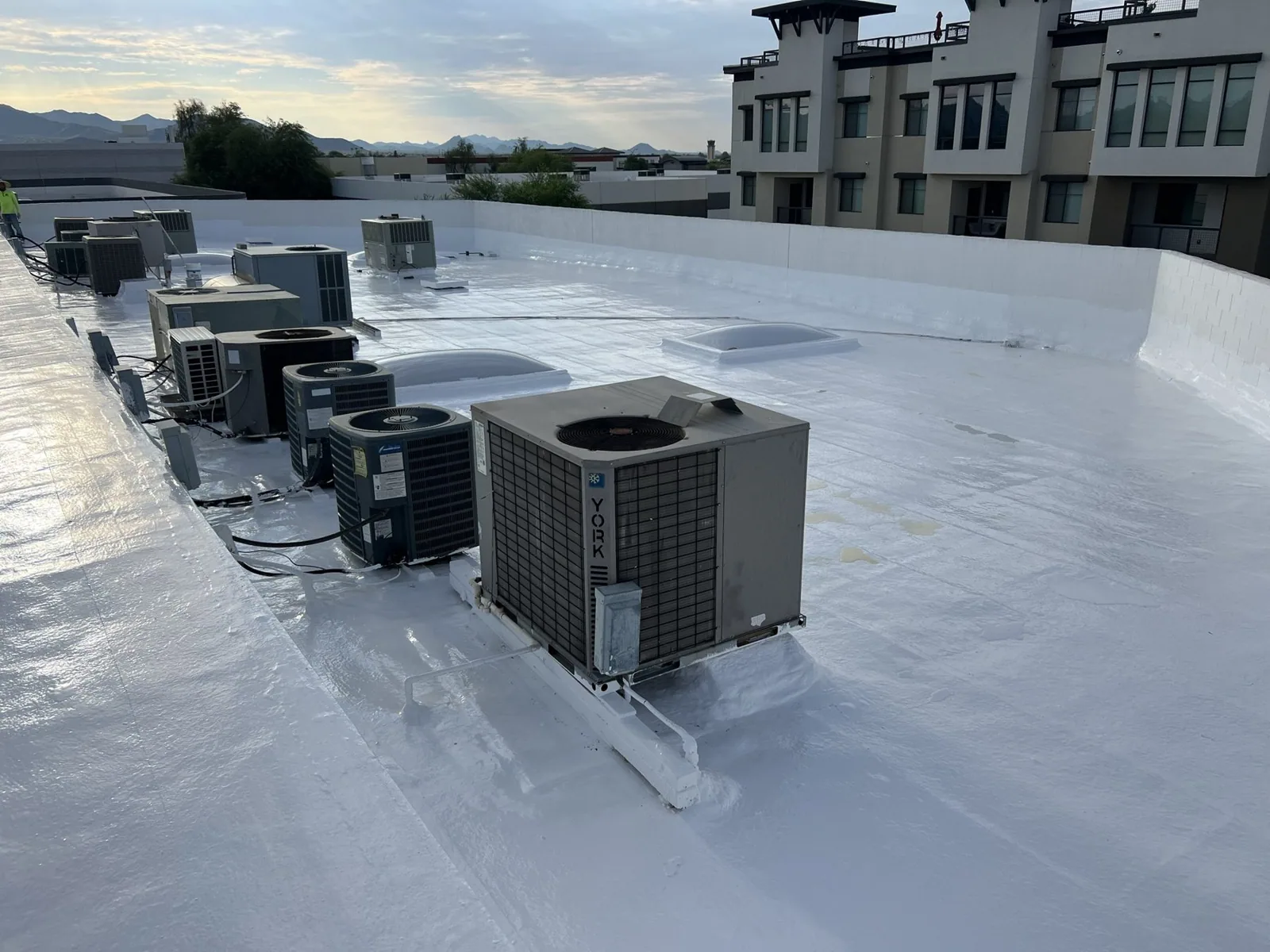
Surface washing, primer, and coating can only proceed after the substrate and repair boundary are agreed. We note loose coating, chalking, trapped debris, failed patches, and any fasteners or seams that need a separate correction. If a moisture survey identifies an area for testing, we keep the result tied to the roof zone and the question it was intended to answer. A repair scope should address open details before the coating is applied, with photographs showing the prepared surface and repaired transitions.