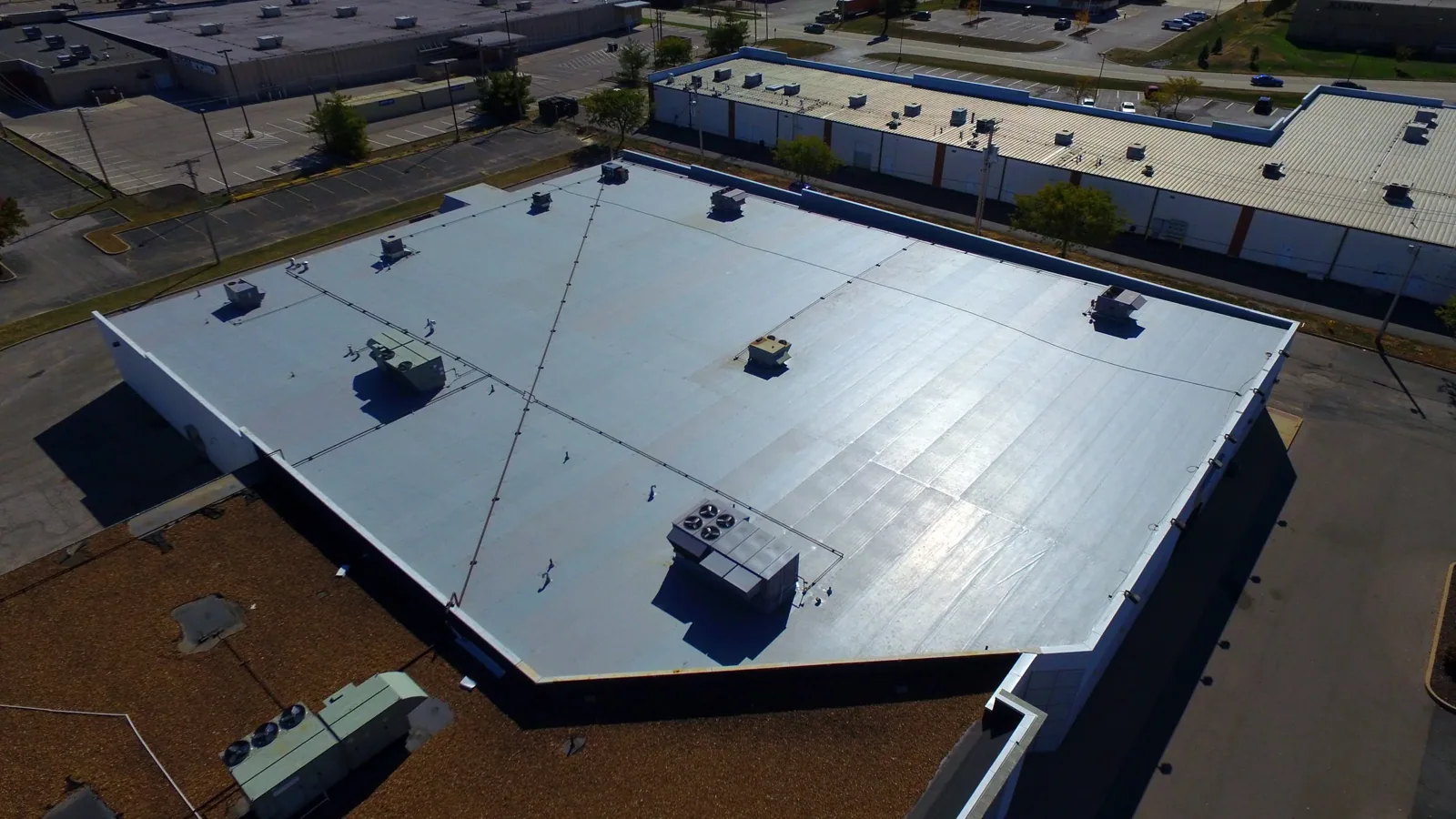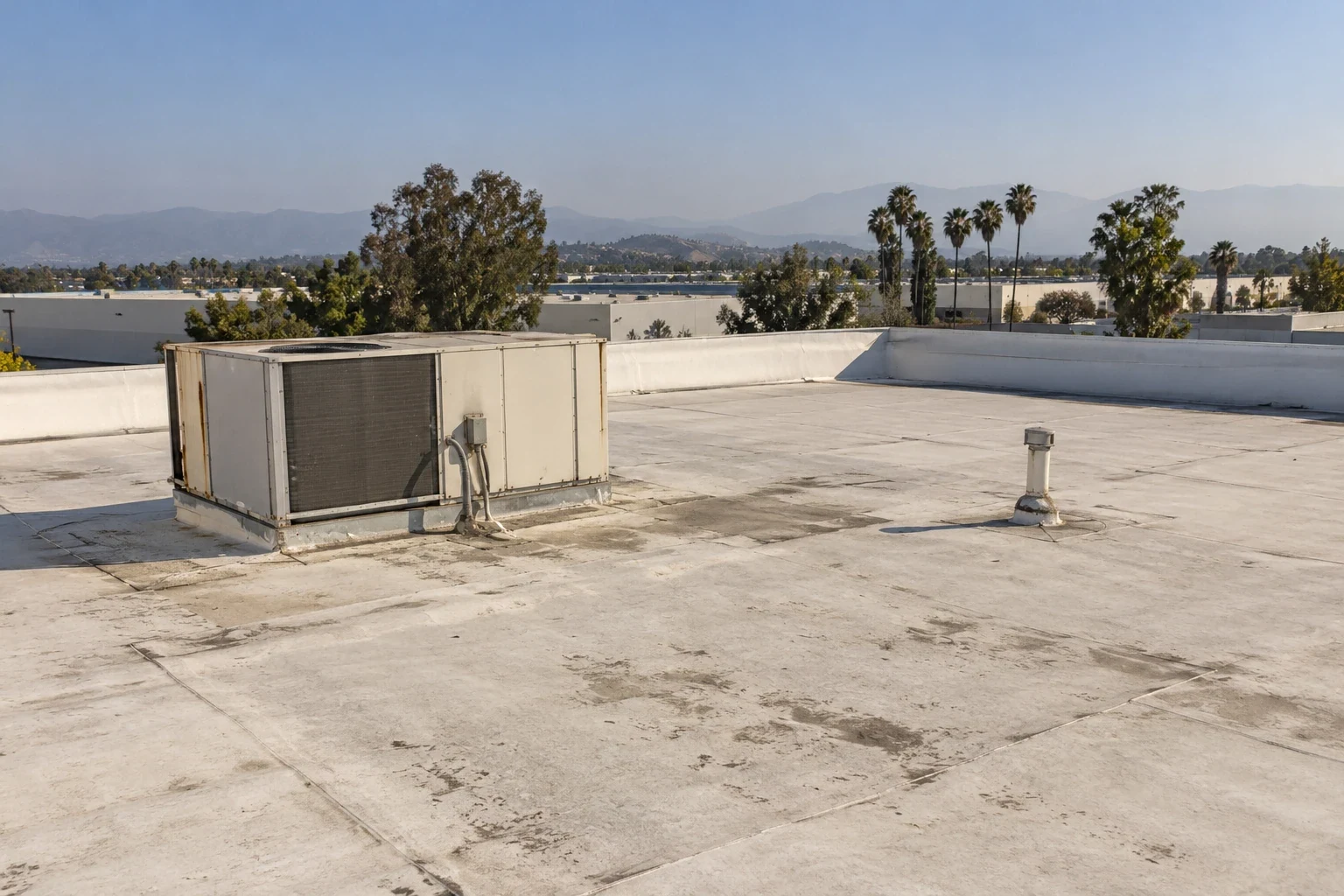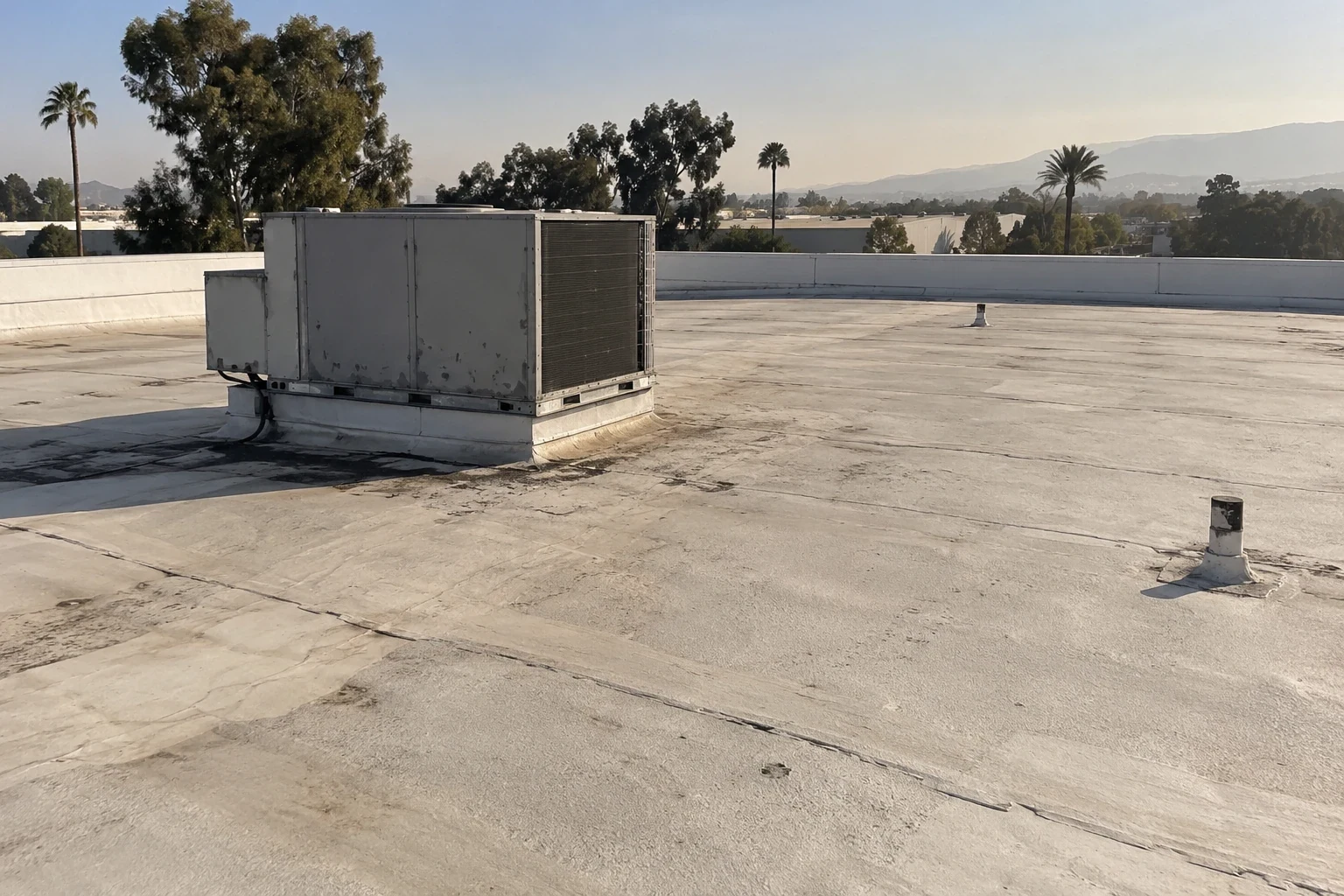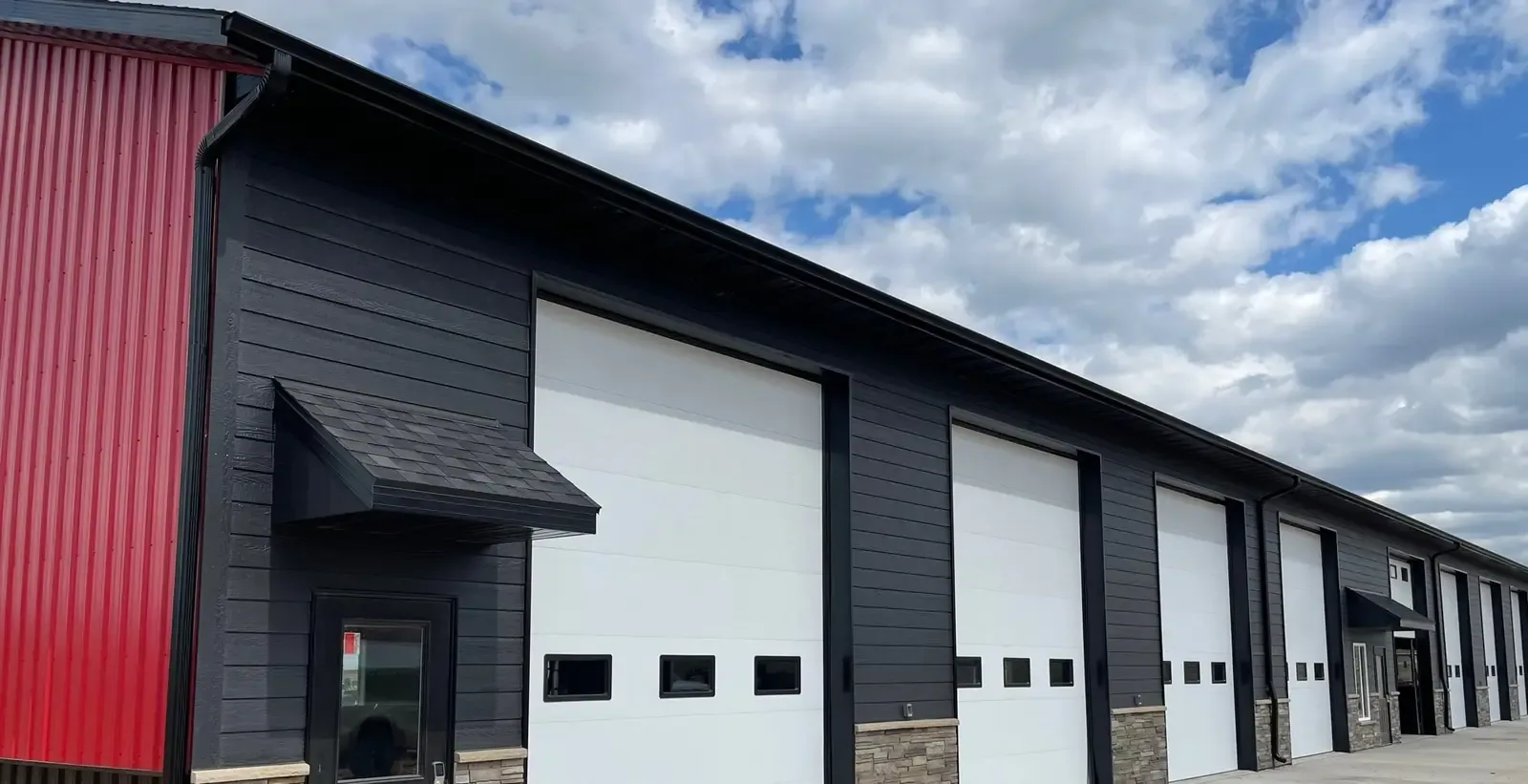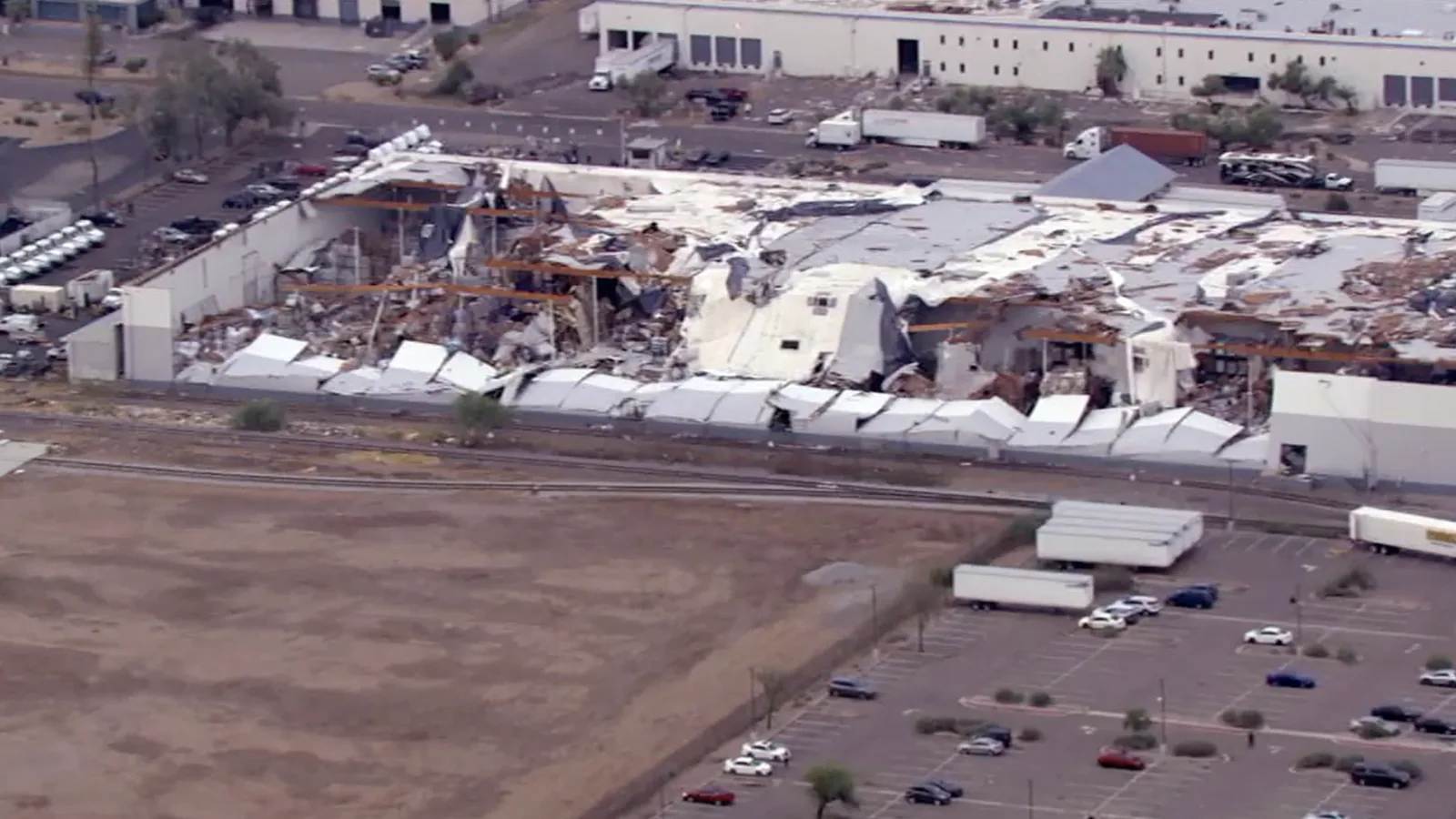
A leak call needs a controlled first response, then a diagnosis that survives beyond the next dry day. Water at a ceiling tile, wall, or equipment area identifies an interior effect, not necessarily the roof entry point. The first task is to protect people and property, record active conditions, and trace a plausible path without opening or sealing blindly. Simi Valley’s General Plan projects more days above 97.2 degrees as temperatures rise, so roof exposure and the condition of materials around temporary work zones also belong in the planning conversation. A focused roof inspection can relate the interior report to seams, penetrations, drains, edges, and the assembly above.
Stabilize the interior and capture the report
Start with the building representative’s account: when water appeared, which rooms or assets are affected, whether the condition is active, and what changed immediately before discovery. Photograph the interior and mark the approximate area on a floor plan. Protect furnishings, inventory, and pedestrian routes using the property’s procedures. If water is near electrical systems or creates a slip hazard, involve the responsible building personnel before roof investigation proceeds.
Record the time and temporary measures already taken. A stain’s location does not confirm the roof defect; water may travel along a deck, beam, conduit, or membrane interface. The report should distinguish what staff observed from what the roofing inspection confirms. If several areas are affected, label each separately; grouping them as one “leak” can obscure different entry paths. This initial record gives the evaluator a reliable starting point and helps the owner track whether a later observation matches the original condition.
Trace the likely path on the roof
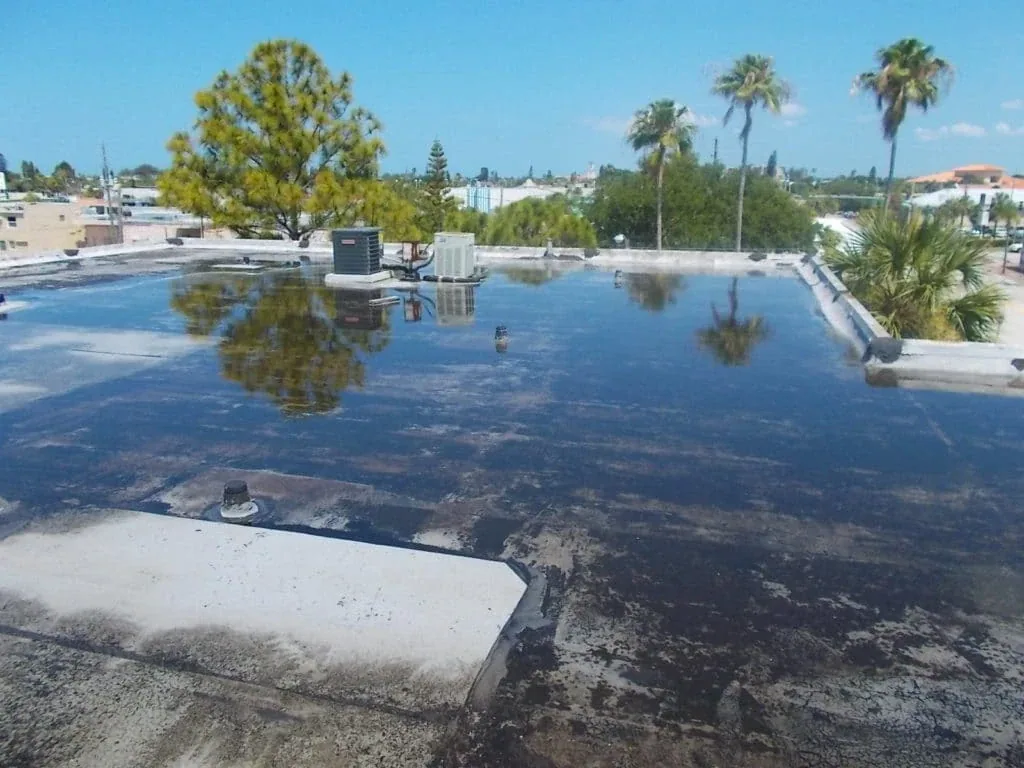
Inspect above and upslope from the interior symptom, then expand the review to nearby penetrations, seams, laps, drains, curbs, walls, and perimeter details. Look for displaced flashing, open seams, punctures, damaged sealant, blocked drainage, or evidence that another trade disturbed the roof. Photograph each finding with enough context to locate it again. A suspected entry should be recorded as suspected until the assembly or detail supports the conclusion.
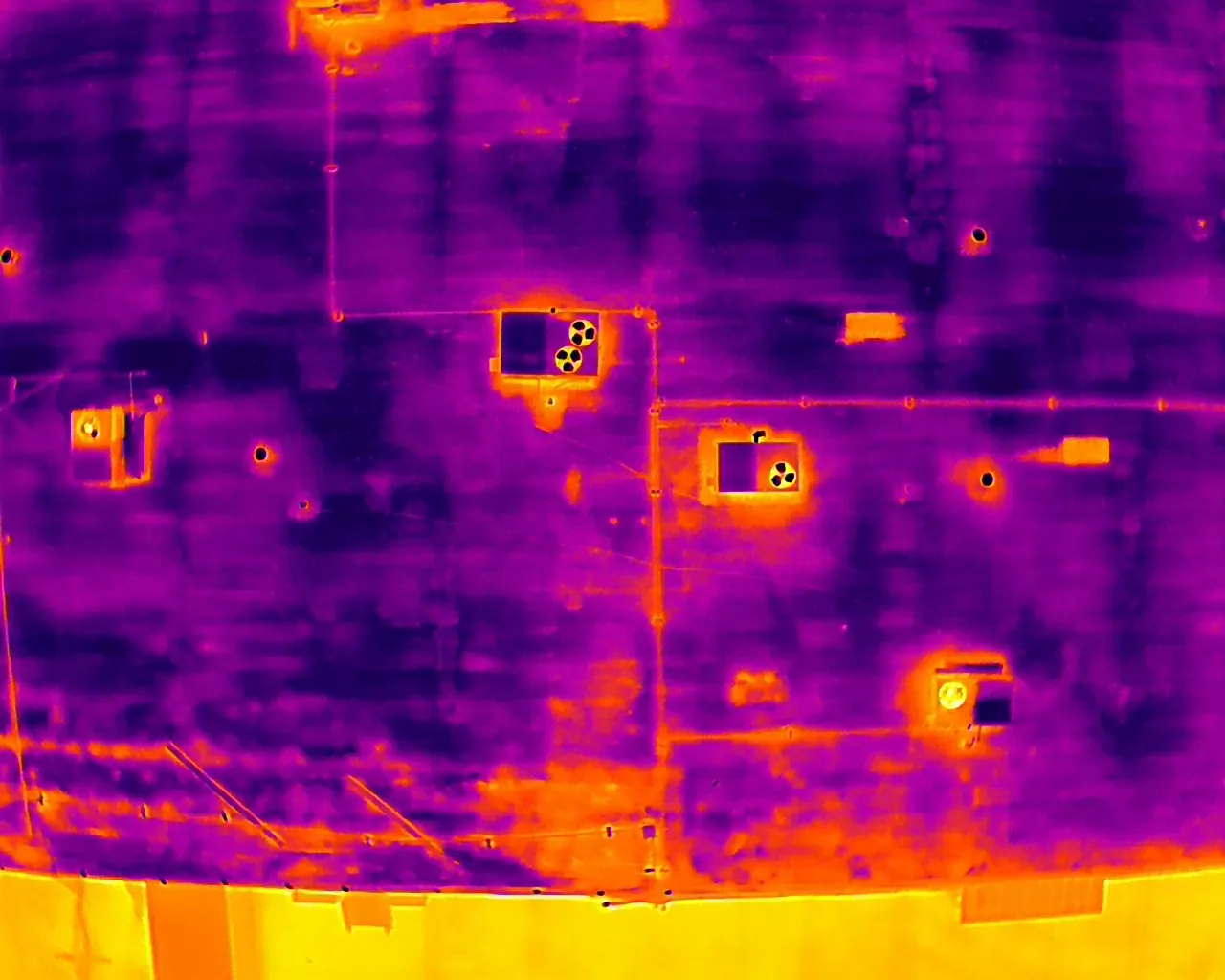
When roof layers hide moisture patterns, a moisture survey may help select confirmation points when weather and assembly conditions make the method suitable. Use results to guide, not replace, verification. Note method limitations and physical-check locations. If wet insulation or a broader defect appears, revise the boundary before closing the assembly. A diagnosis that identifies only a surface symptom can result in repeat service calls, so describe both the evidence and what remains uncertain.