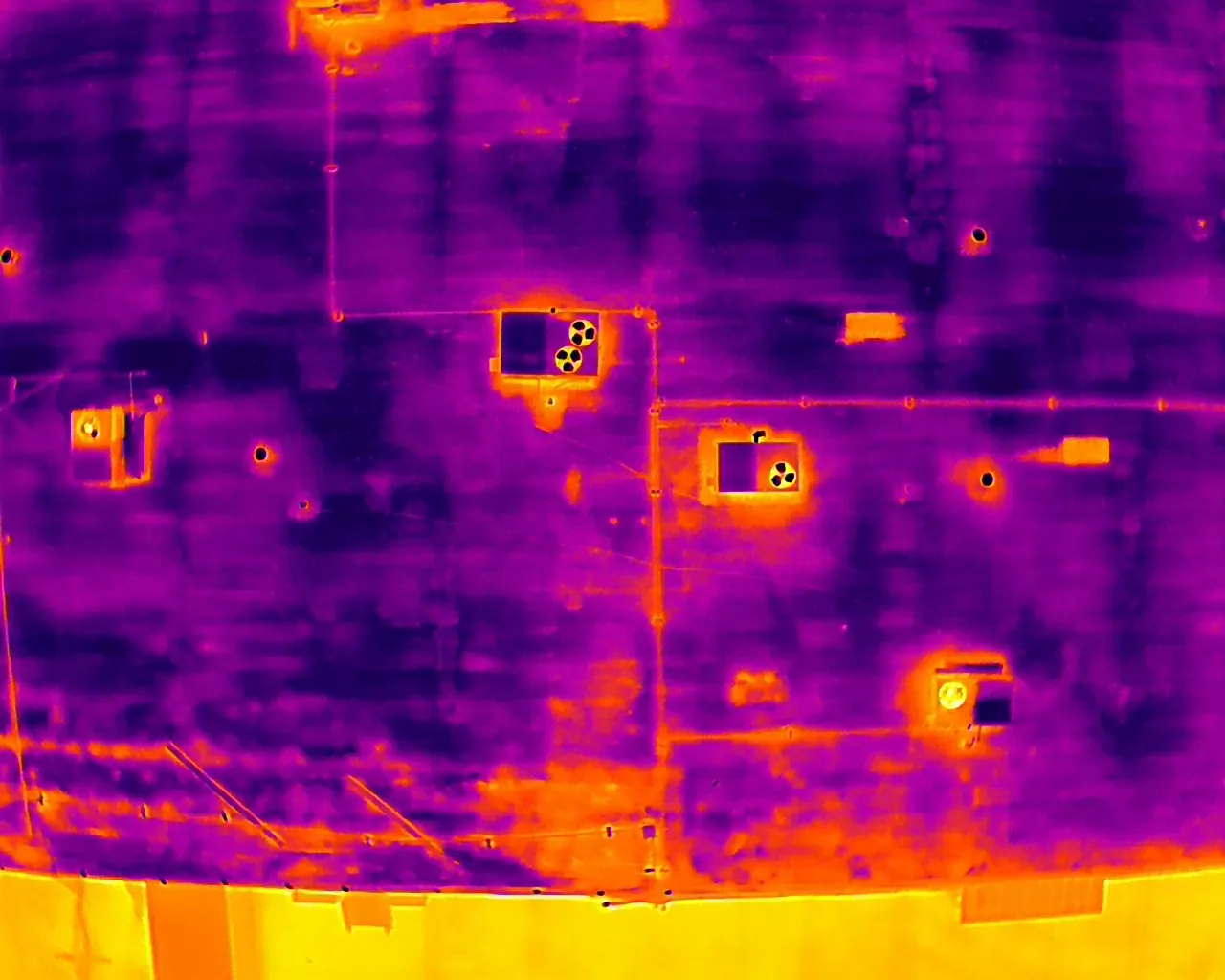
A roof inspection earns its place when the findings change an owner’s next decision. On a Simi Valley building, we start with the roof assembly, current issue, access route, and record set, then inspect the field and its transitions. The city’s General Plan projects more very hot days over time, so exposed seams and flashing deserve attention during a survey; that regional context does not diagnose an individual roof. We photograph visible conditions, trace water paths, and identify where moisture testing or an opening may be needed. The report separates a repairable defect from a question that needs more evidence, then gives the facility manager a bounded next step.
Define the inspection boundary
Before the visit, identify the building, roof zone, issue, and purpose of the inspection. A leak response, warranty review, sale diligence survey, and capital plan may require different emphasis. Roof plans and prior work tickets help the inspector locate drains, equipment, seams, and previous patches, but the documents must match the actual building. We agree on safe roof access, escorts, operating hours, and any area that cannot be entered. The inspection scope then states which surfaces are included, whether the review is visual or includes testing, and what limitations apply to inaccessible or concealed layers.
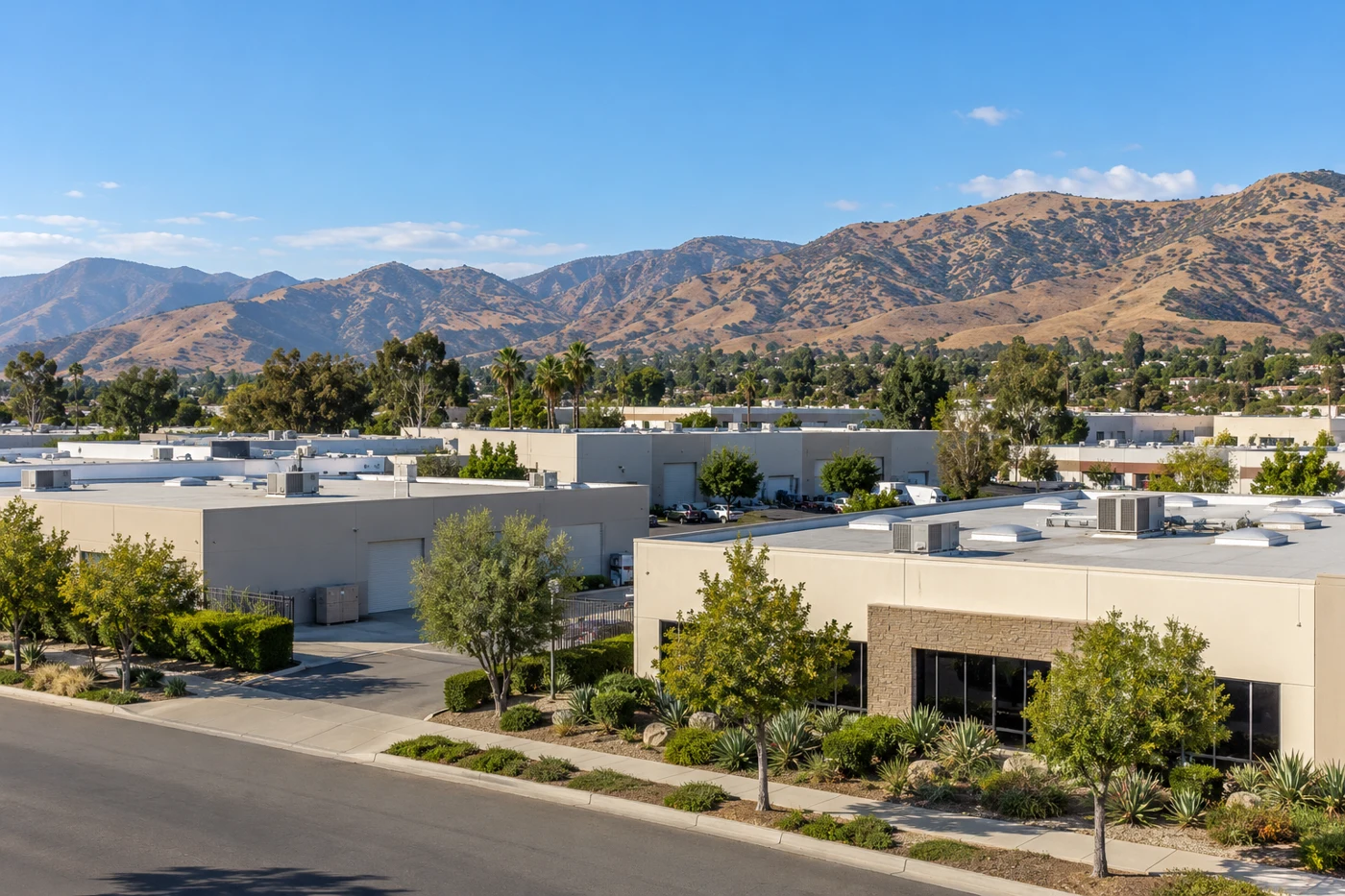
Simi Valley's business-resource information groups local employers in aerospace and defense manufacturing, warehouse and distribution, and general manufacturing. Those uses can affect access, roof equipment, sensitive inventory, and scheduling, but they do not establish the condition of a particular membrane. We ask the facility manager to identify active production areas, delivery hours, equipment clearances, and any security escort before the inspector reaches the roof. The City also places most industrial development in the West End Specific Plan area. A West End service-area request can orient the visit, while the building address and roof-zone map still control the inspection. Keep those details with the approved repair scope so the report leads to work the facility can coordinate.
Identify the assembly before rating conditions
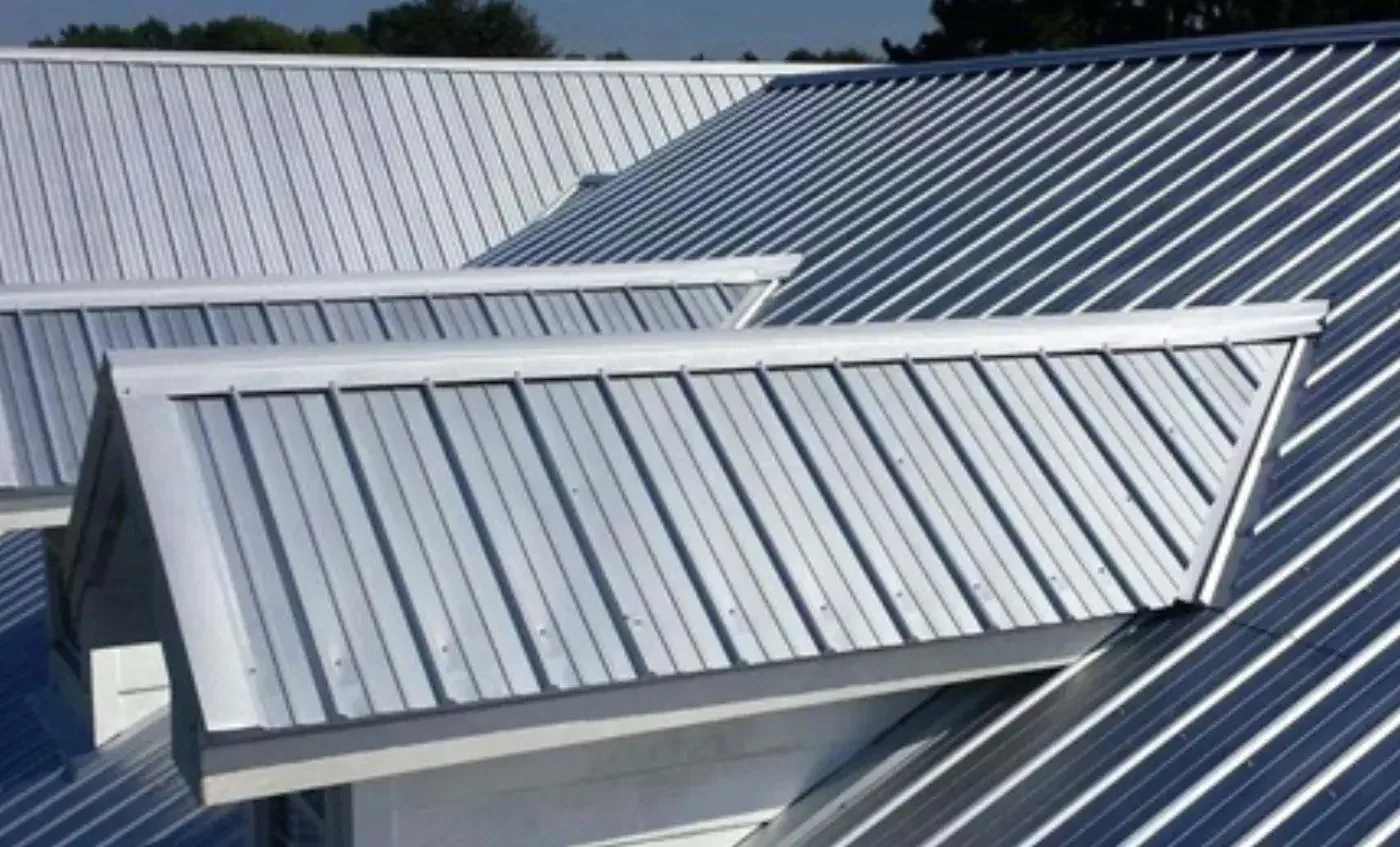
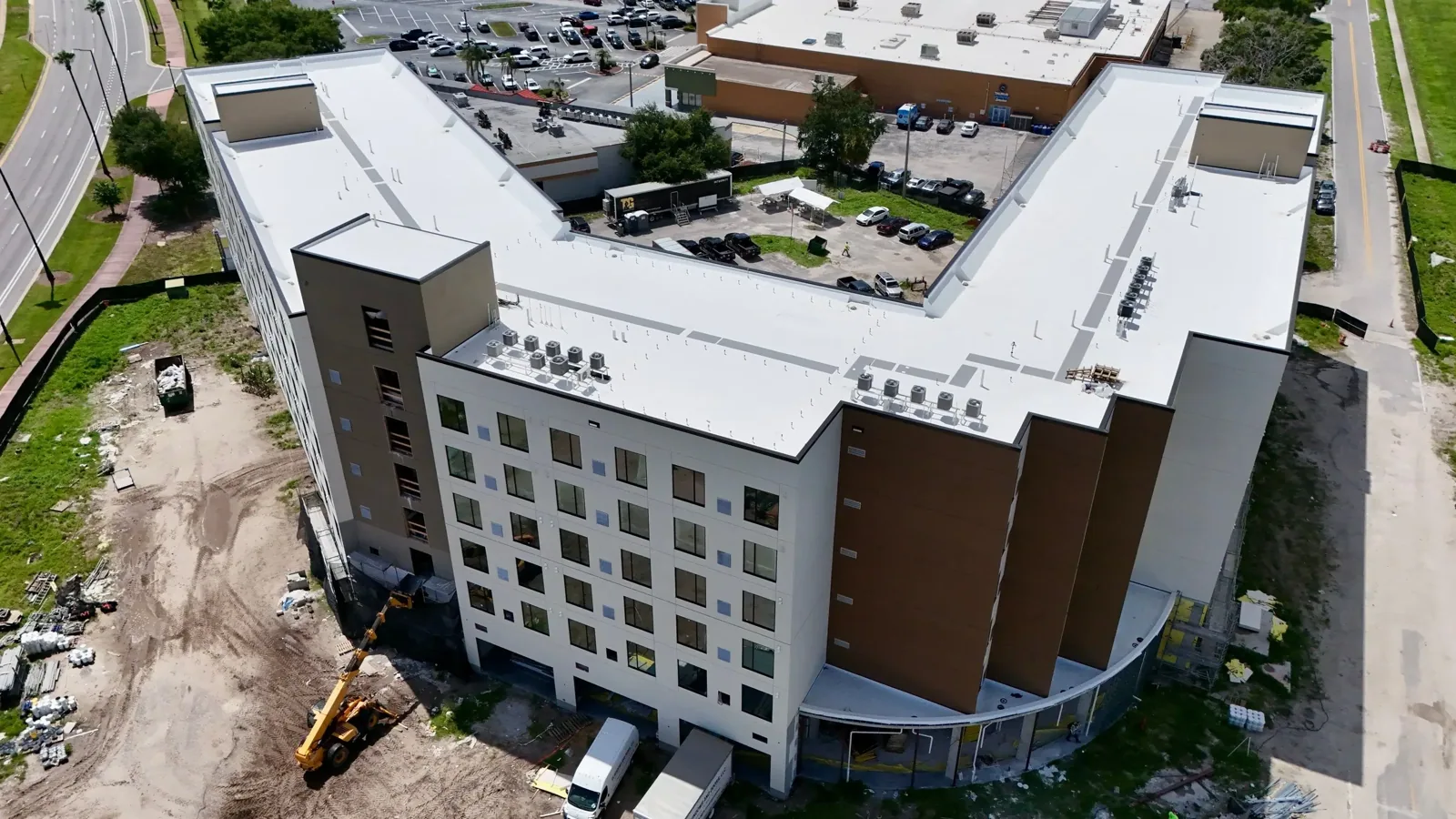
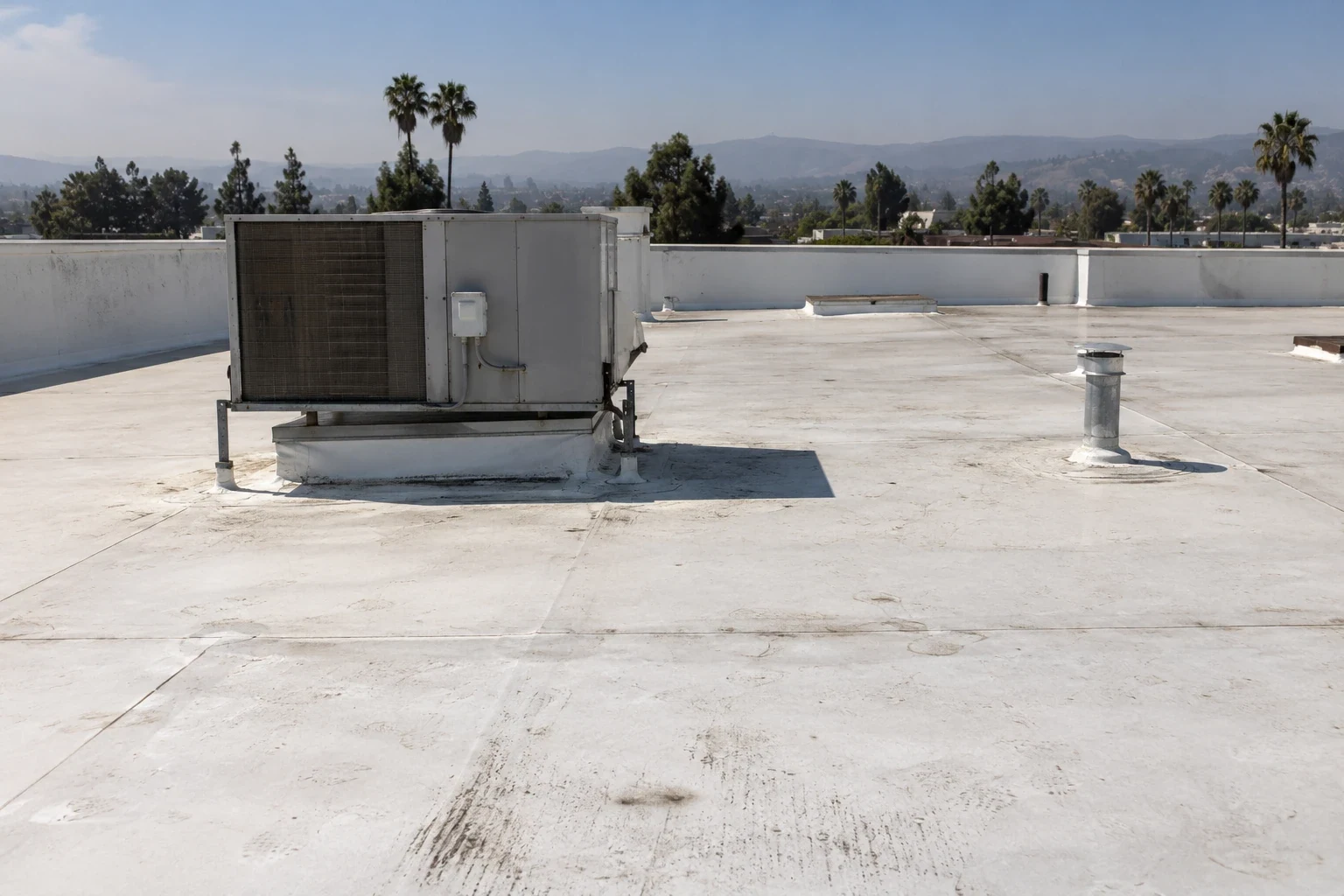
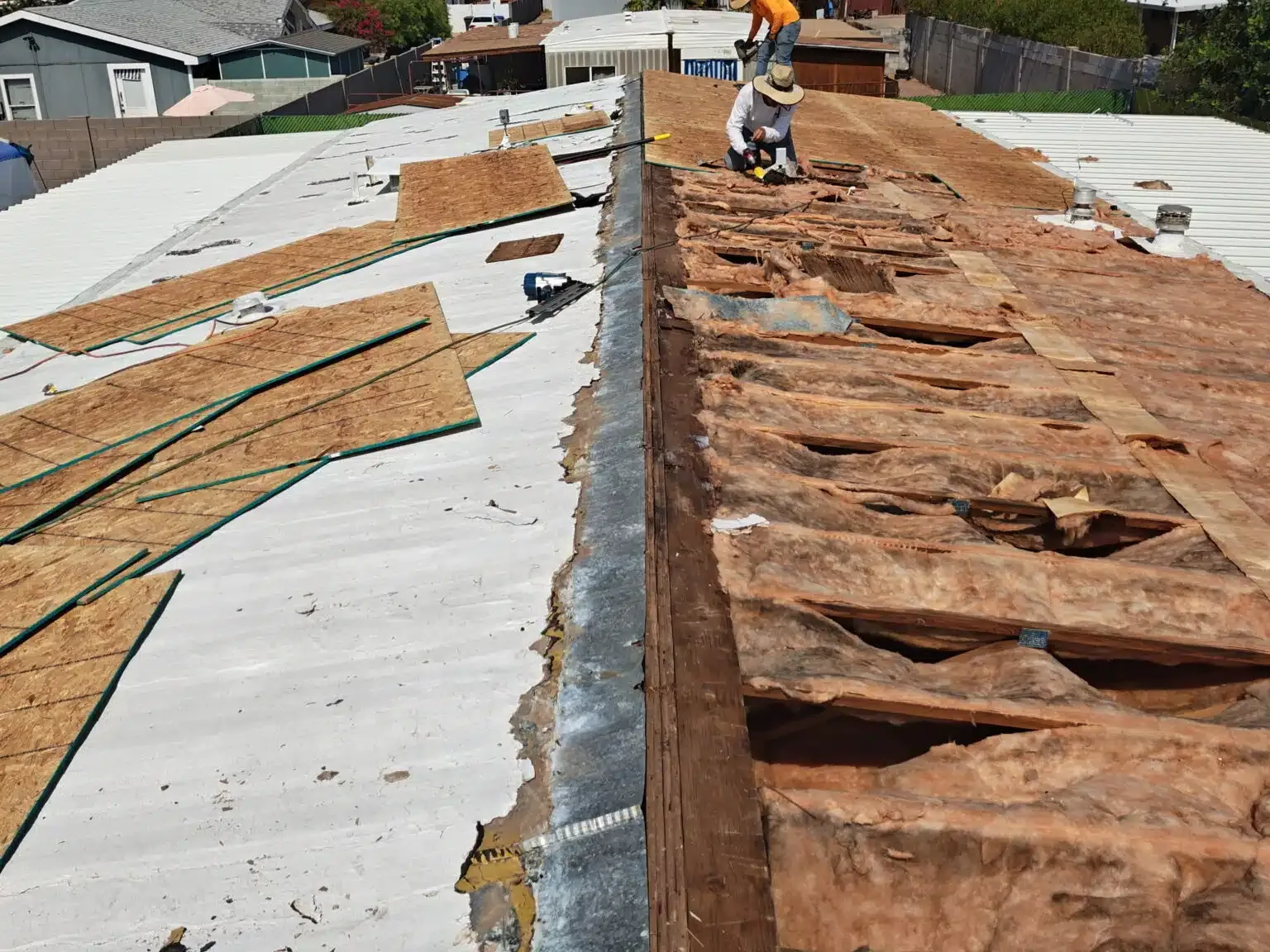
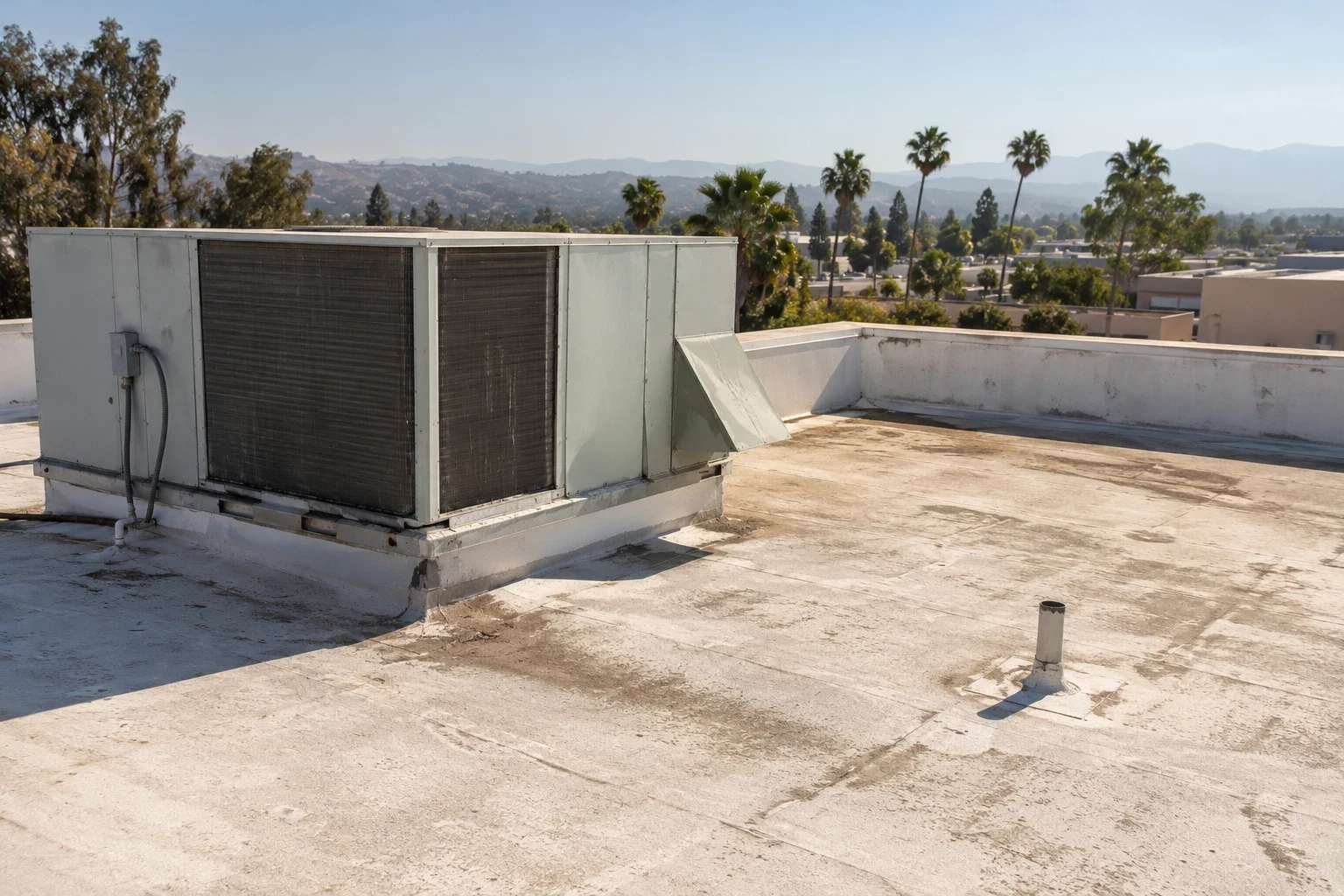
The inspector records the visible membrane or metal system, seam type, edge details, penetrations, curbs, drains, and any observed overlay or coating. The surface may not reveal every layer below. We note signs that call for further confirmation, such as inconsistent patches, exposed reinforcement, loose edge metal, or moisture patterns. A repair recommendation depends on compatibility: a weldable thermoplastic, EPDM field, modified bitumen, built-up surface, metal panel, and coating each require different methods. If the system cannot be confirmed, the report says what remains uncertain and suggests the next evidence step. That prevents a material selection from being made solely from color or a label on an old invoice.
A system label can narrow the review, but it should not replace physical confirmation. Compare the plan against seams, penetrations, visible edge terminations, prior patches, and changes made by equipment contractors. If roof layers are concealed, the report should say which assumption is being carried and whether a test opening is needed before replacement or recovery. The TPO system review focuses on welds and transitions; an EPDM review follows different seams and flashing details. The owner may also need a replacement comparison or a recover evaluation. Each path should begin from the observed assembly and its moisture condition, not just the product line on a past invoice.