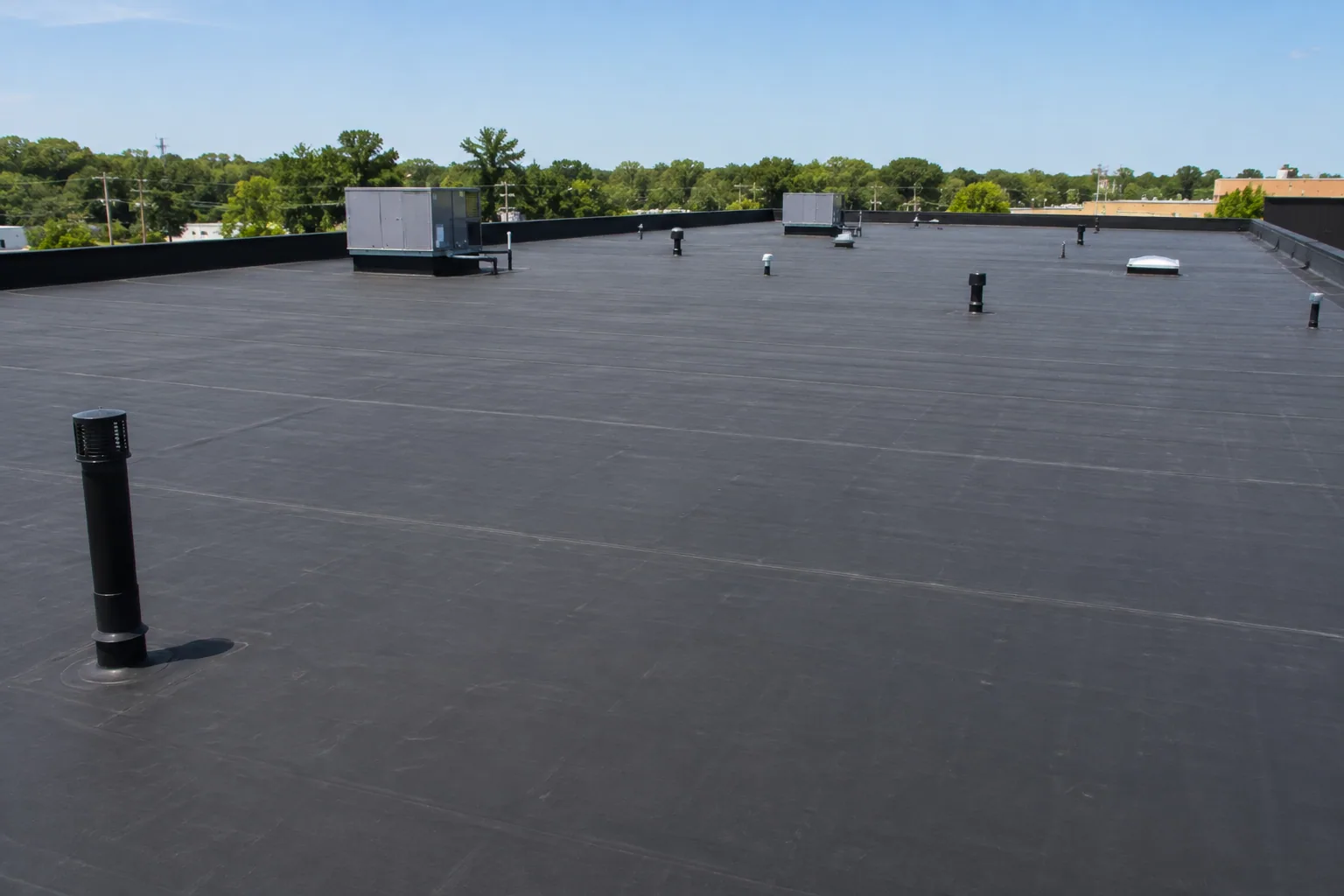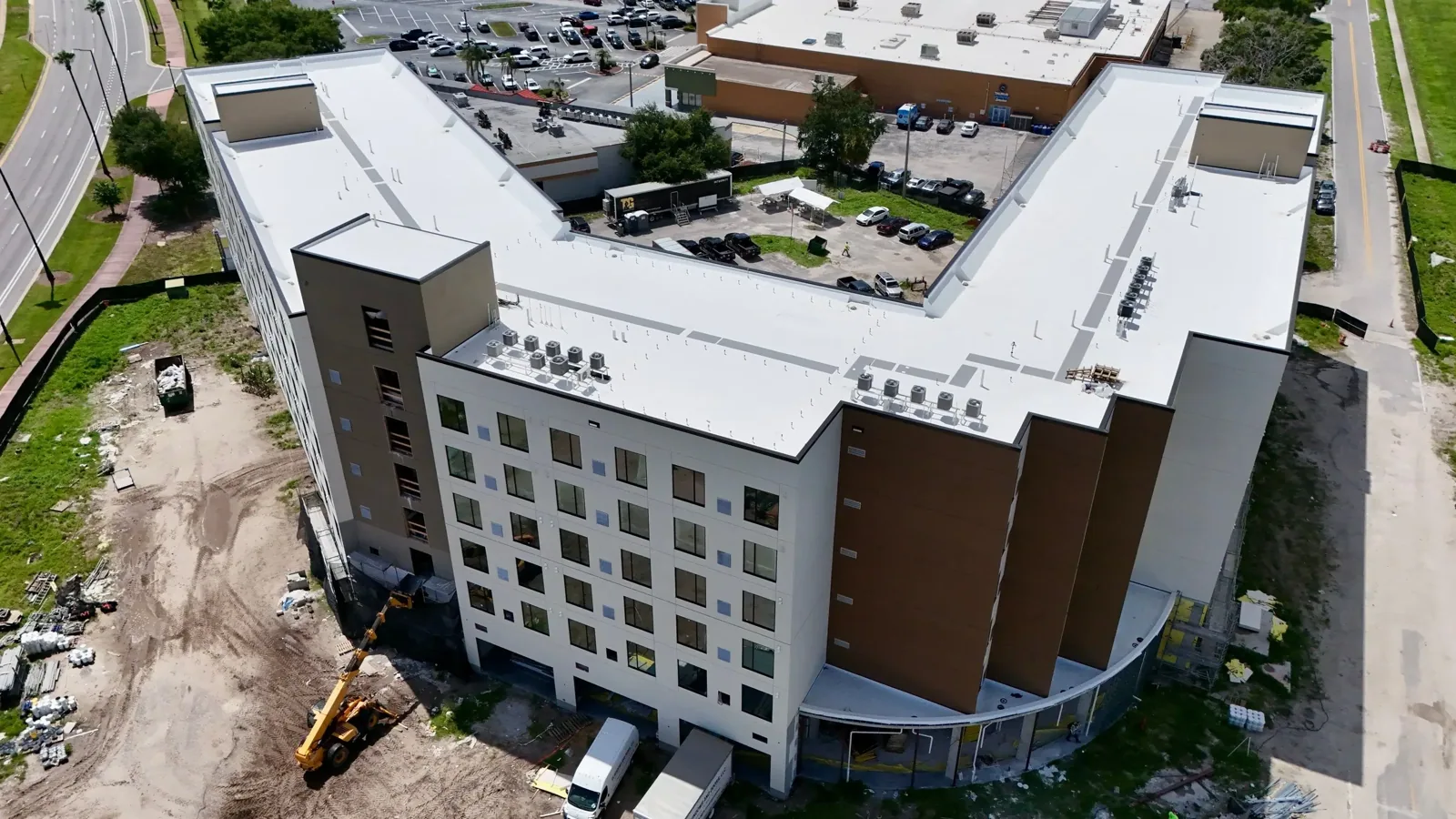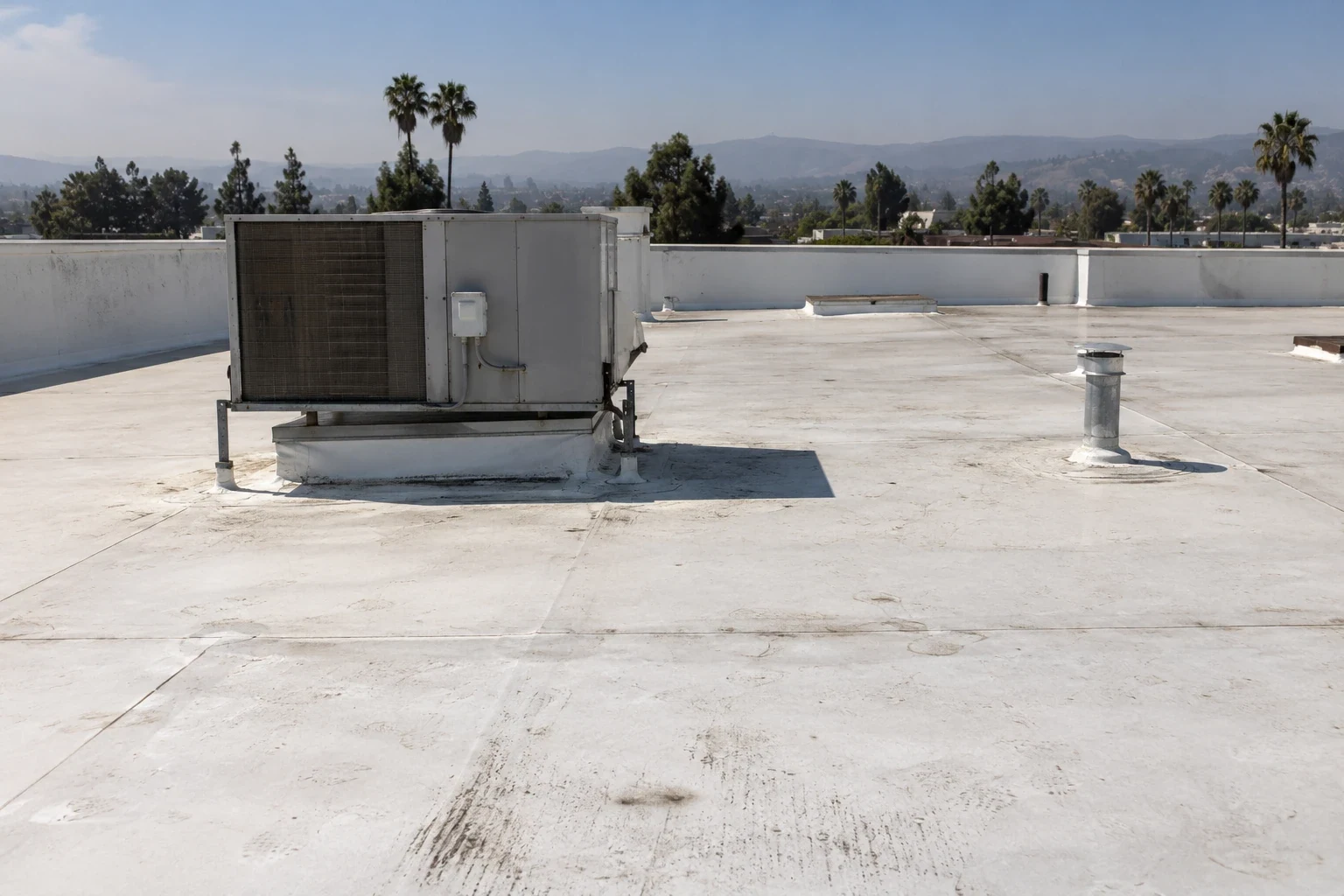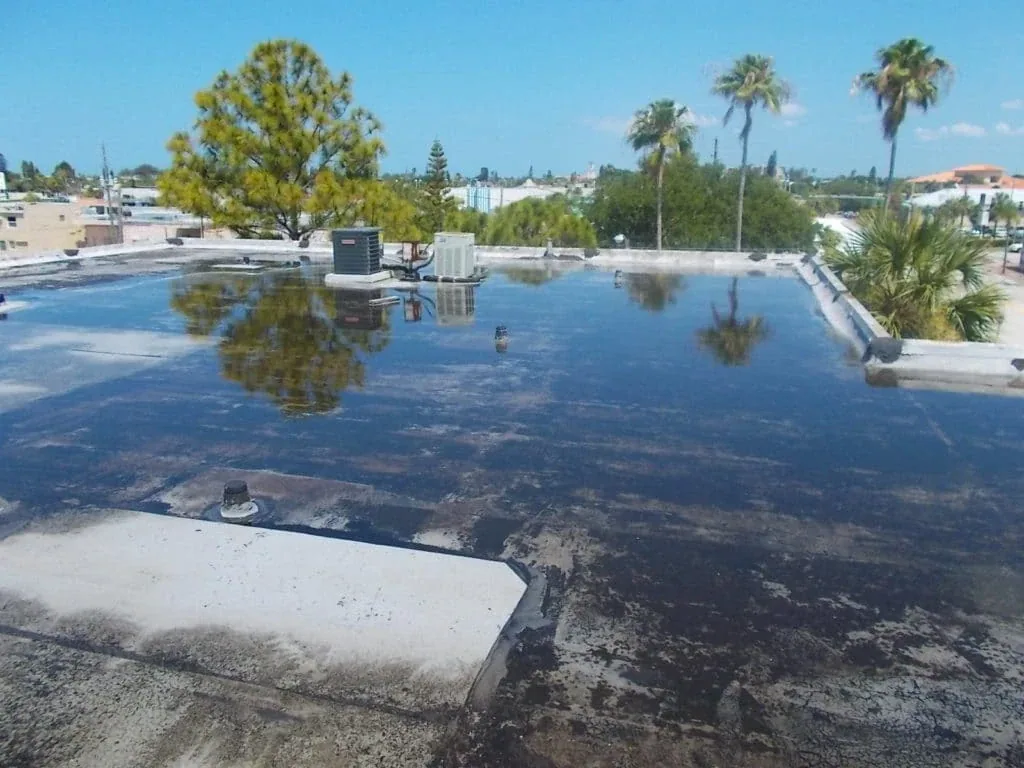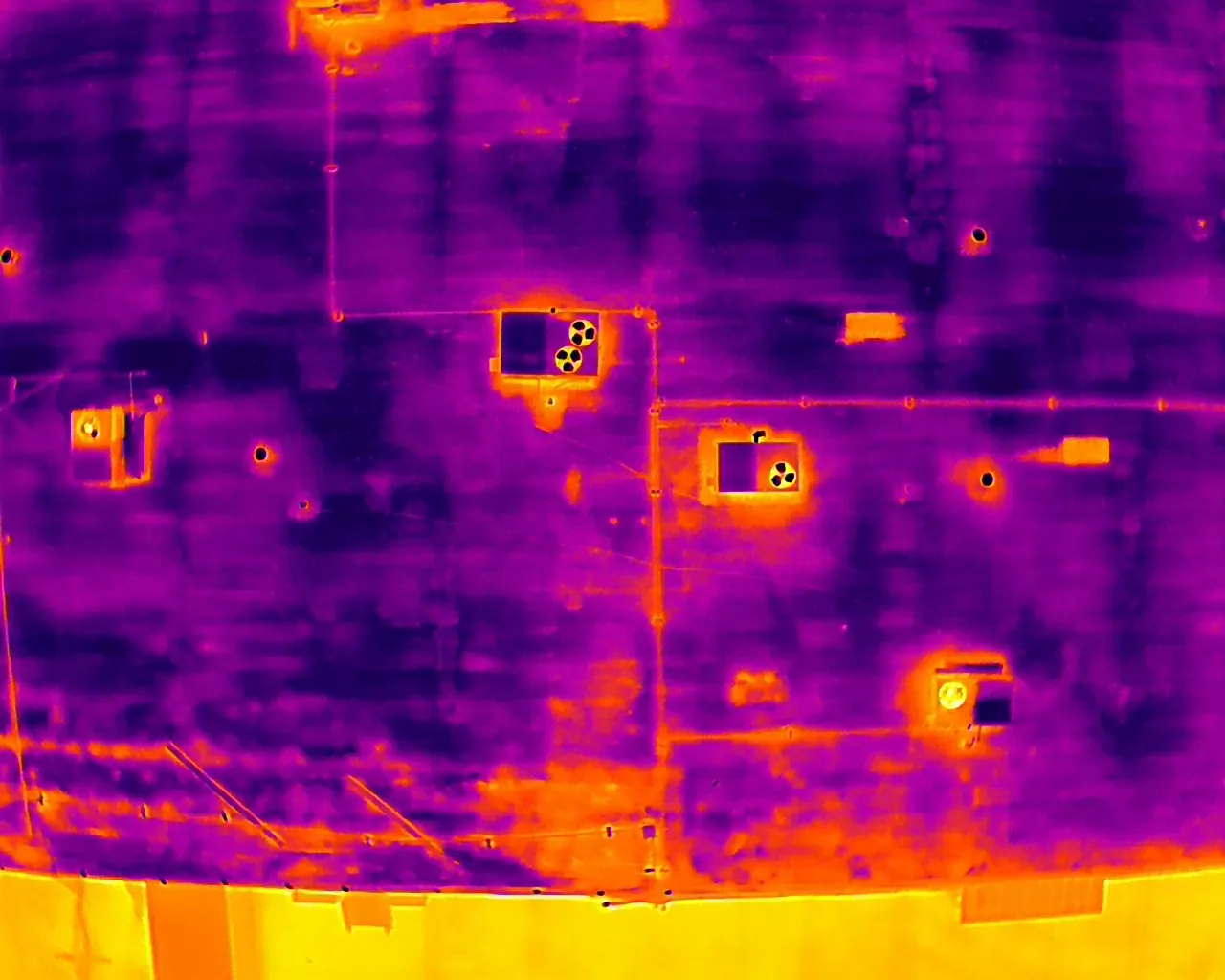
A black EPDM field can remain intact while a taped seam or curb flashing begins to lift. We inspect those connections first, then follow any moisture indicator toward the suspected entry and drainage path. Simi Valley’s planning outlook includes hotter future summers, so exposed rubber, tape, and edge details deserve a direct condition check. A forecast is not a diagnosis; the membrane and its transitions provide the evidence. A roof inspection records the current assembly and identifies whether the next step is a repair, test, or replacement review.
Follow the seam before the stain
EPDM seams rely on prepared surfaces and compatible bonding materials. We inspect lap edges for dirt, loss of adhesion, fishmouths, wrinkles, or a repair that has separated from the sheet. At a suspect splice, a careful probe may show whether the edge is bonded, but it cannot answer what lies beneath the membrane. We connect the result with nearby penetrations, roof slope, and interior reports, then mark the repair perimeter on a roof plan. A seam repair scope specifies cleaning, primer, tape or patch material, edge treatment, and the section requiring further review.
At corners and T-joints, multiple layers meet and movement can concentrate. The repair method should not bridge a wet or loose base just to close the visible opening. If an existing patch crosses a seam, we check its bond and material compatibility before adding another layer. We photograph the prepared surface and finished lap so later maintenance can distinguish an old repair from a new condition. A repeated seam issue across several roof zones may call for assembly-level evaluation rather than a series of isolated patches.
Check sheet condition and movement
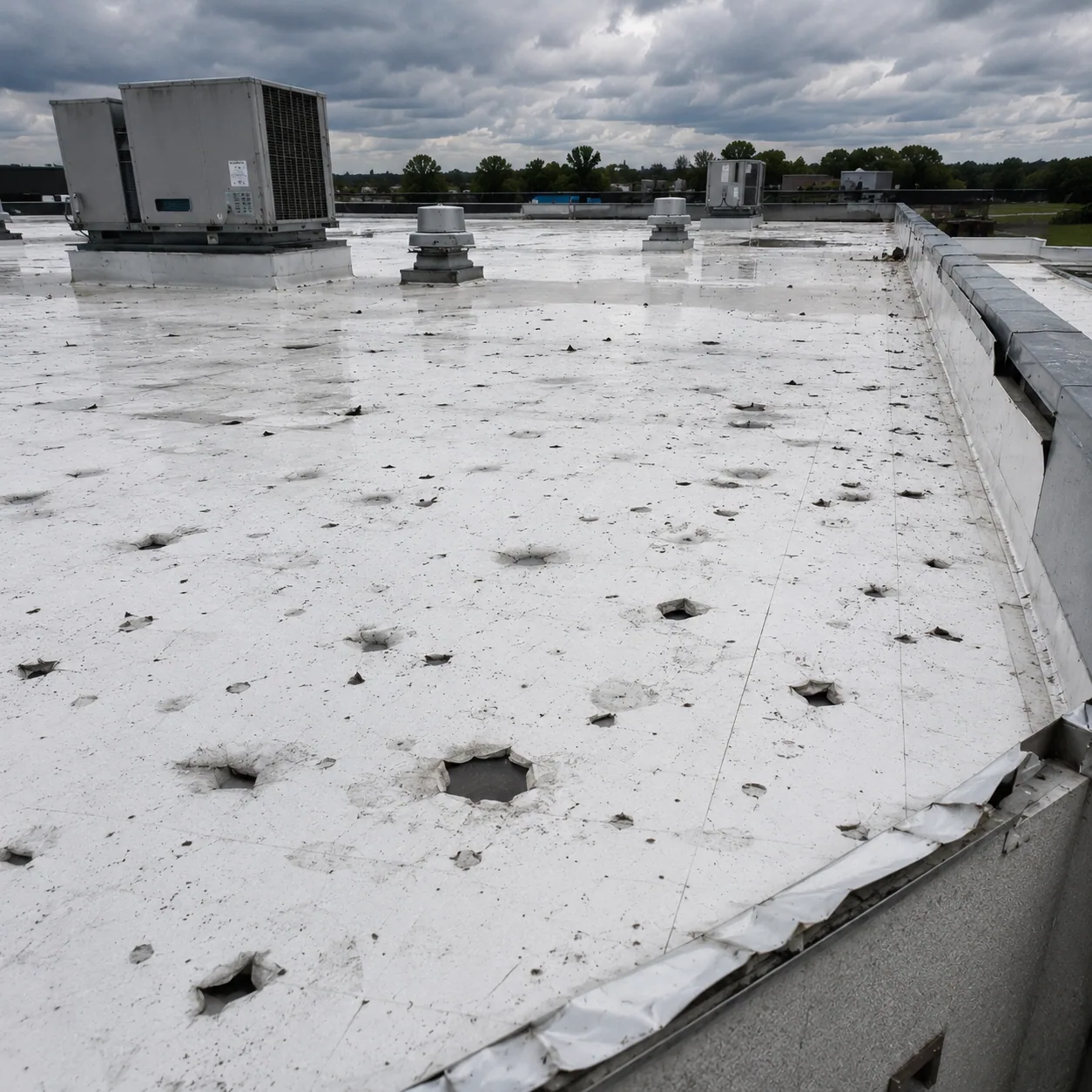
EPDM can show surface weathering, cuts, punctures, or movement where the sheet pulls against a curb or perimeter. We look for exposed reinforcing scrim, open flashing corners, loosened terminations, and areas where a sheet has contracted enough to stress an edge. The inspection distinguishes surface appearance from a defect that affects water control. Aged or contaminated rubber may need cleaning and preparation before a compatible repair can bond. If the sheet is brittle, saturated below, or detached from its base, a surface patch may not address the condition.
Contact with oils, fuels, solvents, or some rooftop products can affect rubber and repair materials. We document any visible spill or residue and identify the substance if facility records can confirm it. No assumption about compatibility should be built from color alone. A coating or adhesive proposal needs product data that matches the EPDM and the surface preparation. Compare a TPO single-ply option only after reviewing the existing substrate, seam approach, and project requirements side by side.