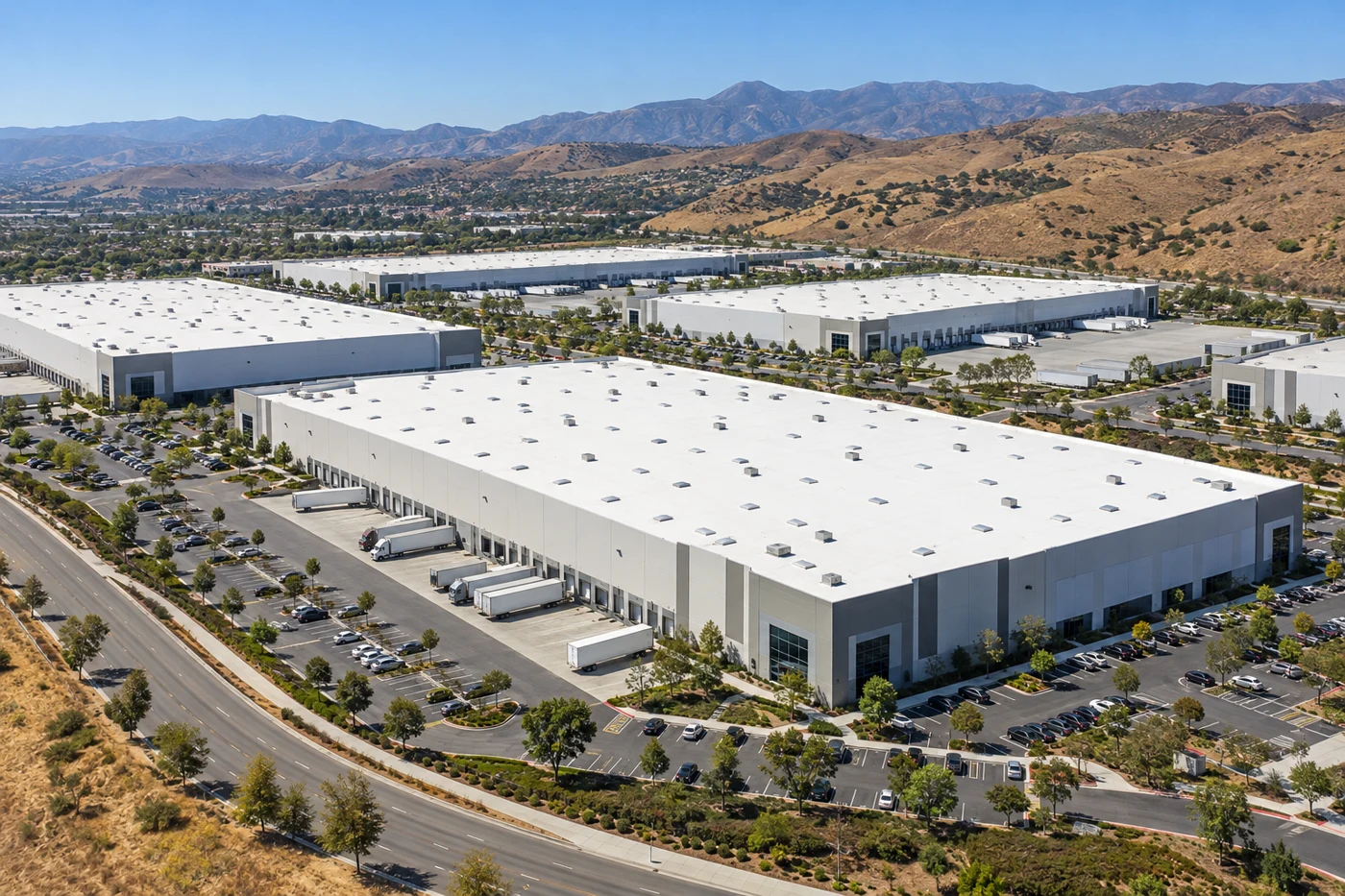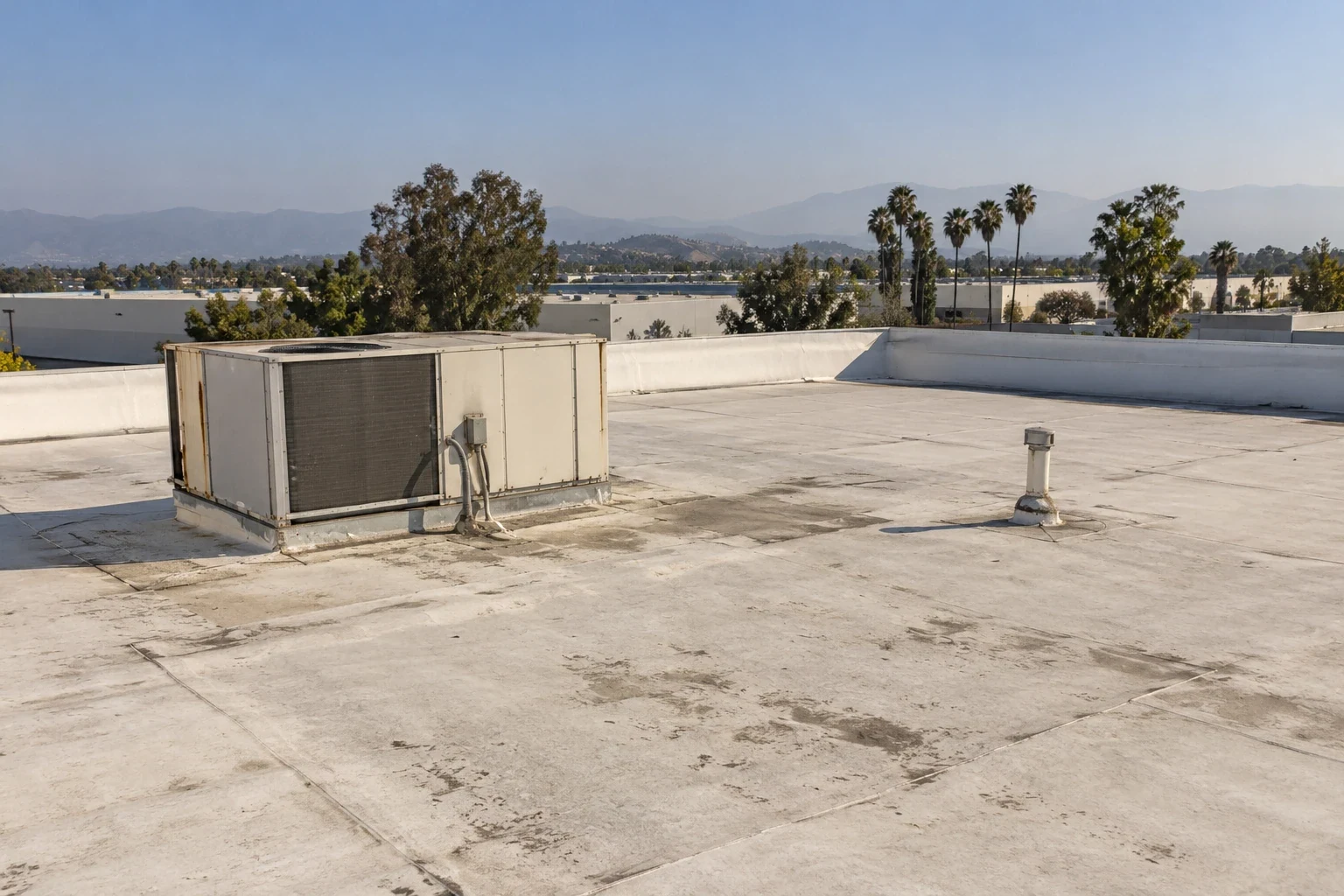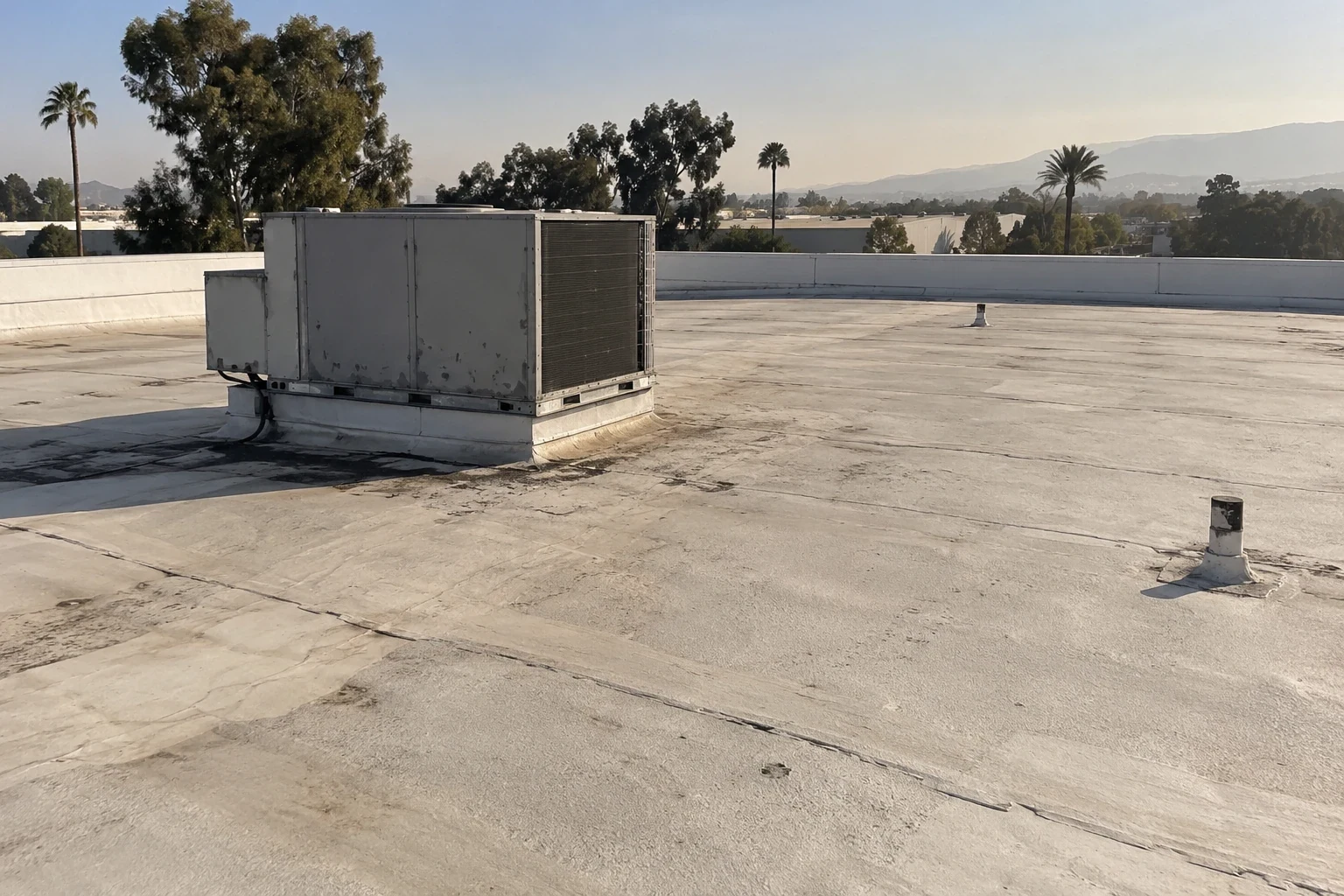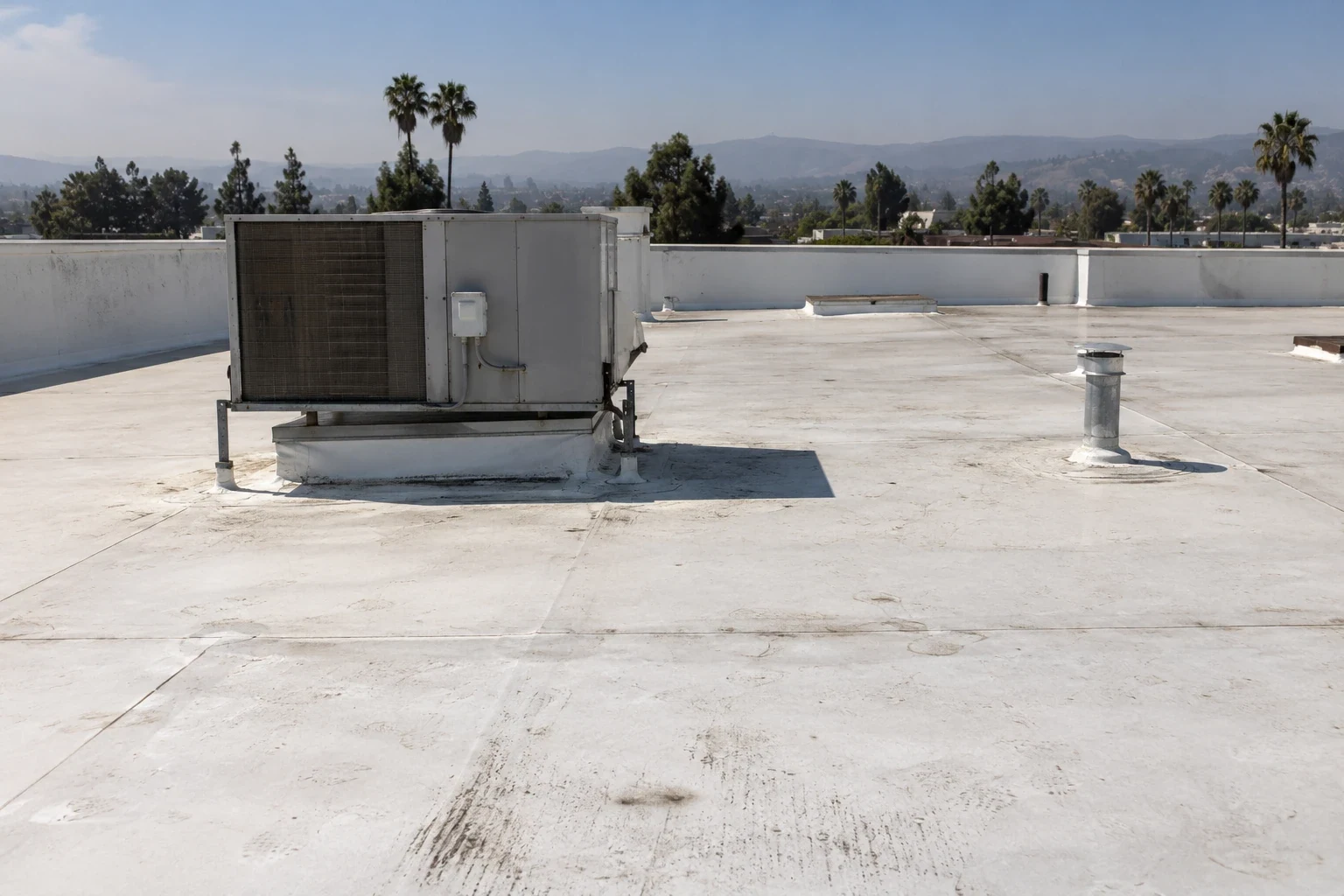
Simi Commerce Center is the alternate name the City uses for Voit Simi Business Park, a privately invested commercial and industrial project in Simi Valley, CA. That history identifies the business park, not the age or condition of any roof there. A current roof decision still begins with the existing membrane, edge details, drains, equipment curbs, and any leak record the owner can provide. We photograph the areas inspected and separate visible defects from conditions that need moisture testing. The resulting scope can address a repair, a recovery review, or full replacement without assuming that the whole property shares one assembly. A roof inspection sets the evidence boundary before the facility manager chooses a repair path.
Read the property record
Prior repair tickets, roof plans, warranty files, and closeout photos can narrow the inspection, provided they identify the building and roof zone. The City lists Simi Commerce Center as another name for Voit Simi Business Park and notes private investment in the park. Its land-use framework places business parks within office, research-and-development, and light-industrial activity, with a limited range of commercial uses. These facts describe the area and planning classification; they do not establish what a particular owner has installed. We compare records with the visible roof and note any mismatch before specifying materials or warranty work.
A facility manager can help by identifying past leak locations, shutdown restrictions, and areas that cannot be accessed during occupied hours. We mark the inspection limits on a roof plan or photo set and note when equipment blocks a view. If records refer to a membrane type, we verify the material at the roof before using that label in the scope. For a written roof condition report, the conclusion ties each recommendation to a photo, observed detail, or test result. It should also state which question remains open and what would resolve it.
Confirm the assembly in place
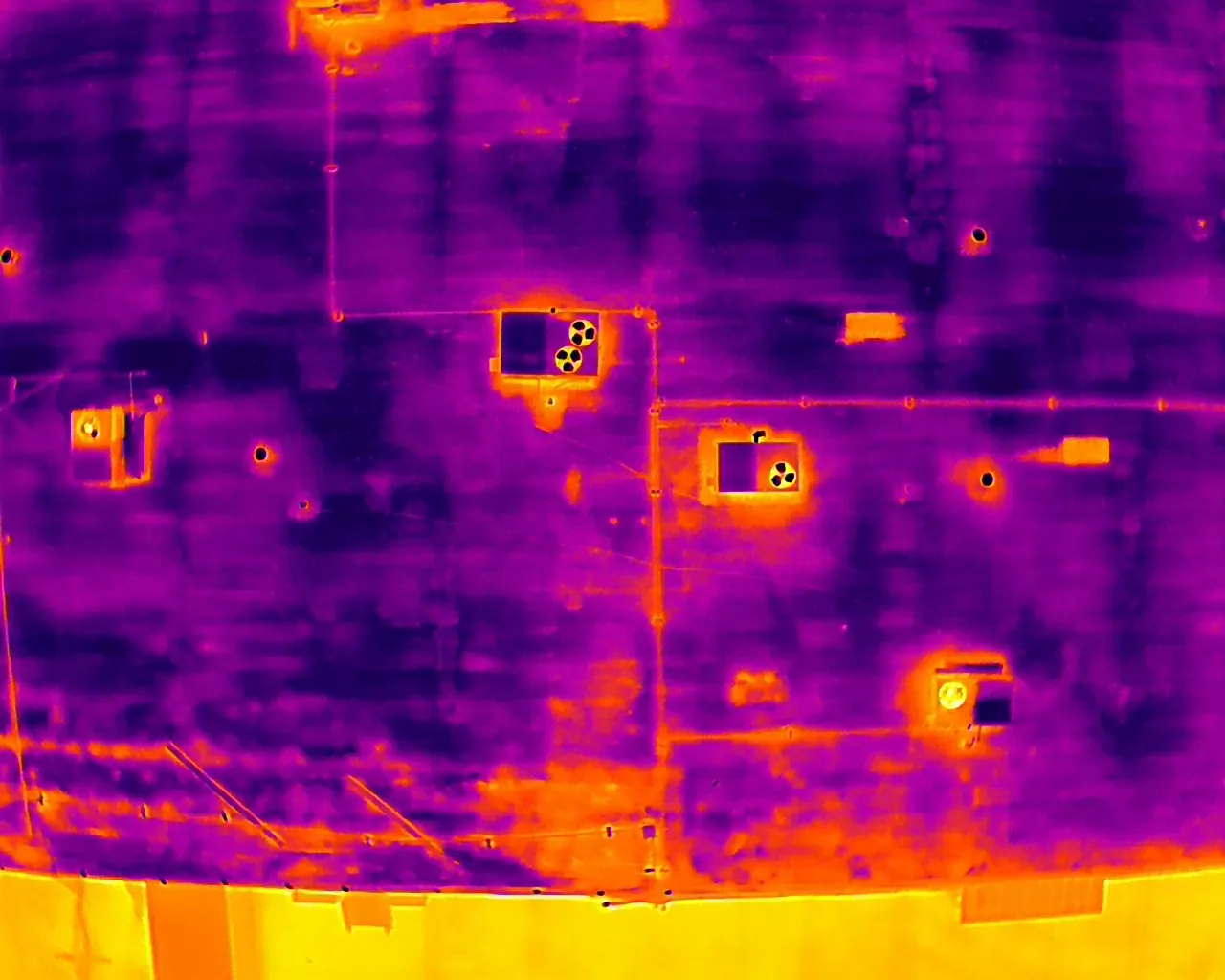
Different roof systems can sit on similar-looking flat surfaces. We check the membrane surface, seams, flashing turns, penetration details, edge metal, and drainage features to identify the assembly where possible. A patch from an incompatible material can fail at the bond line even when the defect looked small. The inspection records what can be confirmed, then identifies a test or controlled opening if the layer sequence remains uncertain. That detail matters before coating or recovery because concealed moisture and attachment can change the recommended scope.
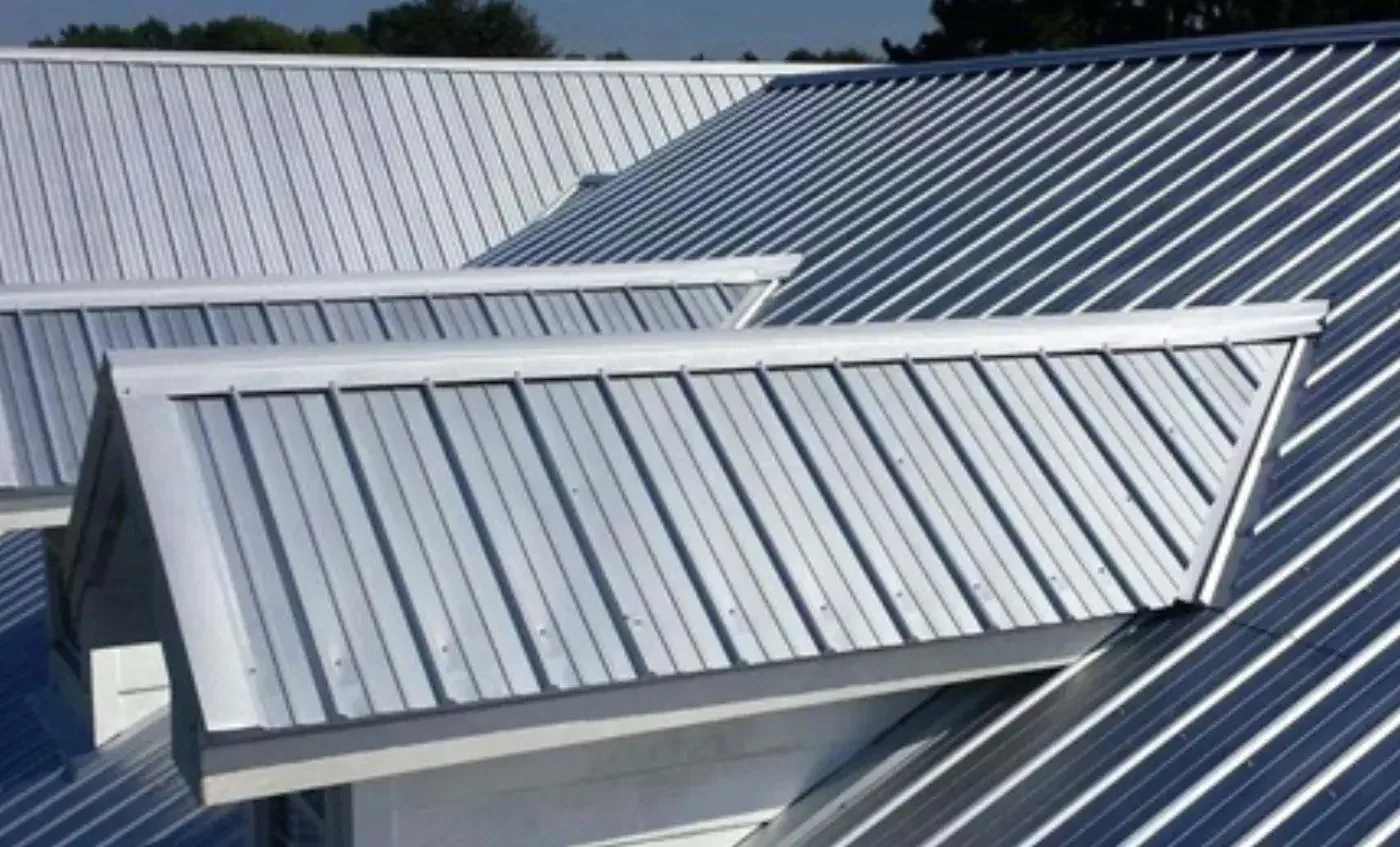
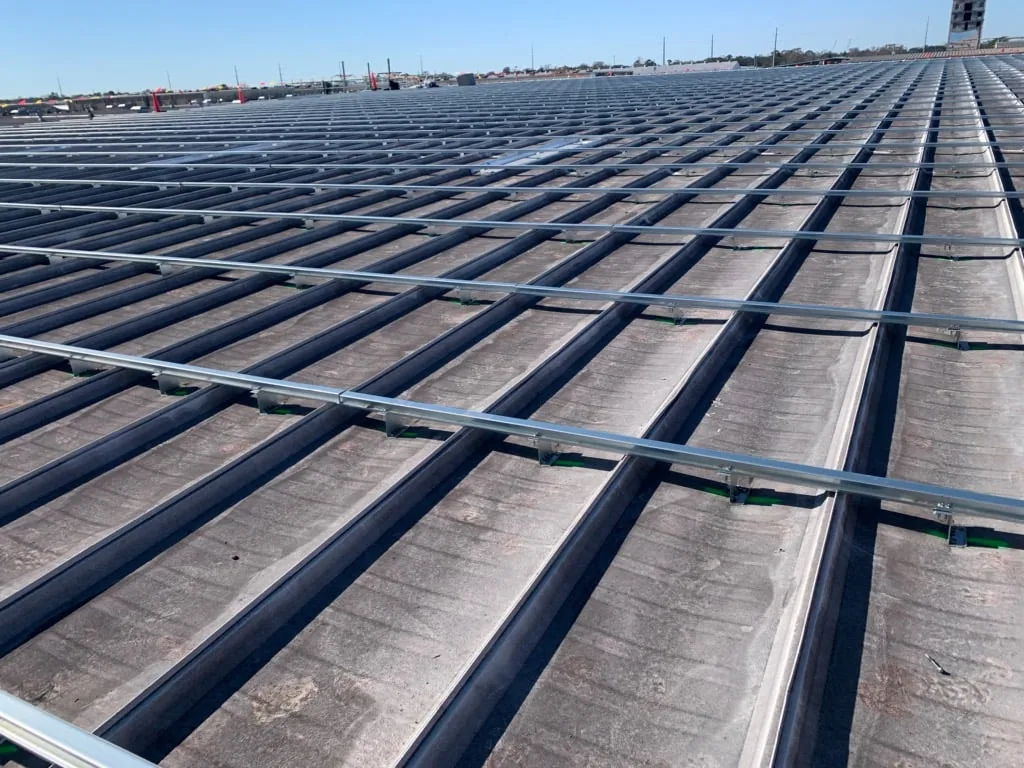
For a thermoplastic membrane, seam welds and terminations deserve close review. An EPDM assembly has different seam tape and flashing details, while a metal roof adds panel seams, fasteners, and movement at transitions. We do not select a product based on the business park's land-use category. We select a method after the roof system is identified and the substrate is checked. The TPO system and standing-seam metal assembly use different details, so the condition report keeps those options distinct instead of treating them as interchangeable.