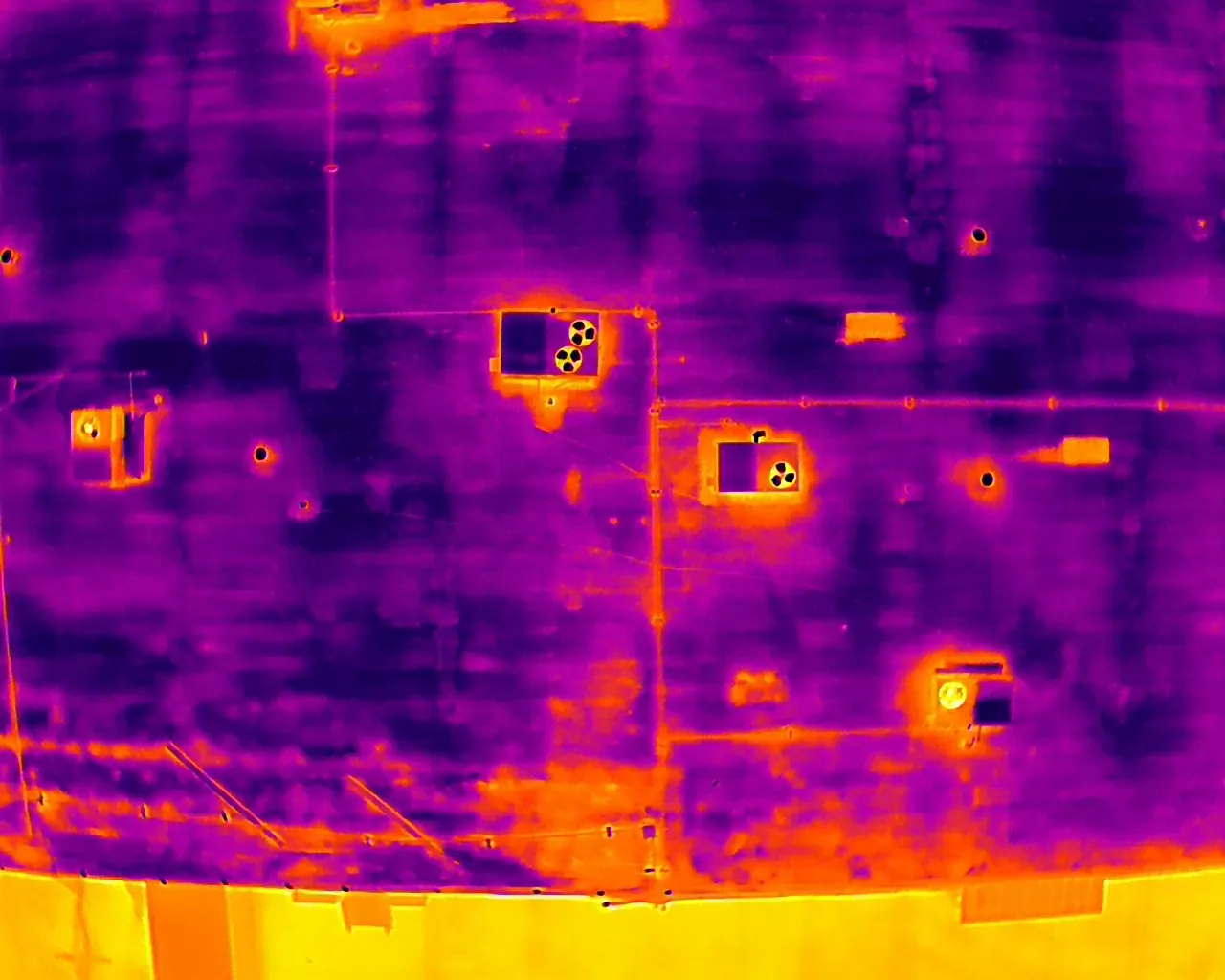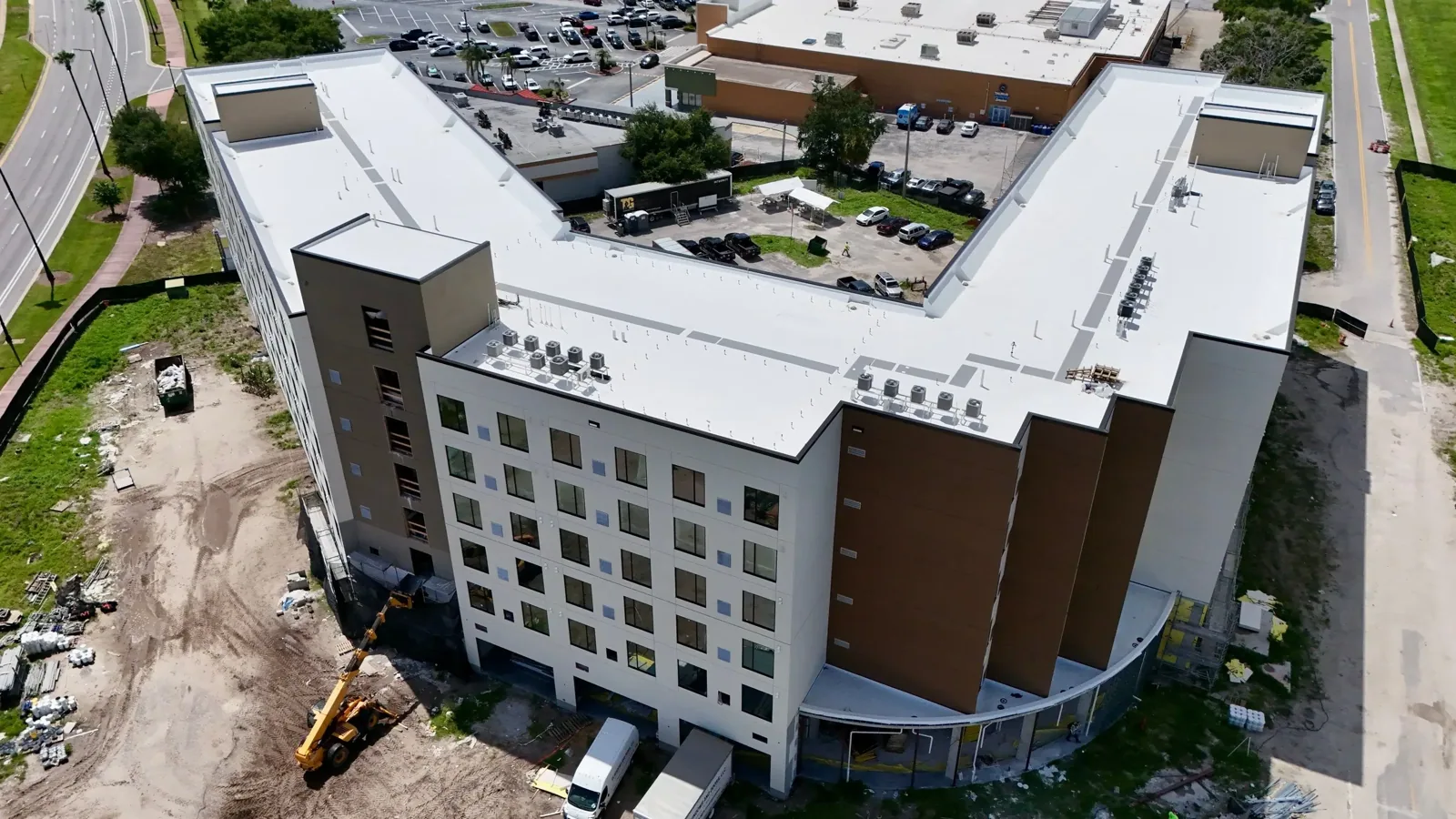
Wind can lift an edge, move a panel, or expose a seam before water appears inside. After a weather event in Simi Valley, we begin with the affected roof zone, safe access, and conditions that changed. The General Plan identifies periodic Santa Ana winds as regional hazard context, but that does not establish damage at a particular property. We compare the facility report with the roof surface, photograph visible conditions, and mark any opening that needs temporary protection. A commercial roof inspection then separates confirmed damage from the questions that need testing or a second visit.
Control the immediate exposure
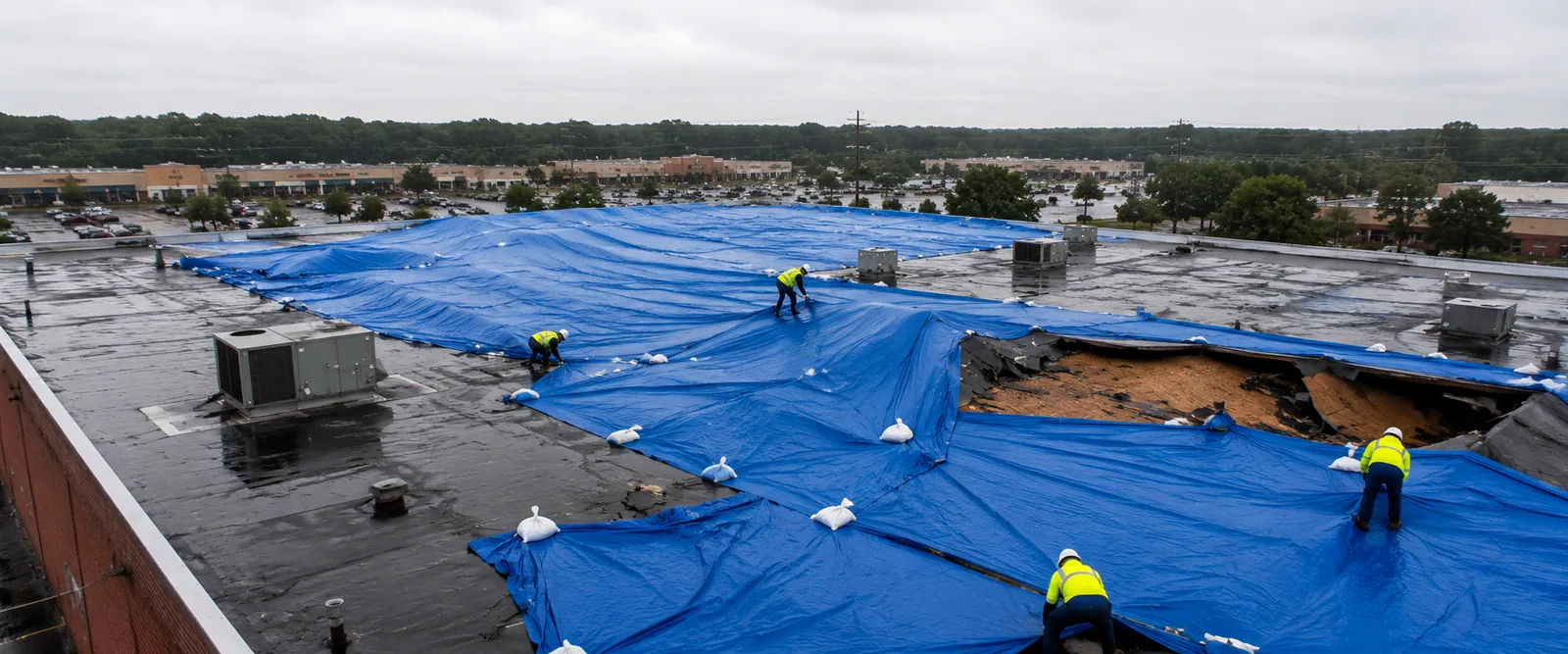
Active water entry calls for protection below and a safe plan above. The facility contact should identify affected rooms, equipment, inventory, and any areas that must remain open. We confirm the roof hatch, escort, fall protection, and route to the reported zone before dispatch. If a membrane is loose or a metal panel is unstable, the crew does not cross that area by assumption. We establish where temporary stabilization can be placed, what remains exposed, and which interior measures the building staff can take while a permanent scope is prepared.
The City lists State Route 118, Los Angeles Avenue, Cochran Street, and Tapo Canyon Road among its major arterial or evacuation routes. That context may help a dispatcher understand the service area, but the site contact still gives the entrance, loading restrictions, and roof-access instructions for the property. A West End district response does not imply access to a tenant or facility. The affected building and roof zone must be confirmed before a crew sets material or equipment.
Temporary protection is labeled with its extent and revisit condition so it does not get mistaken for the completed repair.
Separate impact from prior conditions
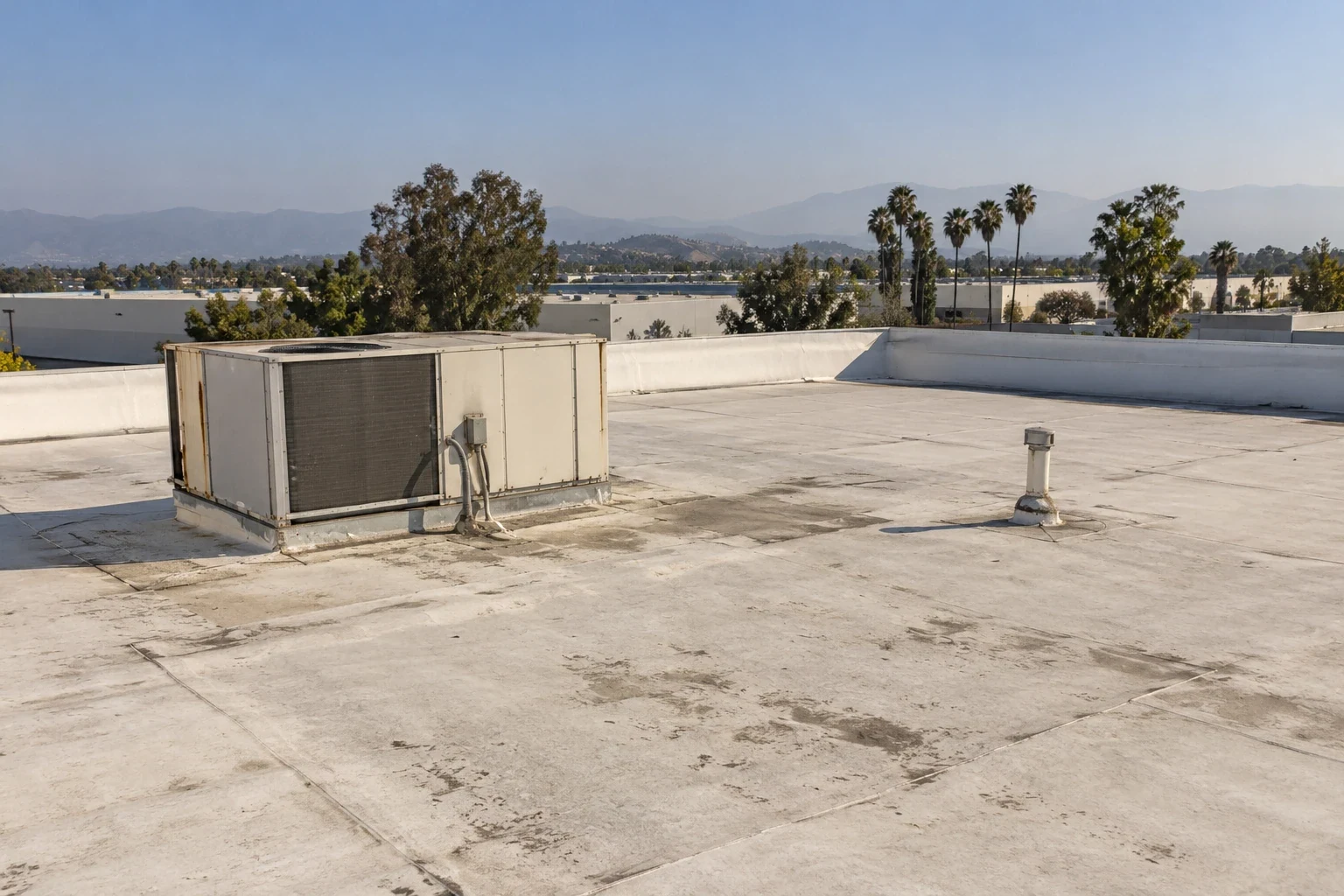
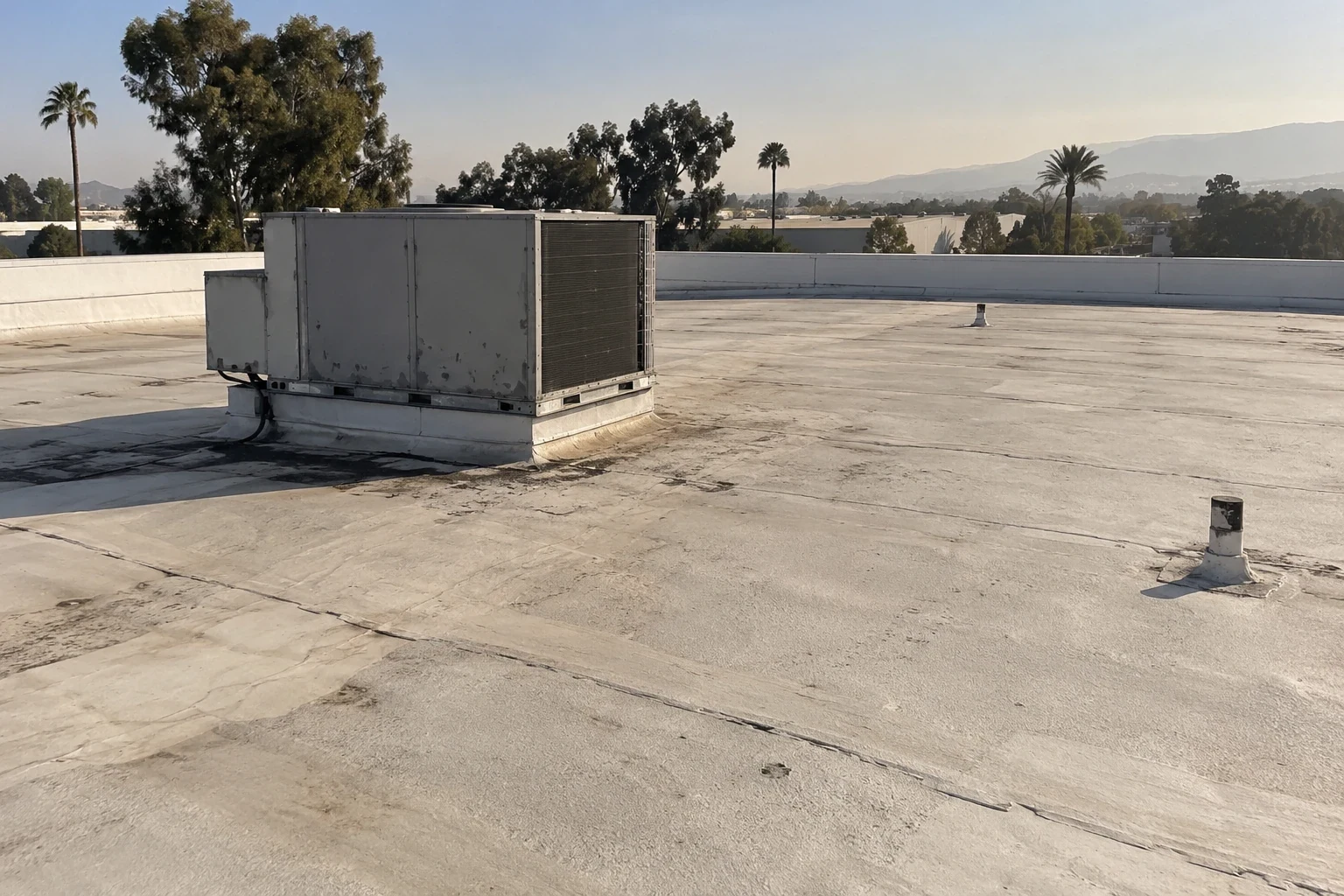
A storm visit records what changed and what was already present when the roof was opened. We inspect membrane seams, metal laps, edge terminations, curbs, drains, skylights, and wall transitions near the reported area. Fresh displacement, a new opening, puncture, or lifted flashing may support a repair; older patching or surface wear needs its own description. The photo set includes a roof-zone label and a wider view that connects the detail to the building plan. We keep observations separate from suspected causes until the surrounding assembly has been checked.
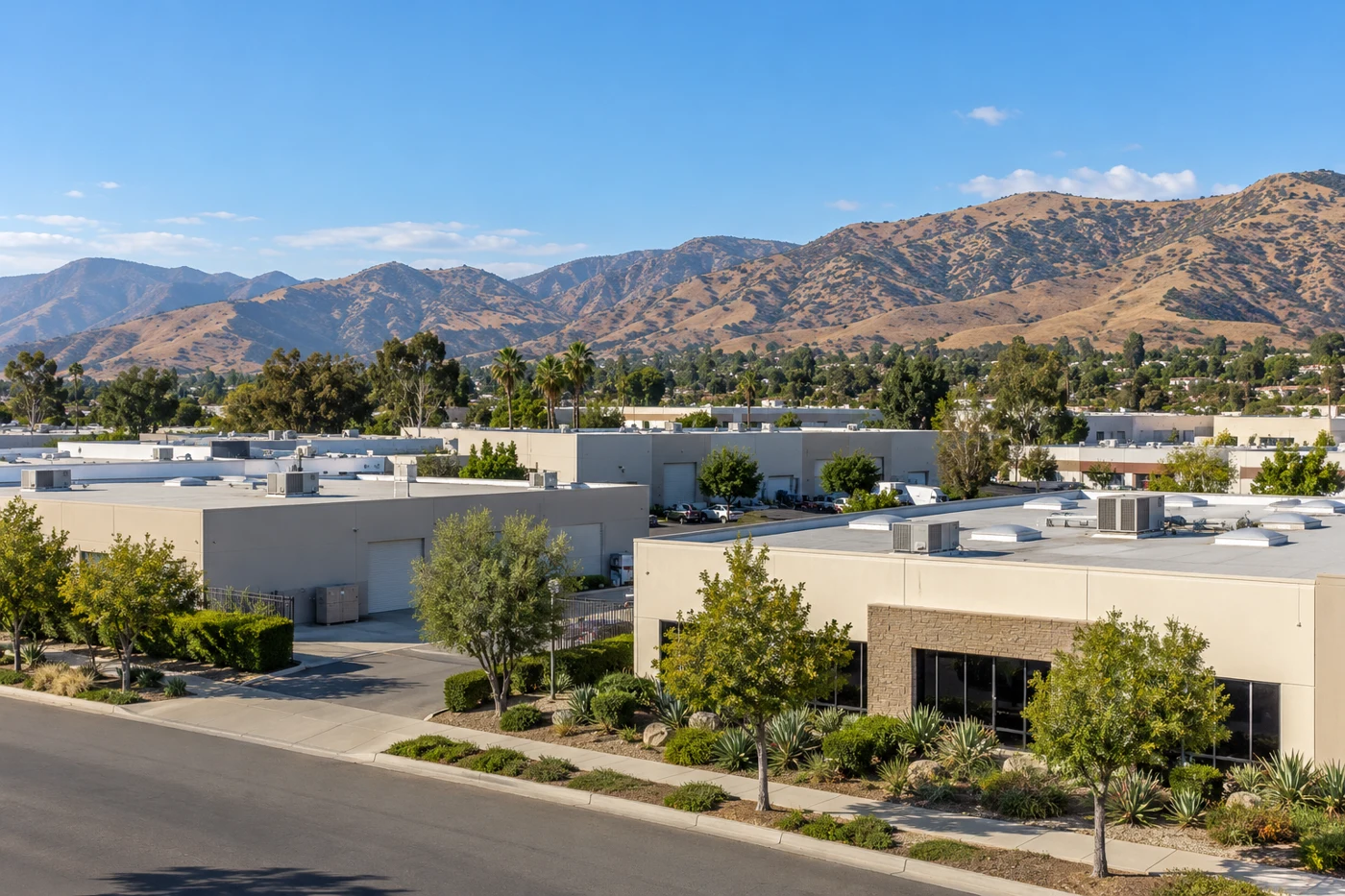
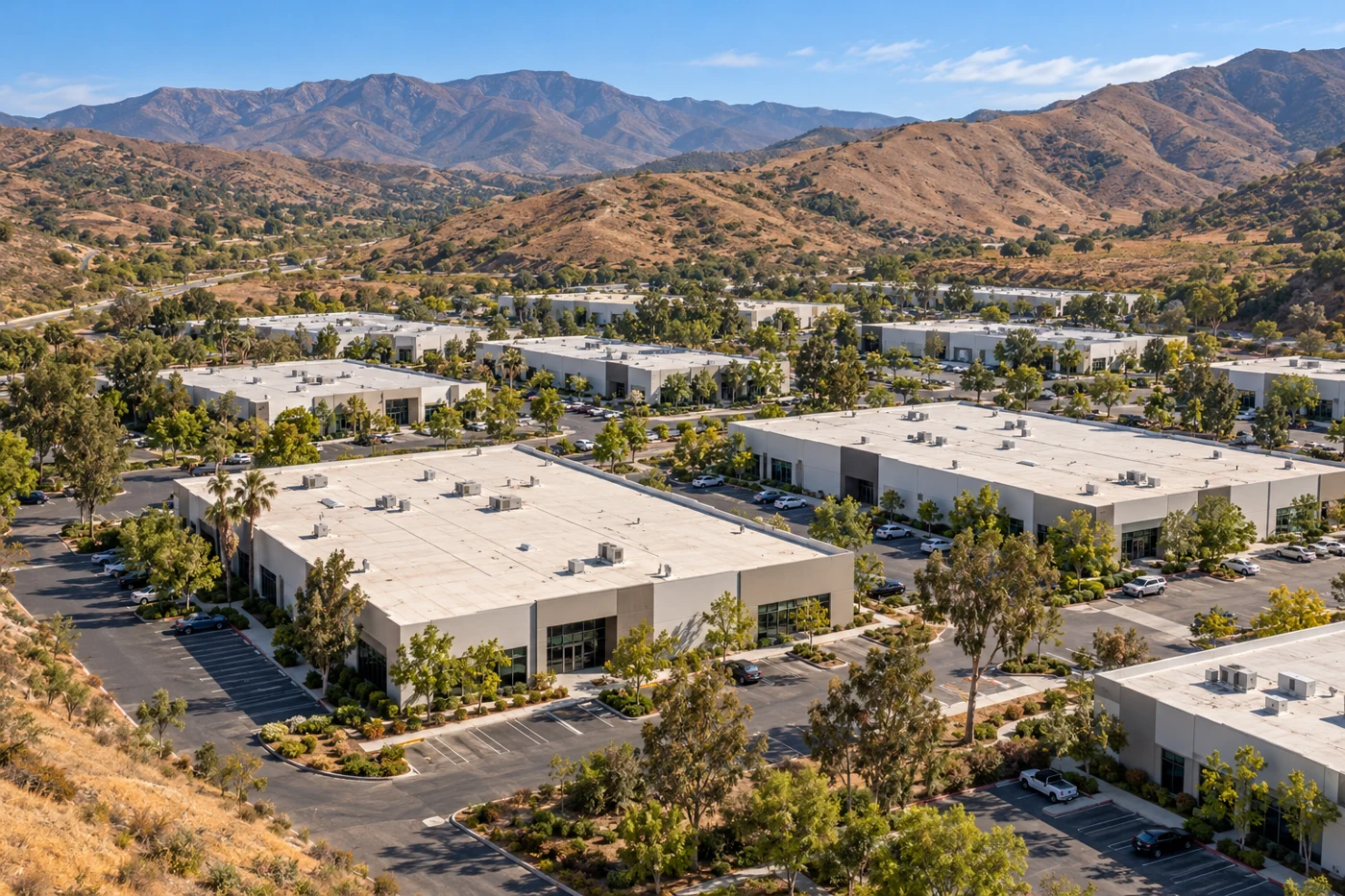
The West End Specific Plan area covers a broad industrial district near State Route 118 and Easy Street. Tapo Canyon Business Park is a separate service area in southeastern Simi Valley. For either location, we use the named property and its roof-zone map to set the repair boundary after a storm, with access and production details confirmed by the facility contact. For a property near Tapo Canyon Business Park, we still verify the building access, roof assembly, and current condition on site.