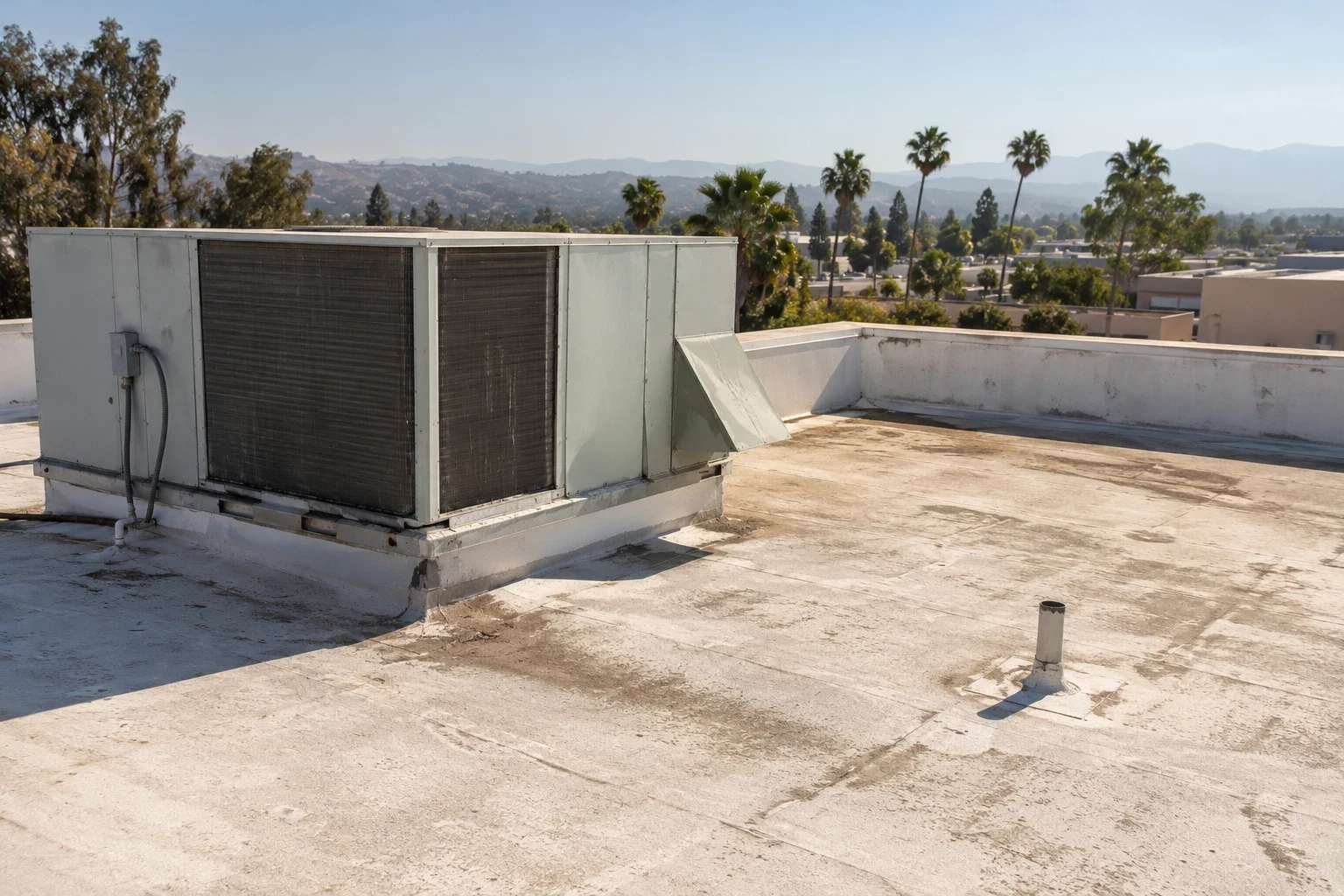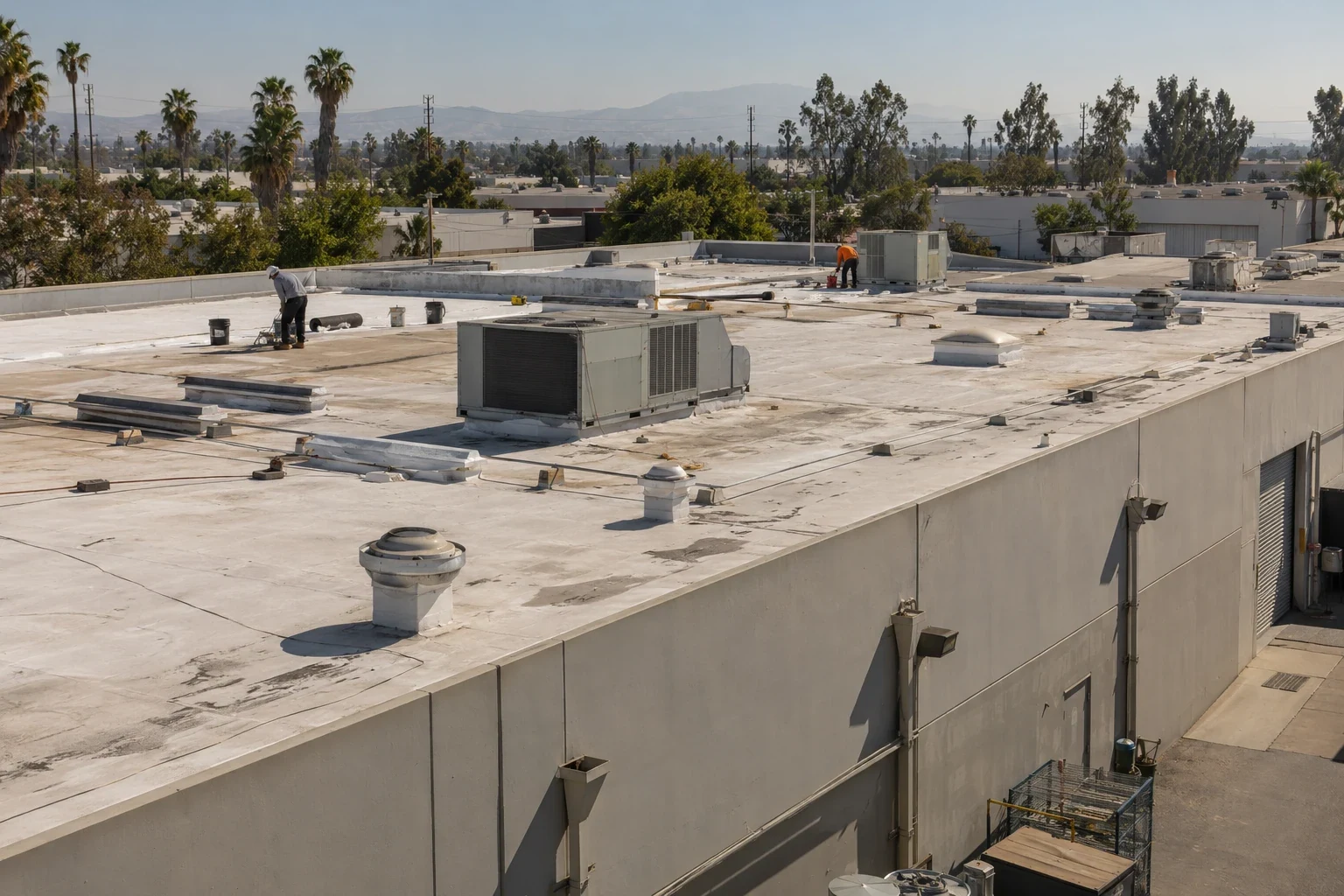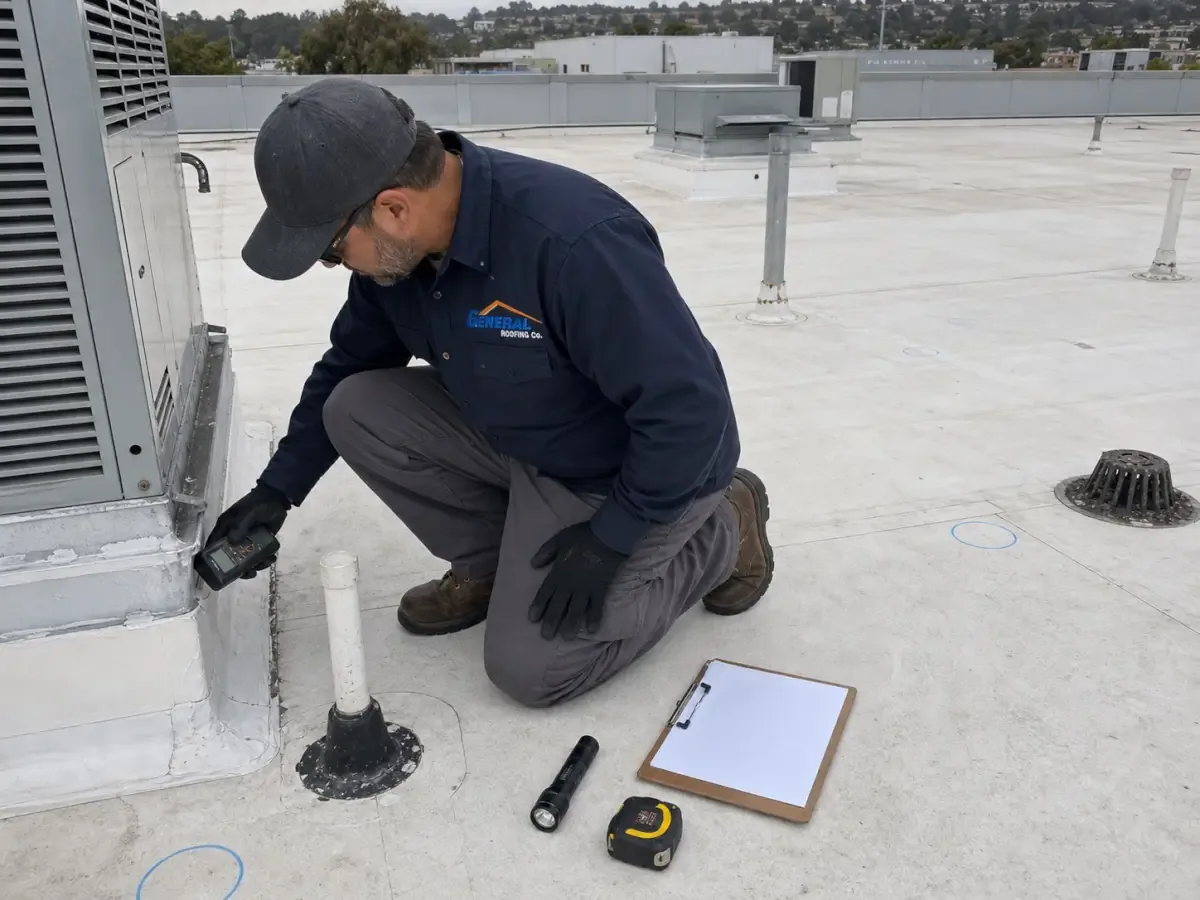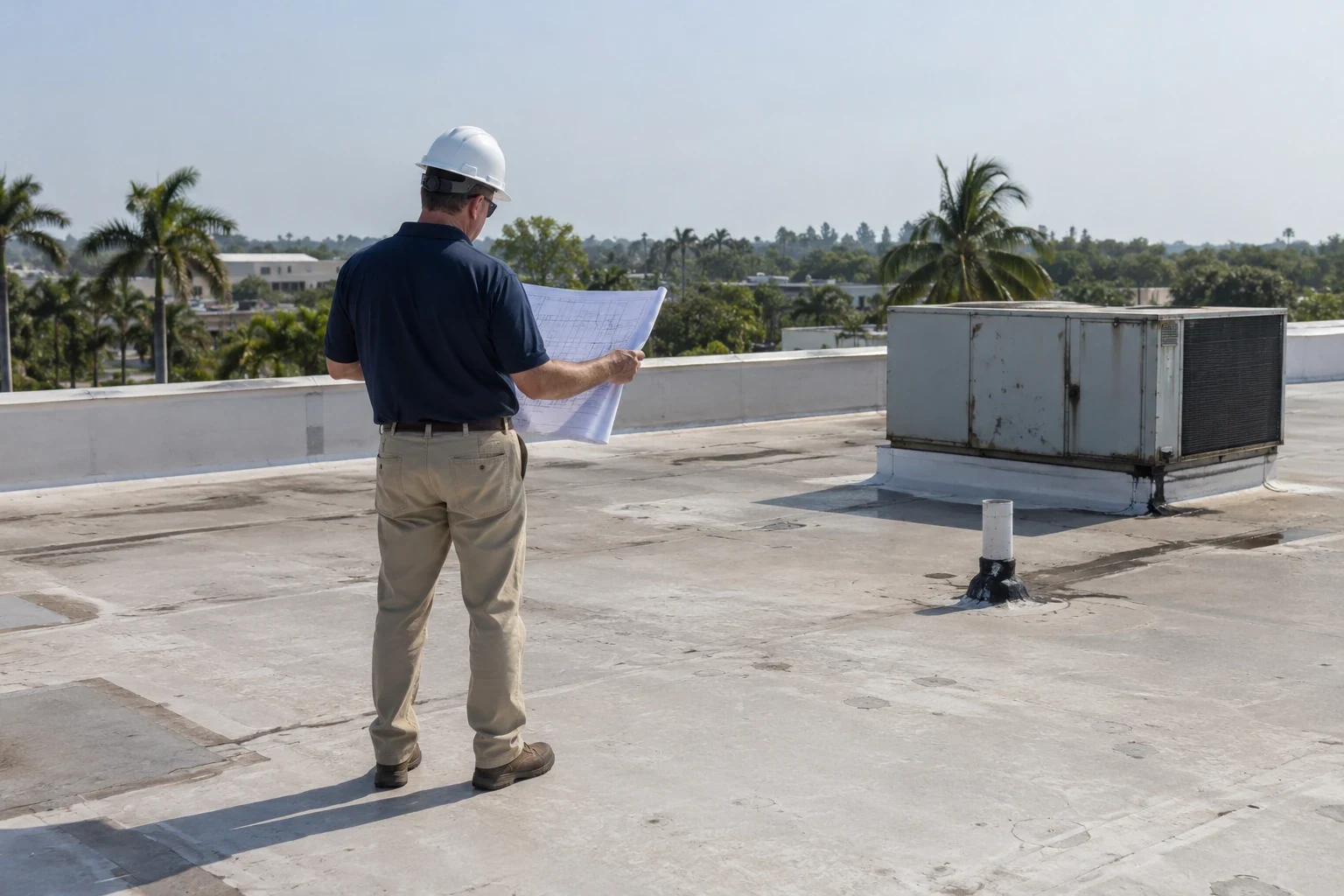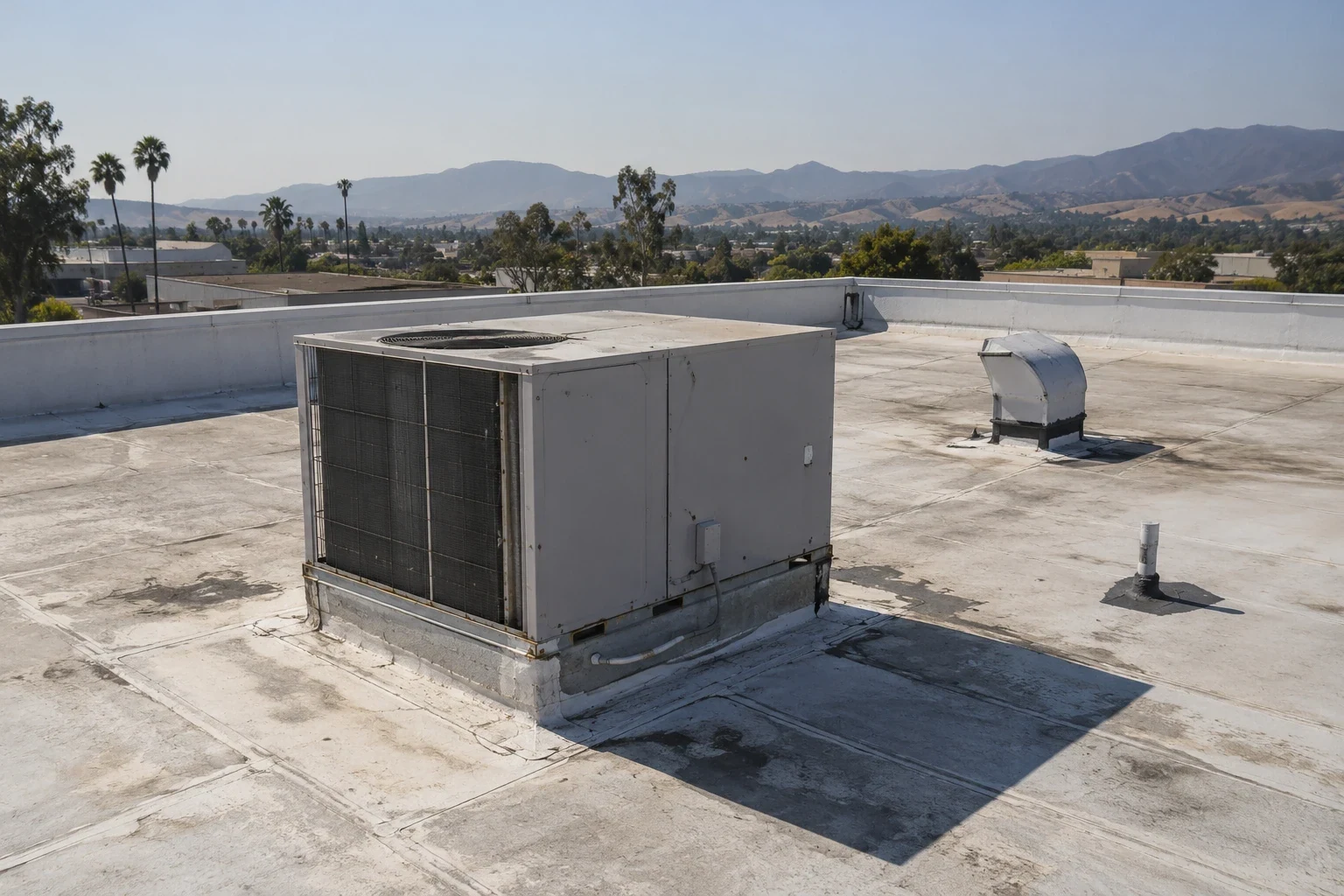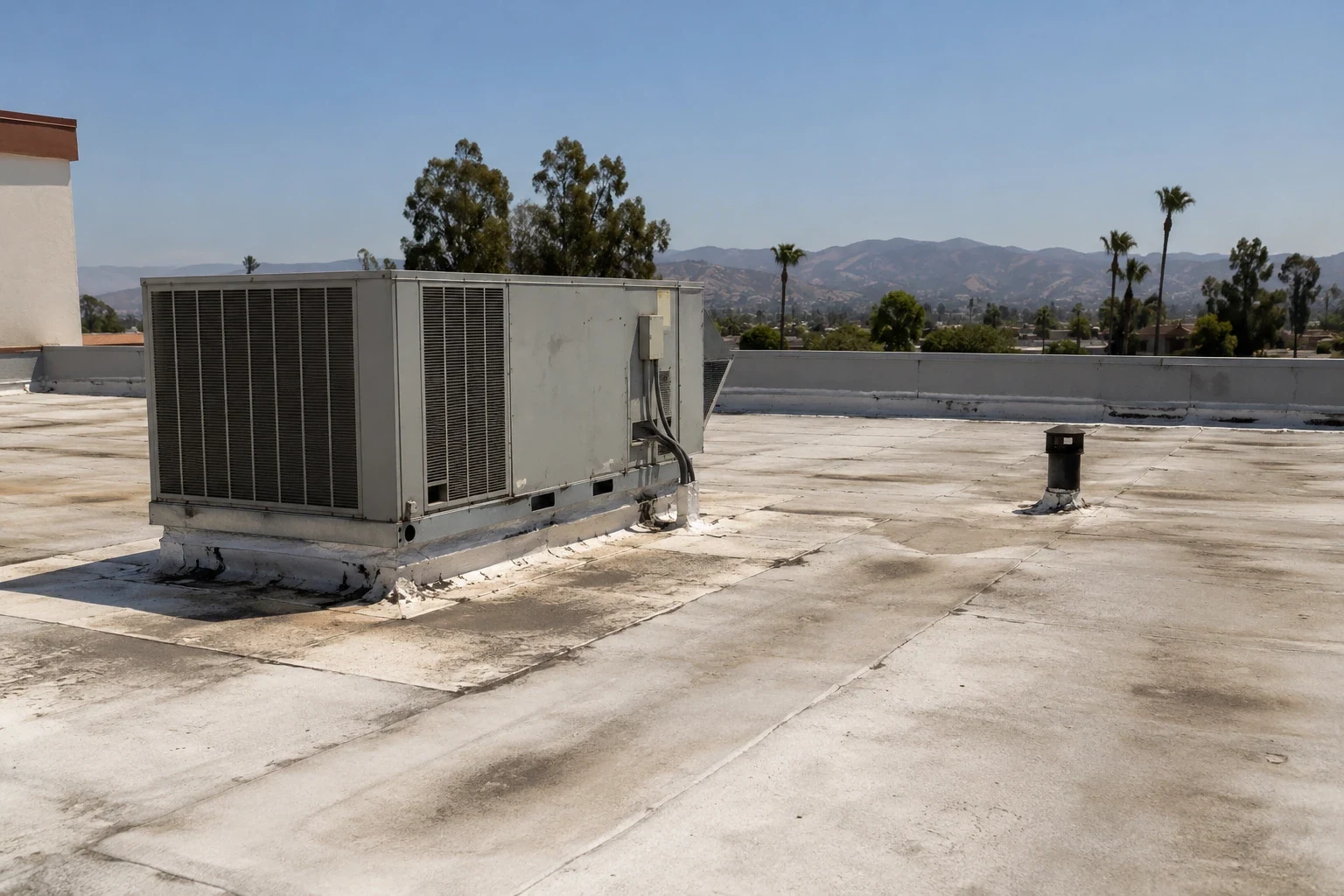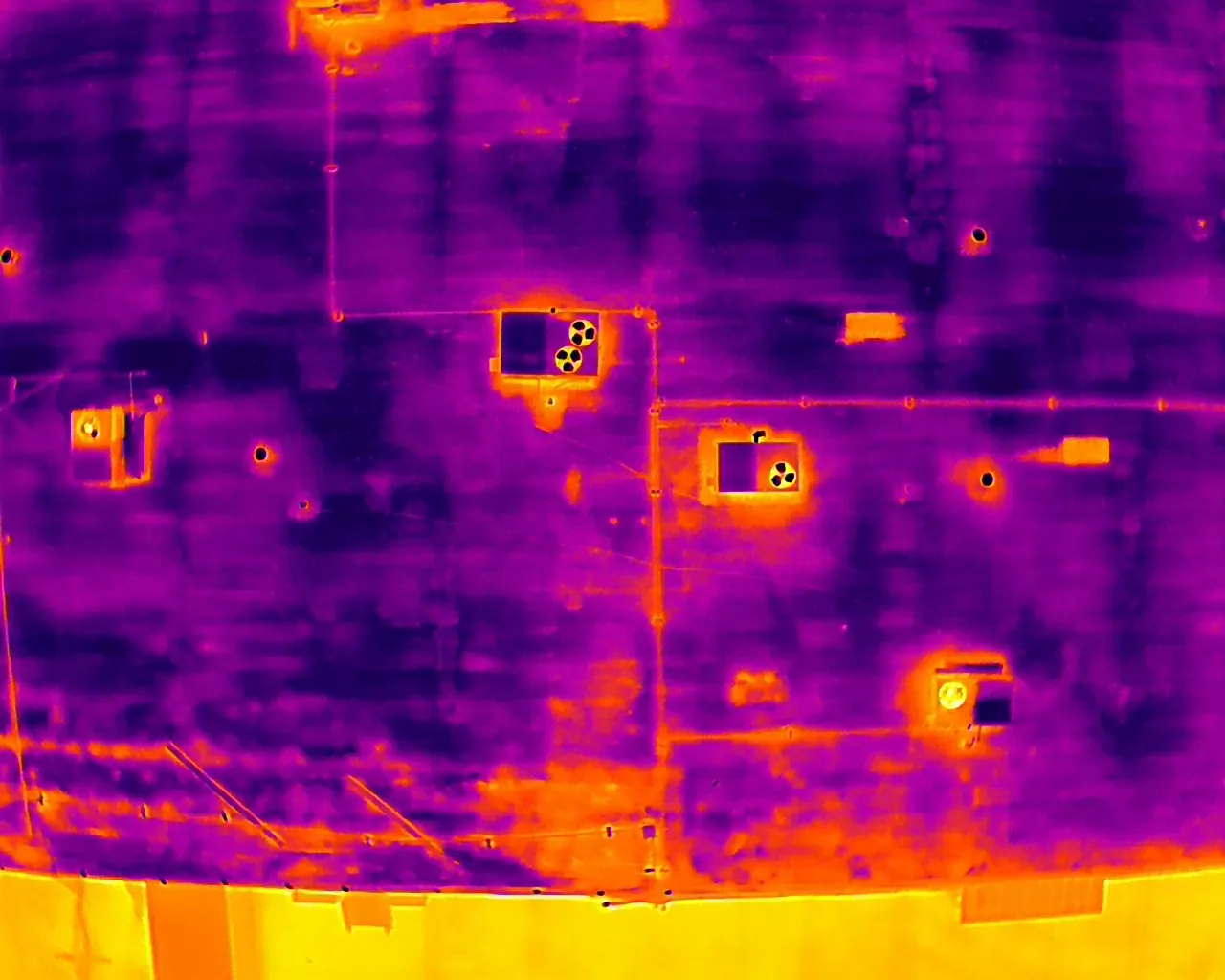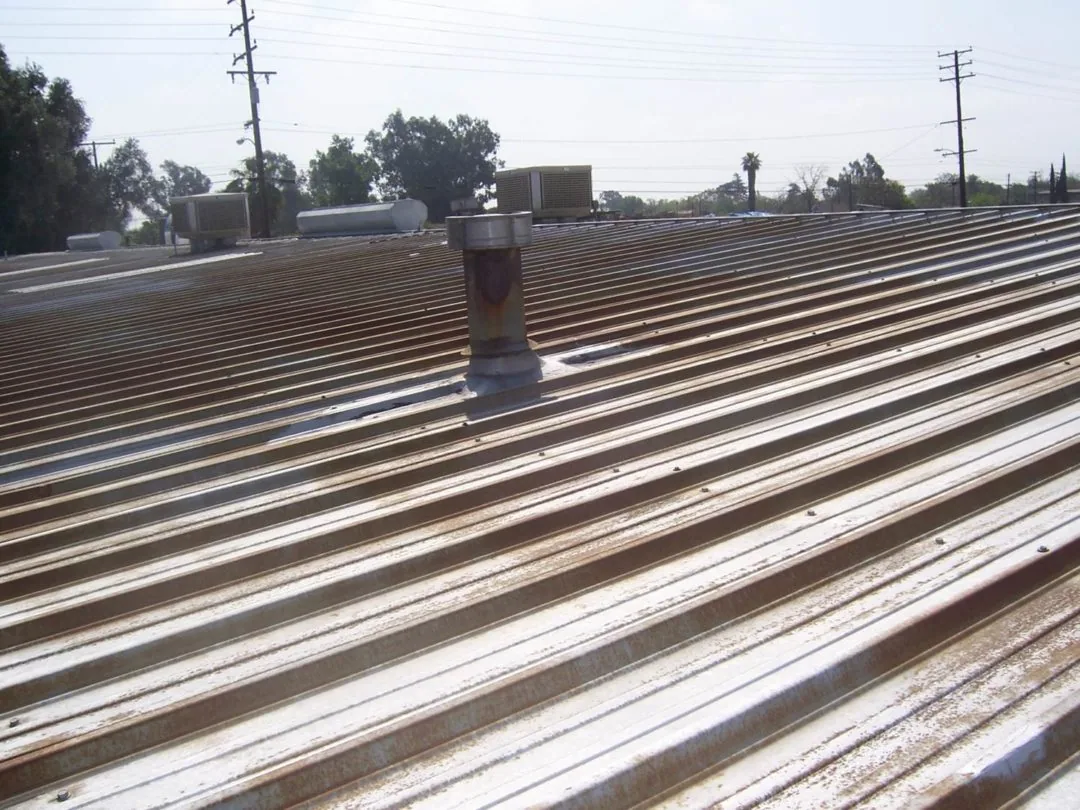
A useful roof condition report lets a facilities manager find the observed condition, understand its limits, and decide what needs attention next. We document the roof by system and zone, use dated photographs, and distinguish a confirmed defect from a concern that still needs testing. A close image should show the detail; a wider view should help another person locate it. Our roof asset record can carry those observations into repair history and future planning without turning a photo log into an unsupported remaining-life estimate.
The property context matters to access and scheduling. The City identifies Los Angeles Avenue and Tapo Street as commercial corridors where facade improvements have taken place. A building near either corridor still needs its own roof map, system identification, and inspection date. We confirm who can authorize roof access, where safe paths are available, and which areas were not inspected before drawing conclusions about the assembly.
Define what the inspection can answer
Before a site visit, we agree on the buildings, roof areas, access method, and question behind the request. A manager may need to locate recurring leaks, document a recent storm concern, prepare a maintenance scope, or compare several properties. Those objectives require different levels of testing. A visual review can record accessible surfaces and details; it does not reveal concealed wet insulation or verify every layer. The report states the method used and any limits caused by weather, access, equipment, or safety restrictions.
We identify each building and roof zone with a stable label. The report notes the apparent system only when the material can be identified and marks uncertain items for confirmation. A moisture survey or test opening may help answer a question that a visual inspection cannot resolve. We explain where added testing could change the repair boundary or scope so an owner can approve the next step deliberately.
Use photographs that support a decision
Photographs are evidence only when a reader can tell what they show. We label the date, building, zone, direction, and relevant detail in the report. A drain image should include enough surrounding roof to identify the location; a close view can then document debris, sealant, or a visible defect. We avoid describing a concealed condition from a surface photo. If a picture cannot support a conclusion, the text says so and identifies the inspection or test needed.
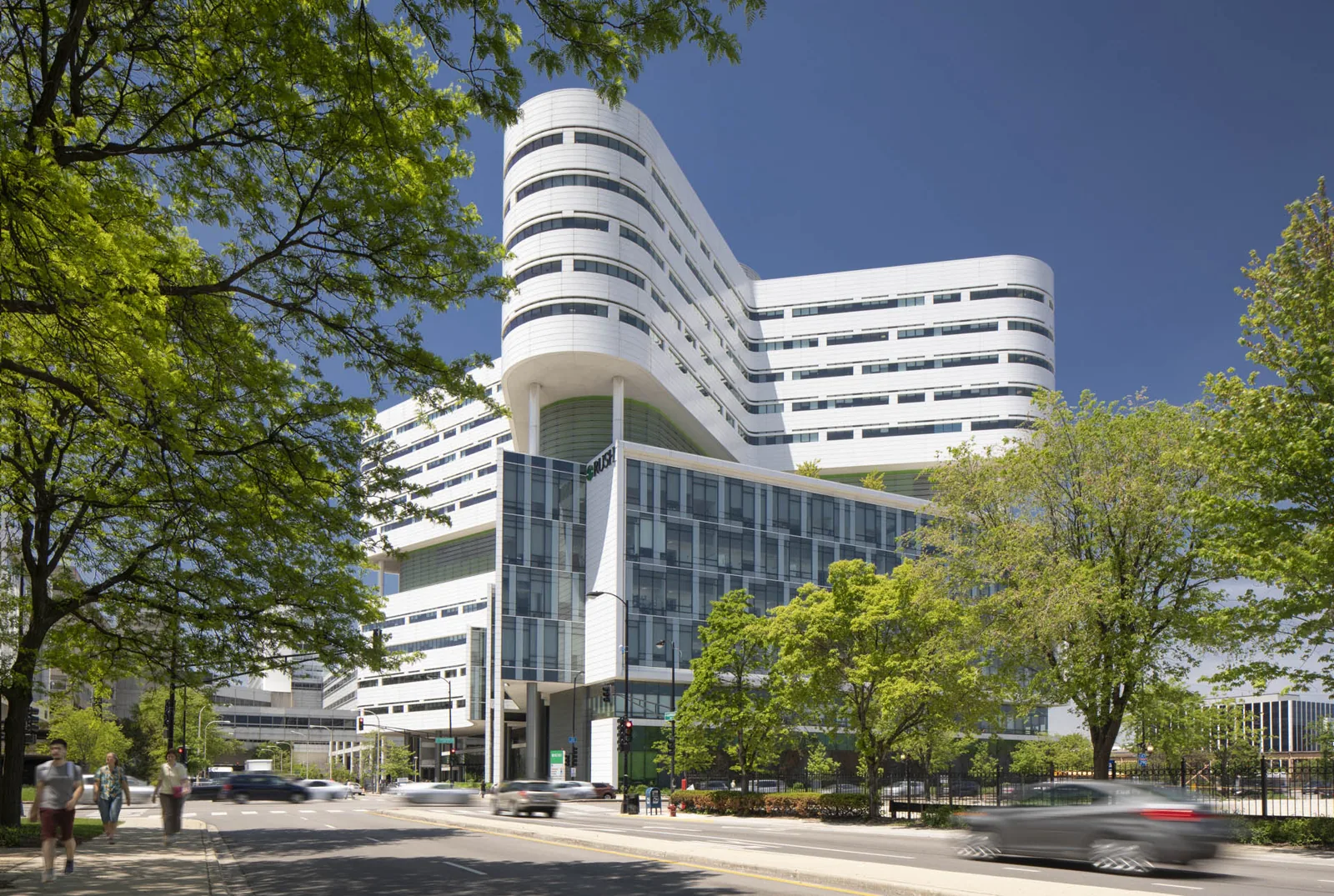
For a property in the West End area, the City's planning materials describe industrial uses along with business, research, office, and development parks. That land-use context can help a manager organize records by facility type, but it is not evidence about a particular roof. We tie each photo to the actual property and inspection route. A multi-building report format can keep identifiers consistent across sites while allowing the findings to remain specific to each roof.