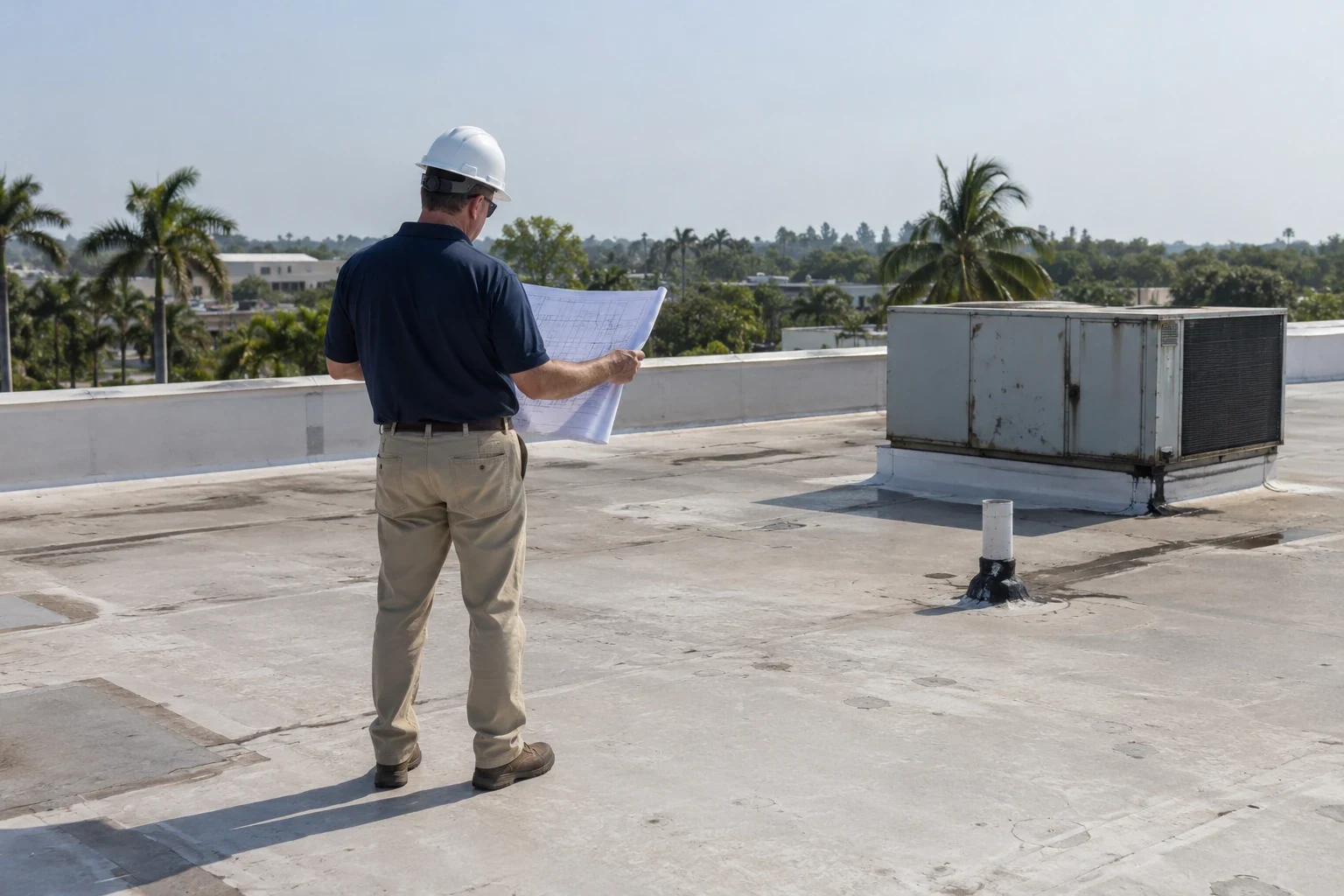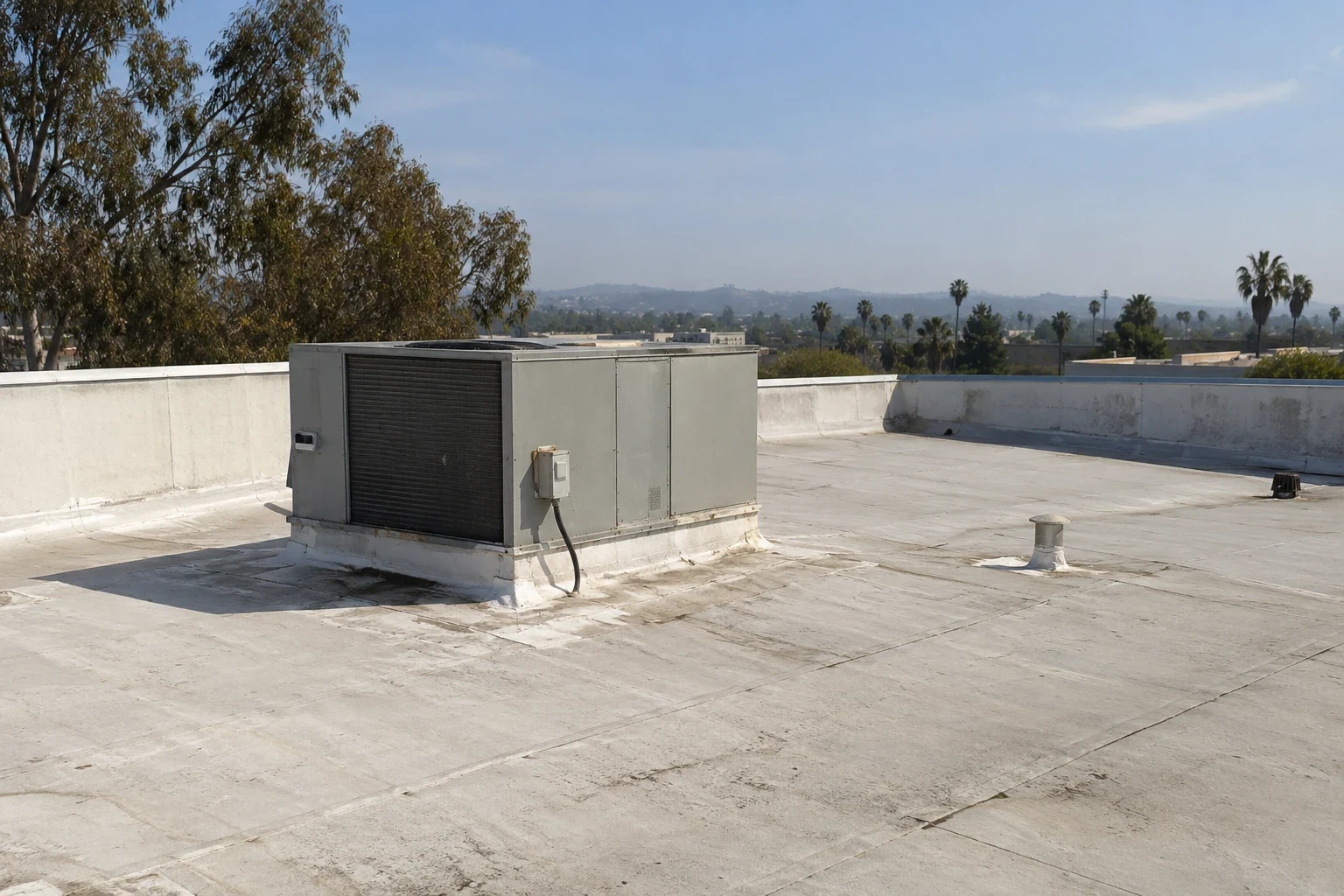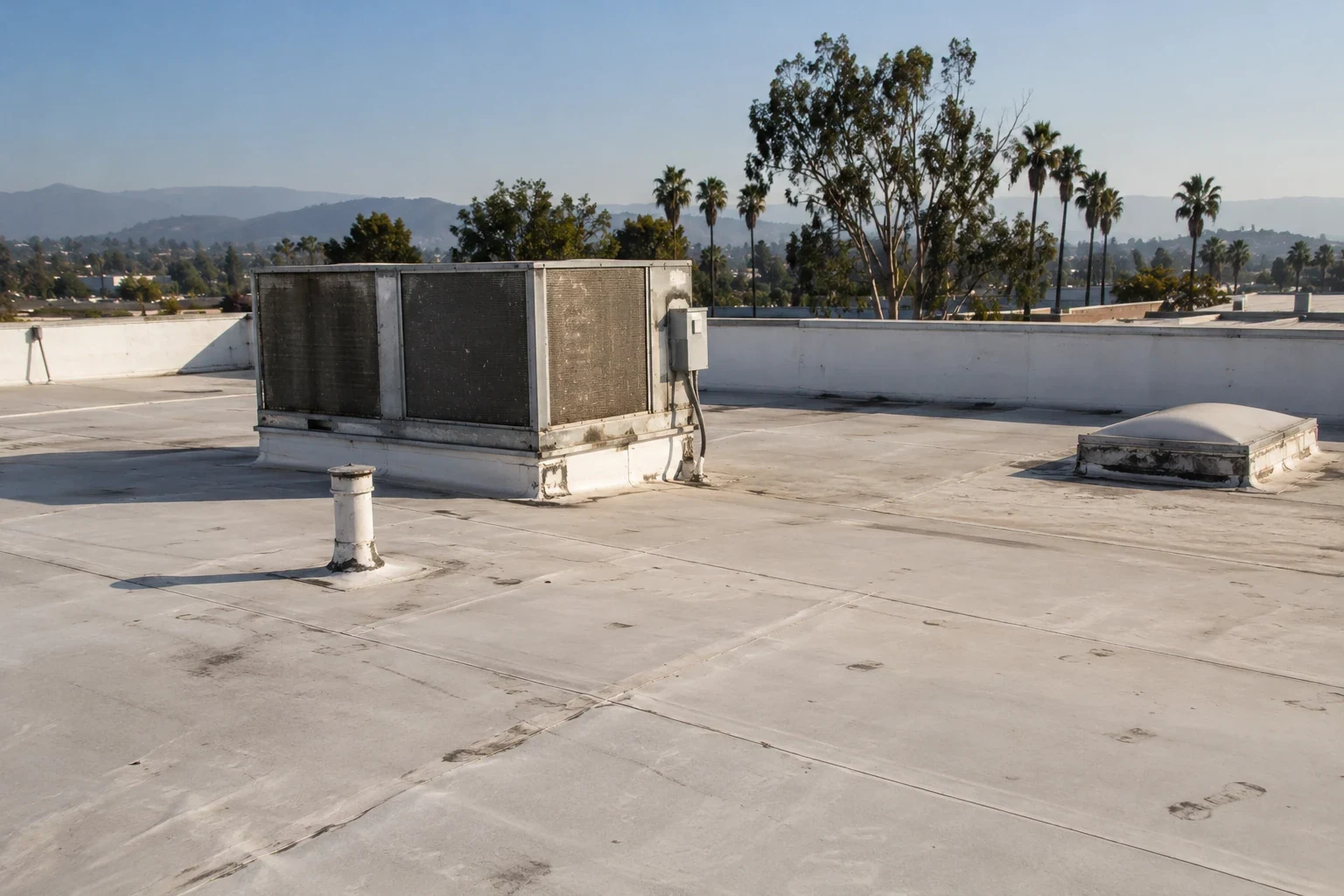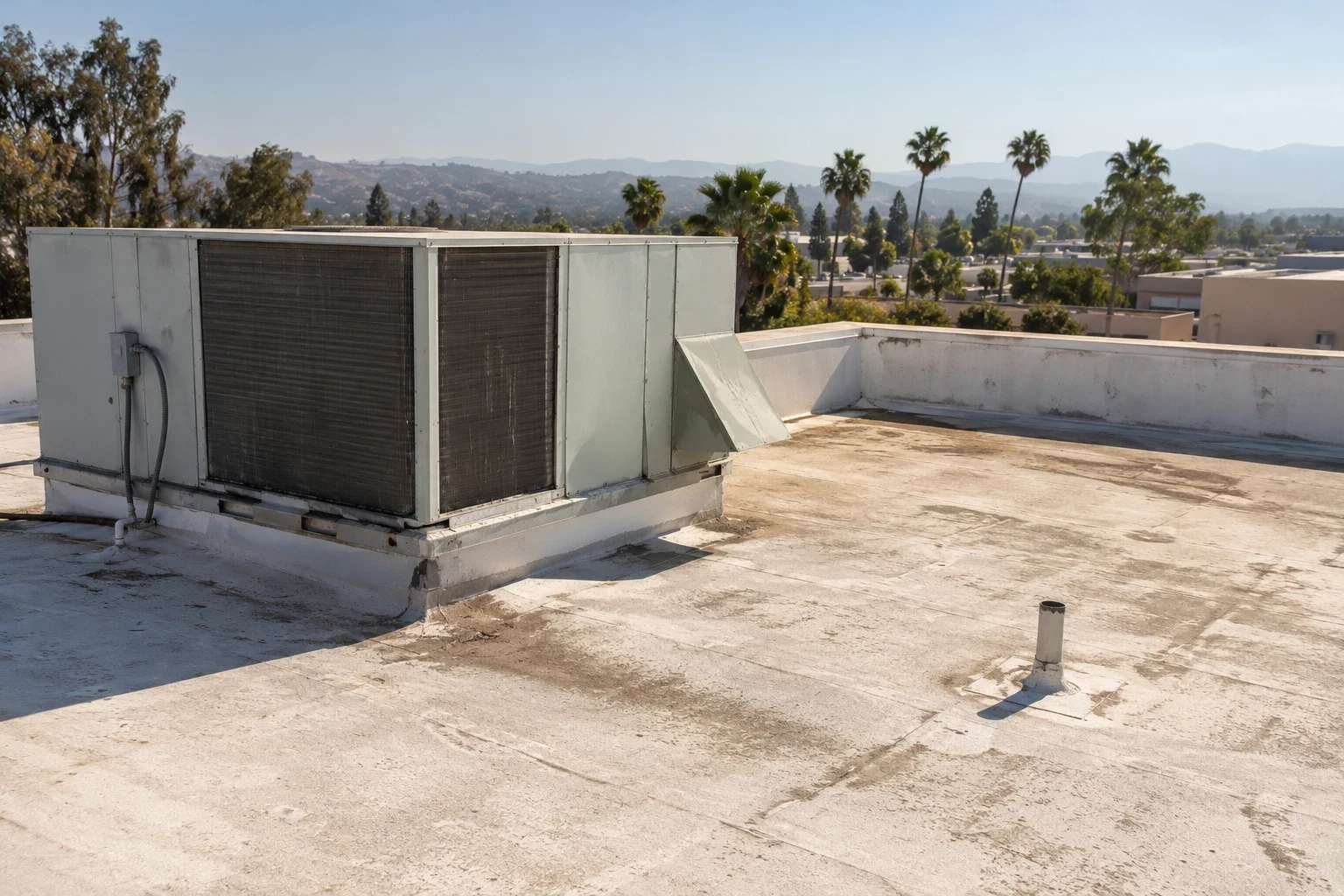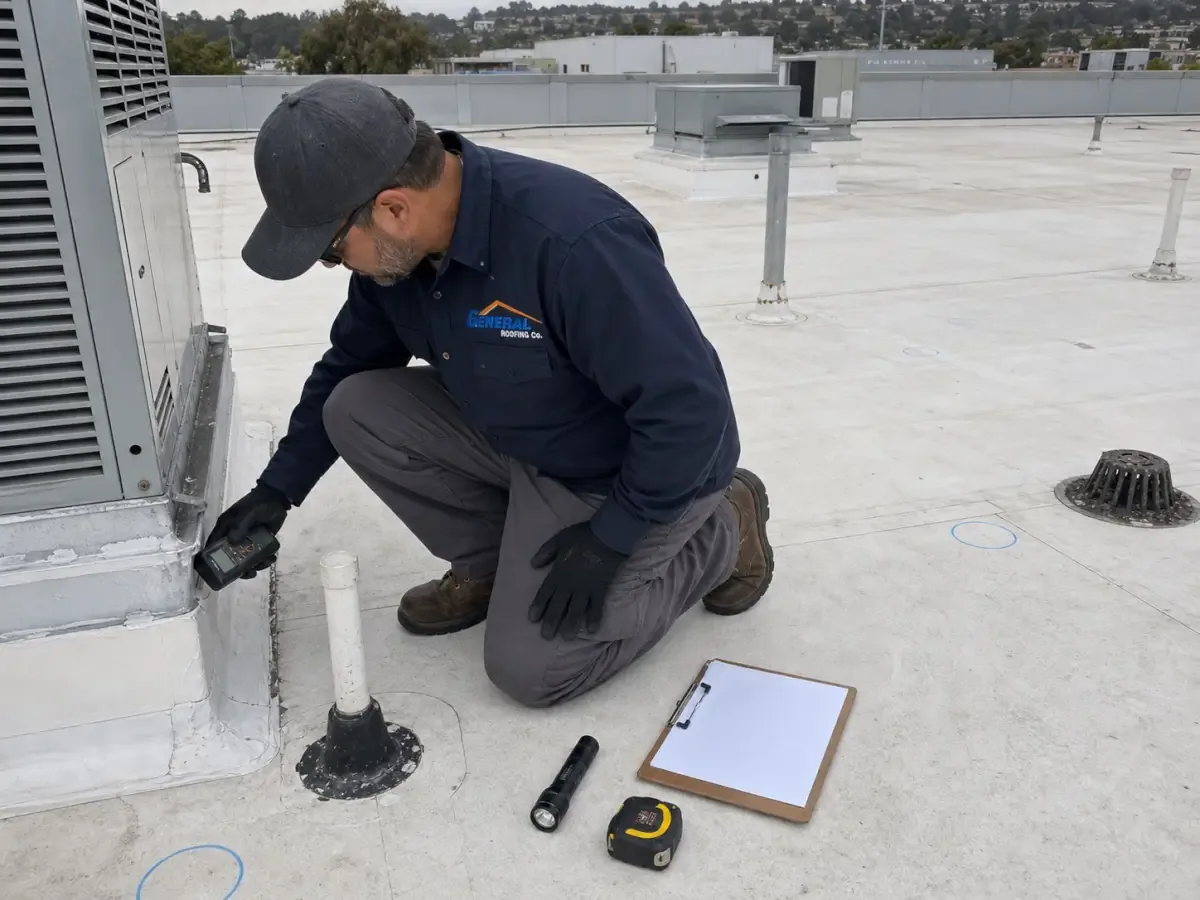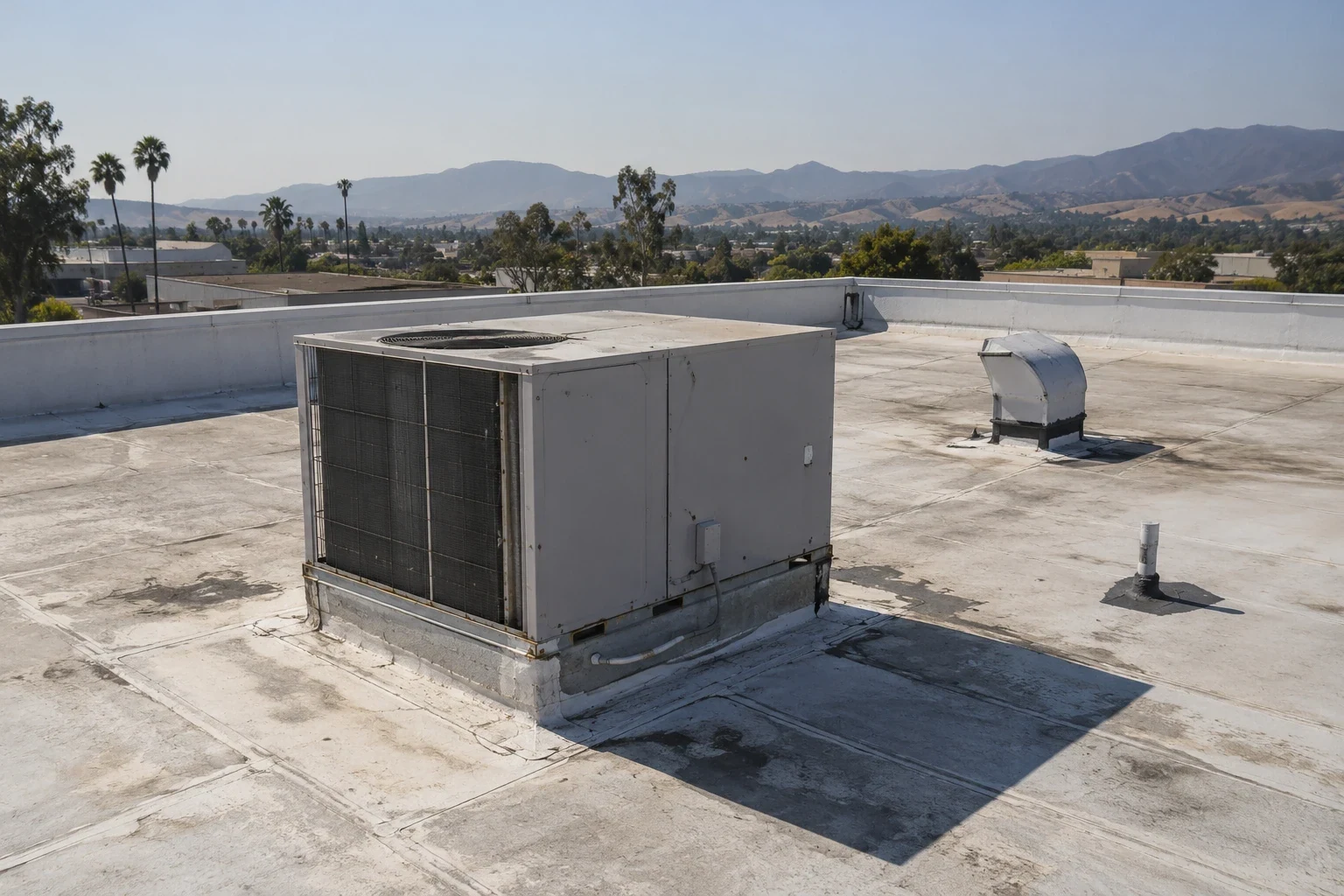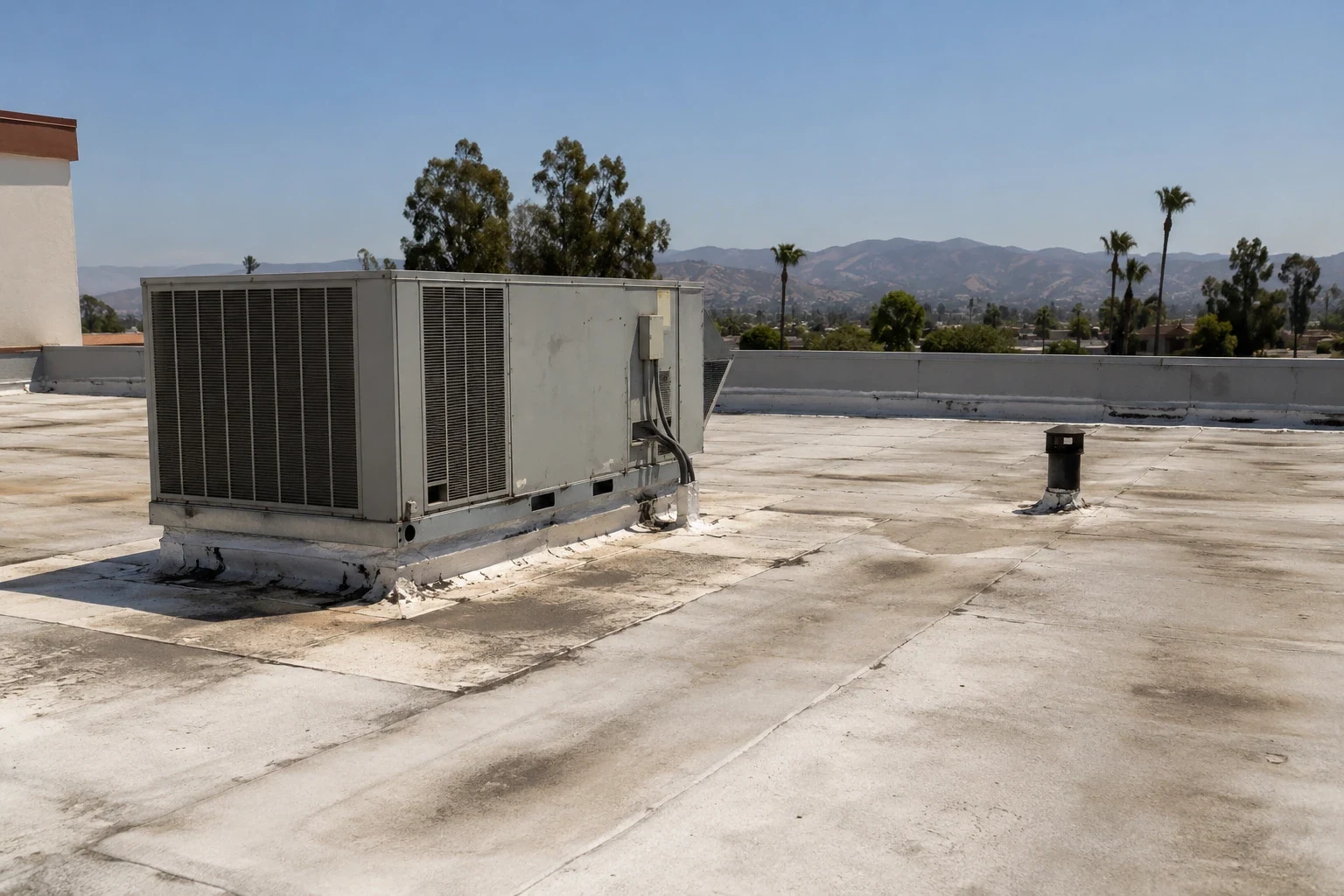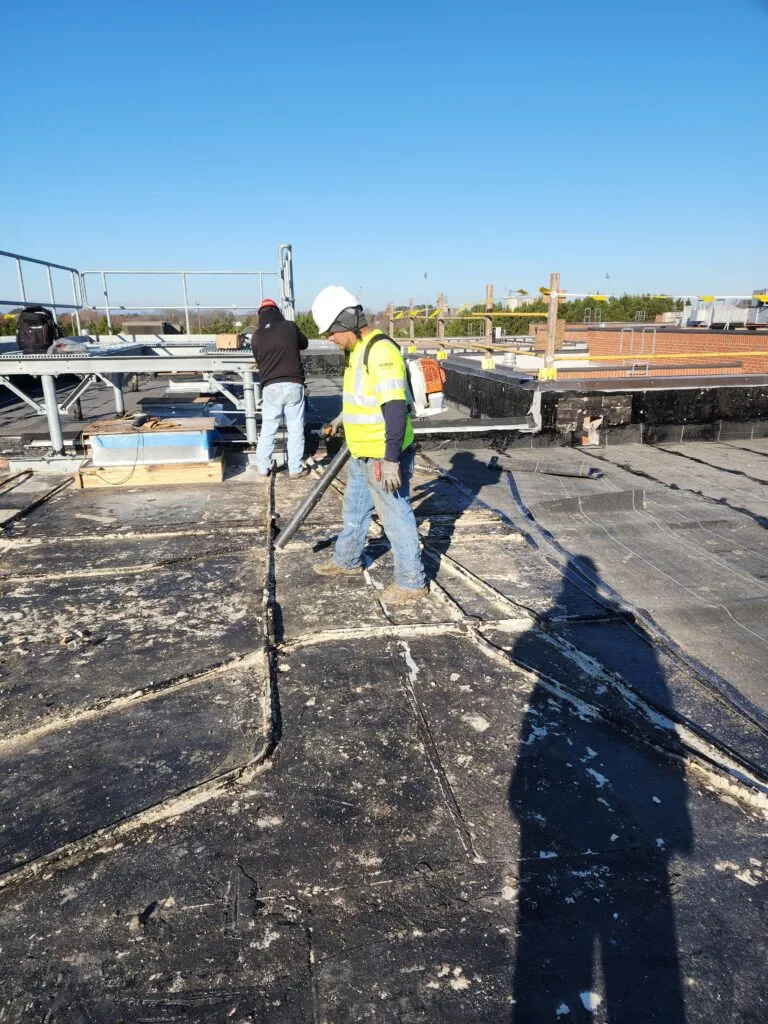
A roof budget is easier to defend when every number connects to an observed condition, a defined scope, and a decision date. We help Simi Valley property teams separate immediate water-control work from planned repairs and larger replacement projects. The process does not assign an unsupported service life to a roof. It records what was visible, what needs testing, and which assumptions would change the budget. A condition report with dated photos gives the owner a common starting point before estimates are compared.
Local context can help schedule the work without deciding the roof scope. City planning identifies State Route 118 as a major travel route and separately recognizes Los Angeles Avenue as a commercial corridor. For a facility near Tapo Canyon Road or an industrial operation in the West End, delivery access and operating hours may affect how contractors stage materials. We confirm those property-specific constraints rather than treating a corridor reference as a site inspection.
Separate urgent work from planned investment
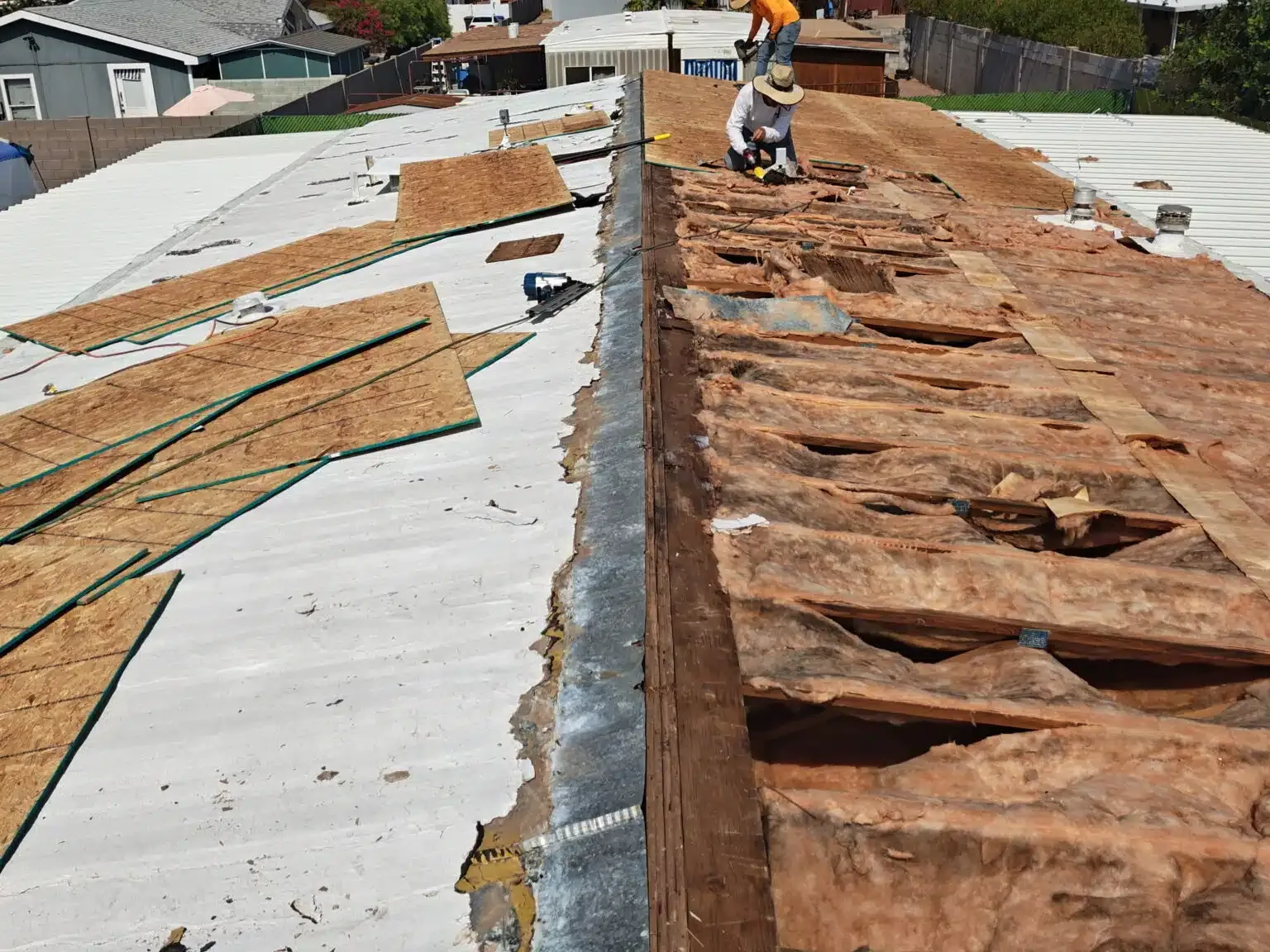
Start with active leaks, unsafe access, blocked drainage, and damaged transitions that may expose the building to further loss. Give each item a location, a photo, and a clear boundary. A repair allowance should say whether it includes opening the assembly, replacing wet insulation, restoring the membrane, and documenting closeout. Keep the trigger for concealed conditions visible. If an opening reveals a deteriorated deck or a wider wet area, the owner can review the added scope before the crew proceeds.
Other findings may belong in a later maintenance cycle or capital request. A few isolated seam repairs are different from recurring separation across several zones. Likewise, an aging field membrane with sound attachment is not automatically equivalent to a failed assembly. Our roof asset record keeps these observations tied to the building, zone, and inspection date so the next budget does not rely on a vague label such as “patching.”
Compare scopes on equal assumptions
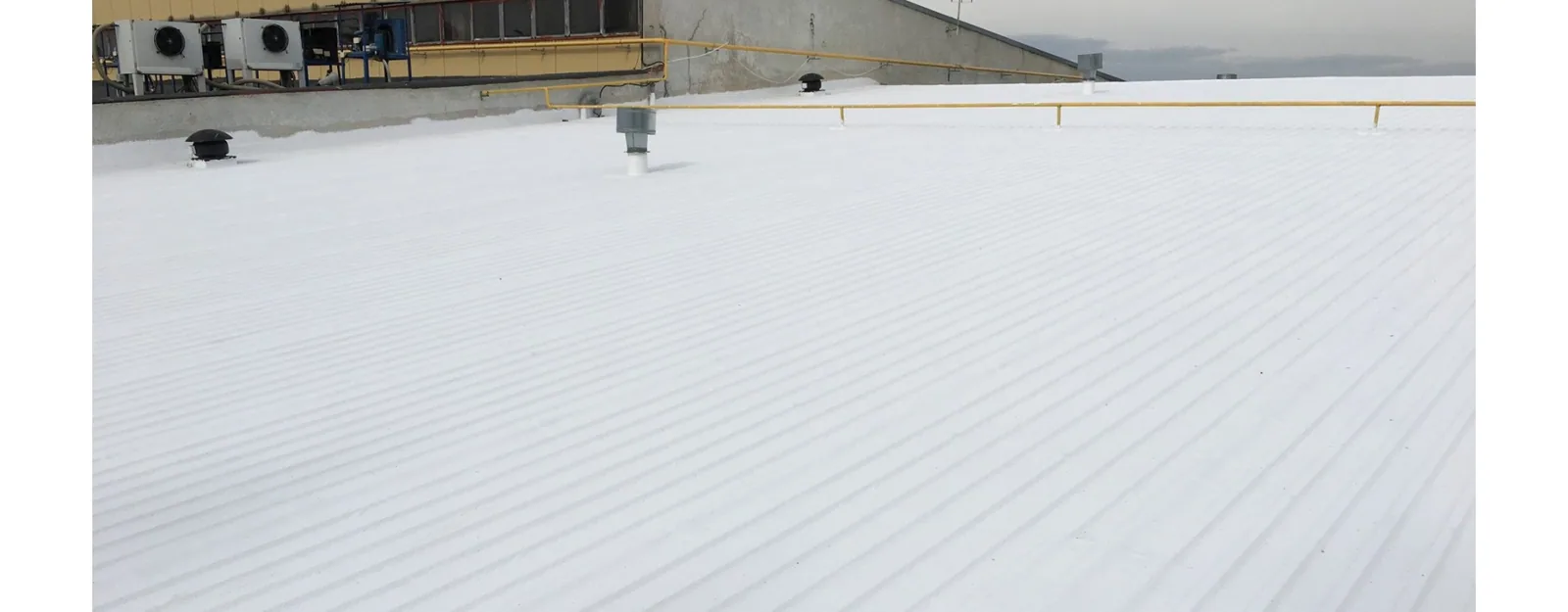
Repair, coating, recover, and replacement proposals need a consistent basis. Compare the system, substrate, drainage, attachment, edge details, access, and occupied-building protections that each option assumes. A coating is not a substitute for correcting a failed drain or unstable substrate. A recover may be restricted by existing layers or attachment. A replacement estimate should identify removal, disposal, insulation, flashing, equipment protection, and any deck allowance. If the bidders use different limits, ask for a variance list before comparing totals.
Our replacement evaluation can define where a full system project is being considered and where a bounded repair remains reasonable. A multi-building program may standardize the cost categories while keeping each roof's actual conditions separate. This is particularly useful for owners with several properties near the Los Angeles Avenue commercial corridor or among the business and research parks identified for the City's West End area.