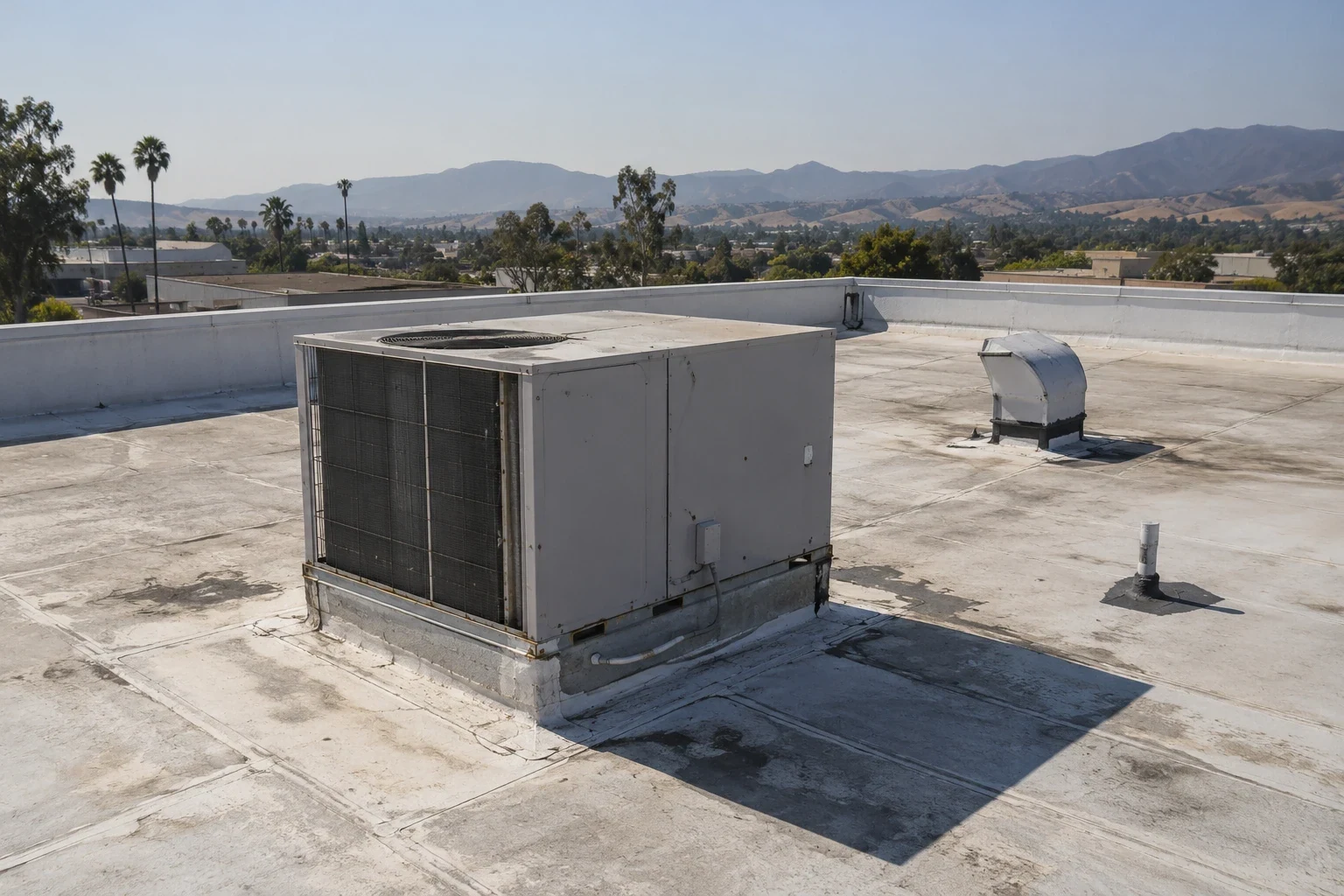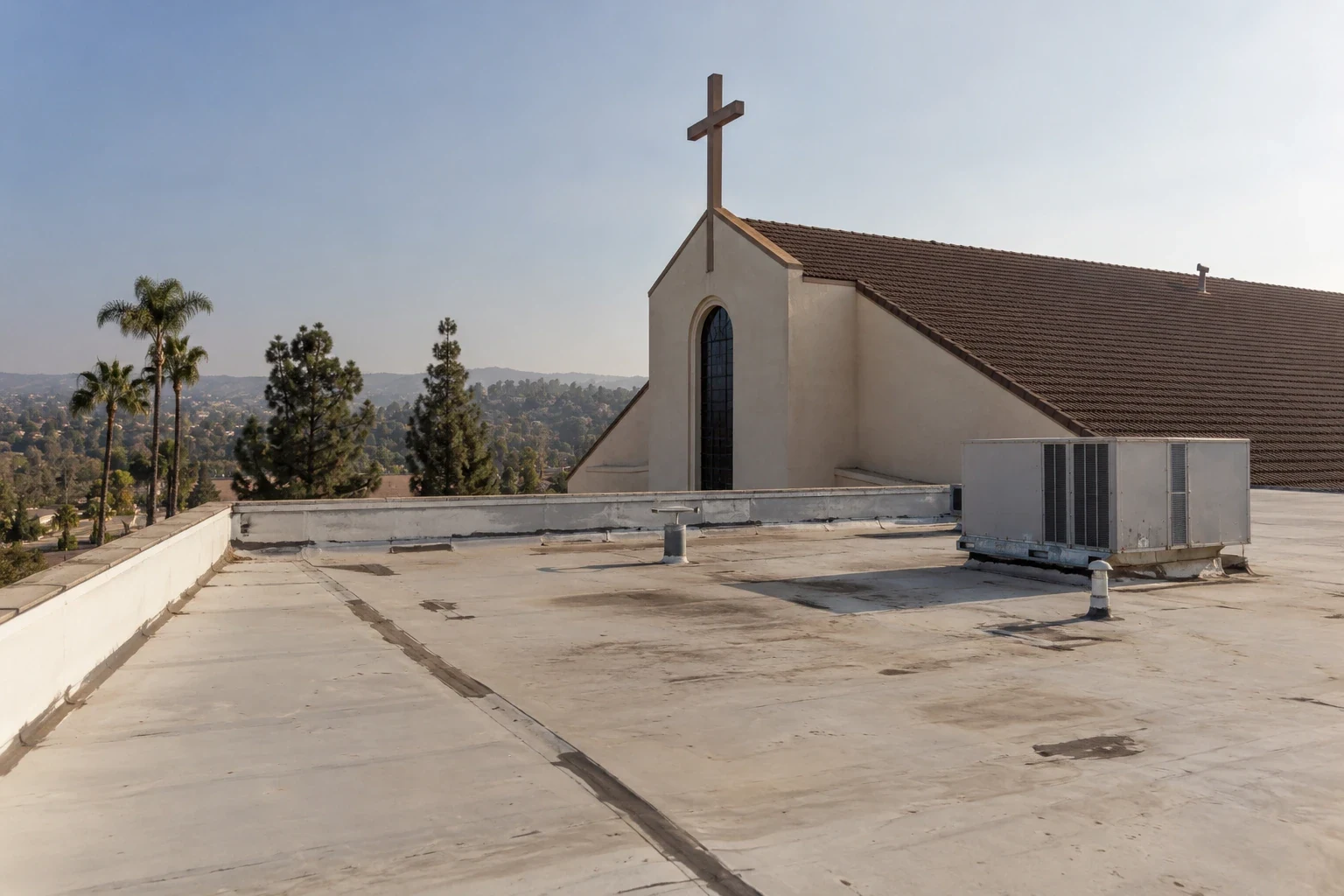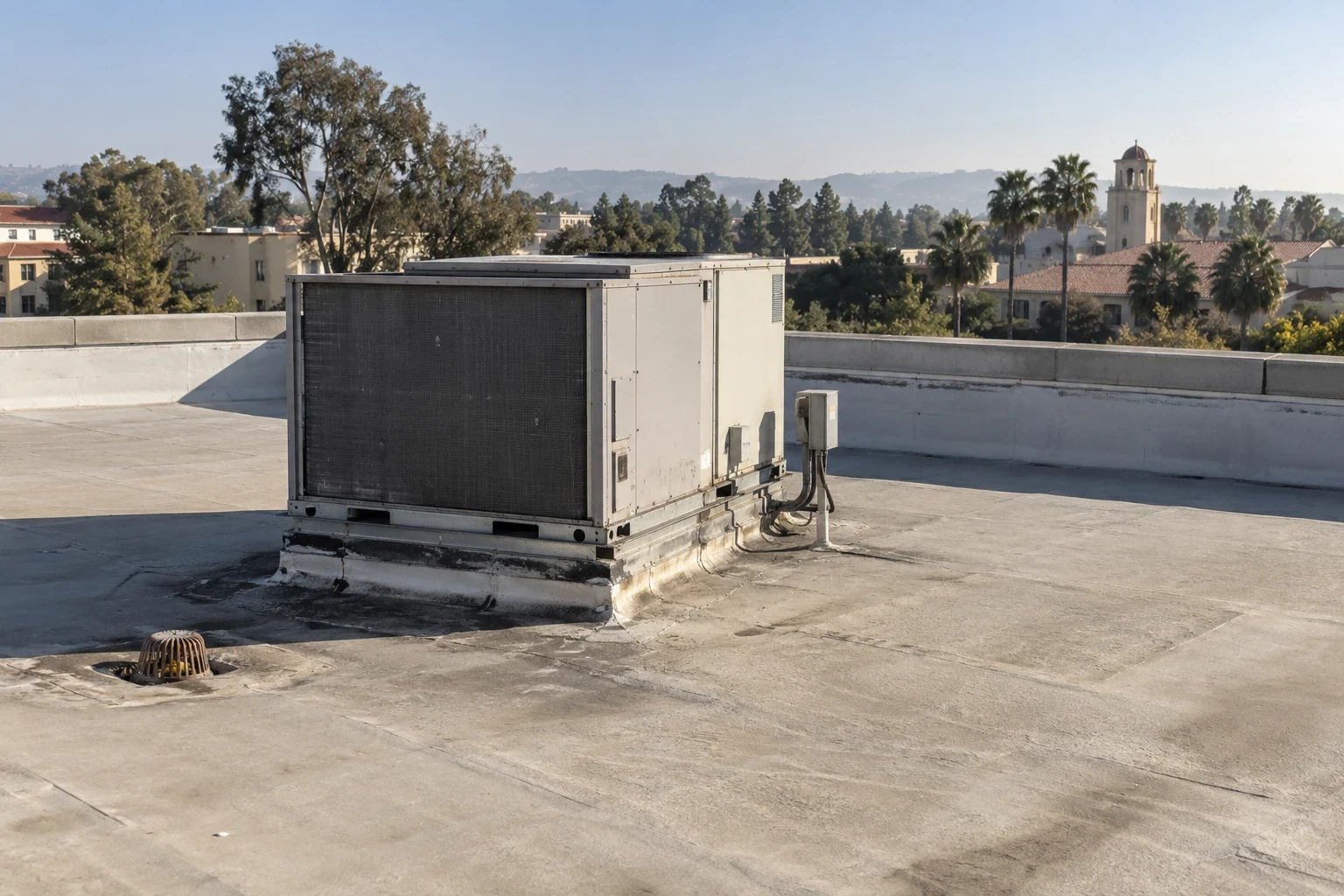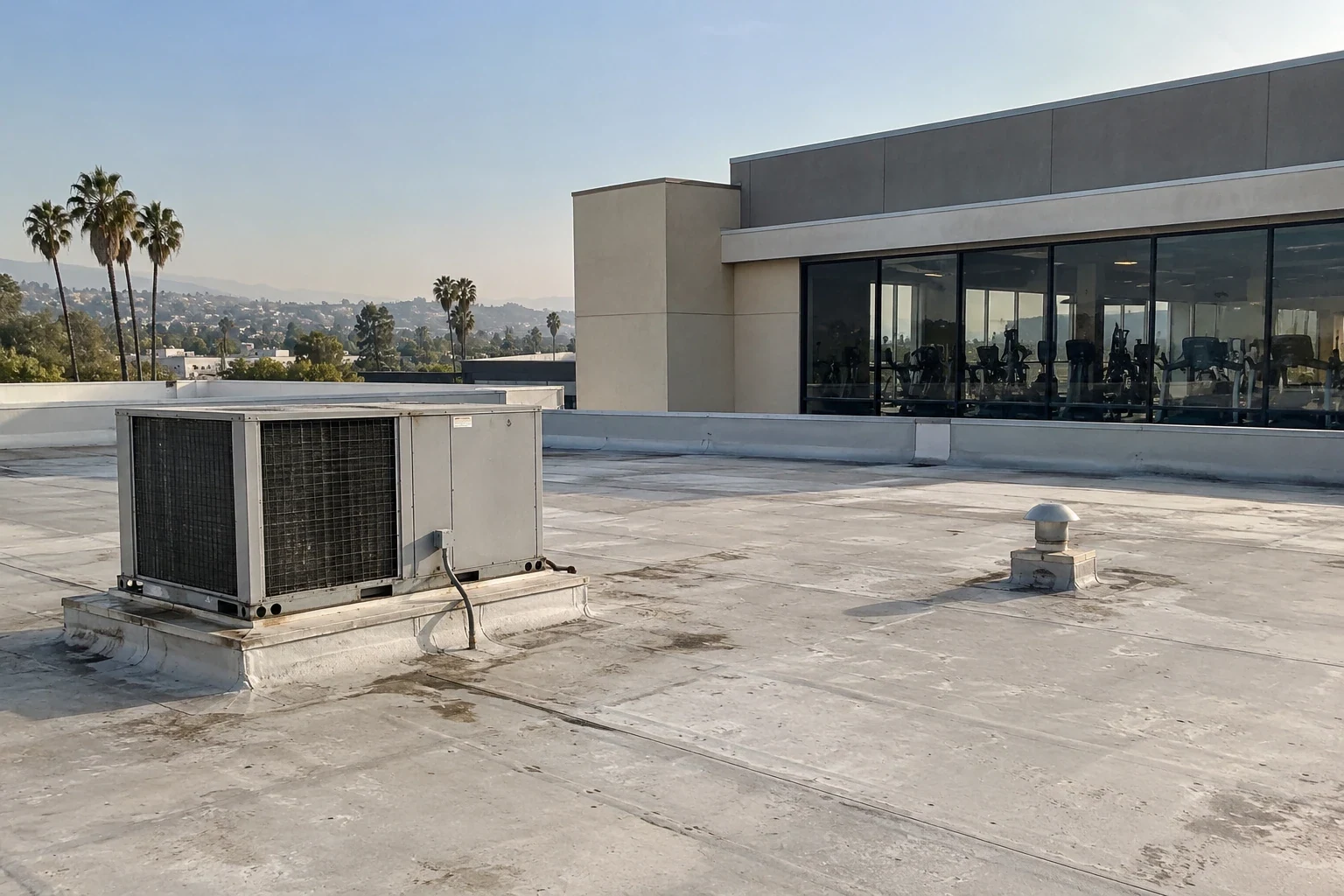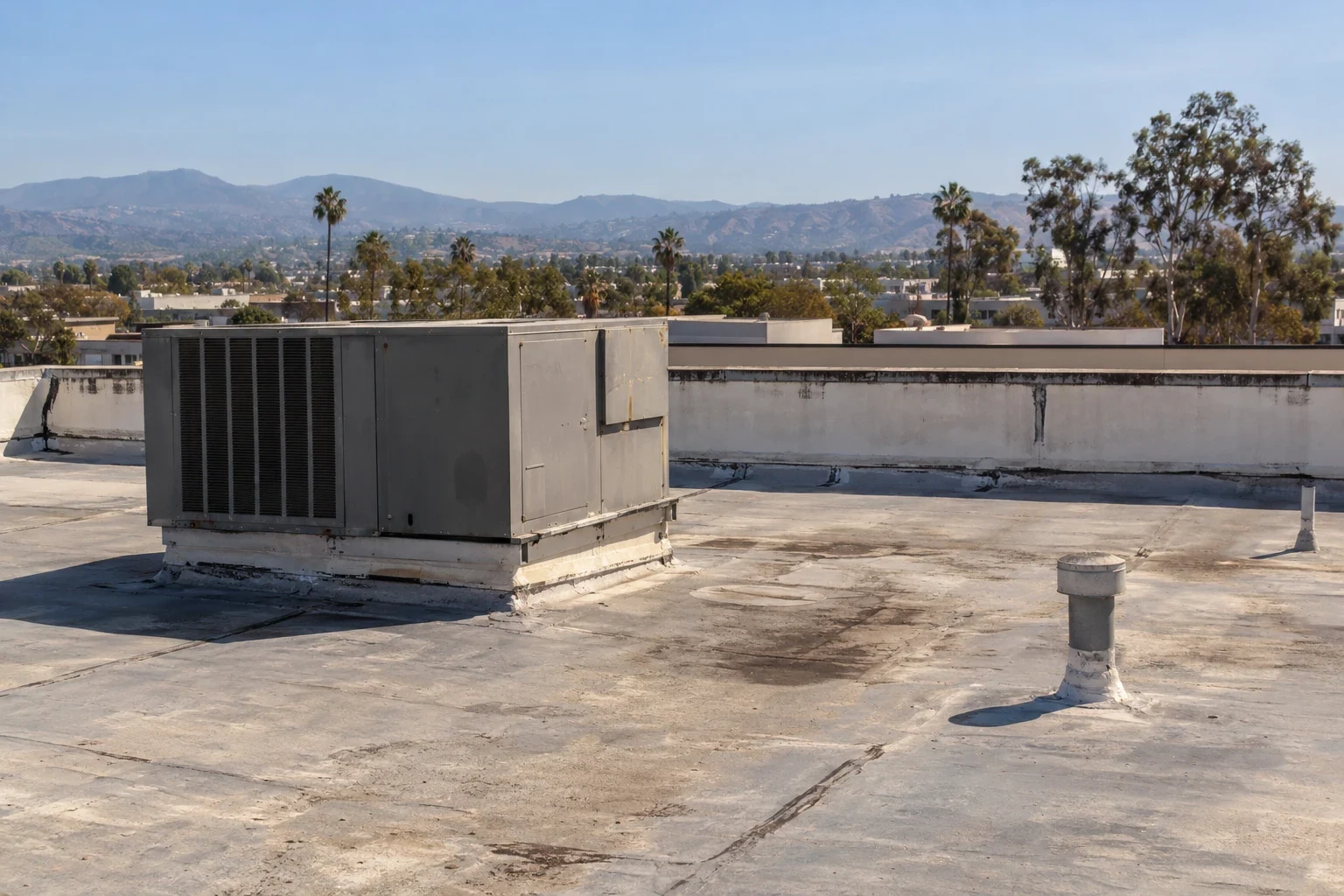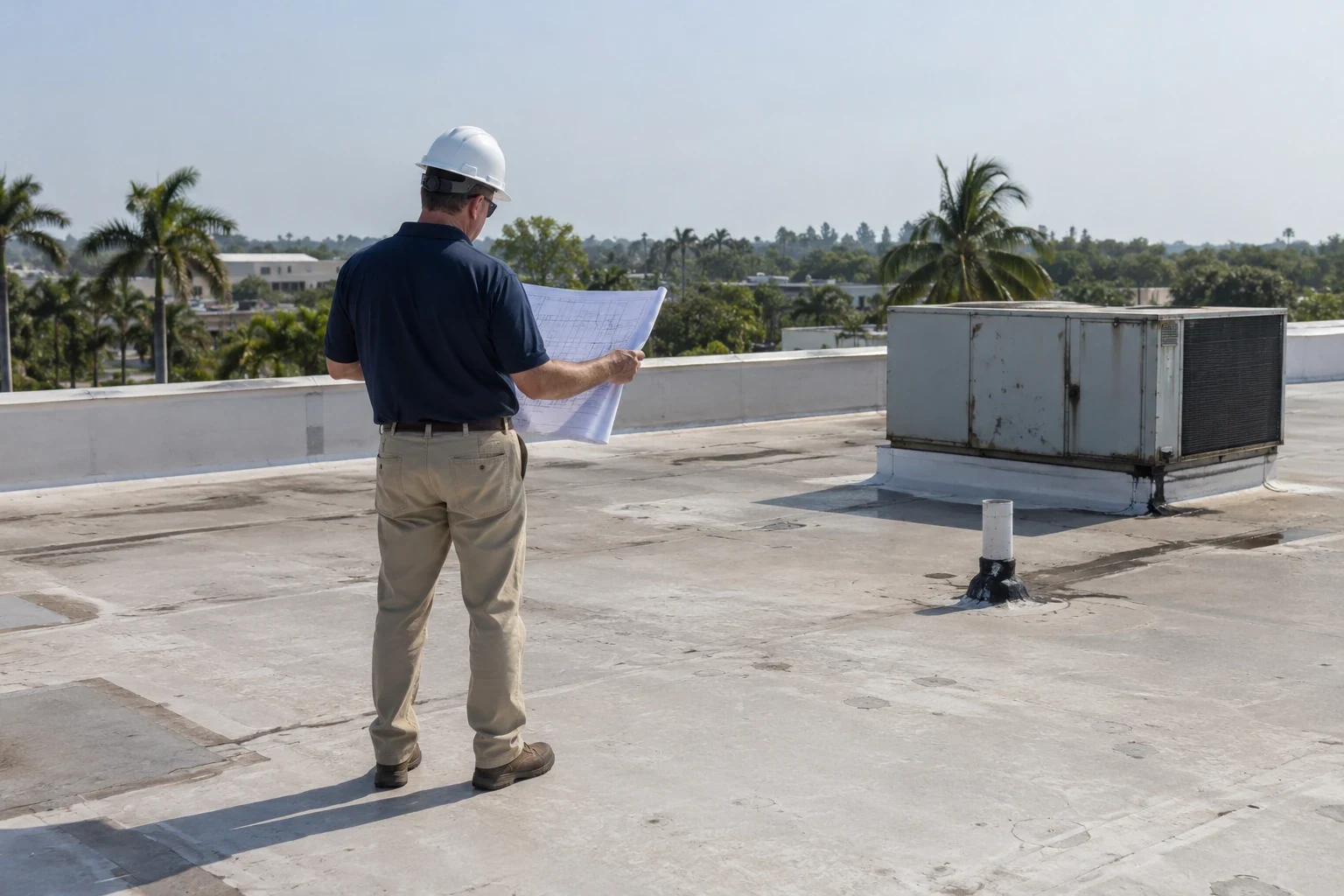
Managing several roofs does not mean treating them as one assembly. A multi-site program gives owners a consistent way to identify properties, schedule reviews, record findings, and compare requested work while keeping each building's system and condition separate. We establish the property list and decision rules first, then build inspection and repair scopes for the agreed locations. A roof asset register can carry the building and zone identifiers from the first visit into later reports and budgets.
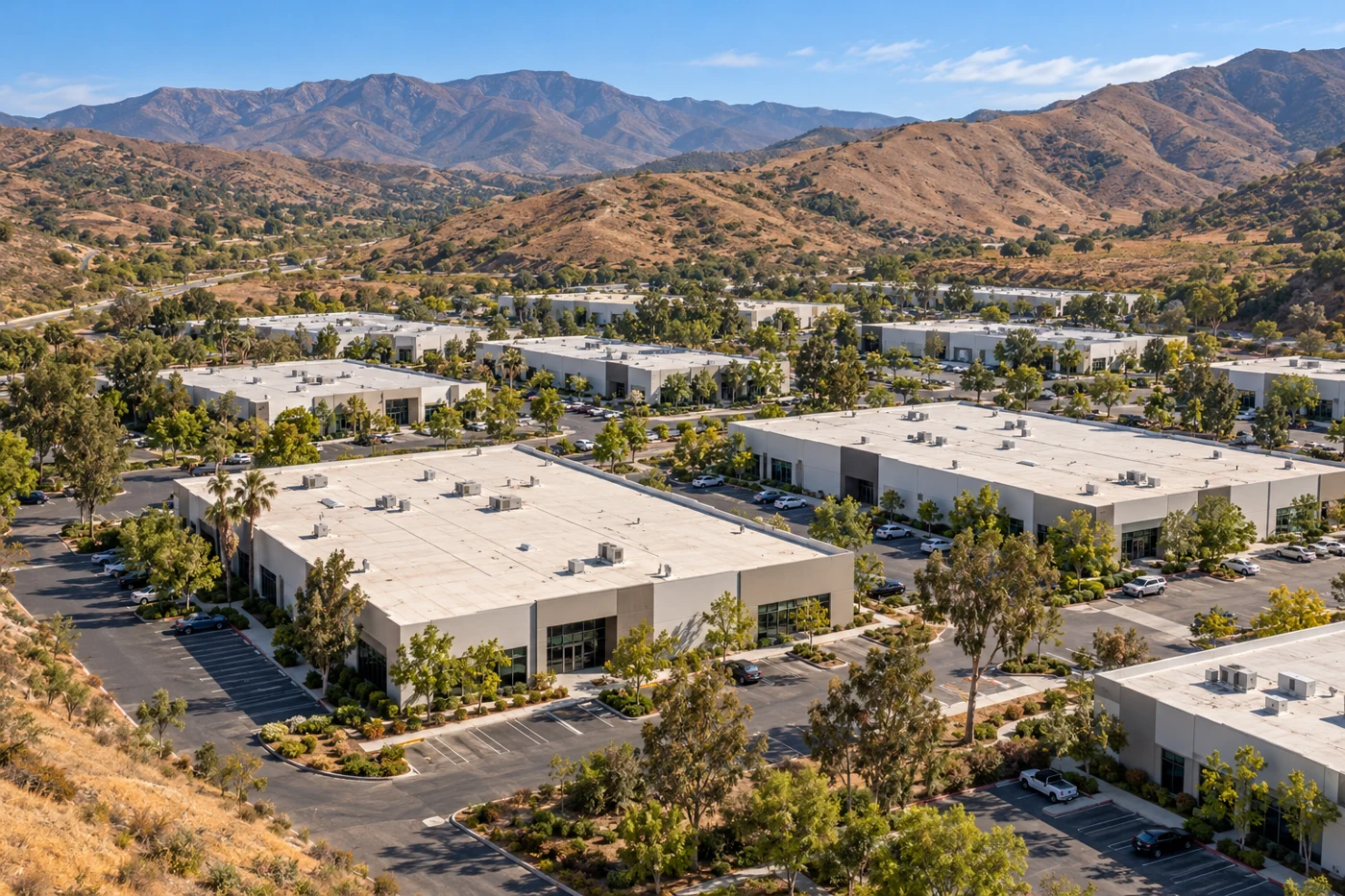
Simi Valley has varied commercial and industrial areas. City planning associates the Tapo Canyon business-park area with office and technology-related uses. A separate planning boundary in the West End includes a significant share of local light-industrial activity. These location notes help organize a property list, yet neither establishes roof type or condition; each site still needs its own records and field review. Those descriptions can help a manager group a property list, but they do not establish roof type or condition; each site still needs its own records and field review.
Create a dependable portfolio baseline
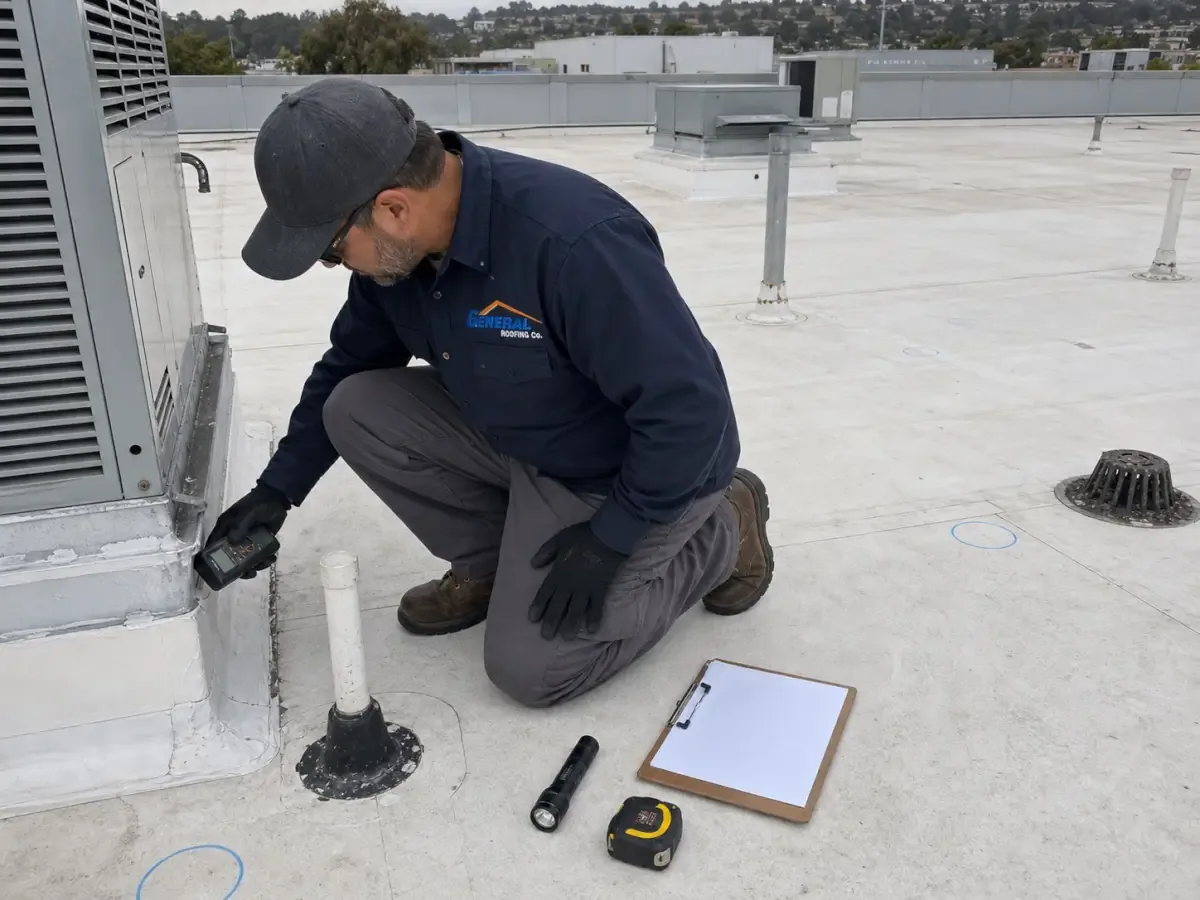
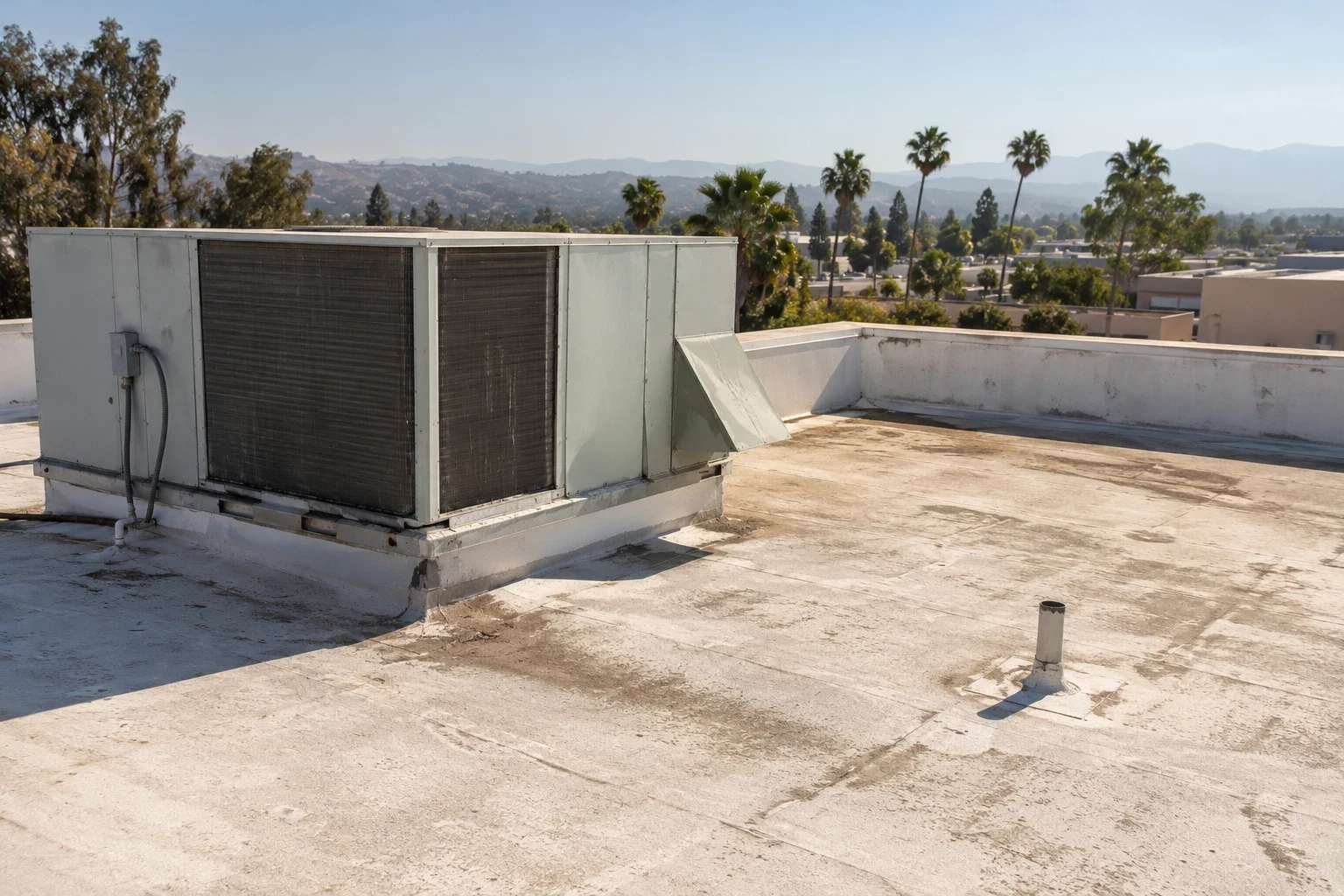
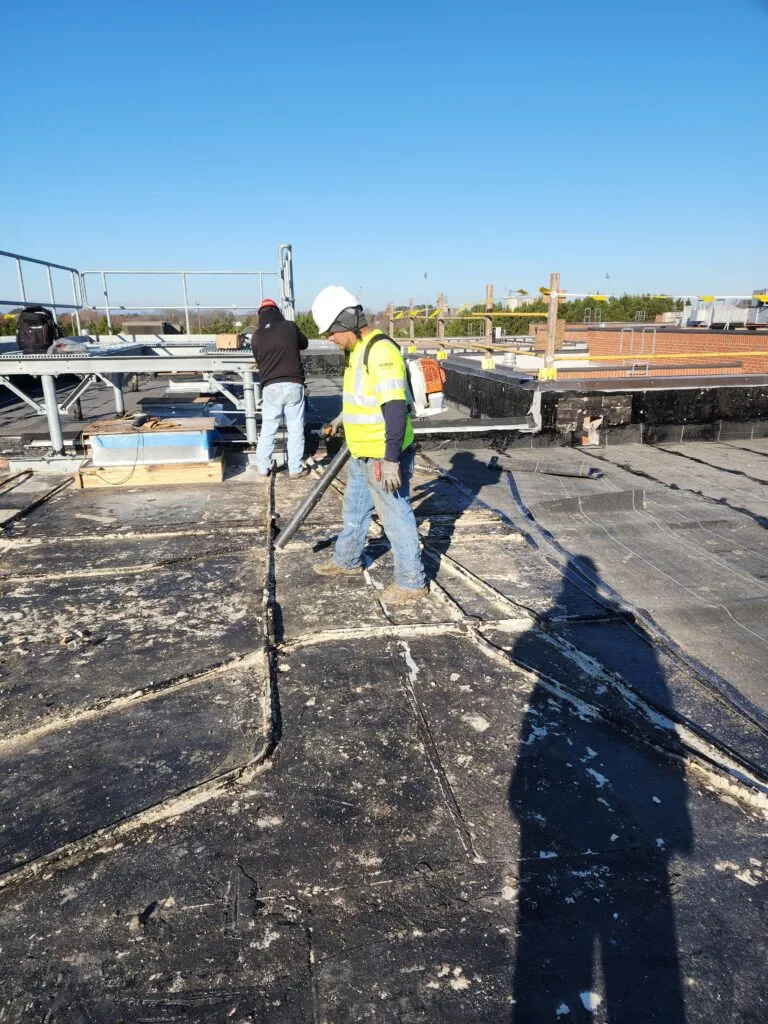
Begin with an owner-approved building list, site contacts, roof access notes, available plans, prior repair records, warranties, and known leaks. Assign a property identifier and divide each roof into zones that can be found in photographs and work orders. Note the apparent roof system only where it can be identified; flag uncertain materials for confirmation. A condition report can capture the agreed baseline, including access limits and any area not inspected.
Do not merge buildings because they share a street, tenant, or manager. A facility on Tapo Canyon Road and another near Los Angeles Avenue may have different systems, drainage, exposure, and access procedures. Keep the source and date of each record visible. When the portfolio grows, a new property should receive its own identifier and review rather than inheriting a neighbor's assumptions.
Set the program's reporting rhythm with the people who will use it. Facilities may need a short action list after each visit, while finance may need a quarterly summary of confirmed scopes and pending decisions. Keep a shared status vocabulary, but make the supporting photo and note available at the building level. A portfolio overview should point to the source record, not replace it.
Set inspection cycles by documented need
Inspection timing should reflect observed condition, repair history, drainage, owner requirements, and operating use. A roof with an open repair item may need an earlier follow-up than a roof with no unresolved findings. Set the next review date by property or zone, and identify which event would prompt an earlier visit, such as a reported leak, storm concern, or completed project. The schedule should explain its basis rather than applying an identical interval without regard to each assembly.
The City's General Plan projects warmer conditions, including more days above 97.2 degrees. That regional planning projection may inform safe field scheduling and heat exposure planning, but it does not prove that one roof has deteriorated or needs replacement. A maintenance inspection can document accessible conditions, completed housekeeping, and open items on the agreed cycle.