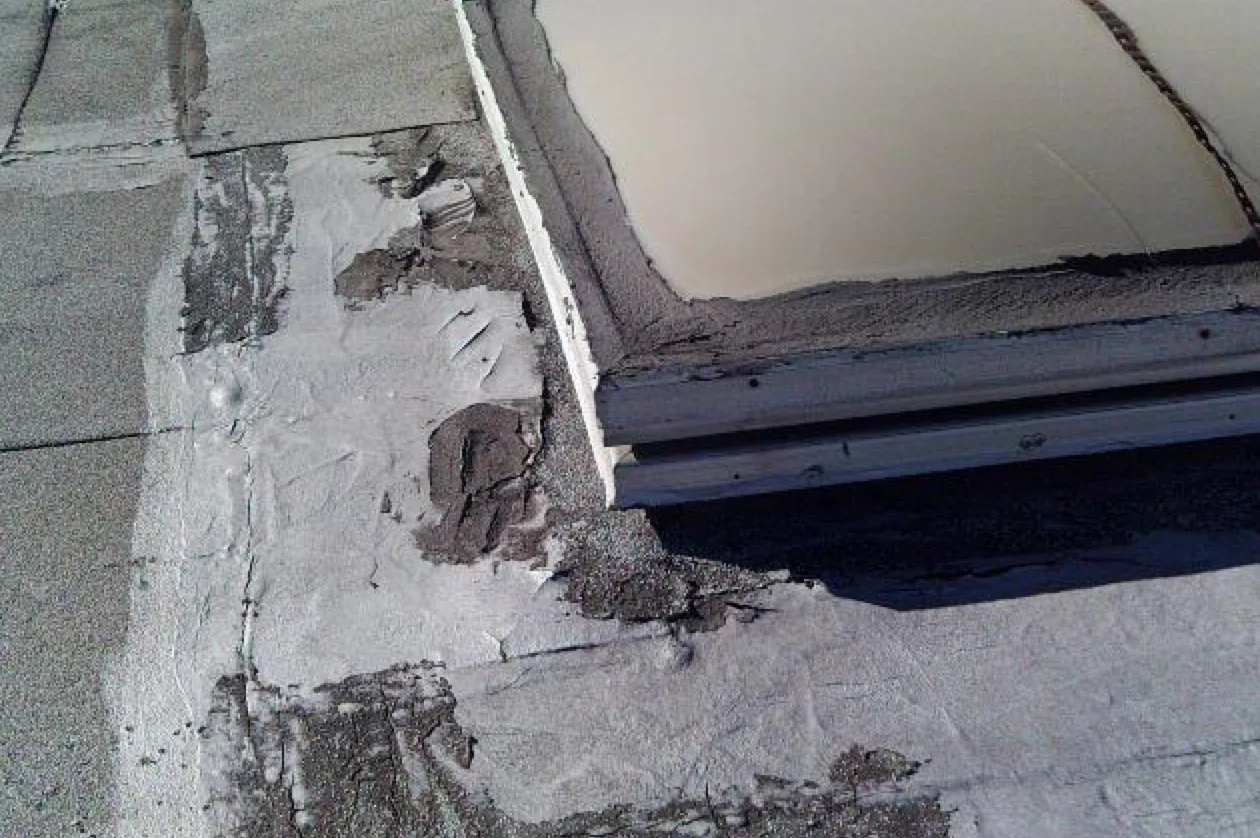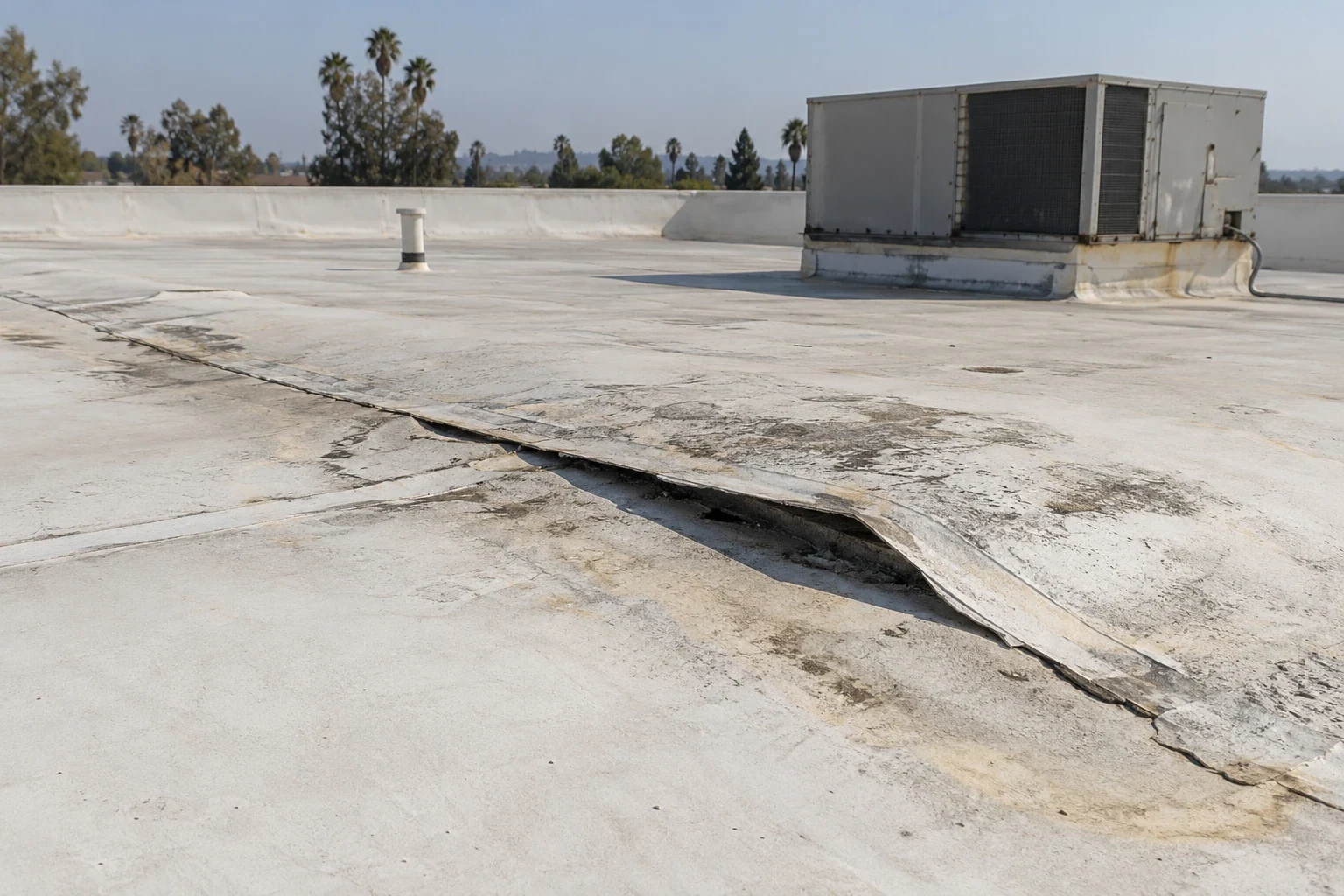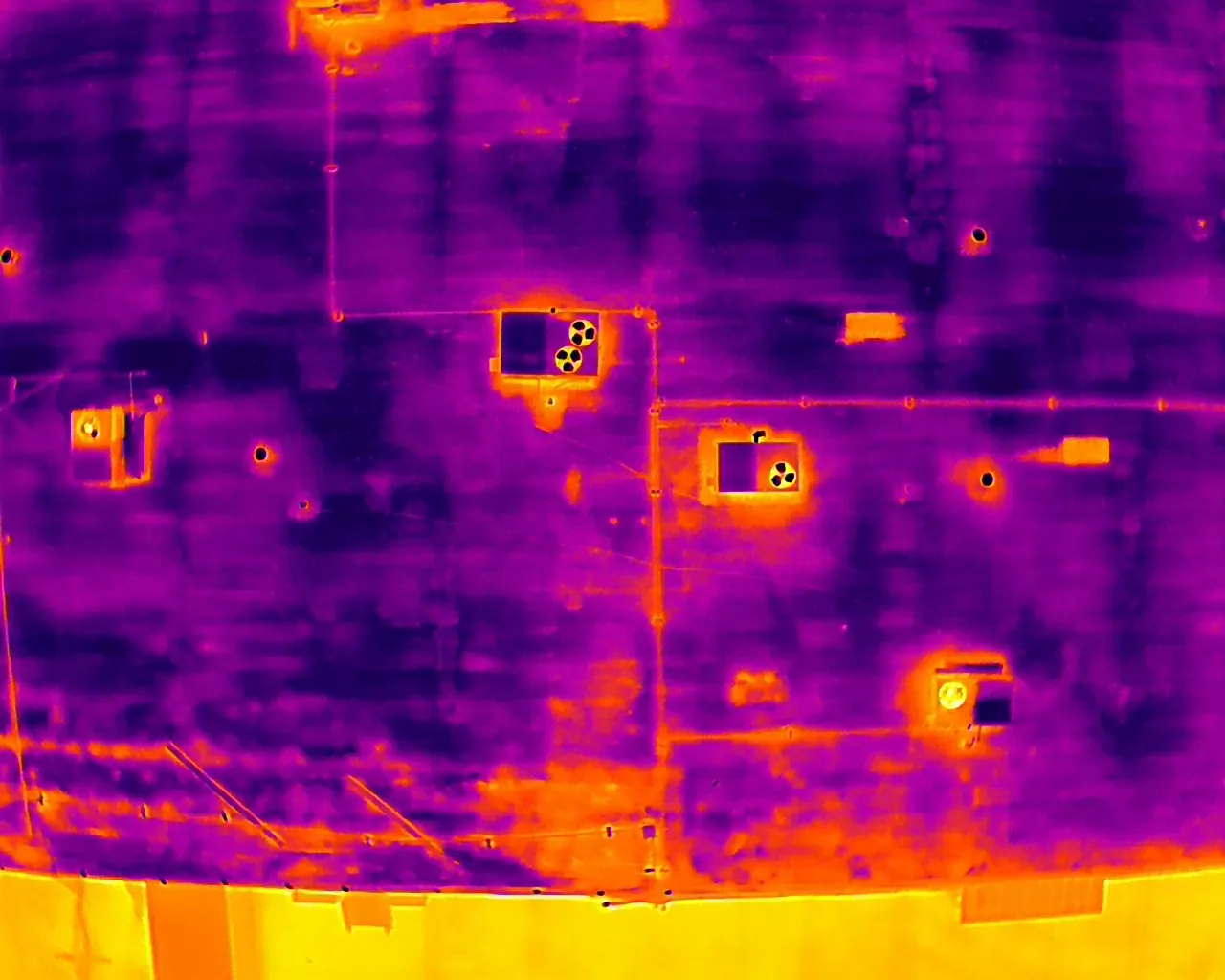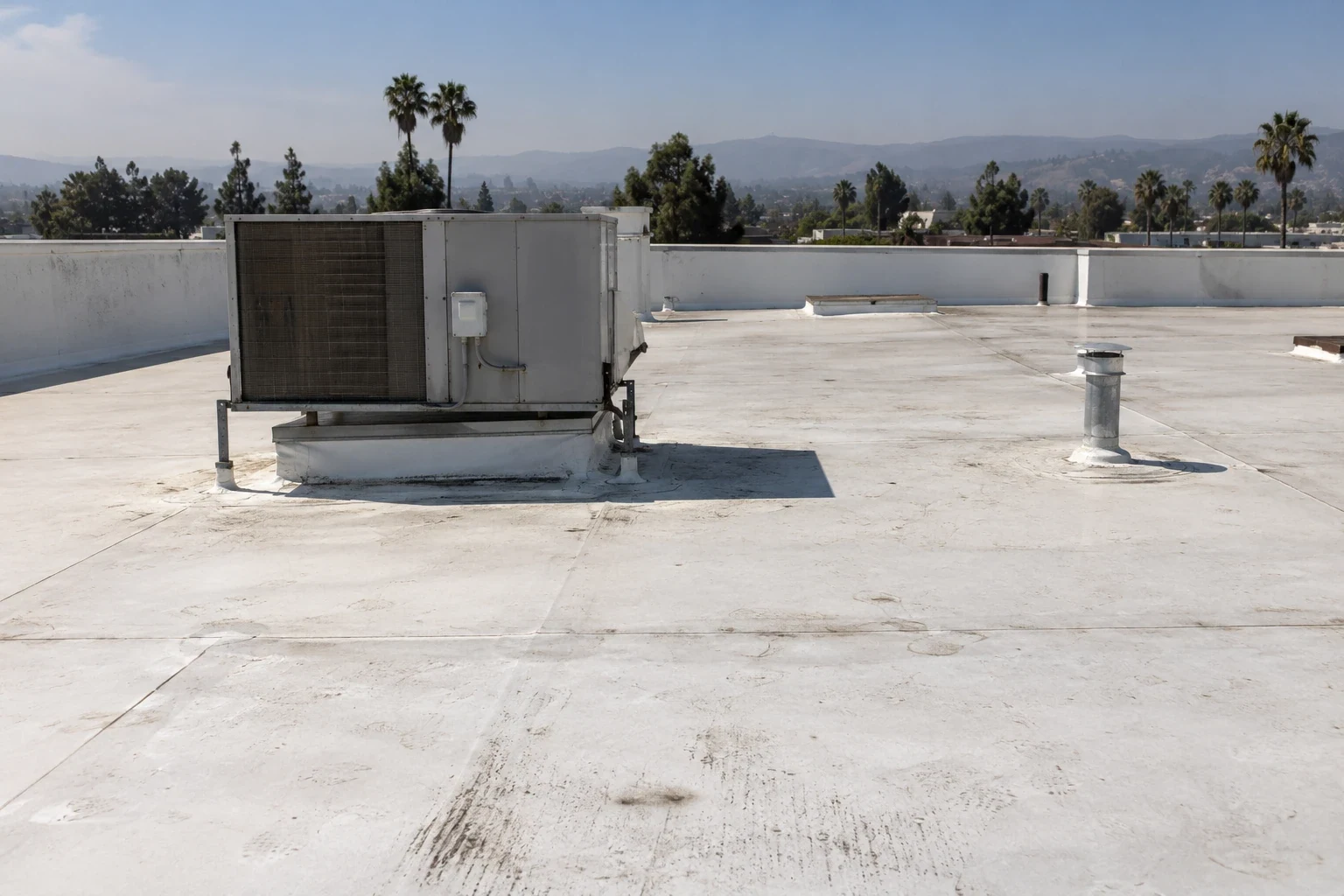
A dark sealant line around a curb can conceal a loose counterflashing leg or an open membrane turn. We inspect the transition from the roof field to the wall, equipment base, or penetration before choosing a patch. On commercial buildings in Simi Valley, the first record identifies the roof system, the detail, and any moisture evidence at its edge. The West End map follows the SR 118 side of Simi Valley from near First Street toward Oak Park. Easy Street and Los Angeles Avenue mark part of the district south edge. That planning context helps orient service calls, while the repair boundary comes from the actual flashing assembly. A penetration flashing inspection can document the detail that needs work.
Read each turn in the assembly
Flashing has to bridge materials that move, drain, and age differently. We inspect the membrane turn-up, curb or wall, termination bar, counterflashing, sealant, and fasteners as separate parts of the connection. A cracked sealant bead may be a surface defect, while a loose termination can let water enter behind the assembly. We photograph the transition, corners, end dams, and laps. If the detail disappears beneath equipment or a wall finish, the report marks the limit of what was accessible rather than treating the visible portion as the whole condition.
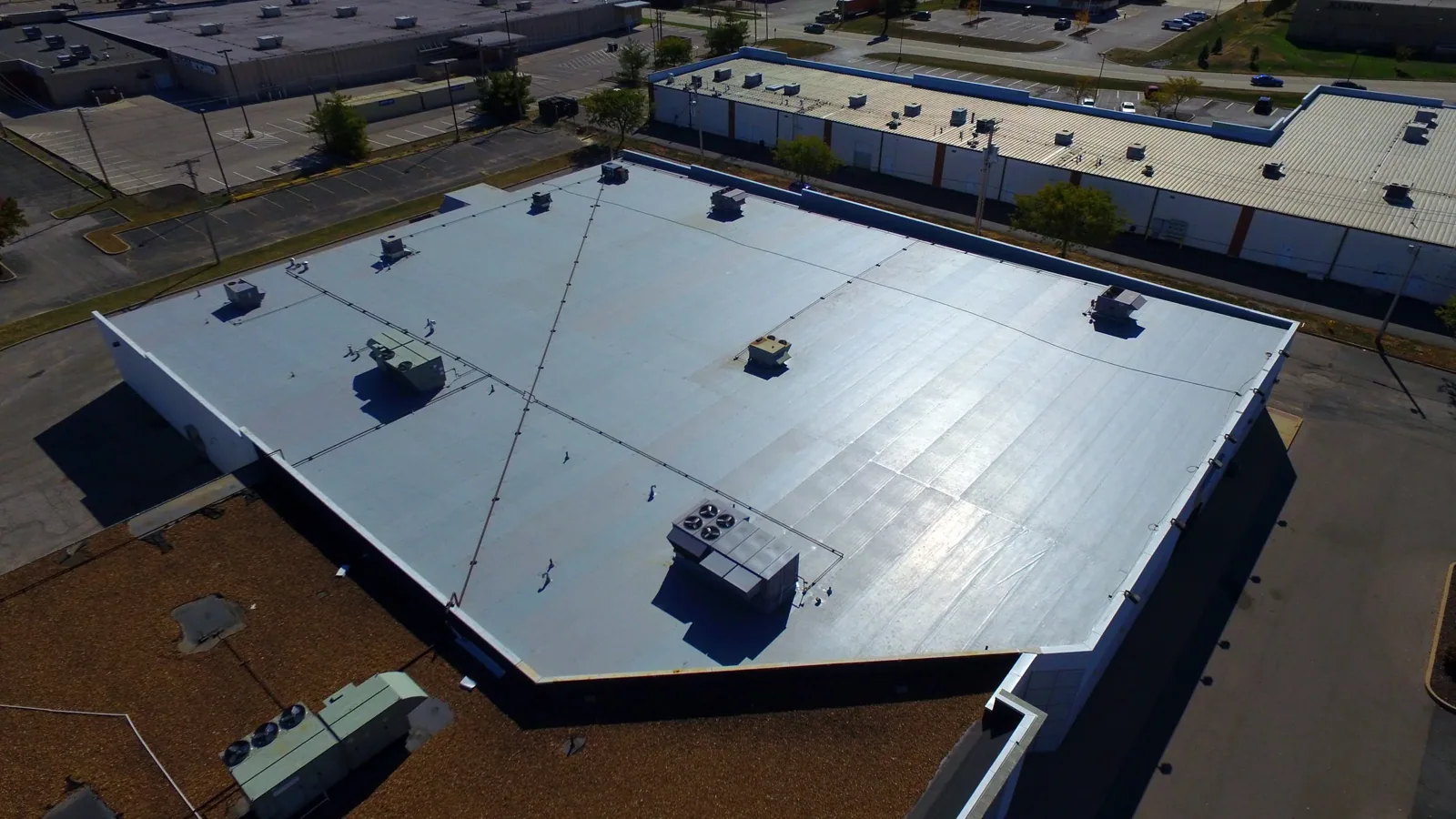
For a rooftop unit, service clearance can affect both inspection and repair. We confirm whether the equipment can remain in operation, where technicians need access, and whether the curb supports a safe membrane tie-in. A penetration near another roof opening is mapped independently. The seam review addresses a field lap, while this scope follows the curb, wall, or penetration transition. That distinction keeps a detail repair from expanding into adjacent material without evidence.
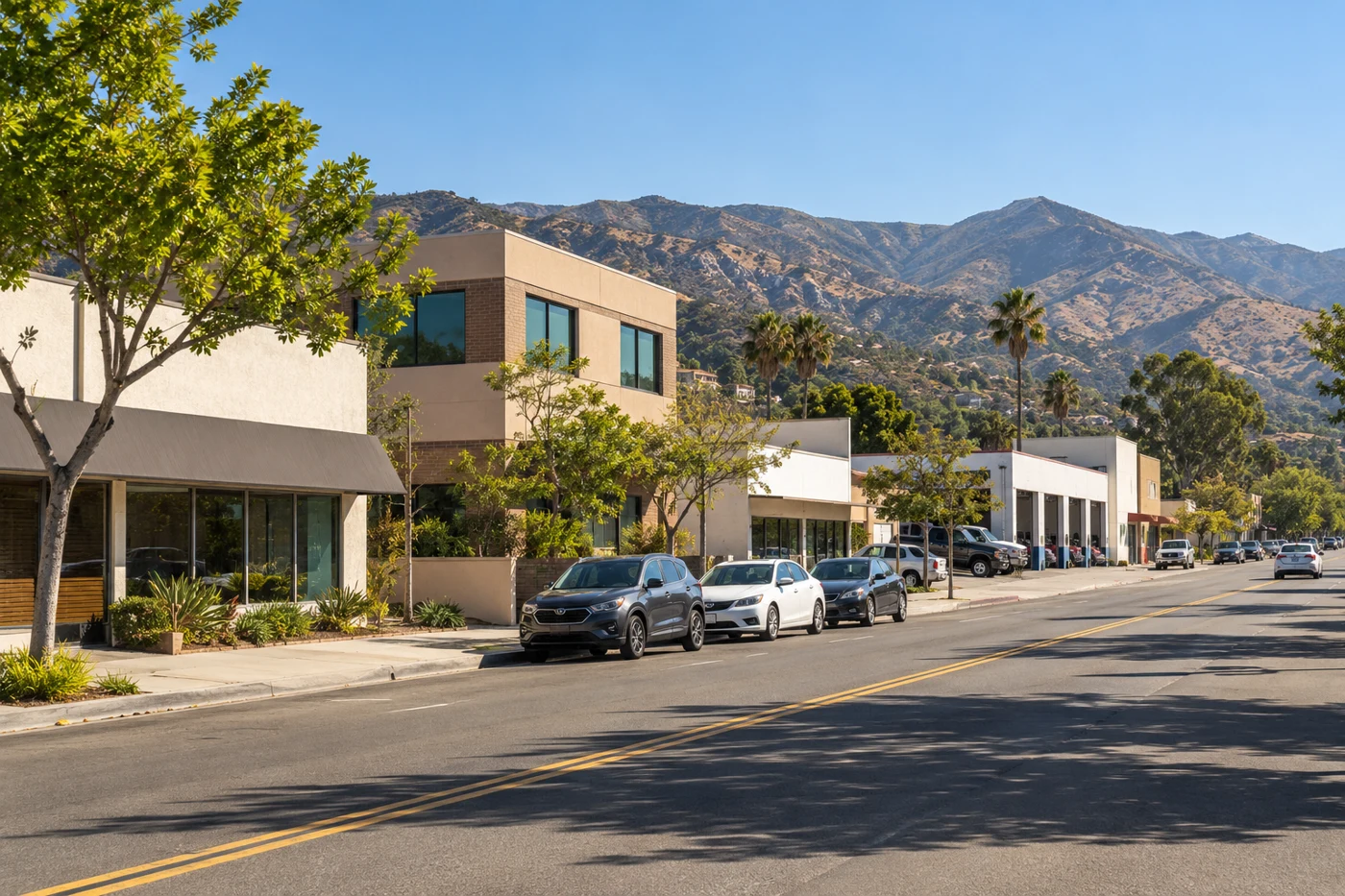
City redevelopment records note facade work on commercial stretches of Los Angeles Avenue and Tapo Street. Those names orient dispatch, not roof condition. At a property near either street, we still record the actual building, equipment position, roof access, and detail location. The Tapo Street commercial corridor serves as a broad location reference for facilities with different assemblies.
Follow water behind the visible trim
Water at a curb can travel under a membrane turn, along the curb face, or through a fastener line before appearing indoors. We compare staining and moisture indications below with the curb corners, adjacent seams, and the roof’s drainage direction. A ceiling mark directly under a unit is a useful clue, not proof of the entry point. We plan any test opening around the facility’s operating equipment and identify where insulation or deck might need review.
Sealant alone is rarely a complete repair when the substrate or flashing attachment has failed. We remove loose material only after documenting it, prepare the surface, and inspect the termination beneath. A compatible liquid-applied flashing or membrane detail may restore a limited connection when the curb and adjacent material remain sound. If a metal counterflashing is loose, corroded, or too short to protect the turn, the scope may require refastening or replacement. The written repair states which element is being corrected and where the work ties in.
In the General Plan EIR, the city's industrial pattern is mostly light industrial, with research, business, and office parks prominent in the western planning area. Those building uses can place rooftop units and service routes near flashing details, but the inspection is specific to each roof. A leak repair review traces the water path, while a moisture survey can help select a test area under suitable conditions.