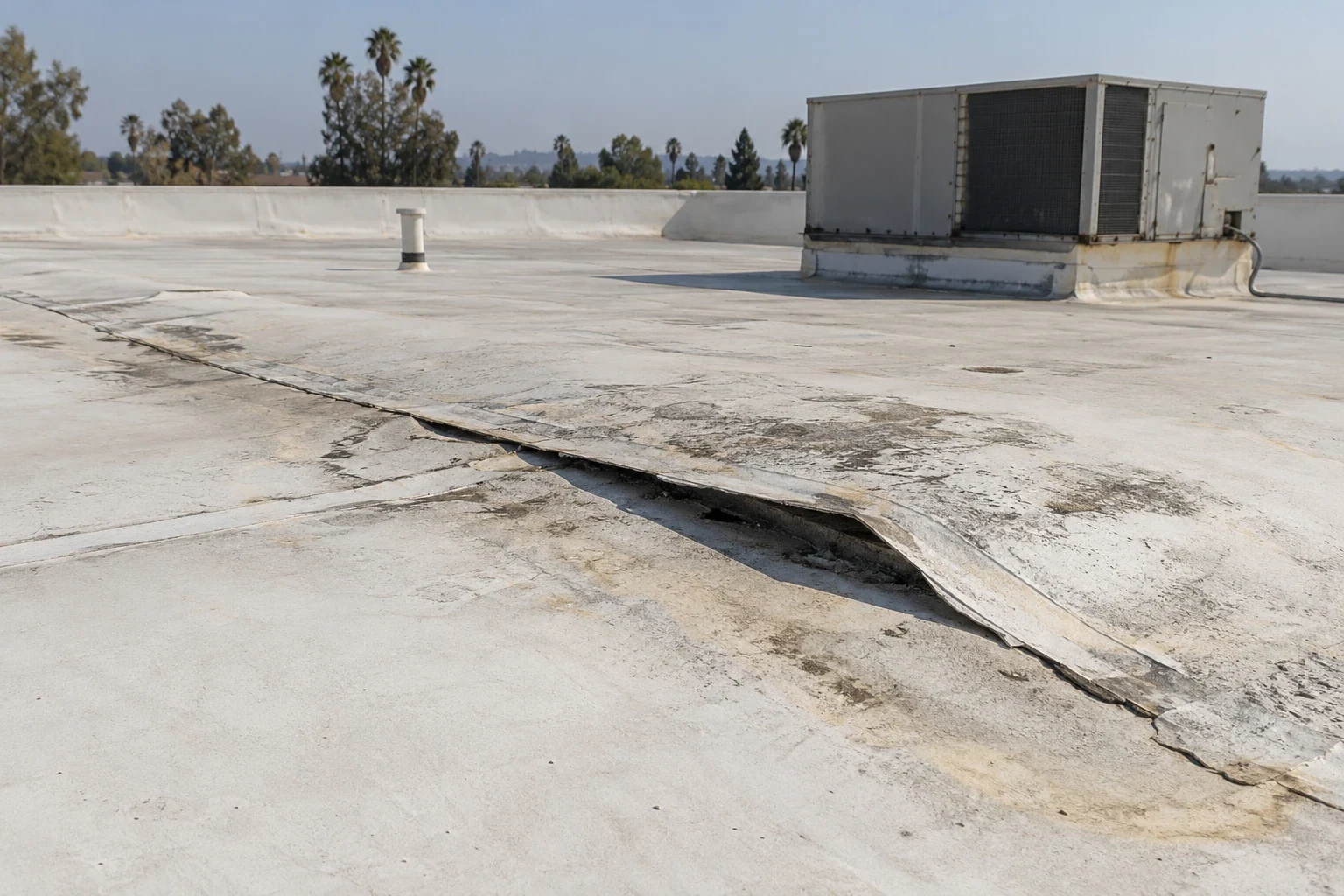
An open lap changes the path water can take through a membrane field. We mark the seam direction, the length of separation, and nearby patches before deciding whether the defect is isolated. Simi Valley’s City planning documents identify Los Angeles Avenue and Tapo Street as established commercial corridors, but a street name cannot say what roof system is installed at a property. The membrane and seam do. We inspect the bond, contamination, movement, and substrate before setting a tie-in. A commercial roof repair inspection gives the facility manager a mapped seam boundary and next decision.
Read the lap before opening it
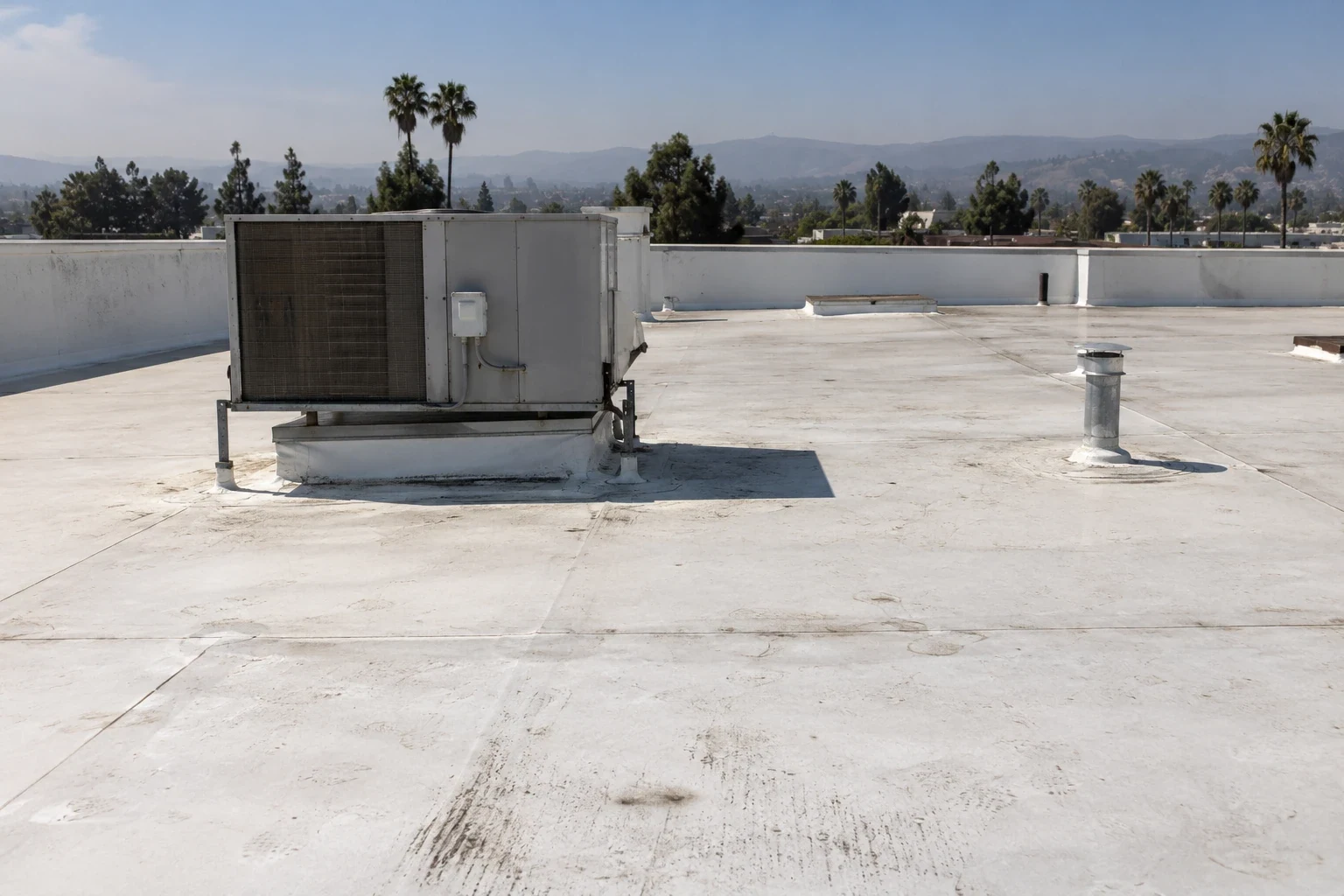
We check whether a seam is mechanically fastened, heat-welded, or adhered, then look for the failure pattern along its length. A short opening at a T-joint differs from a continuous split that follows the seam. We note edge curl, fishmouths, contamination, poor bonding, and any patch crossing the original lap. A probe may help identify a loose edge, but it does not show moisture below the membrane. The condition record pairs close photos with a roof-zone map so a later repair can return to the same boundary.
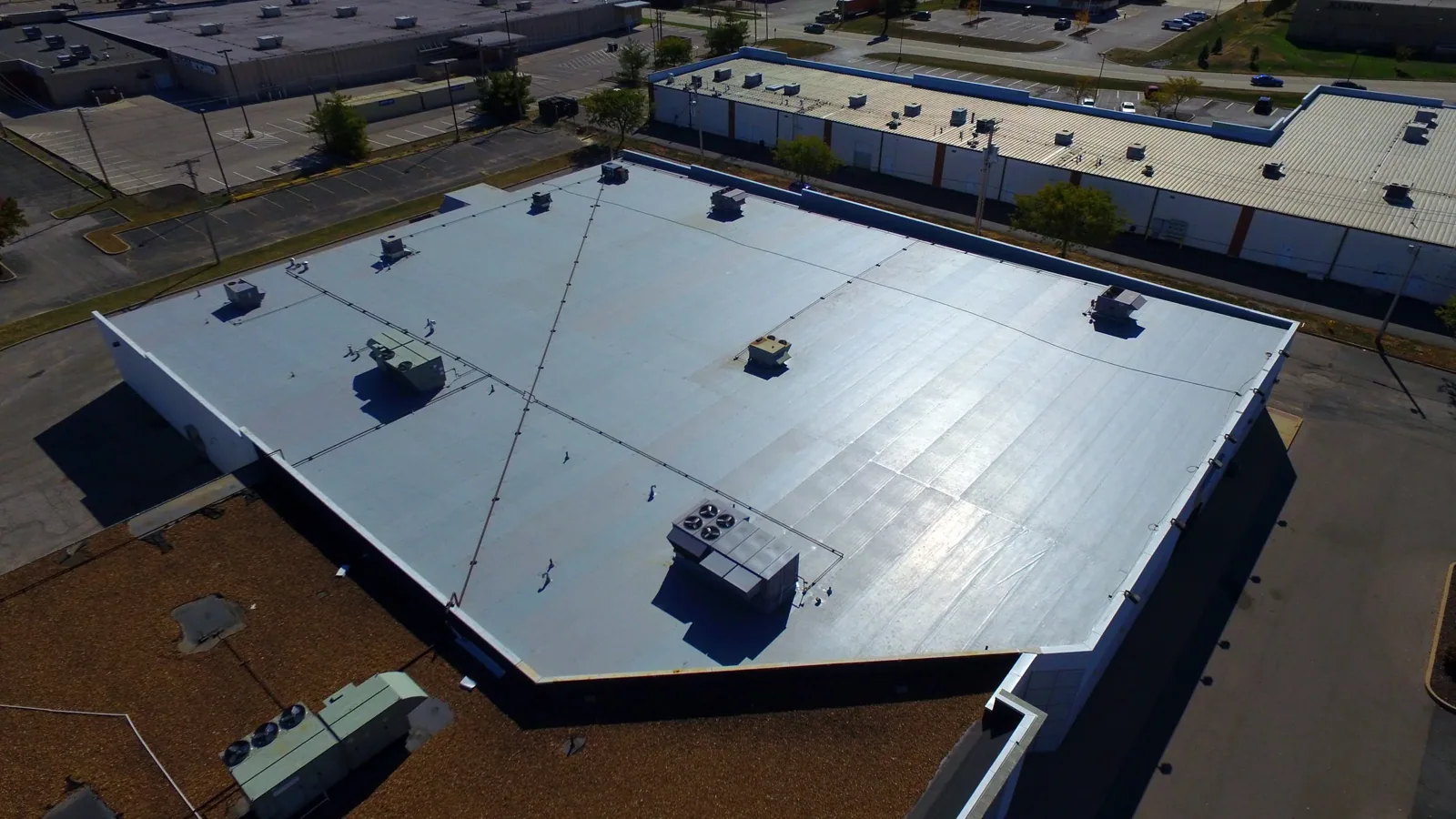
At each transition, the seam may meet flashing, a drain, a curb, or a change in roof plane. Those connections can concentrate movement and should be reviewed separately from the open field. A flashing connection review follows the curb or wall turn; a field seam repair must preserve the membrane’s lap direction and system compatibility. If a drain or scupper interrupts the seam, we record the termination and water path before selecting the repair detail.
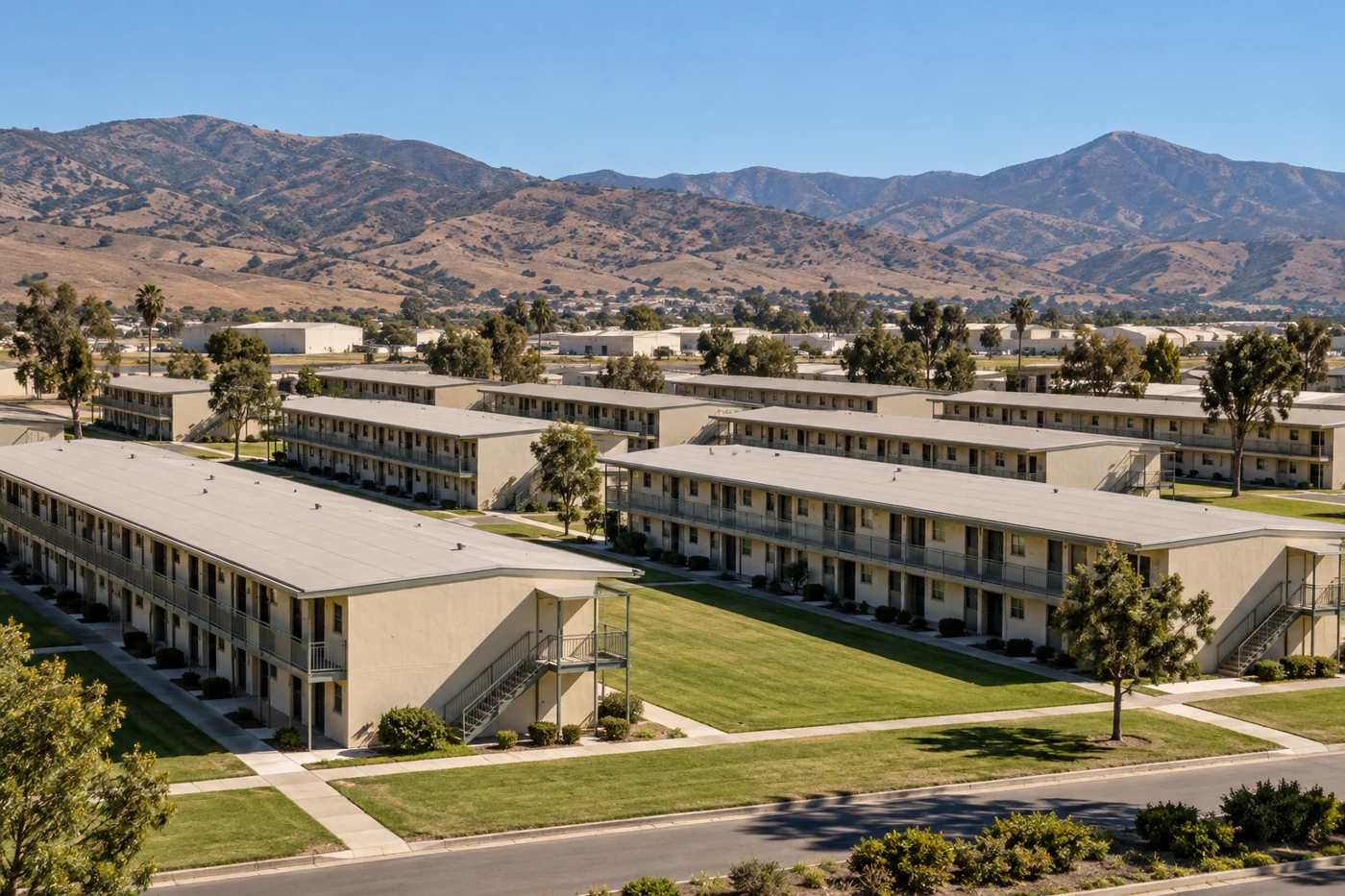
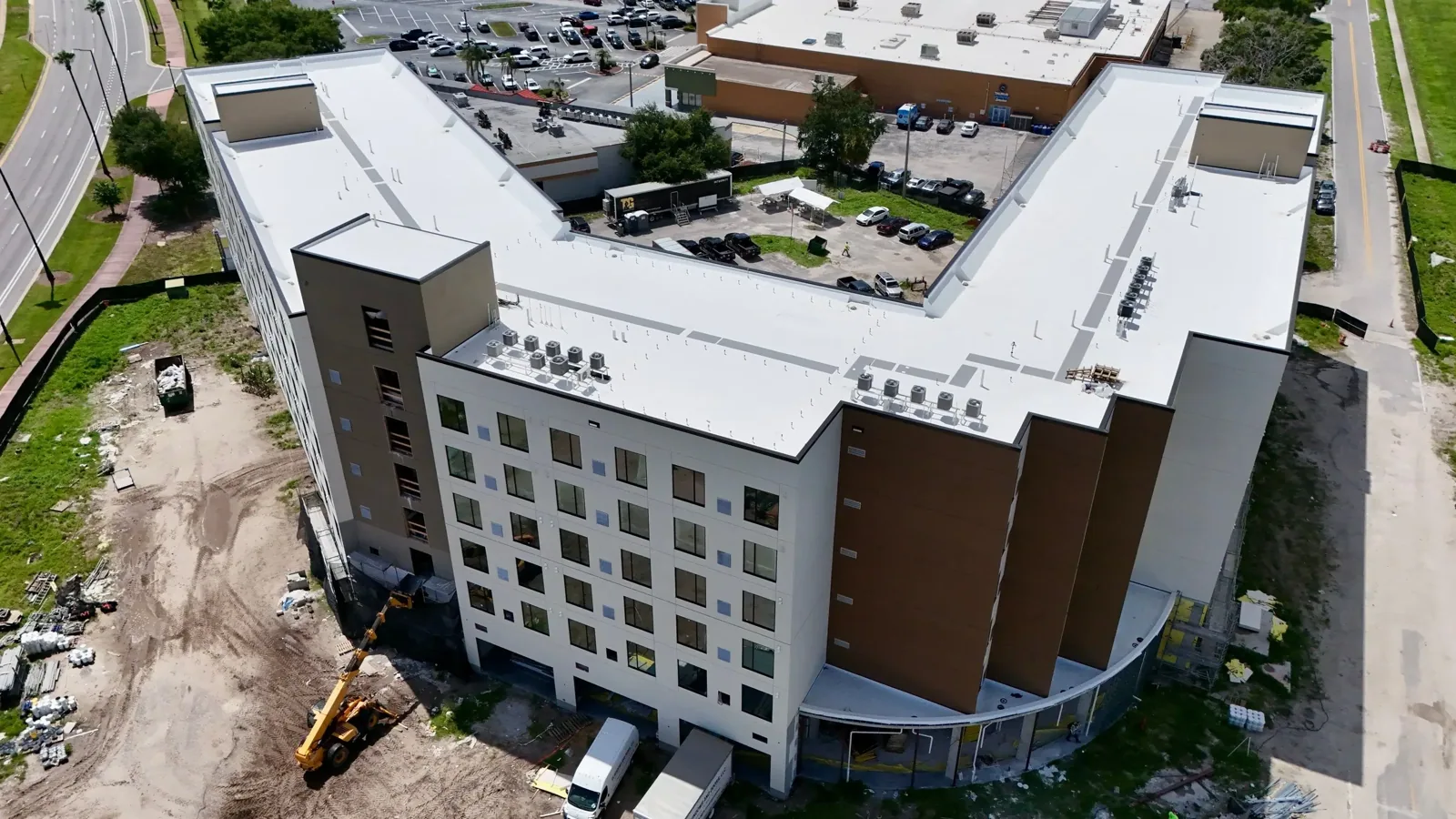
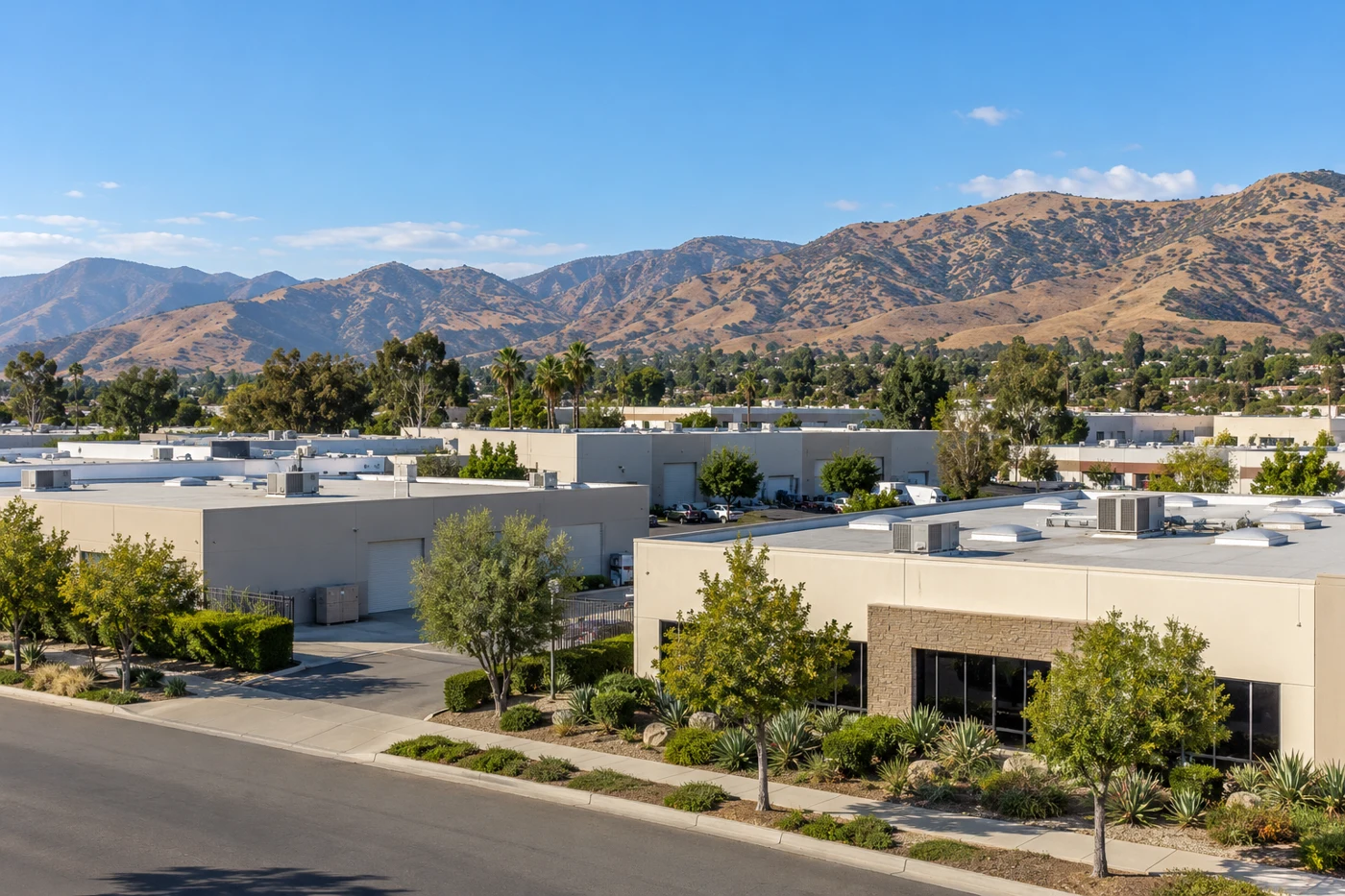
The General Plan EIR describes much of Simi Valley’s industrial development in the West End Specific Plan area and identifies business, research, office, and development parks. Those larger roof areas can contain more than one membrane zone, but the citywide description does not establish what any specific property uses. The West End area is a geographic reference; the roof plan and field inspection set the seam map.
Check what the opening connects to
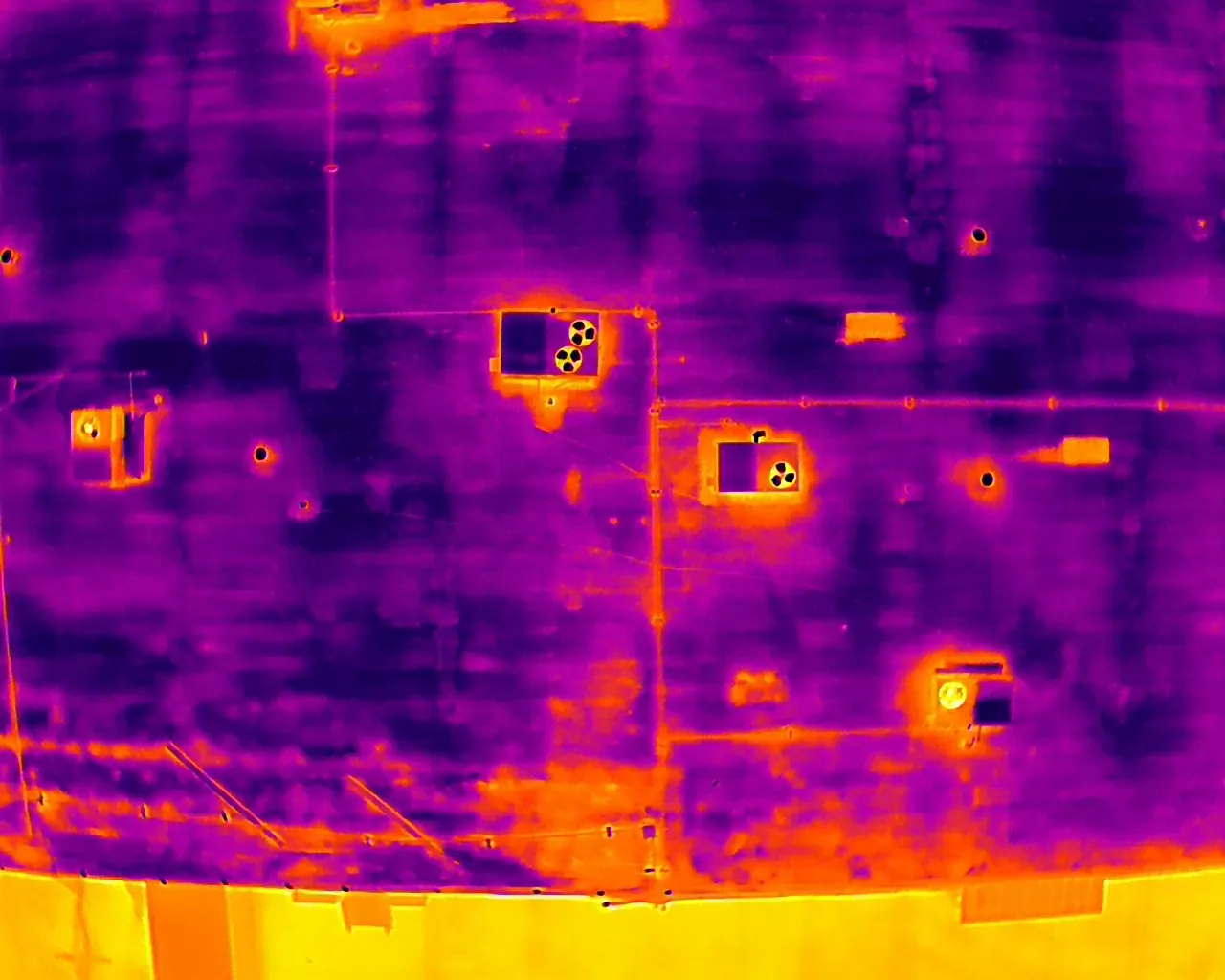
Once a seam is open, water can travel under the sheet or along insulation joints before reaching the interior. We compare the leak report with seam direction, deck flutes, drains, curbs, and prior repairs. A ceiling stain is not a reliable measure of the removal area. We may use a moisture survey to select a test opening, then inspect the insulation and deck directly if that evidence controls the scope. Before any opening, we explain protection below and the daily dry-in limit.
Heat can affect membrane movement and bonding, but the General Plan projection is regional context rather than a condition report for one roof. It projects average maximum and minimum temperatures rising 3 to 5 degrees Fahrenheit by mid-century and more days above 97.2 degrees. We use that context to review exposure and timing, then document the actual seam condition. The moisture survey is useful only when conditions support the method; a leak repair assessment follows the confirmed entry path.
If a test reveals wet insulation beyond the initial split, we mark the new boundary and pause for approval before extending removal. Dry insulation and sound membrane outside the seam can often remain. The owner receives photos, test notes, and the area left outside the authorized repair.