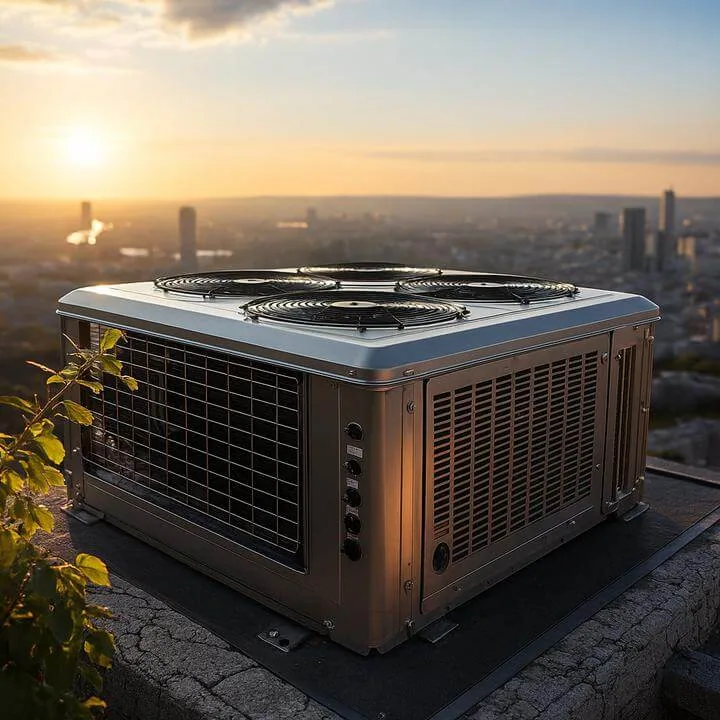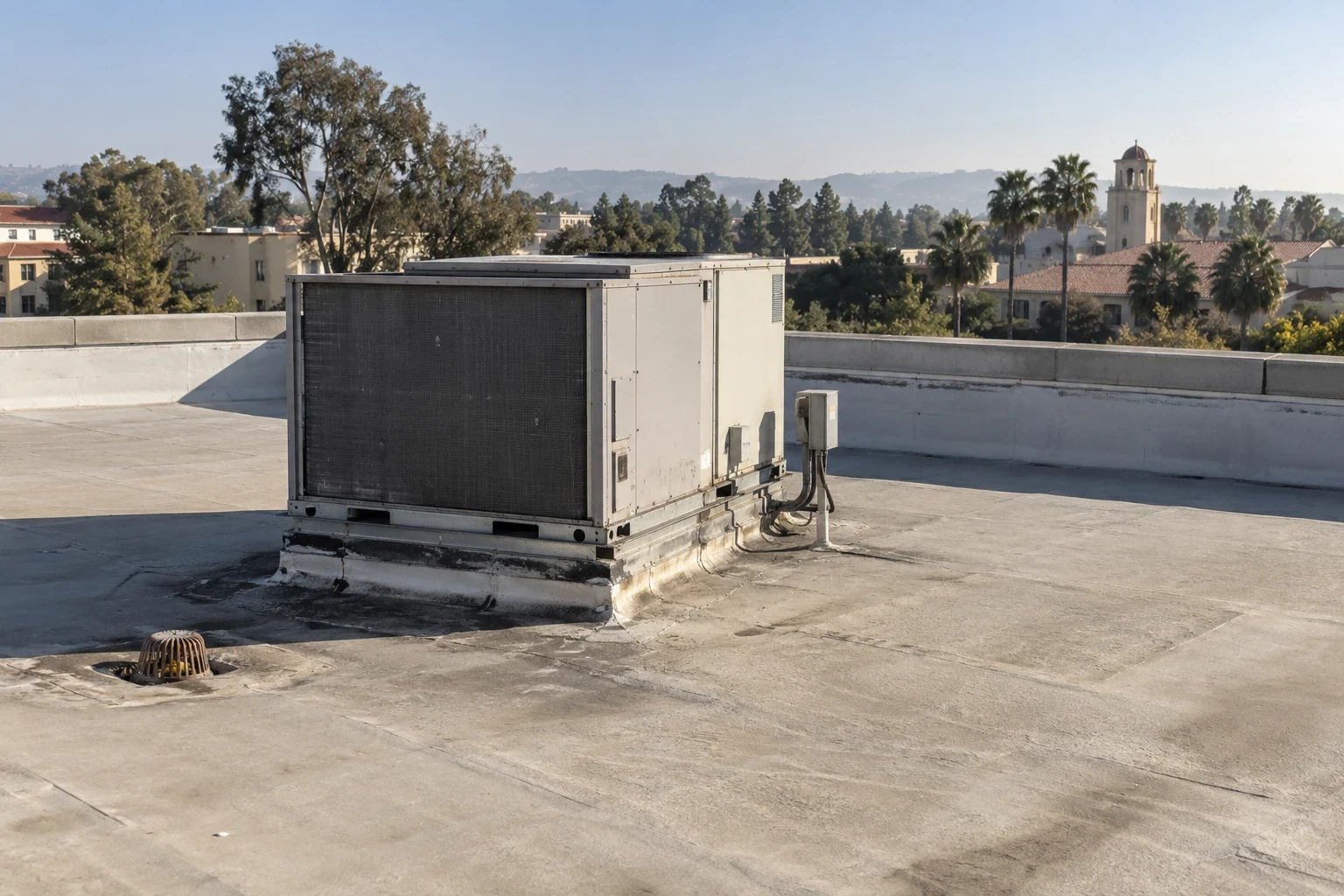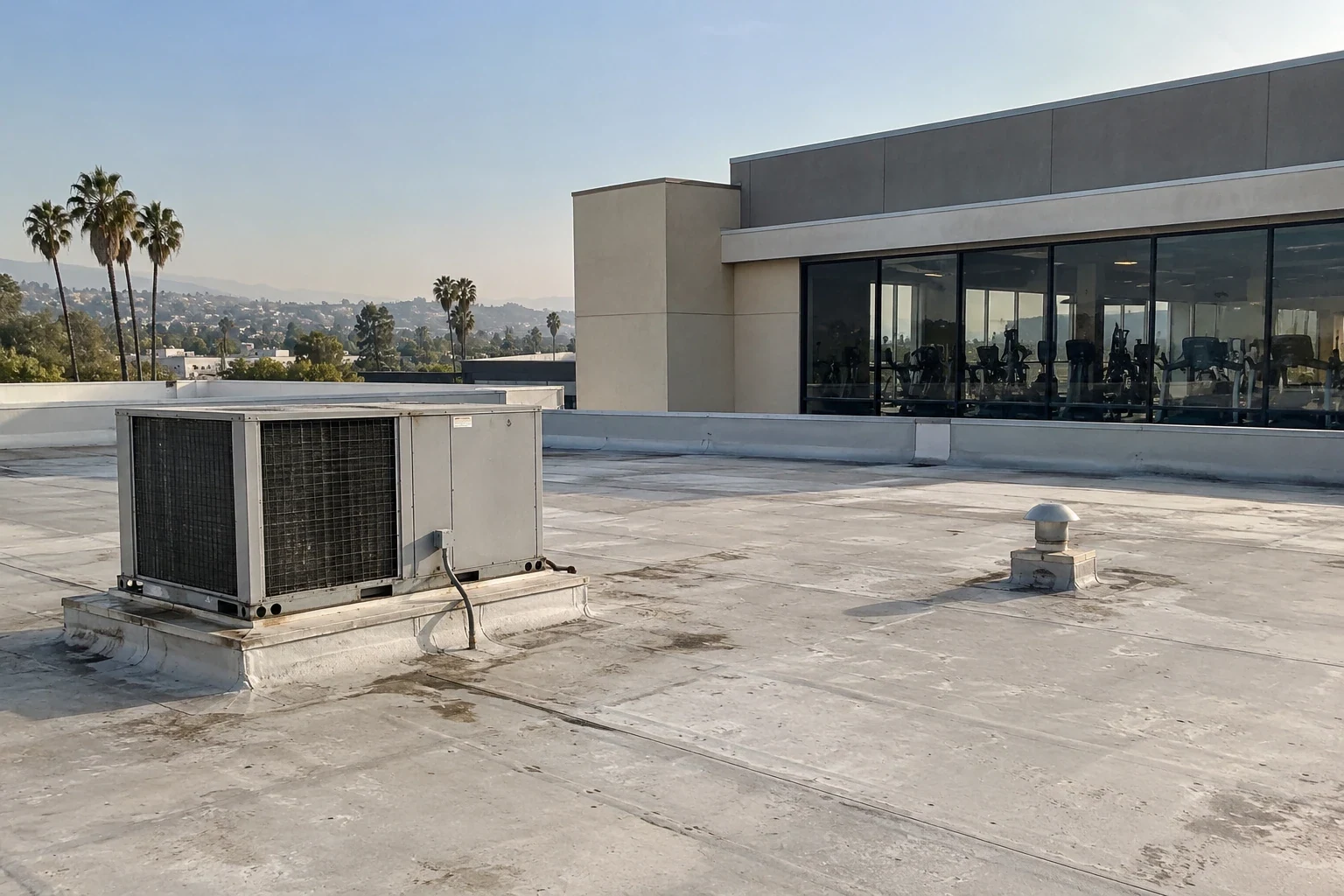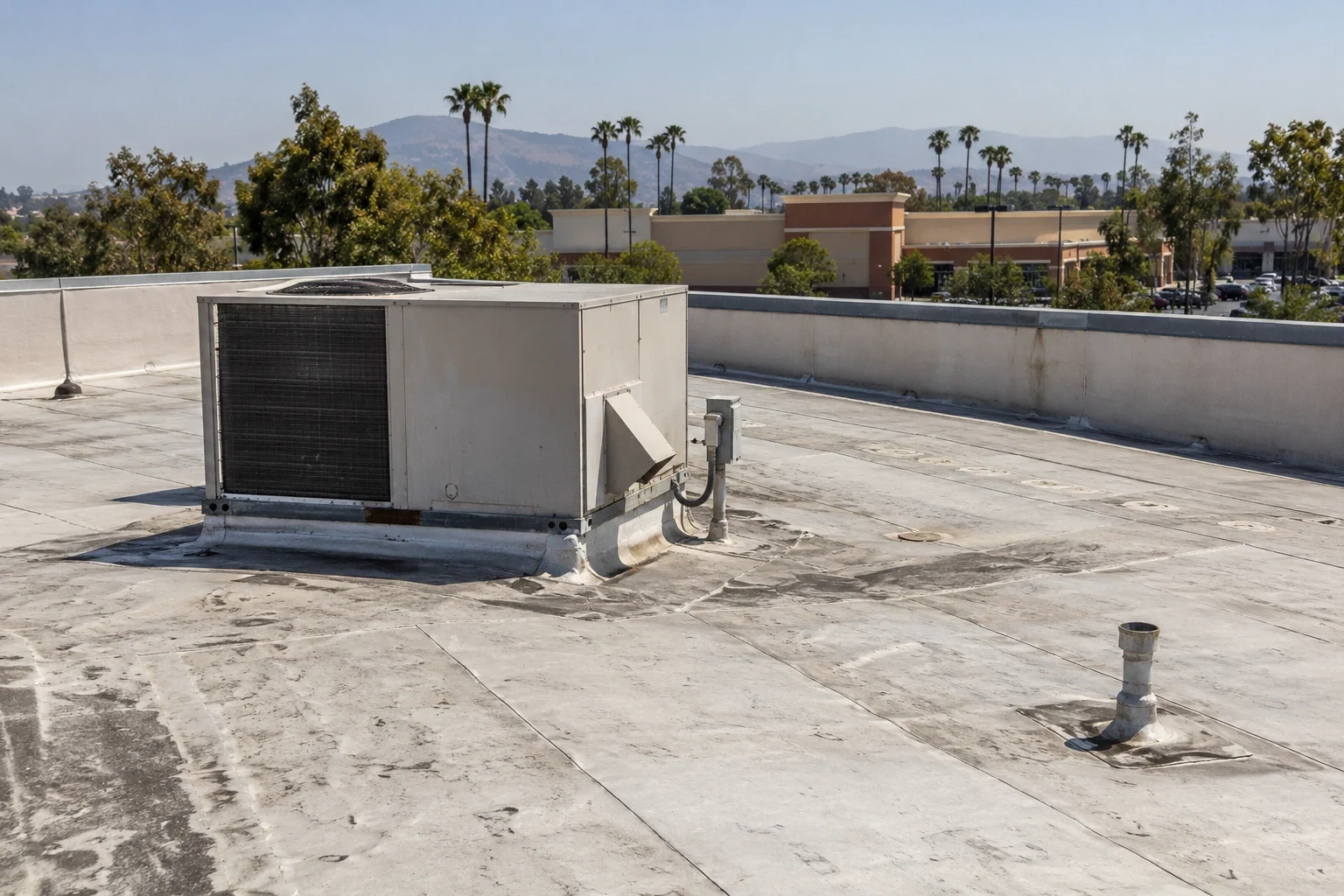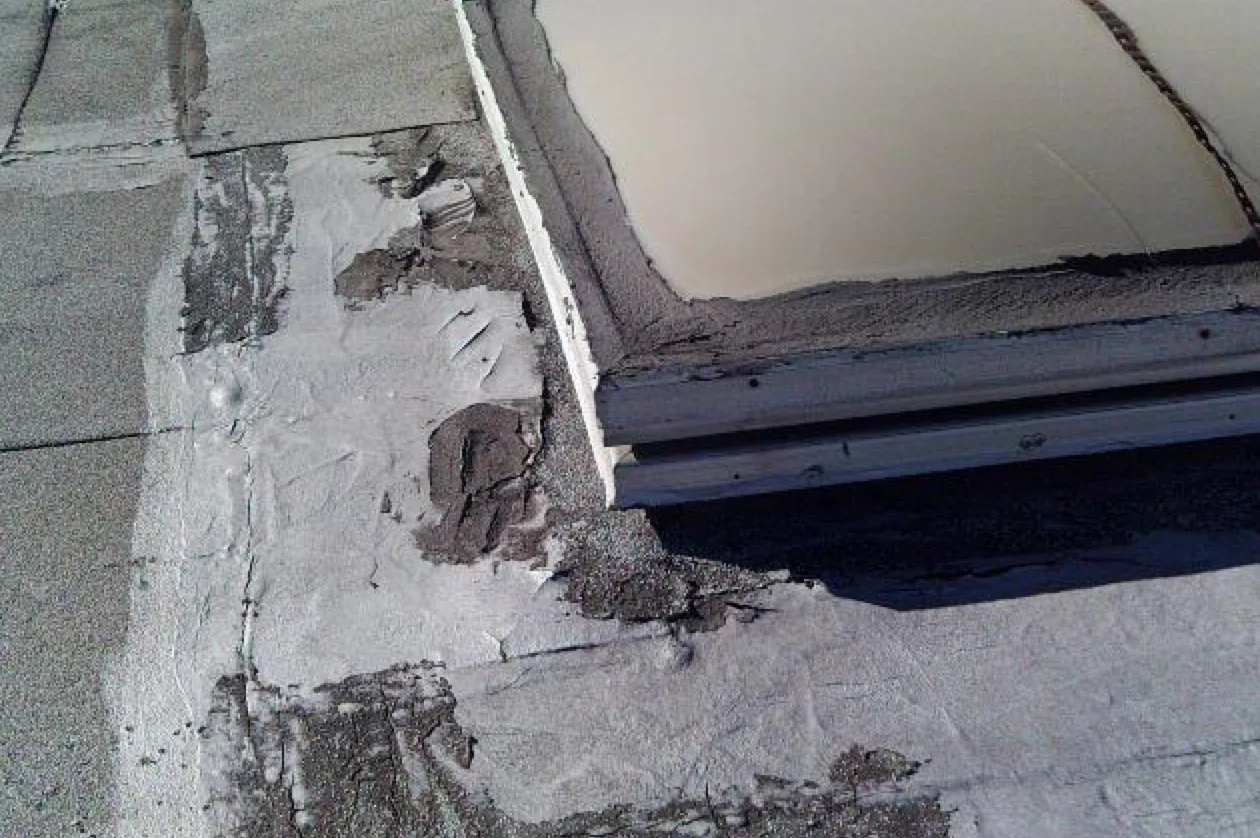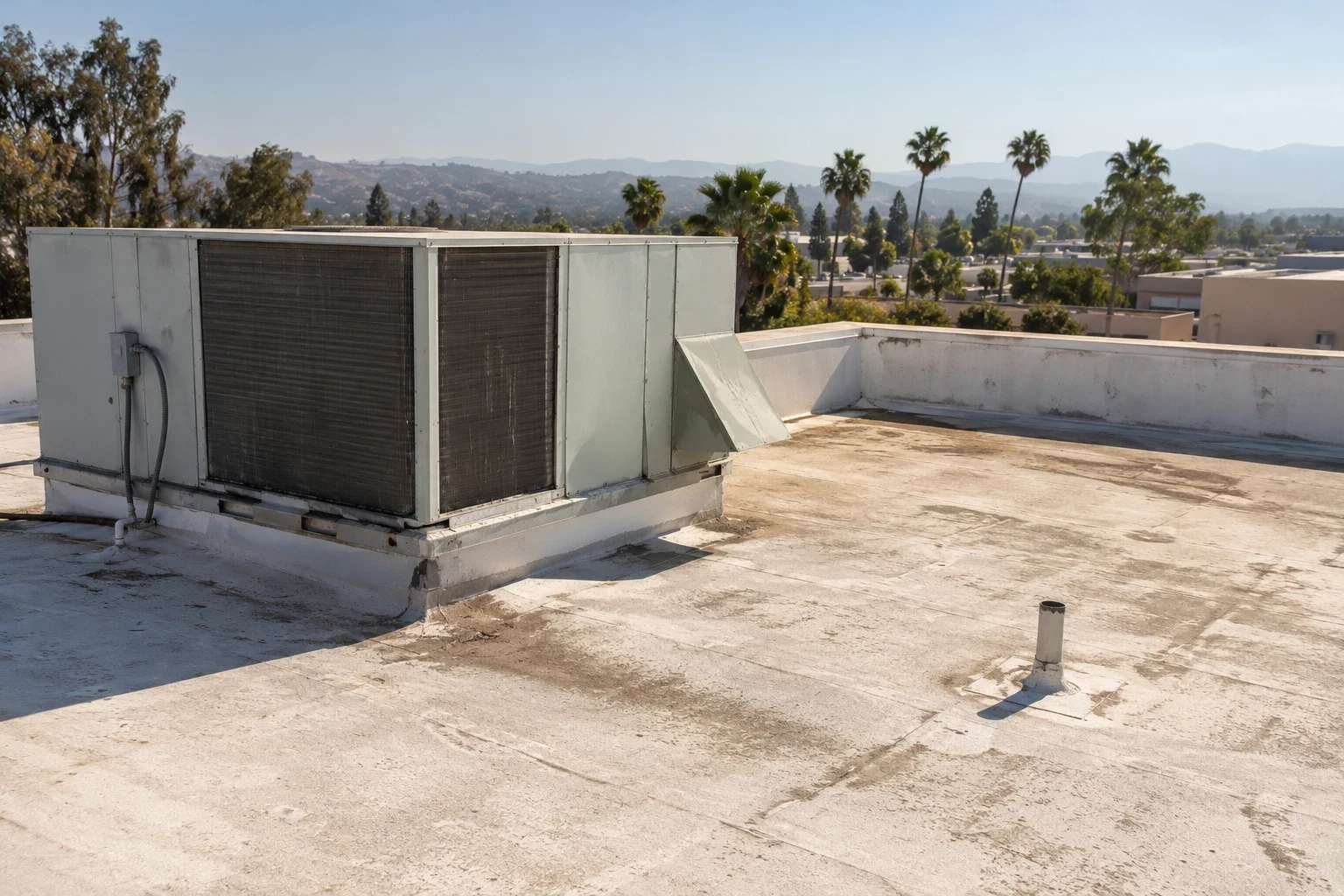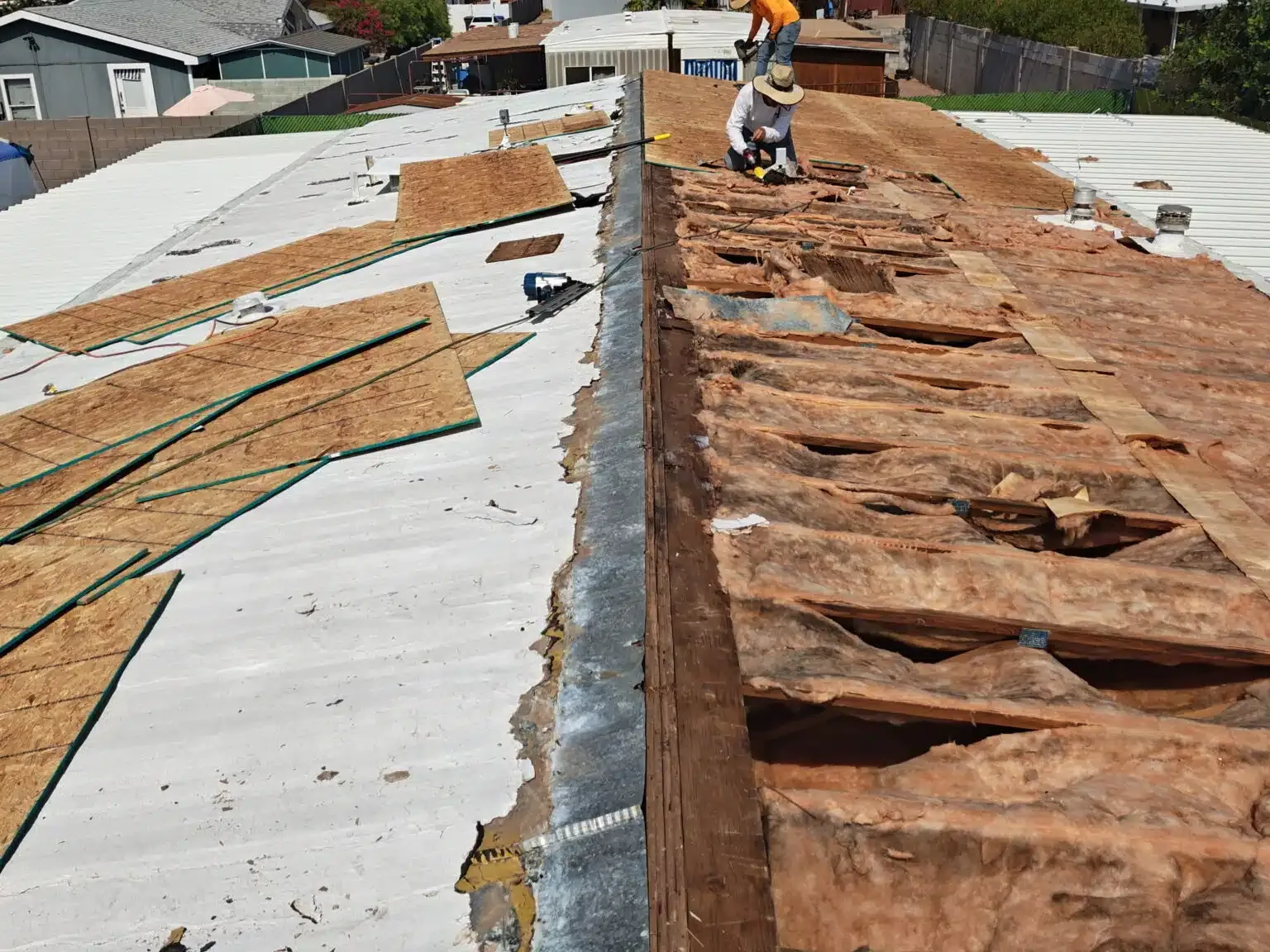
A unit replacement can leave a curb that no longer fits the equipment, while a new support may press into a membrane field without a proper separation detail. In Simi Valley, heat exposure makes movement at those transitions worth checking, but the visible assembly sets the repair boundary. We inspect the curb, counterflashing, fasteners, service clearance, and nearby insulation before deciding whether the issue is a sealant repair, a flashing rebuild, or a larger opening. The City projects hotter summer conditions over time; that is a planning factor for exposed roof details, not a diagnosis of a particular building. A commercial roof inspection records what the transition is doing now.
Read the curb transition
Water can enter where the field membrane rises to the curb, where the curb meets the equipment base, or at a corner that has lost its reinforcement. Those are different interfaces. We look for an open seam, a split in a liquid-applied detail, a loose counterflashing leg, or a termination hidden behind a service panel. The inspection also checks whether the curb is sound and tall enough for the proposed flashing detail. If metal is concealed by the unit, we note that limit and identify the access required before the scope treats the connection as confirmed.
Prior replacement work can create a second transition. A newer unit may sit on an adapter curb above an older curb, leaving a narrow ledge that holds debris or interrupts the membrane turn-up. We photograph the entire assembly, then capture the corners and fasteners close enough to judge separation and movement. Where a leak report points to the ceiling below, we compare its timing with rooftop conditions but do not assume the stain identifies the entry point. A penetration-flashing review can help distinguish curb work from nearby pipes, skylights, or other openings.
Check how loads reach the roof
Pipe racks, conduit frames, and equipment rails need support that transfers load without cutting or crushing the roof assembly. We inspect the foot, pad, fastener, and surrounding membrane for punctures, compressed insulation, corrosion, or a repair that has separated at the edge. A support that moves when piping expands can work a patch loose. The correction may require a compatible support detail and membrane restoration, but structural capacity and equipment engineering remain separate design questions. Our roof scope identifies the observed interface and coordinates its limits with the responsible trade.
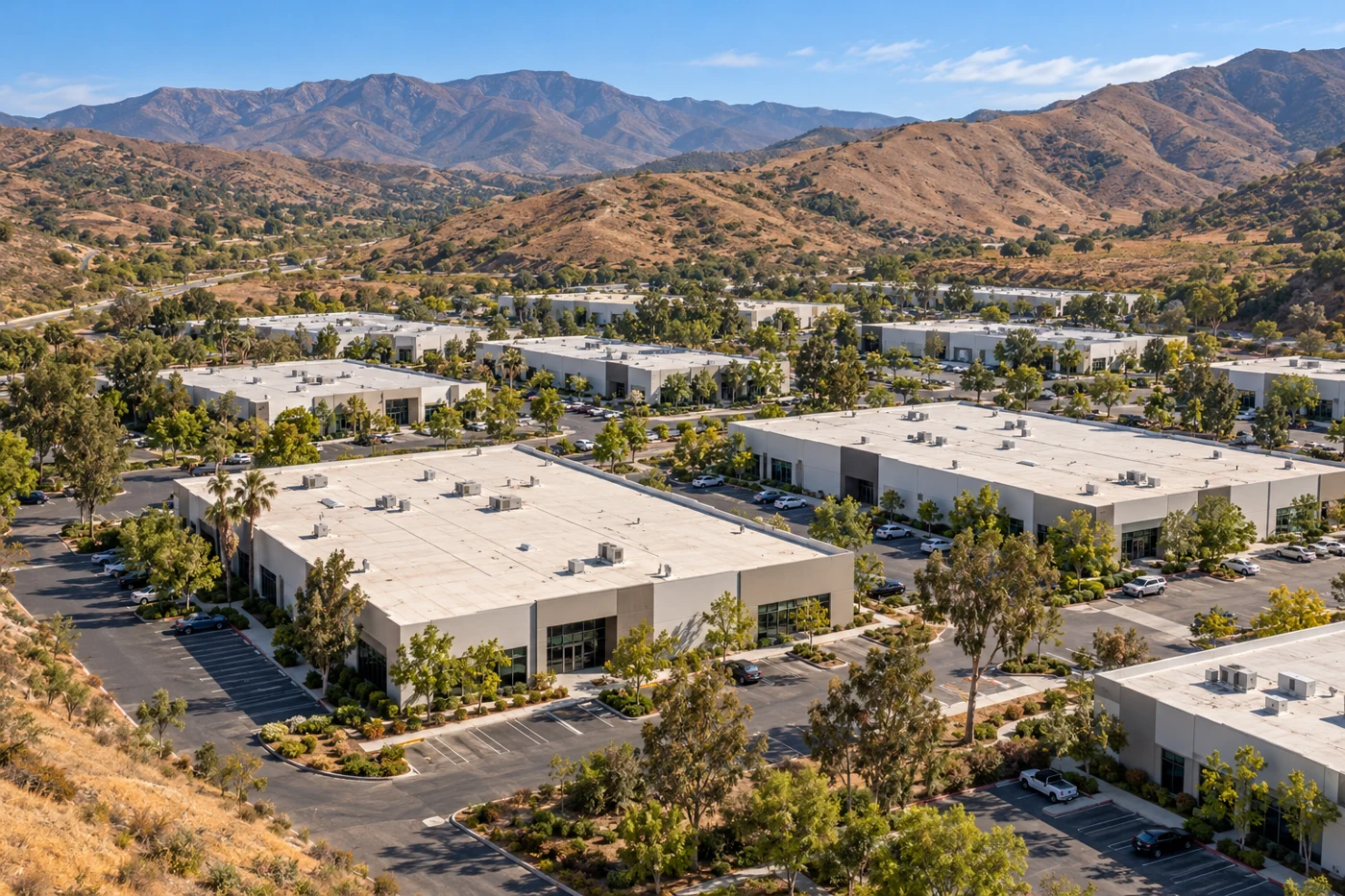
Tapo Canyon Business Park includes medium- and larger-scale buildings that may serve office or high-technology industrial uses. That setting makes rooftop service access a practical topic, not proof of any particular equipment or roof type. We record the clear space around each curb and support, including a route for a technician to reach disconnects or filters without stepping on vulnerable details. A roof review near Tapo Canyon still relies on the building’s actual equipment plan. When a support blocks drainage or inspection access, we flag the obstruction for the owner and equipment contractor before repair begins.