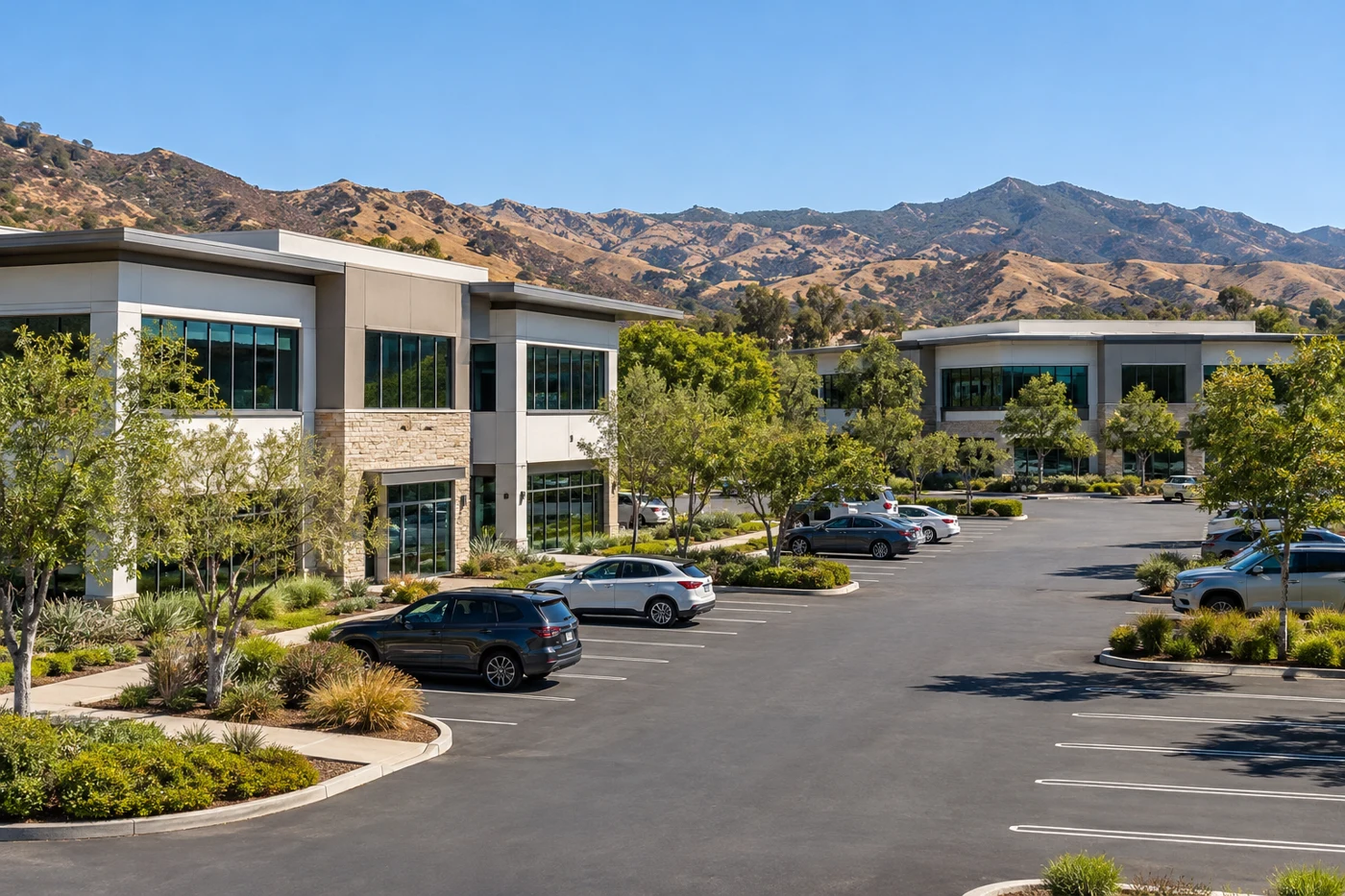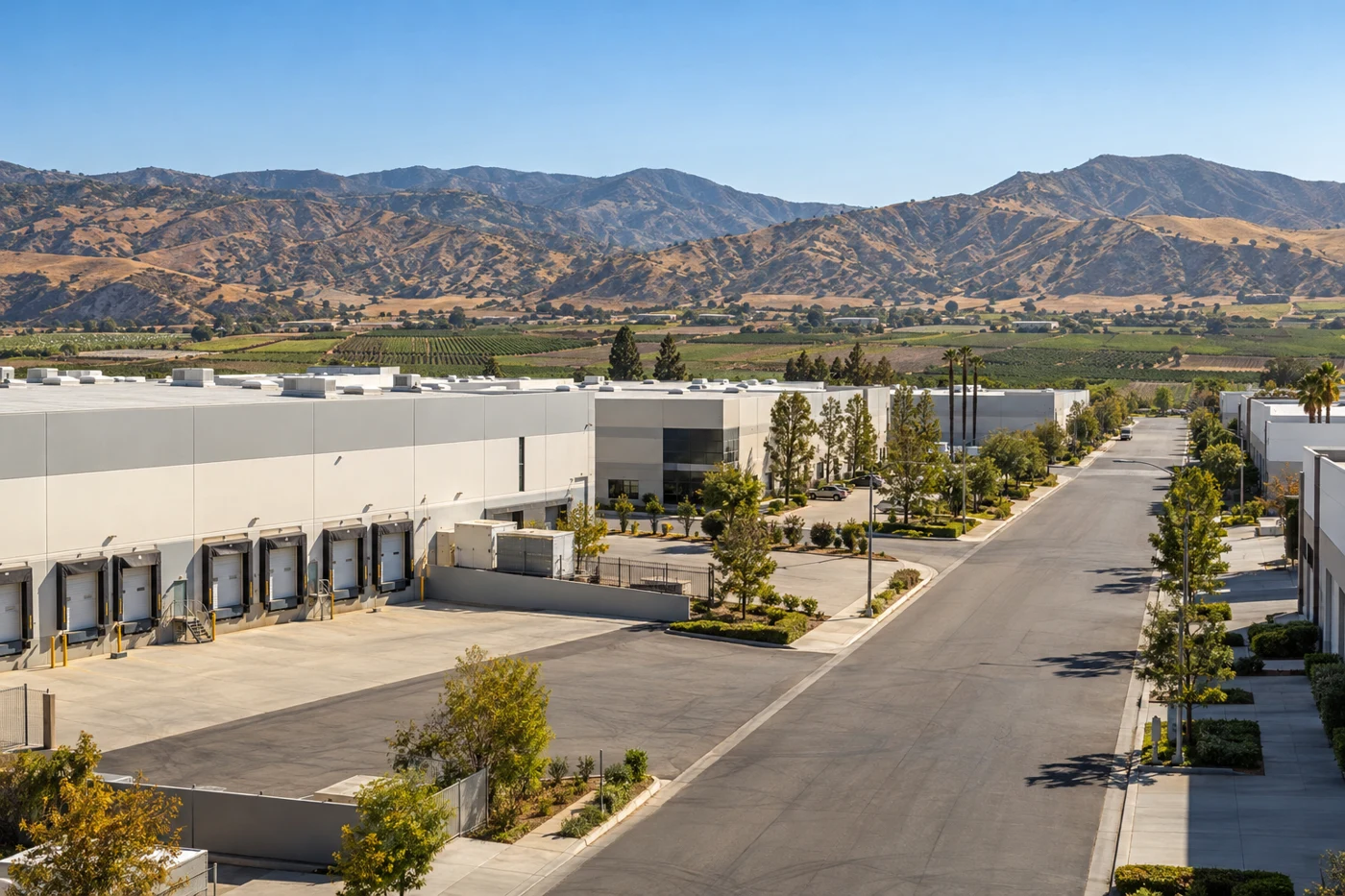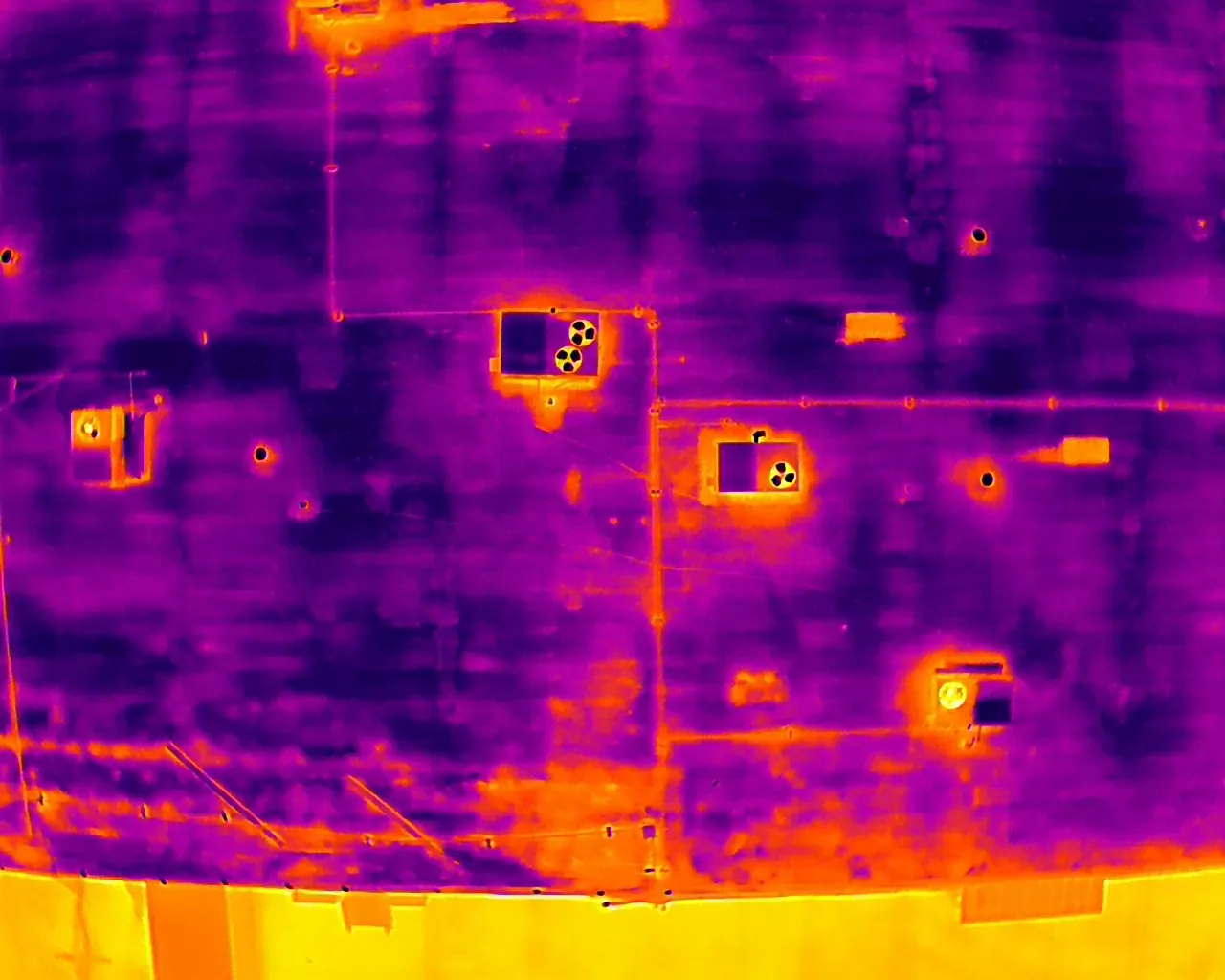
Mission Oaks Business Park in Camarillo, CA contains office and industrial uses and has been shifting from an industrial and manufacturing center toward more administrative and government offices, retail, and residential activity. That mix affects the access and scheduling questions a property manager must answer, but it does not tell us what roof system is installed. We inspect seams, curbs, drains, wall transitions, and equipment supports at the building, then define which zone supports a repair. A commercial roof inspection records the assembly and work boundary before the facility manager selects repair, restoration, or replacement.
Confirm the operating boundary
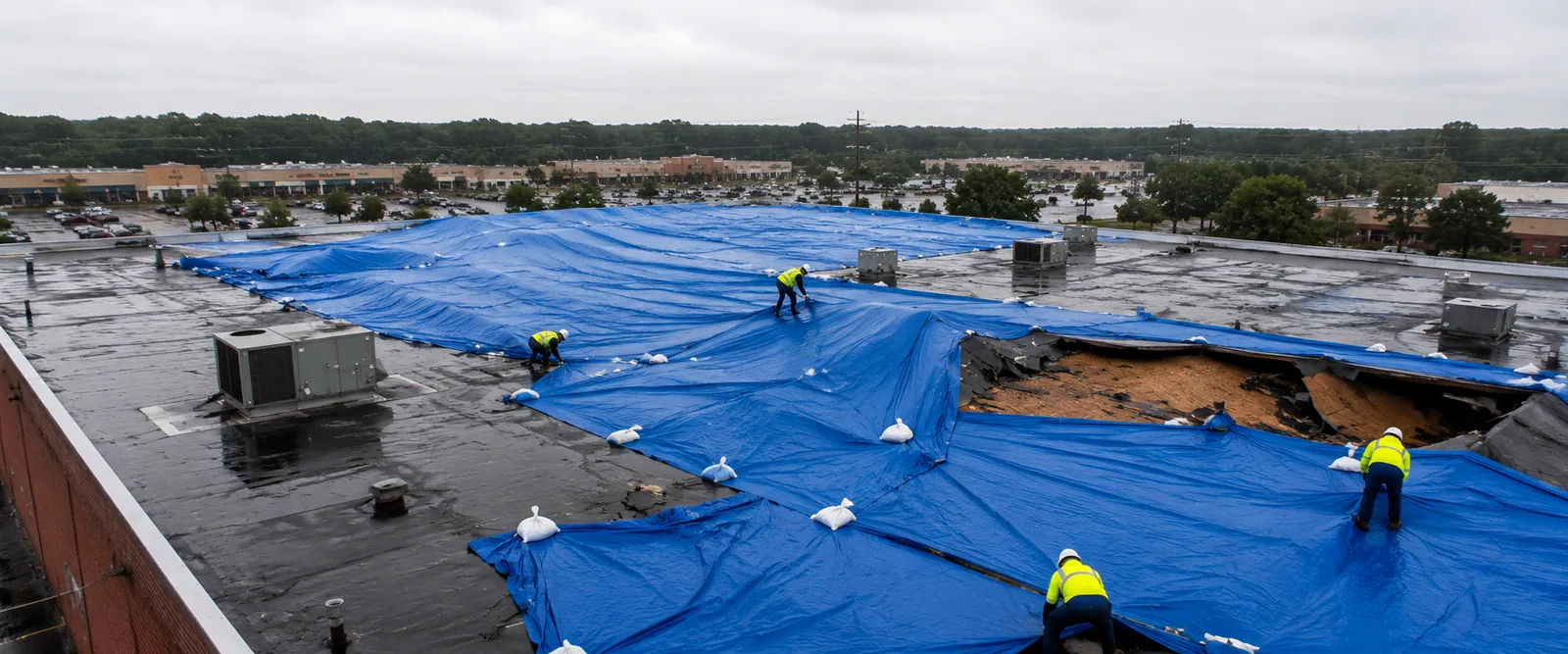
Office hours, retail traffic, industrial deliveries, and residential adjacency can create different limits for a roof project. We confirm how the property operates now rather than assuming the schedule from a district description. The site contact identifies entrances that need to stay clear, loading areas, equipment that cannot be shut down, and hours when a lift or delivery can arrive. The work plan names the roof access route and where temporary protection will be installed. A sequence for occupied properties can account for those limits before material is opened.
Camarillo's planning review describes the Flynn Road Industrial Area north of Mission Oaks Boulevard and U.S. 101, giving the larger employment district a geographic reference. That relationship does not establish which roads a crew can use or where material can be staged. We confirm the approach and property access with the manager. In the Flynn Road Industrial Area, each inspection has its own property-level access plan and roof record.
Identify membrane and edge details
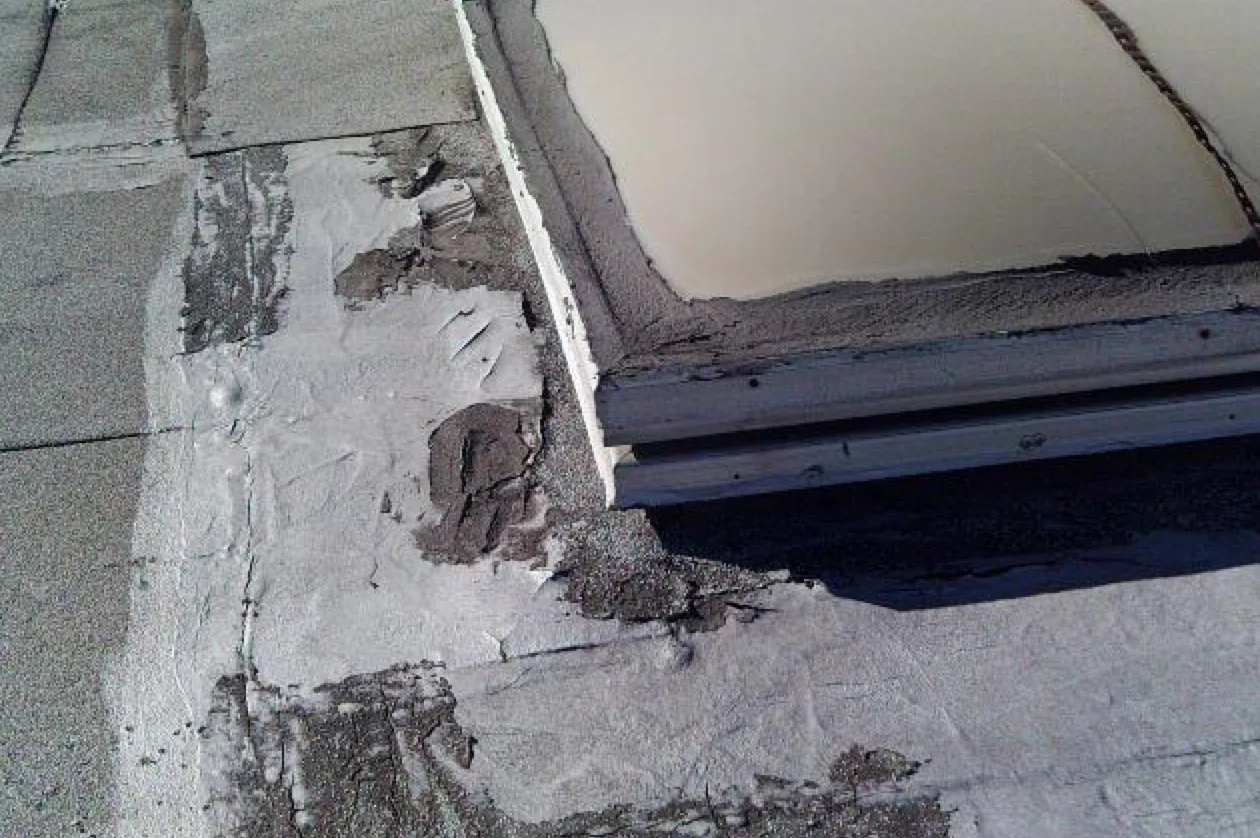
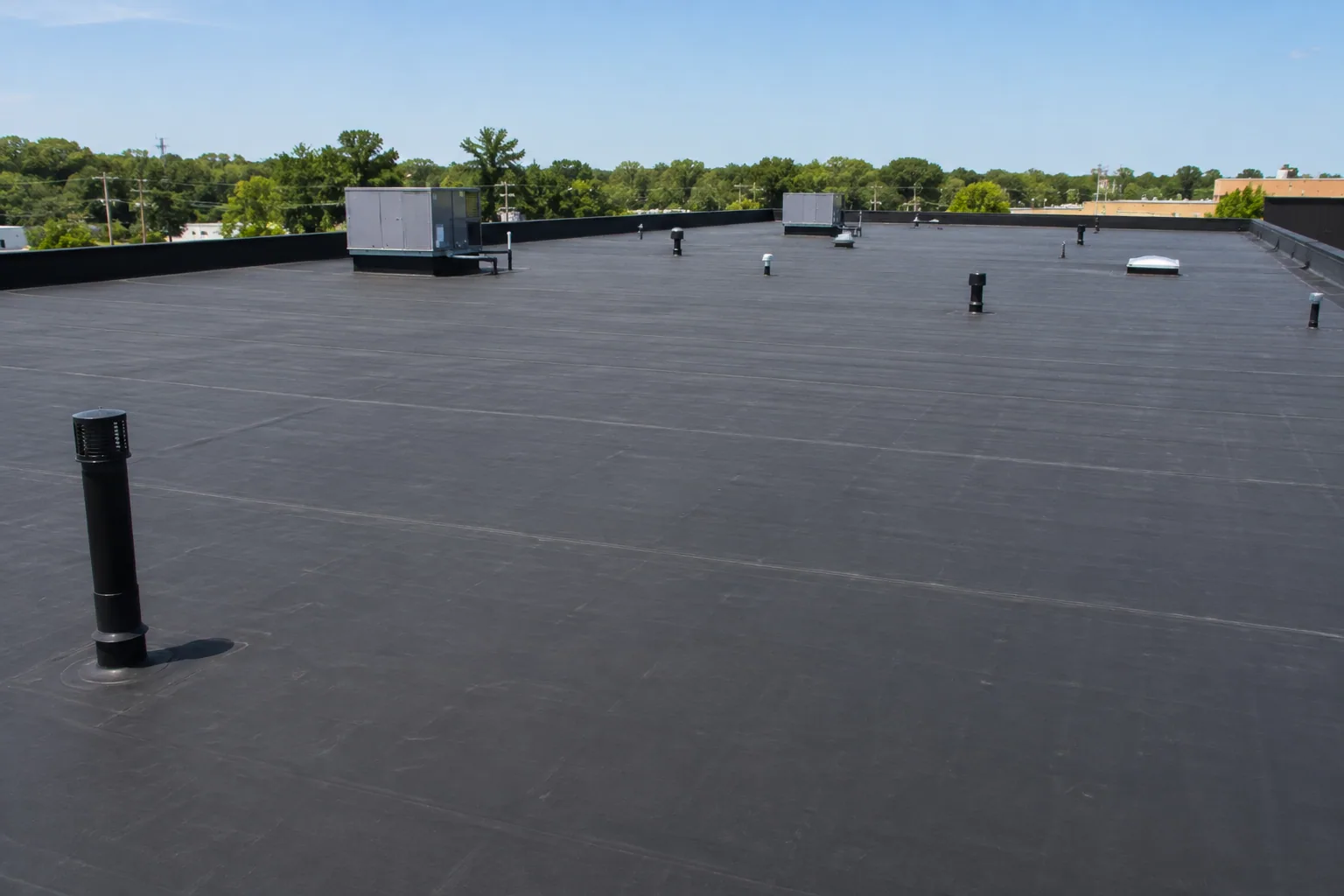
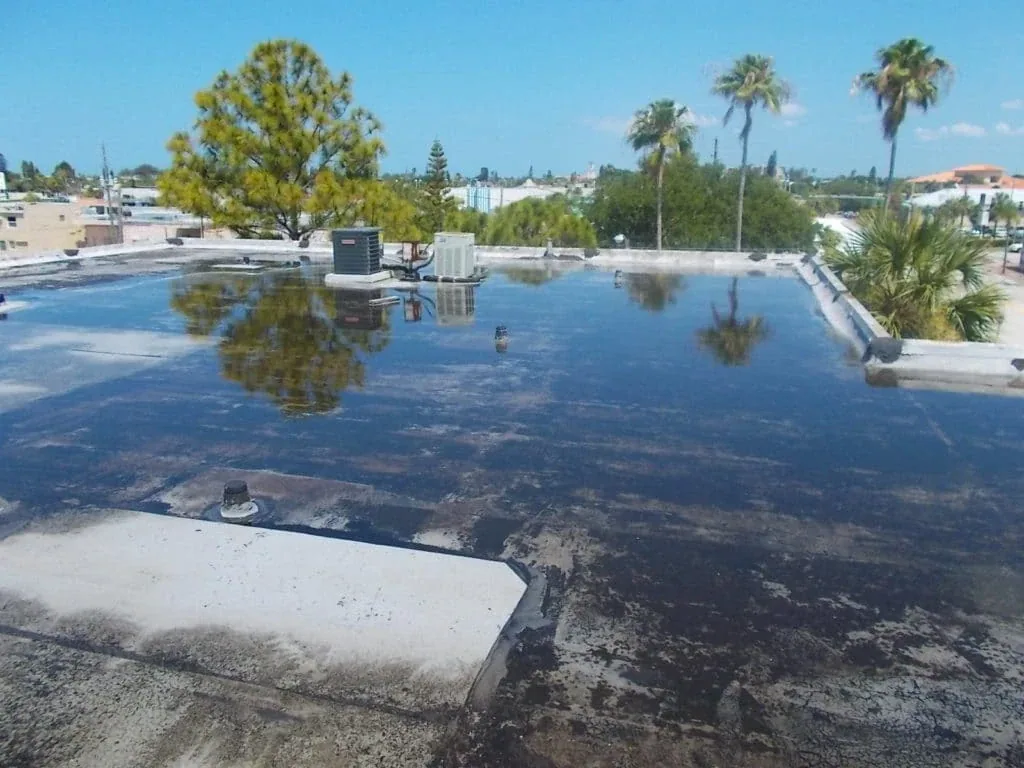
The roof may have been repaired or renewed in stages, so we look for system transitions as well as the main membrane. Seams, curb flashings, skylights, edge metal, and older patches can show different materials or attachment methods. We compare those details with drawings and maintenance notes, then identify what can be confirmed without opening the assembly. If a layer remains uncertain, the report describes a test cut or other check and the question it would answer before the repair method is selected.
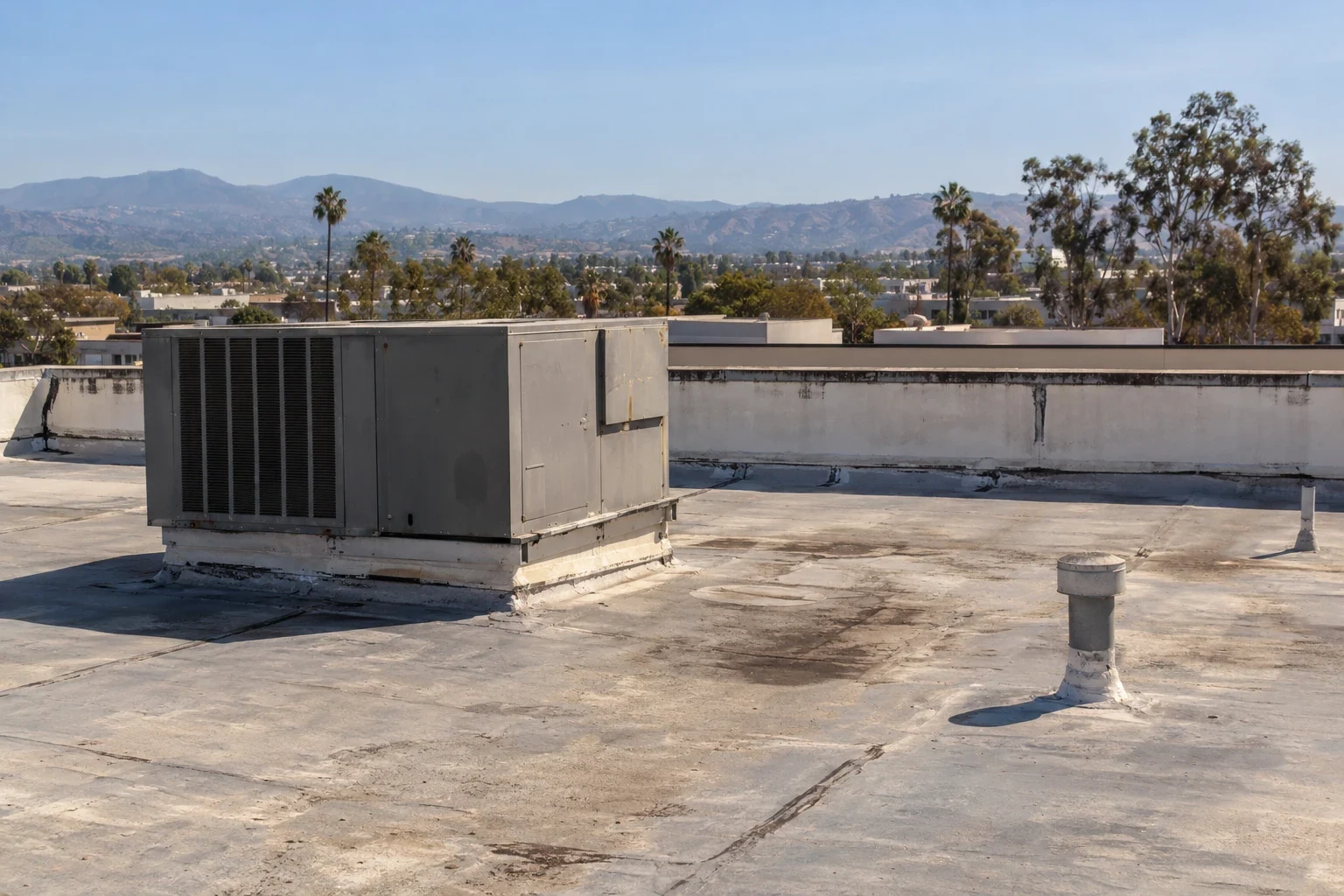
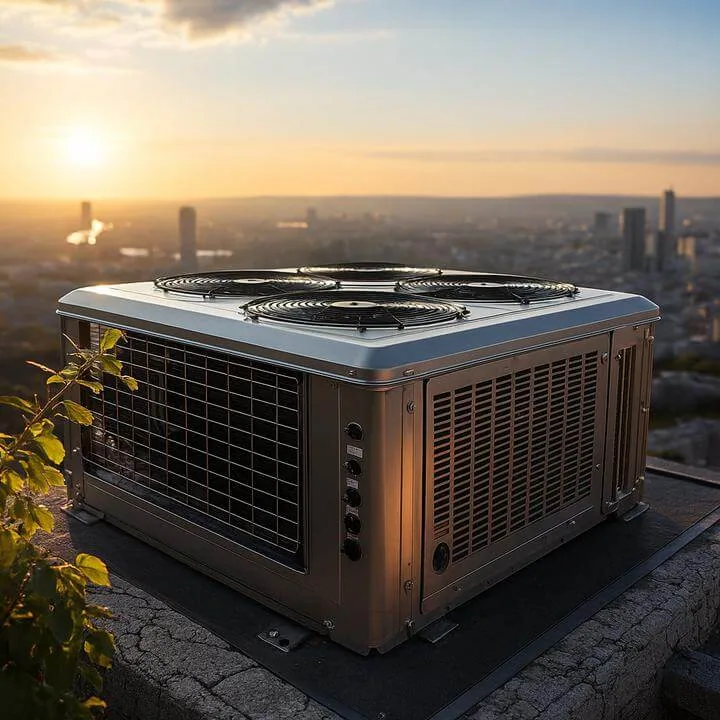
At an equipment curb, the membrane turn-up and counterflashing must remain tied to the roof surface. A unit's service access can also limit inspection and repair. We document that clearance and the detail itself. A curb and equipment scope may be separated from the open-field repair, while an edge metal review addresses perimeter terminations and gutters. The assembly's existing material determines which repair products can bond; a property type or planned use does not.