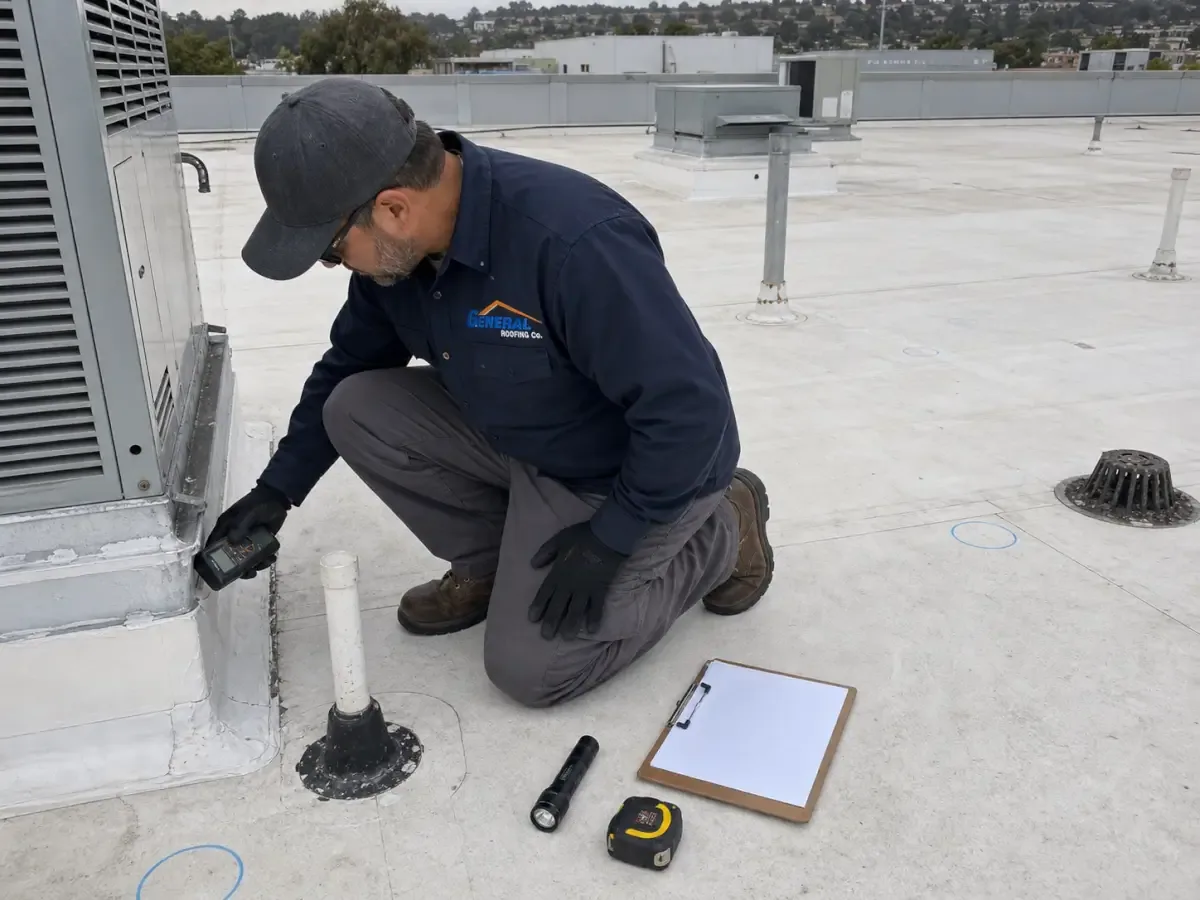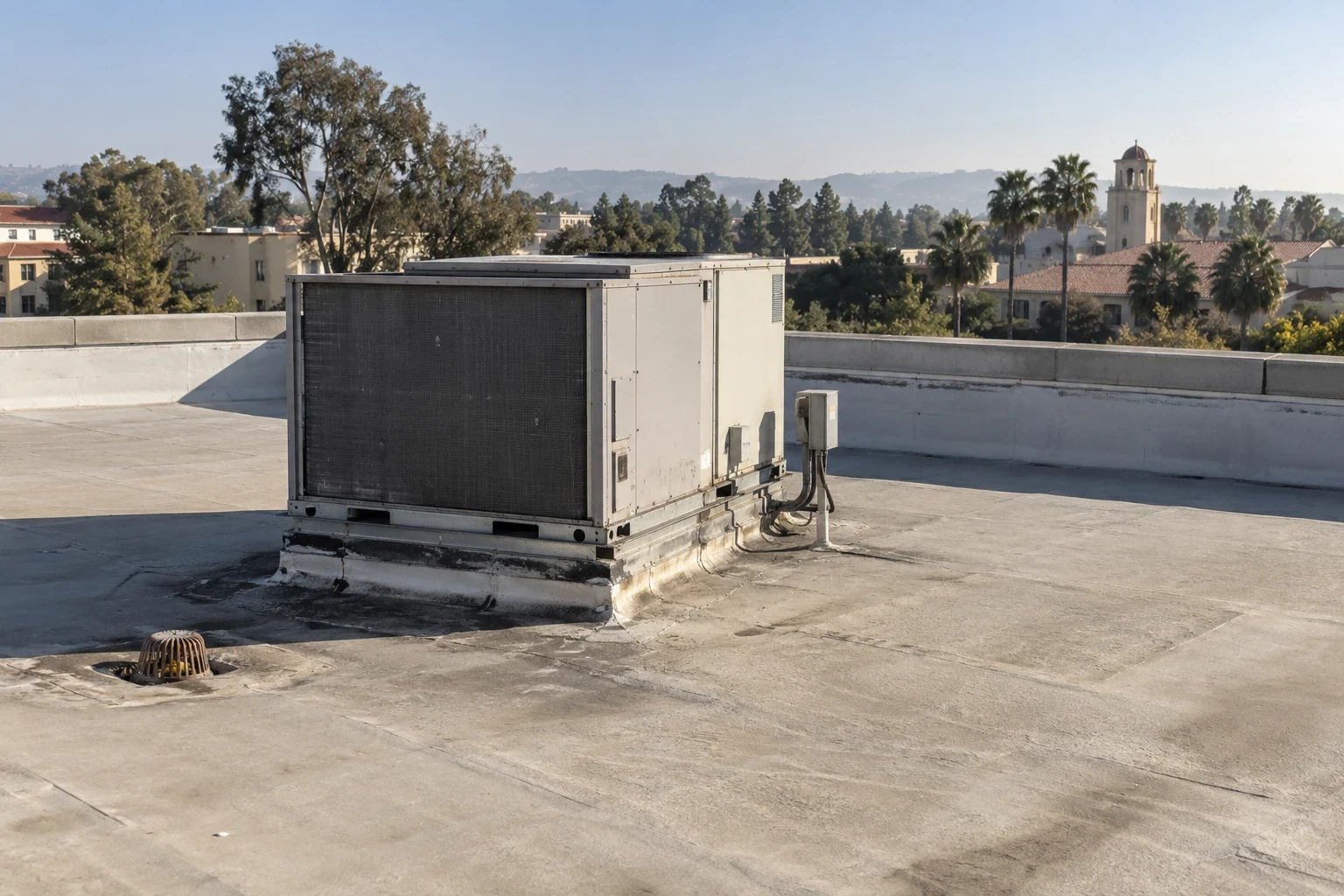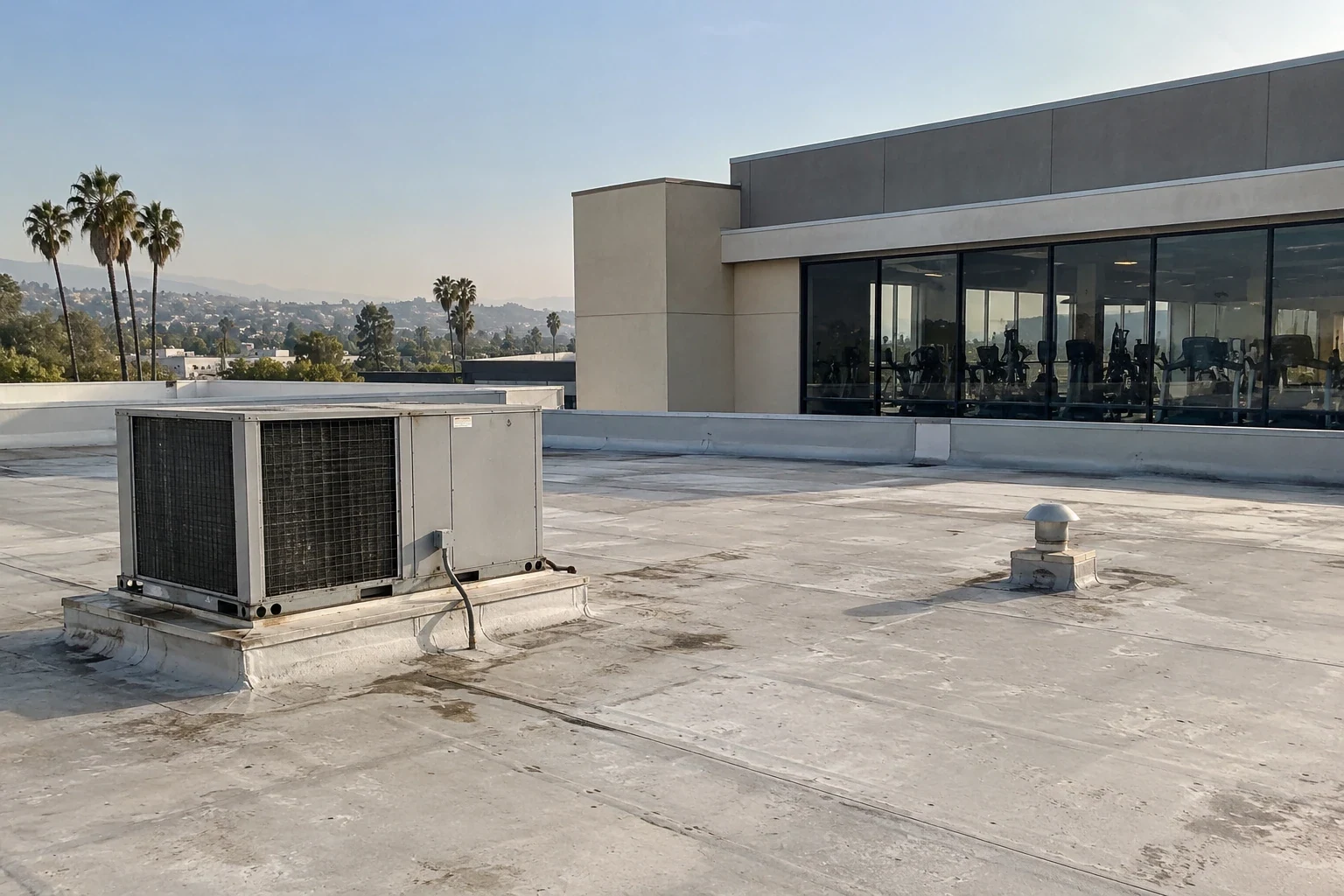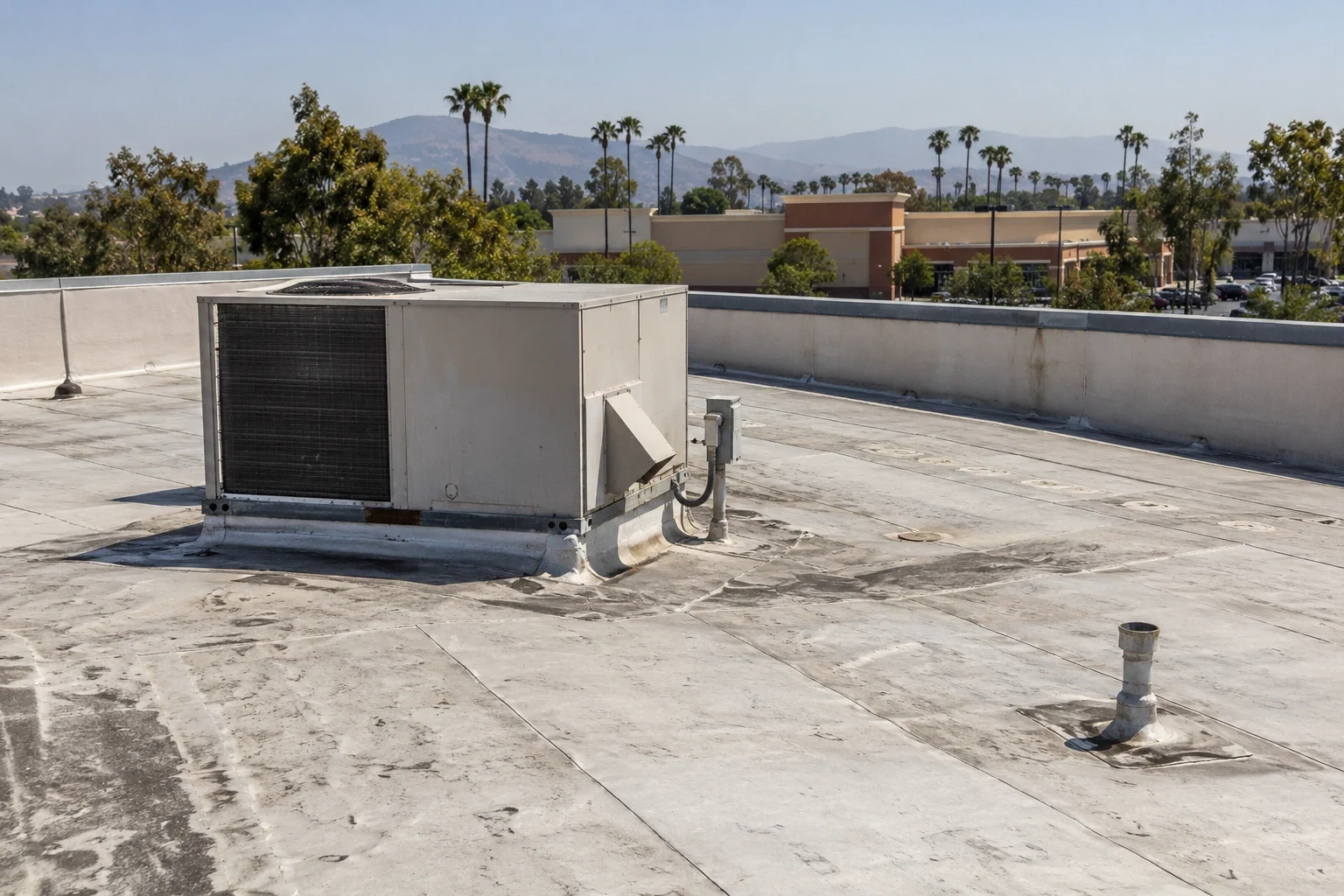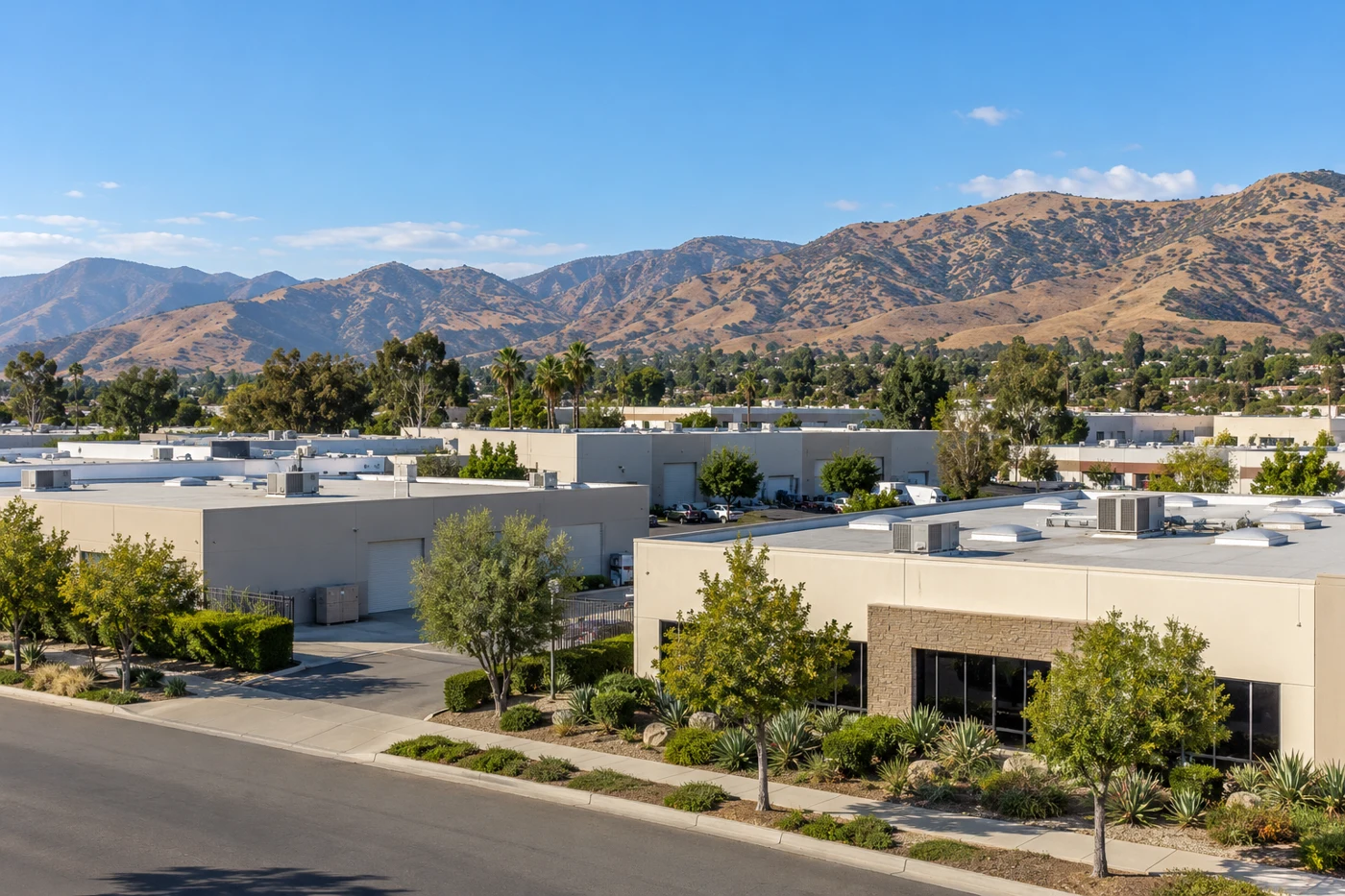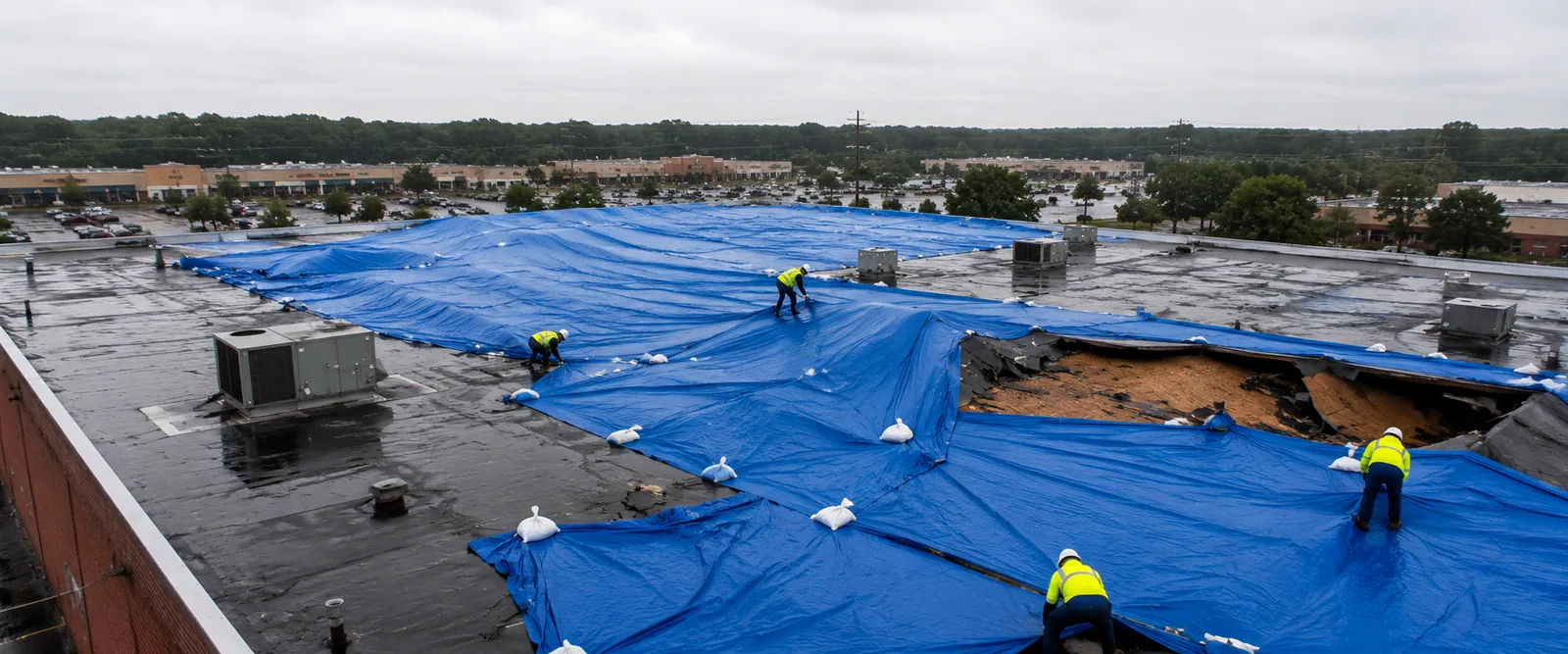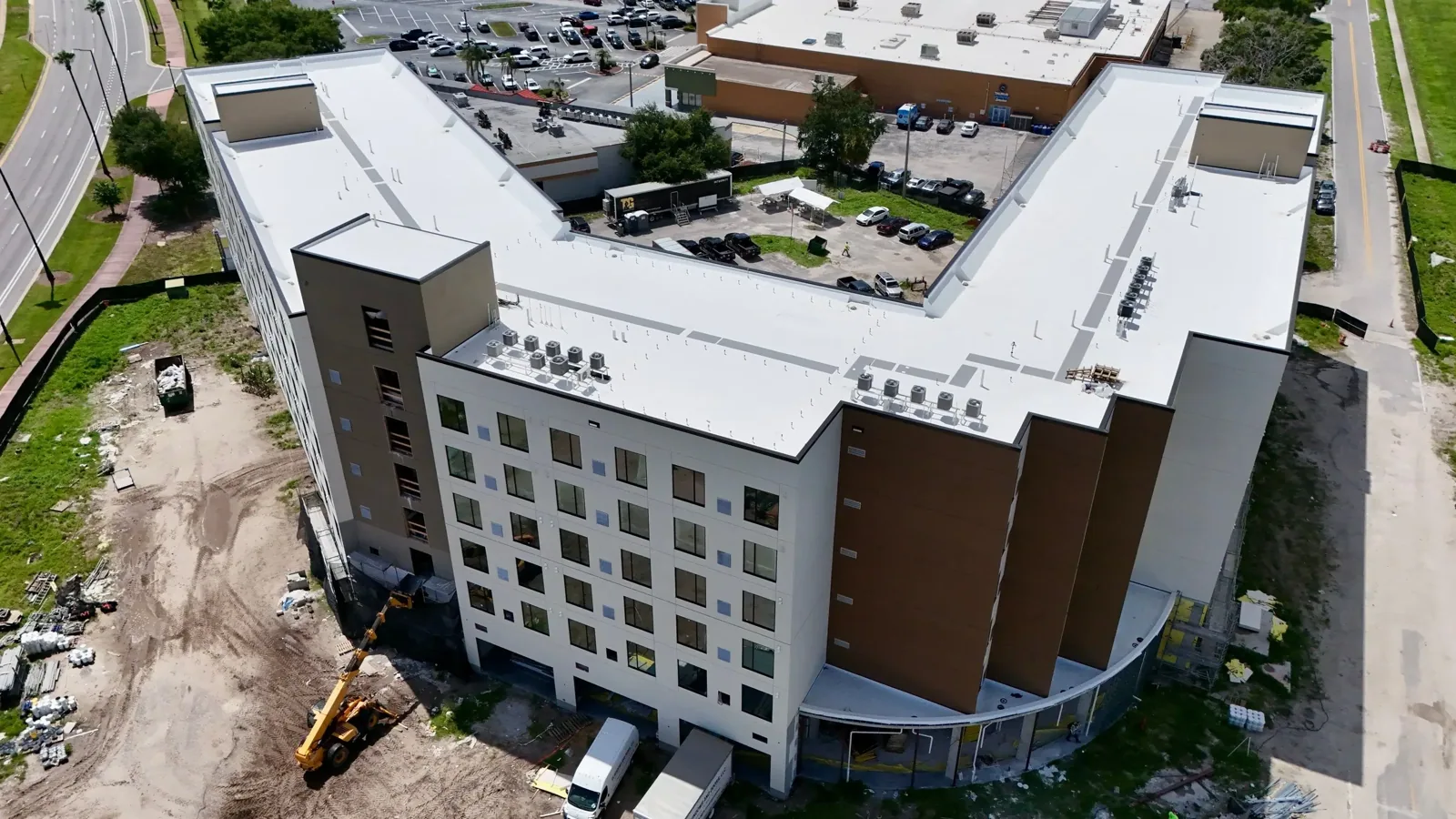
A claim file is useful when each photo, repair note, and roof-zone label points to the same condition. For a Simi Valley property, we inspect the reported area, document what is visible, and separate storm-related observations from older wear or an unanswered question. The City’s planning materials describe periodic Santa Ana winds as regional hazard context; that does not establish damage to a particular roof. We create a condition record that the owner can share with an insurer or adjuster, without predicting coverage. A commercial roof inspection can establish the roof assembly and the next evidence step.
Start with the reported condition
We begin with the date and location of the reported event, the interior symptom, and any immediate protection already completed. The facility contact identifies affected rooms, equipment, inventory, and the person authorized to approve roof access. We review roof plans, prior repair tickets, maintenance records, and earlier photos when they are available. Each item is checked against the building and roof zone so a record from another property is not assigned to this claim. Missing documents are listed as open items instead of being treated as facts.
In Simi Valley, the City identifies commercial and industrial districts as areas for continued investment and lists warehouse, distribution, manufacturing, and aerospace activity among local sectors. Those broad business contexts can affect how a facility records shutdowns, access, or damaged equipment, but they do not identify a claim condition. A property in the West End Specific Plan area still needs its own roof map and contact. We label photos with the building, roof section, orientation, and nearby detail so an adjuster can match the image to the inspection notes.
Connect photos to roof zones
A close photograph may show a split seam but lose the location needed to revisit it. We pair detail images with a wider view and a roof-zone reference, then record the membrane, edge, curb, drain, or penetration involved. If a ceiling mark appears below a different part of the building, we compare the interior report with the roof plan and water path. The file distinguishes visible damage, older patching, suspected moisture, and areas that were inaccessible. A storm damage inspection records the affected detail before temporary material covers it.
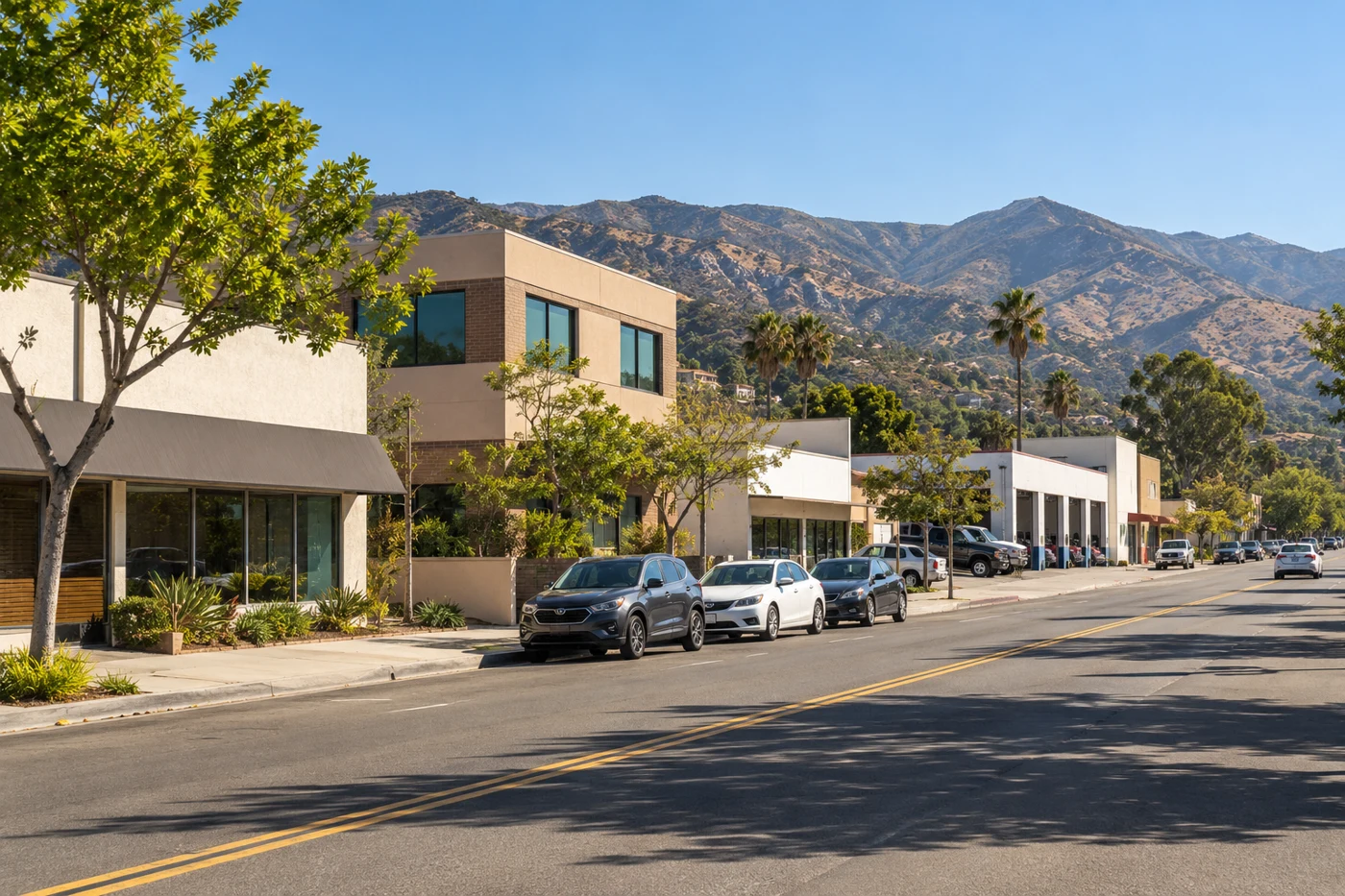
At Tapo Street, the City reports façade-improvement work along a commercial corridor. That planning context has no bearing on a private roof claim, but it can help identify the district in a dispatch note. The property record must still name the building and roof zone. The Tapo Street commercial corridor is a location reference, not evidence of roof damage. When inspection shows a seam, penetration, or perimeter condition that needs follow-up, we keep the condition photo, date, and repair boundary together rather than listing a general storm impact.