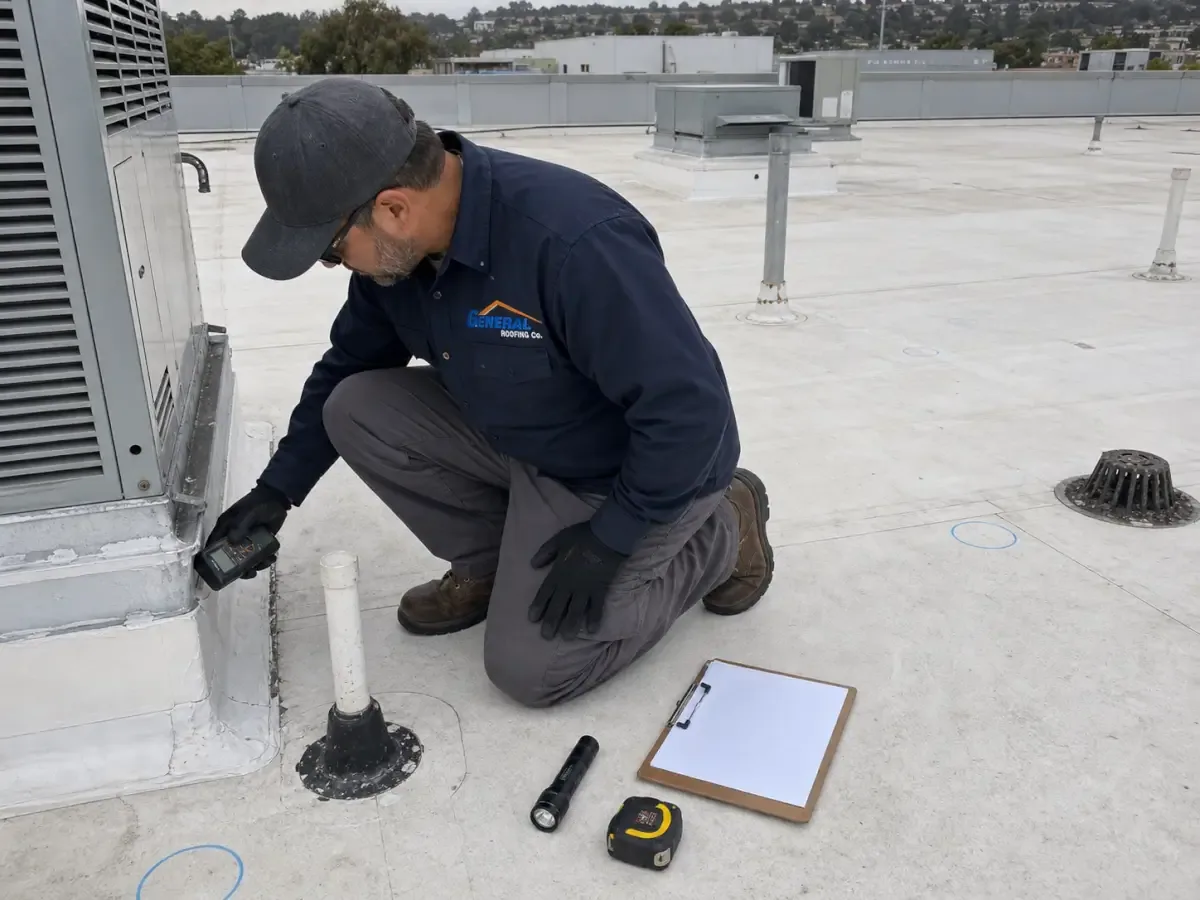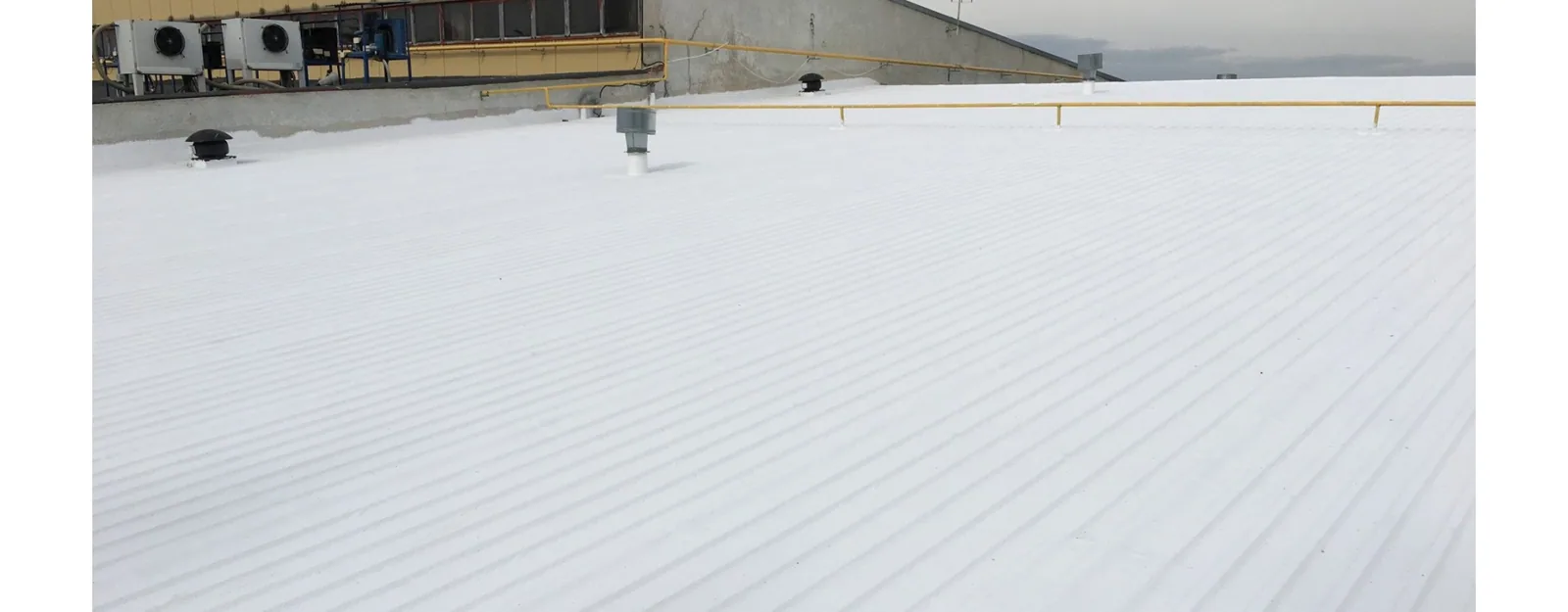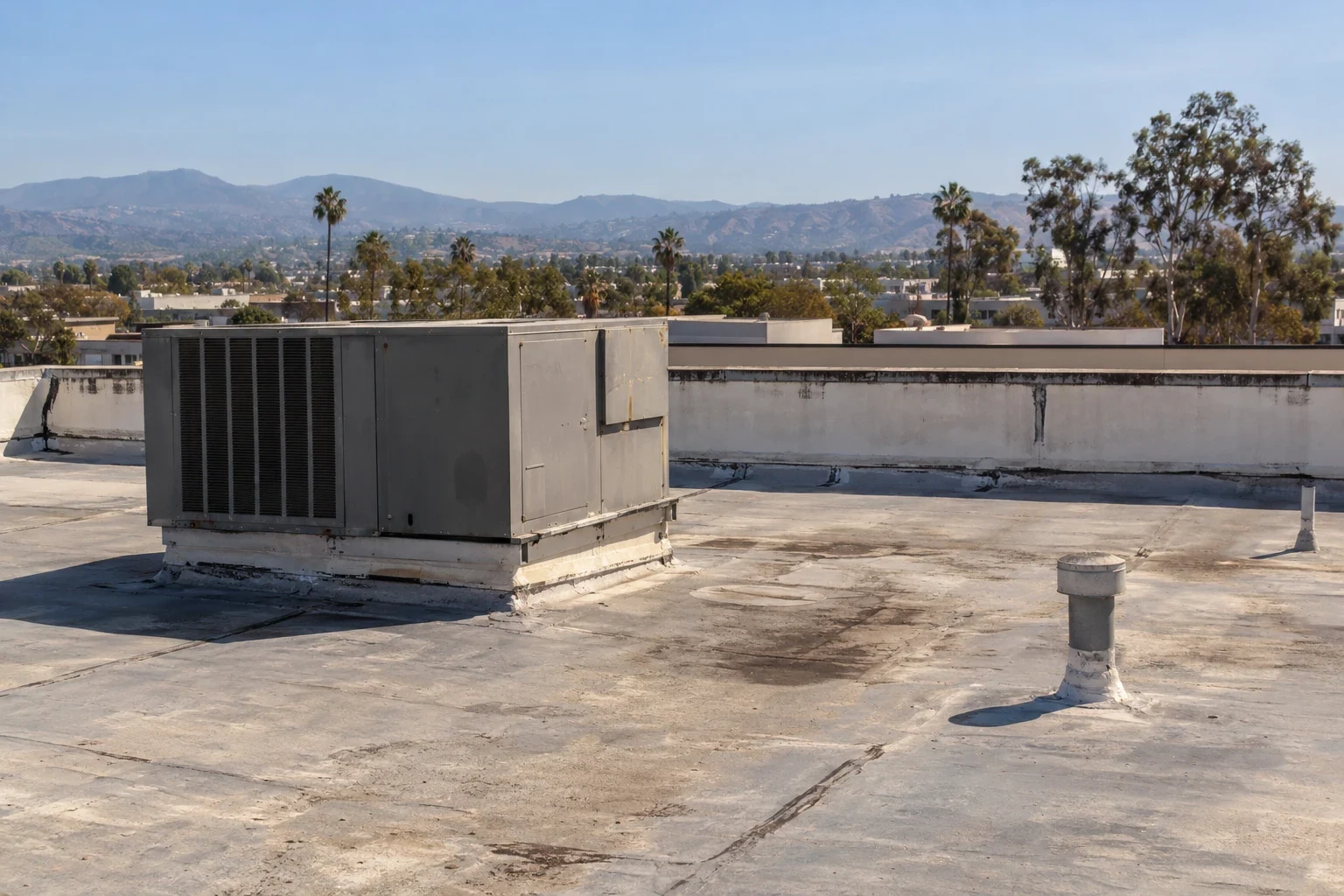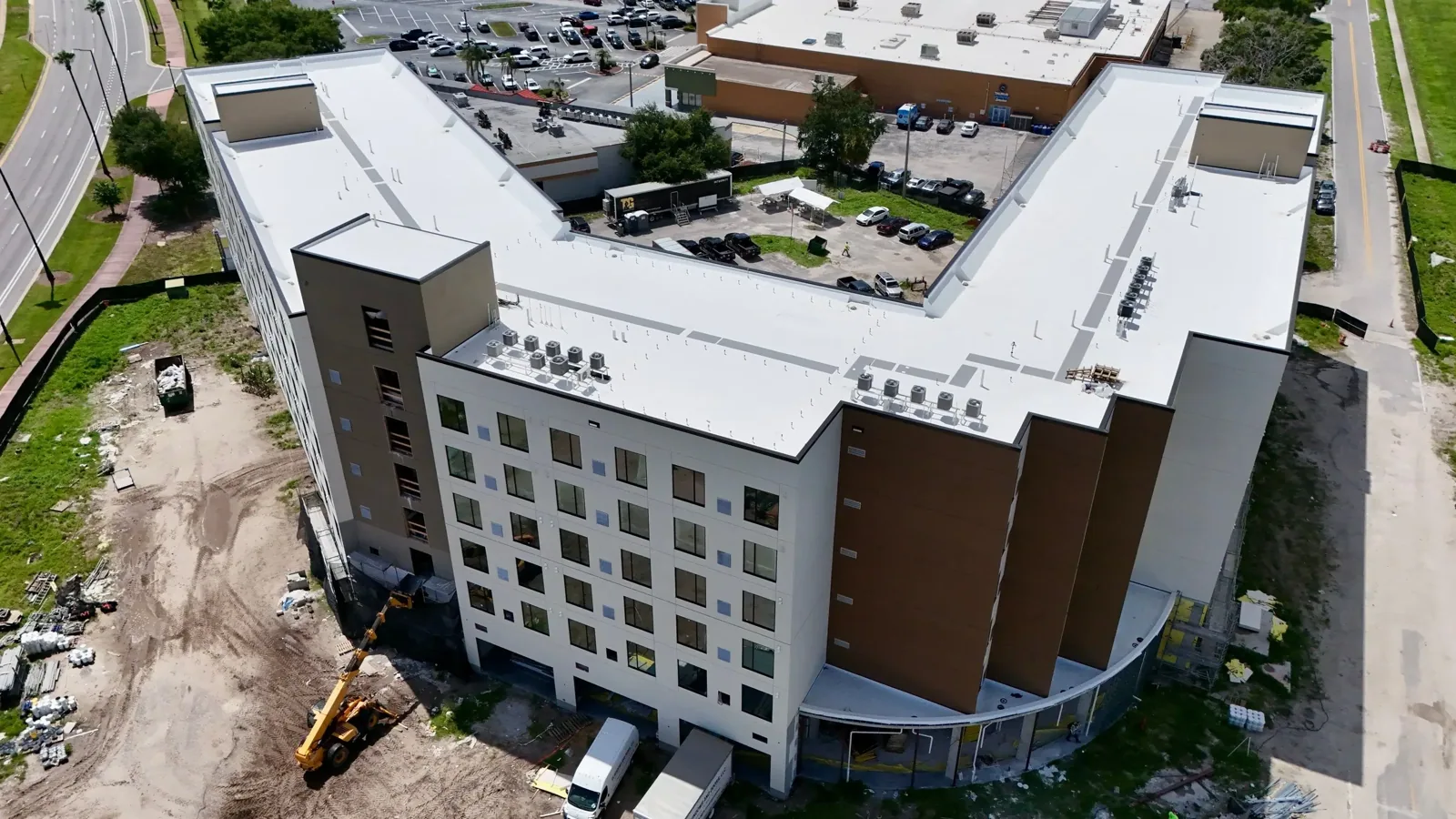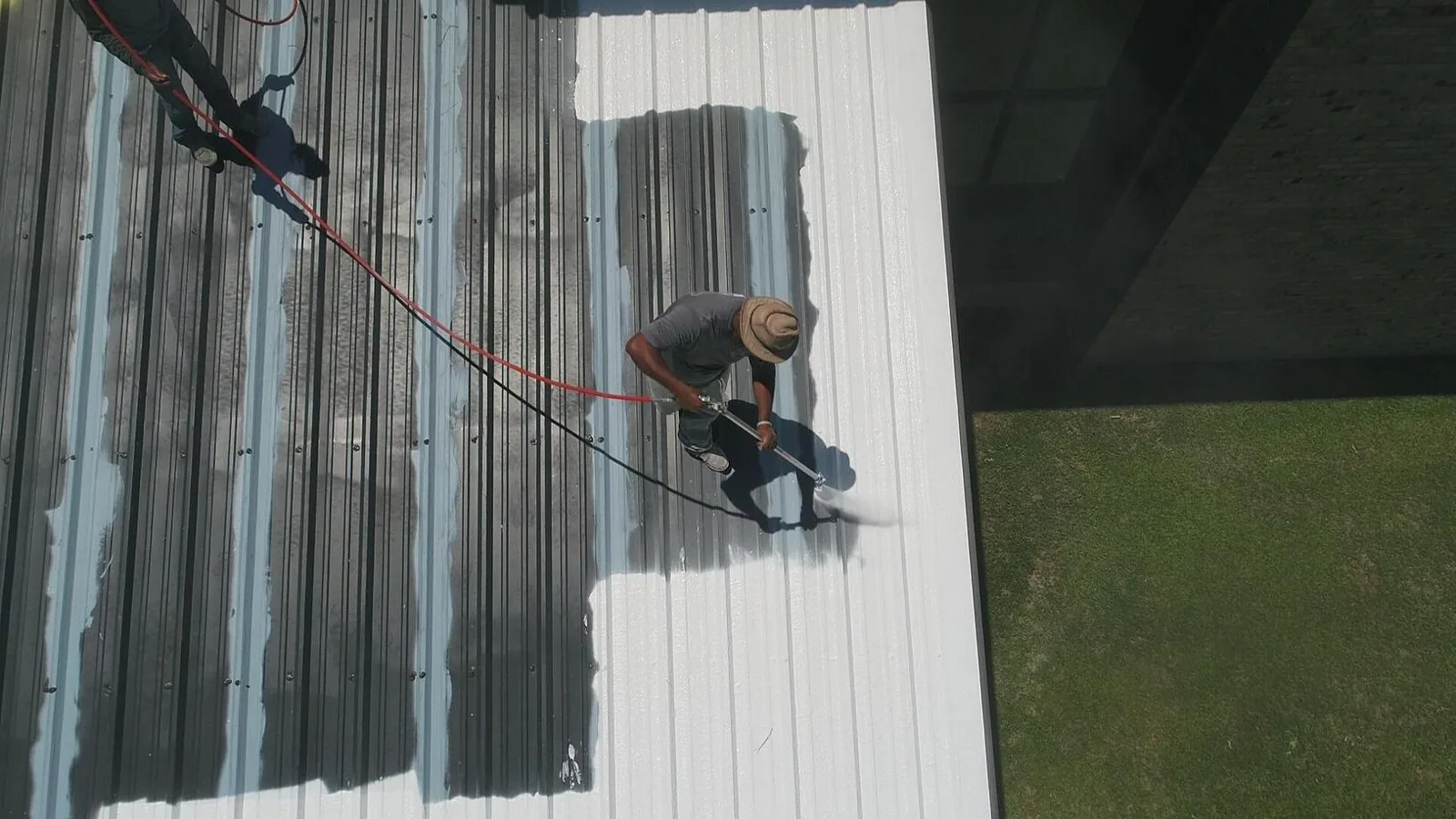
Commercial roofing in Ojai, CA has to be planned for the specific property and its operating needs. Ojai’s General Plan Land Use Element calls for maintaining commercial land that serves community and visitor needs while supporting the local economic base. It also describes business-park and industrial uses as compatible when they fit the community’s small-town character, and discusses Ojai Avenue as a commercial corridor connected to downtown vitality. These are planning objectives, not descriptions of an individual roof or a particular tenant. We verify the property, inspect its assembly, and document a roof-zone scope. A commercial roof inspection gives the owner a practical basis for the next decision.
Respect the difference between corridor and property
A citywide commercial inventory, an employment-use policy, and a corridor discussion each describe land-use planning at a different scale. None confirms where a specific entrance sits, whether a roof is accessible, or what materials are installed. We ask for the building contact and operating schedule before the crew arrives. The property representative identifies access, staging, sensitive interior areas, and any equipment that cannot be shut down. Our report then records what was actually observed on the roof.
In a downtown or along a commercial street, temporary loading and customer circulation may need more coordination than a private service lane. We do not assume public-right-of-way use from the map. A work sequence for an occupied building can define protection and shift boundaries after the site contact approves them.
Record details that control the repair
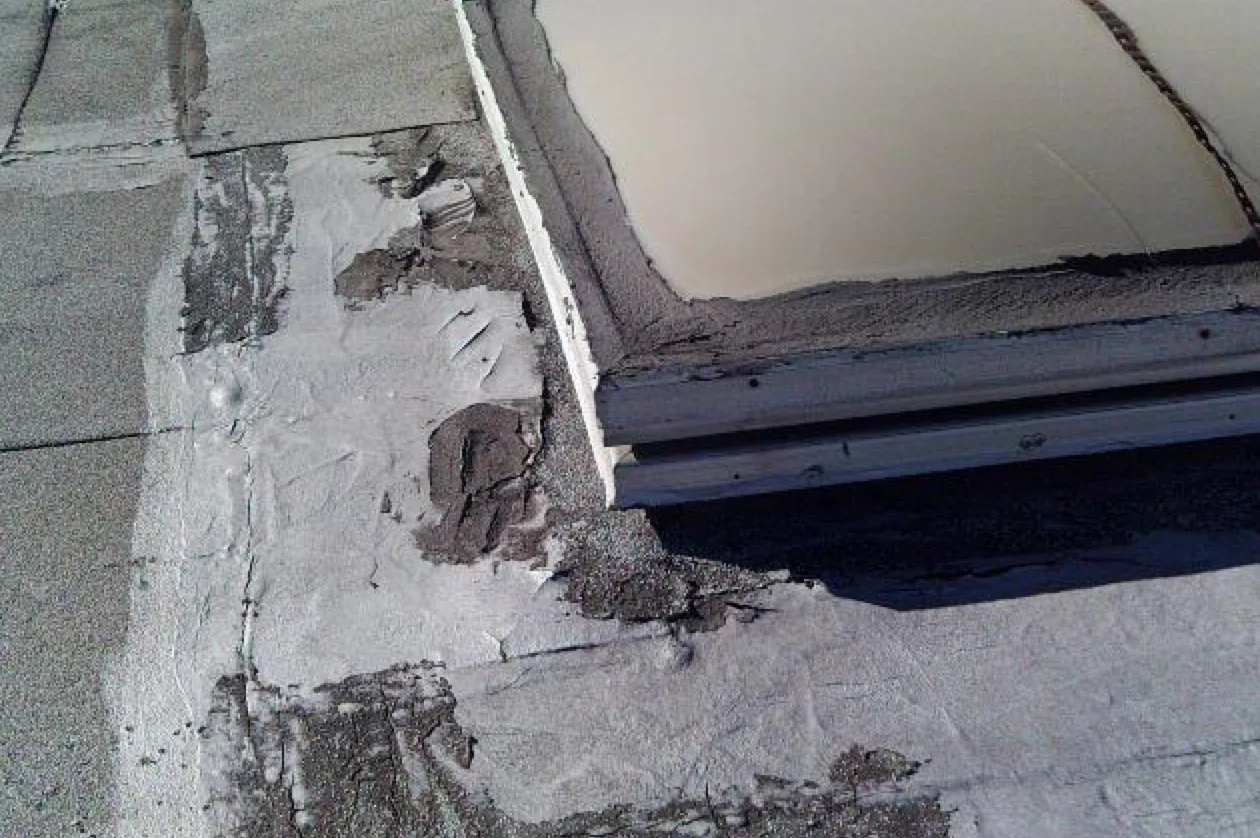
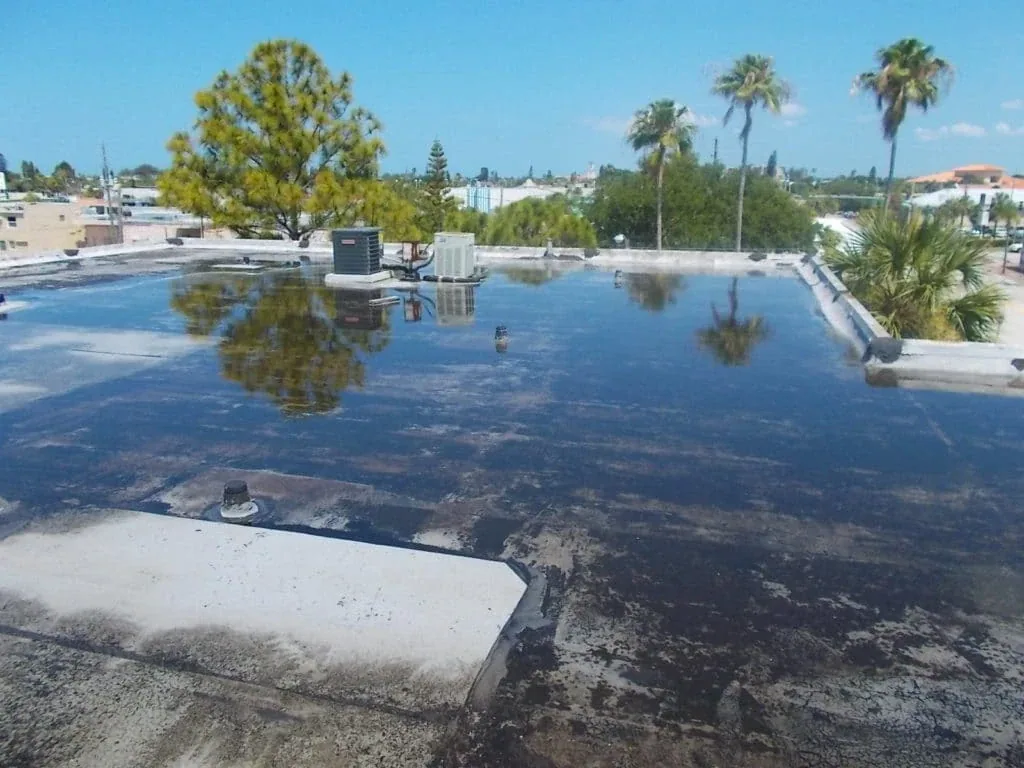
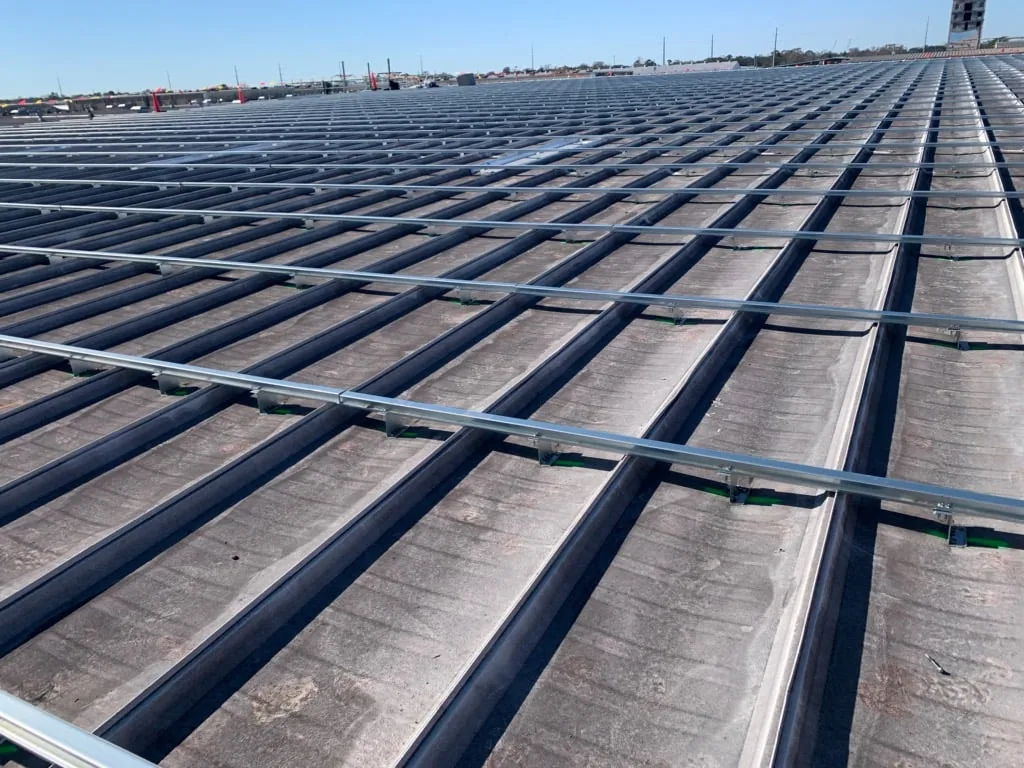
We inspect seams, flashing turns, penetrations, curbs, skylights, edges, and drains in the roof areas that can be reached safely. Each observation is tied to a photo and zone identifier. If the roof has more than one surface or a history of additions, we note those changes rather than assuming the assembly is uniform. When records are incomplete, we label visible conditions and state what cannot be verified without a test or opening.
A leak report should include timing, rooms, weather observations, and prior service notes where available. Water can travel under the membrane before it becomes visible inside, so the closest roof detail is not automatically the source. We compare the report to possible entry points and explain why a moisture survey or controlled opening may be needed. The repair scope follows that evidence, with clear limits if the water path is still uncertain.