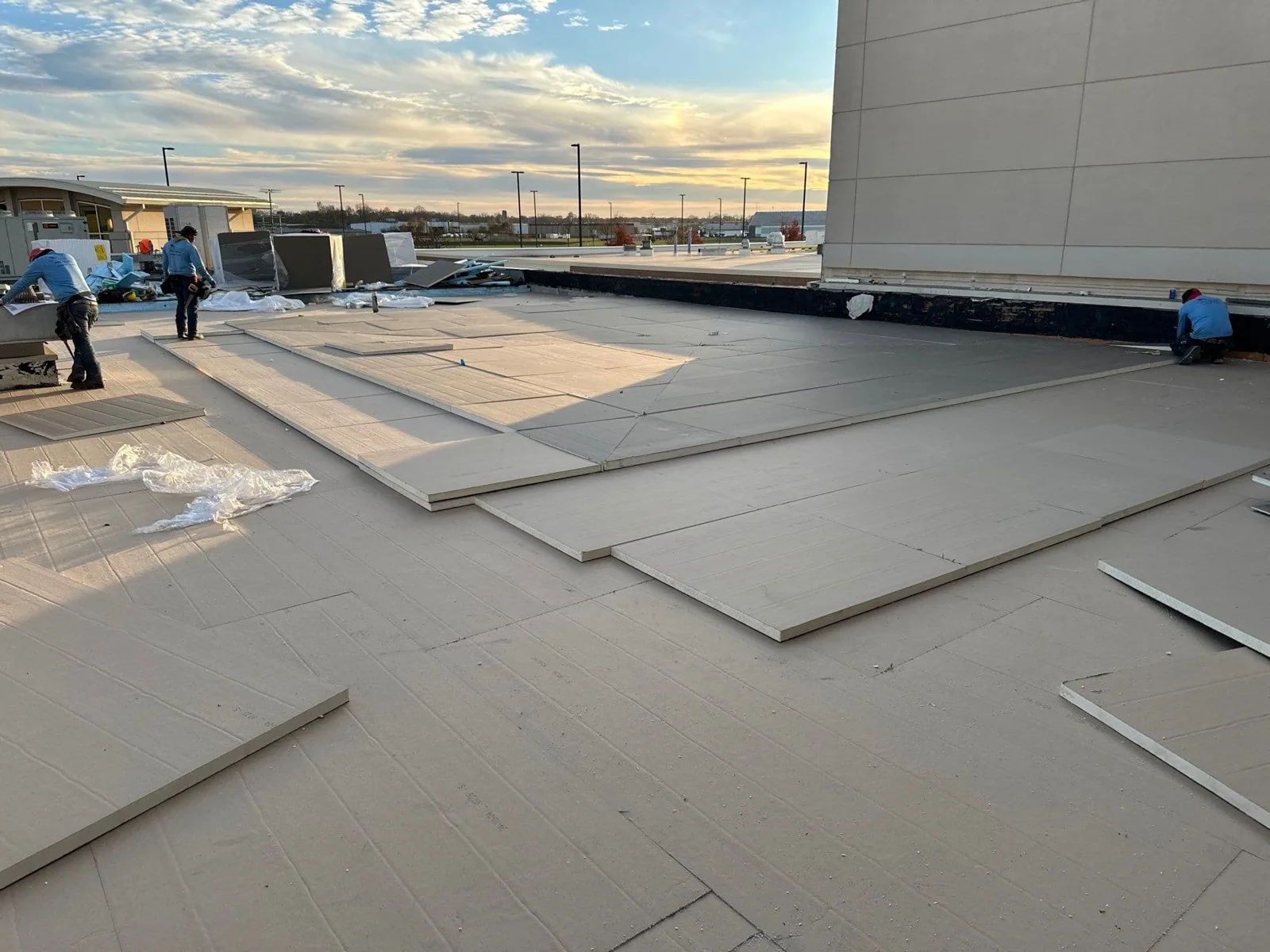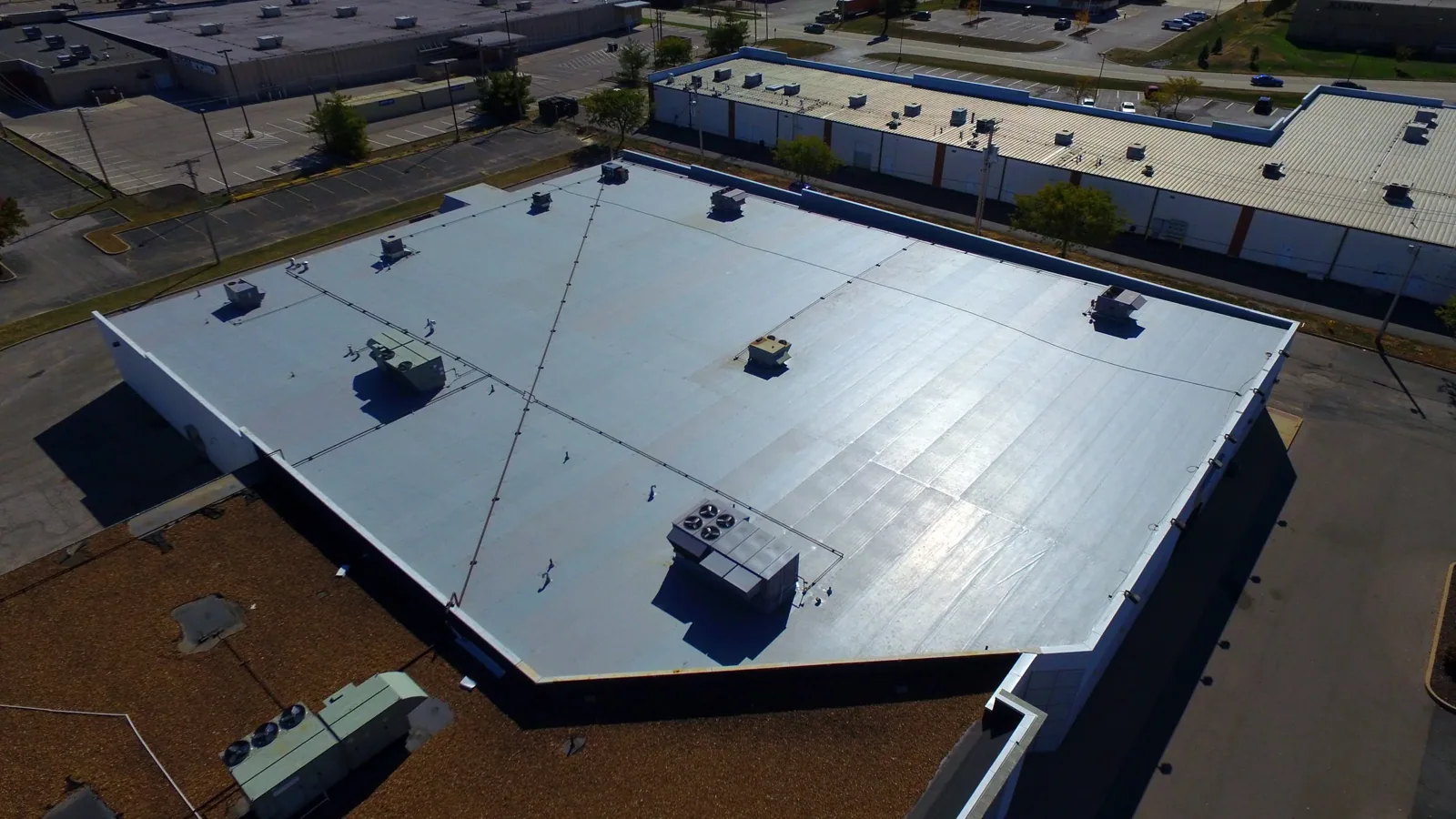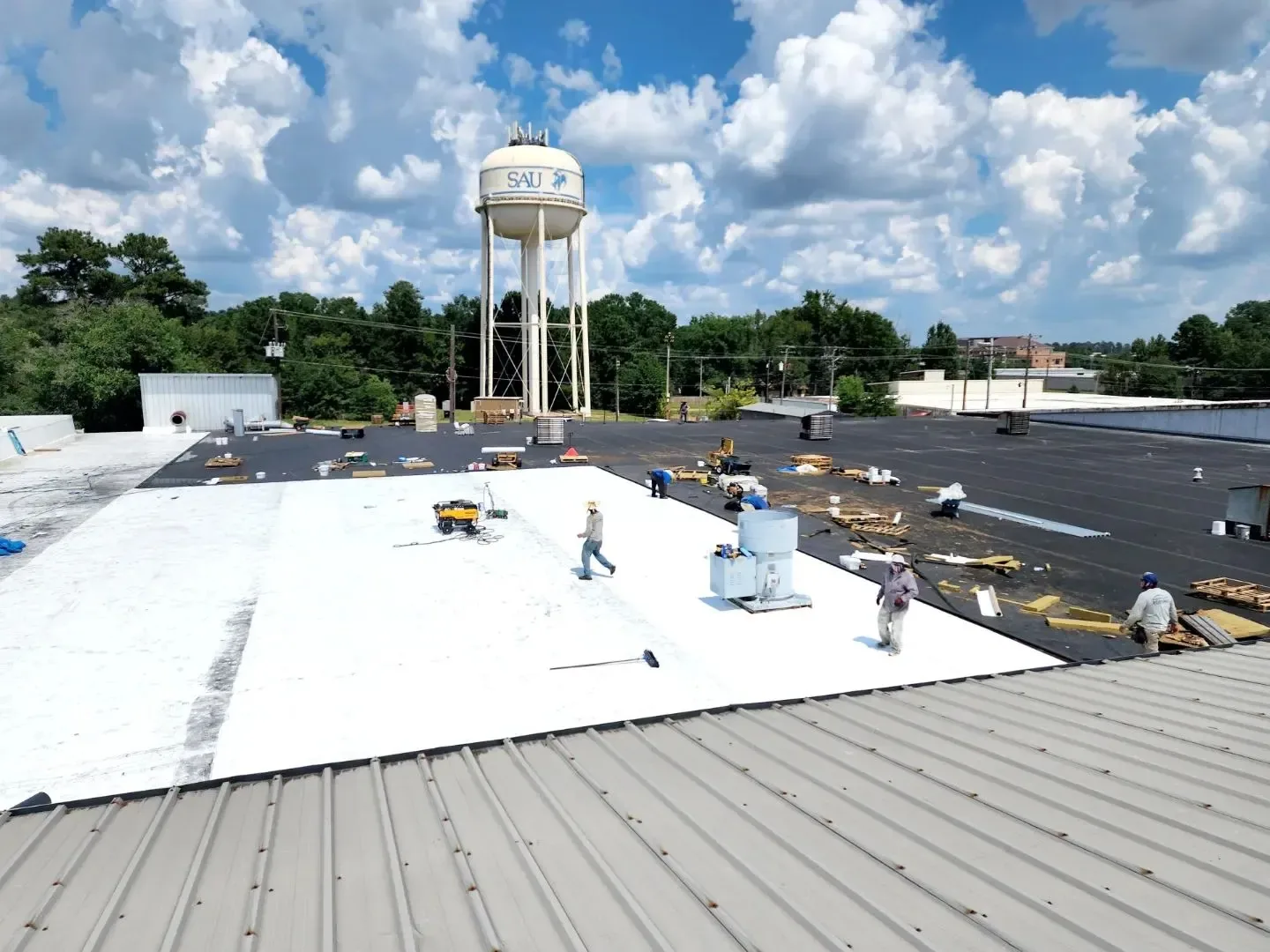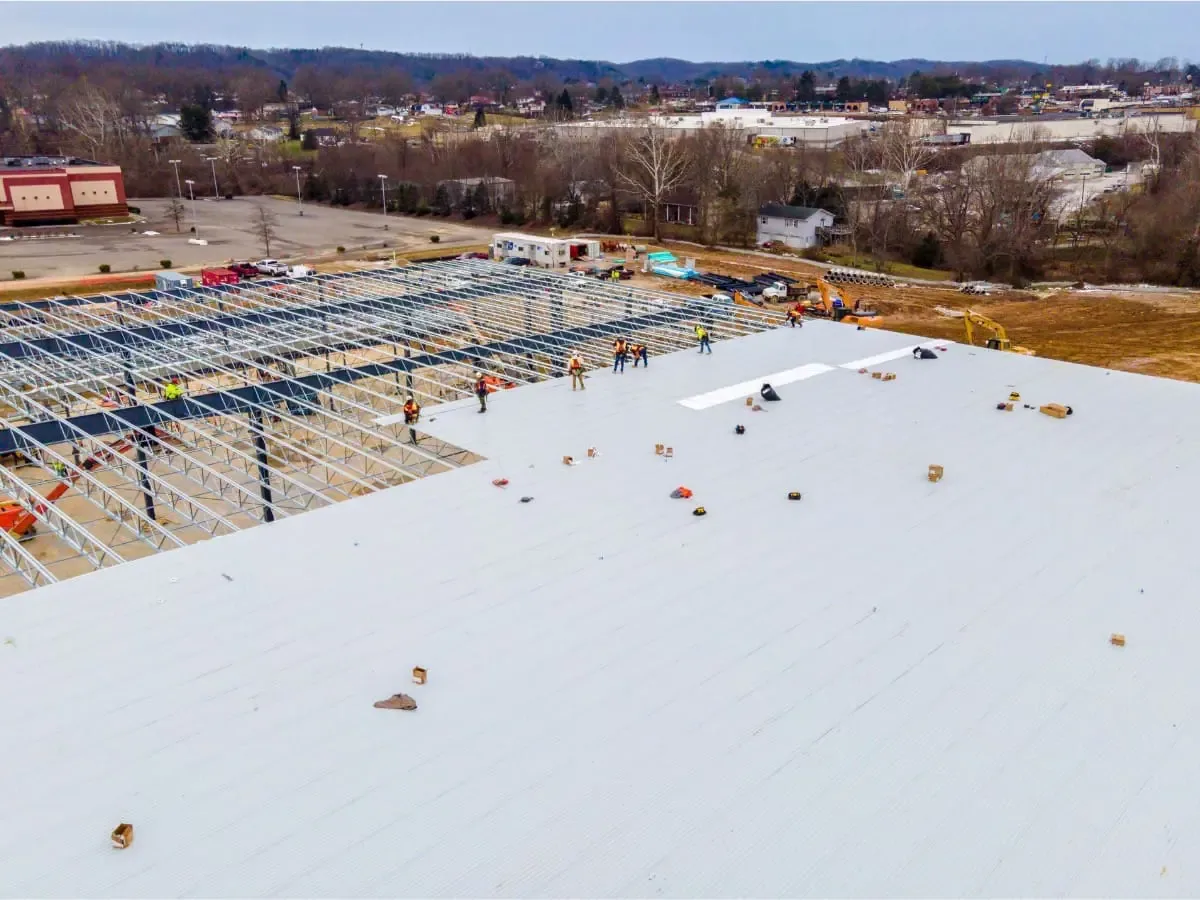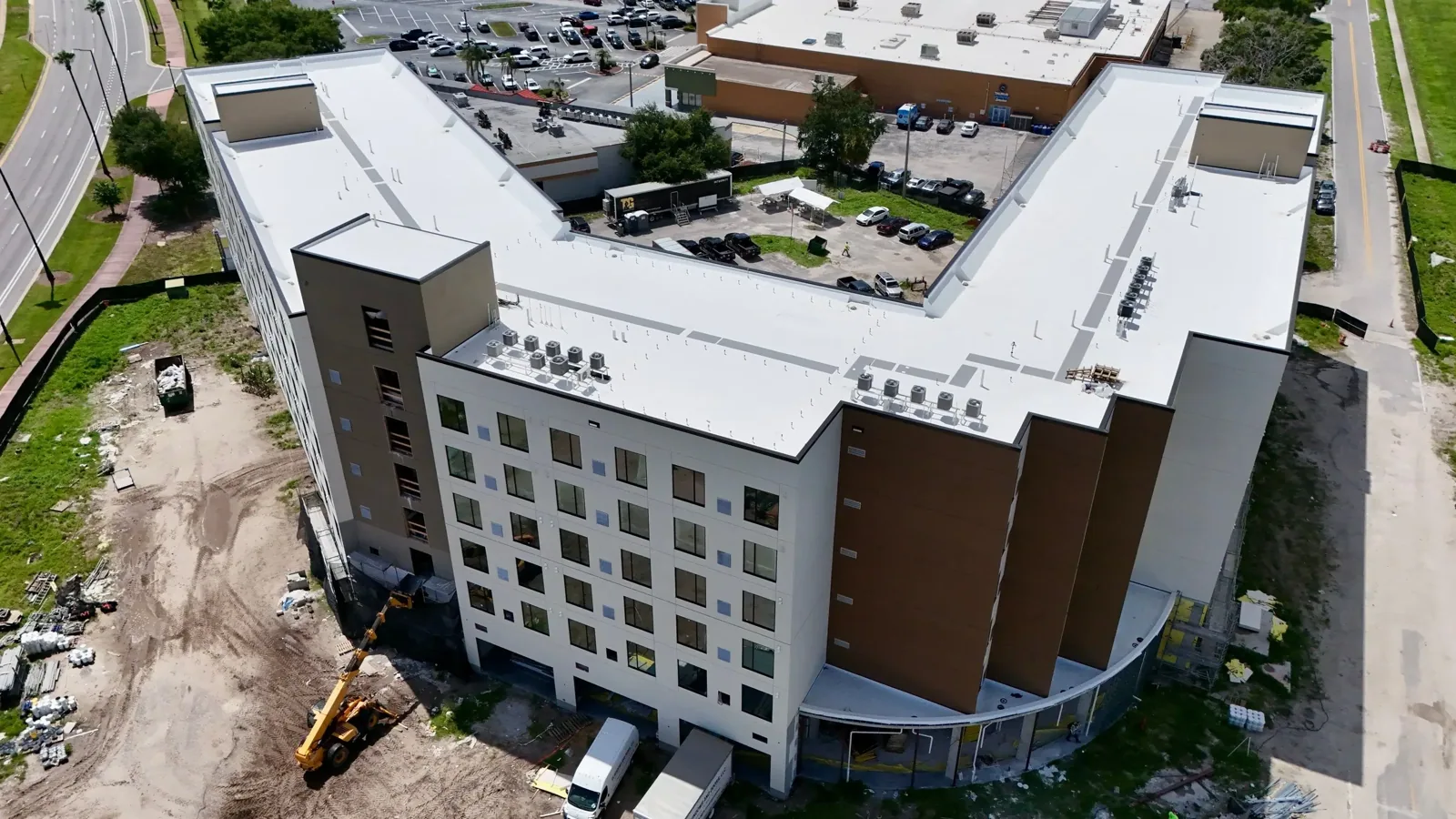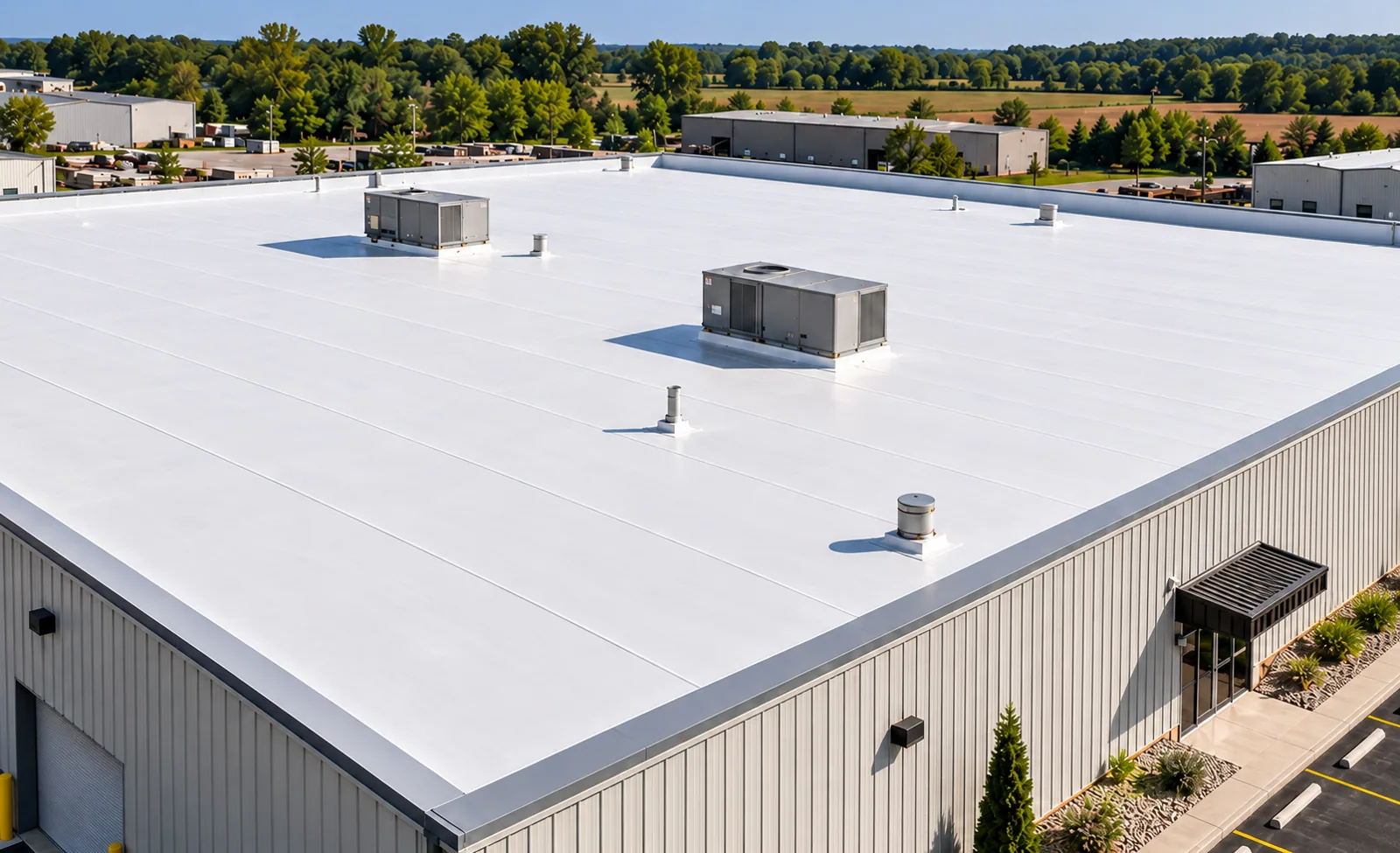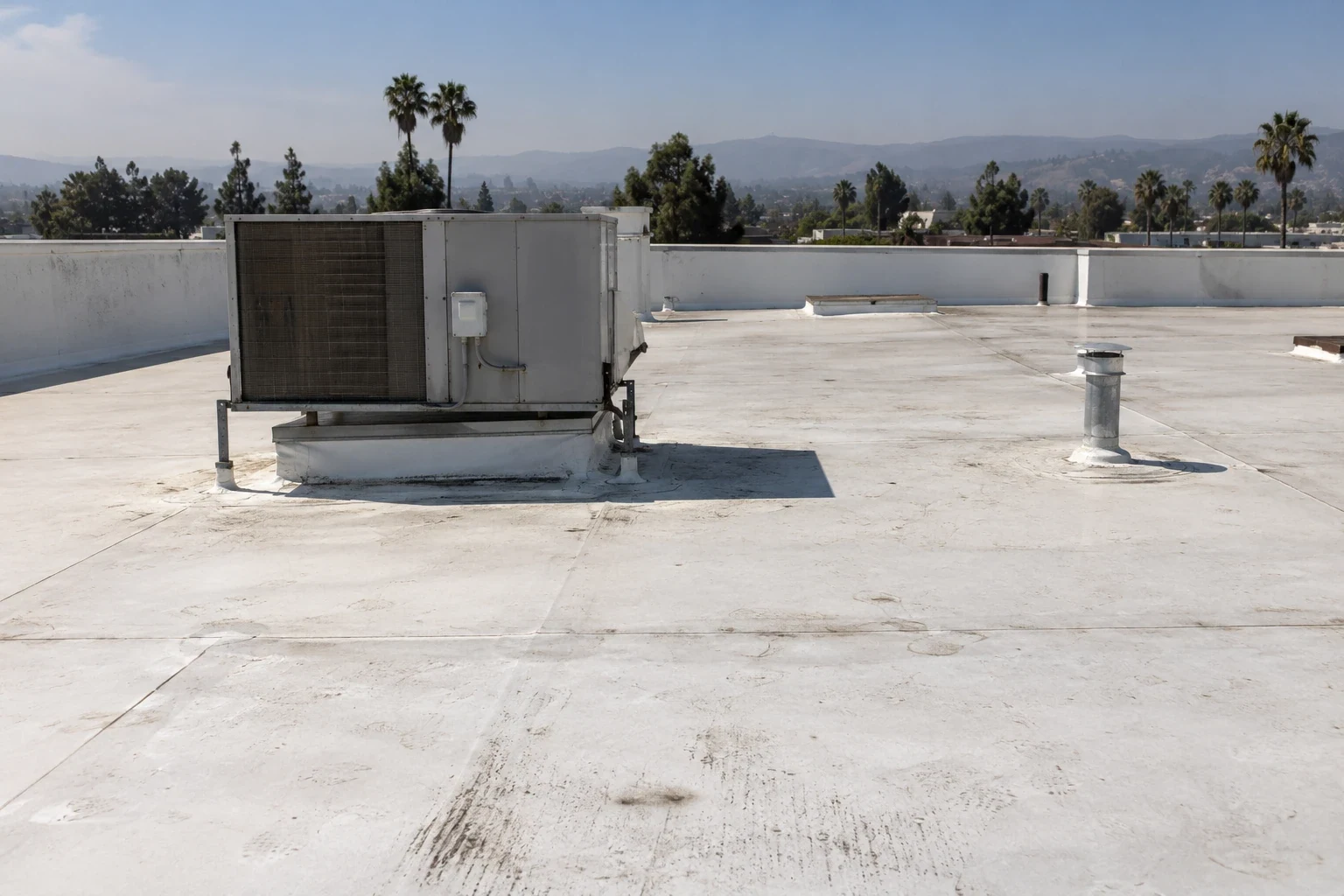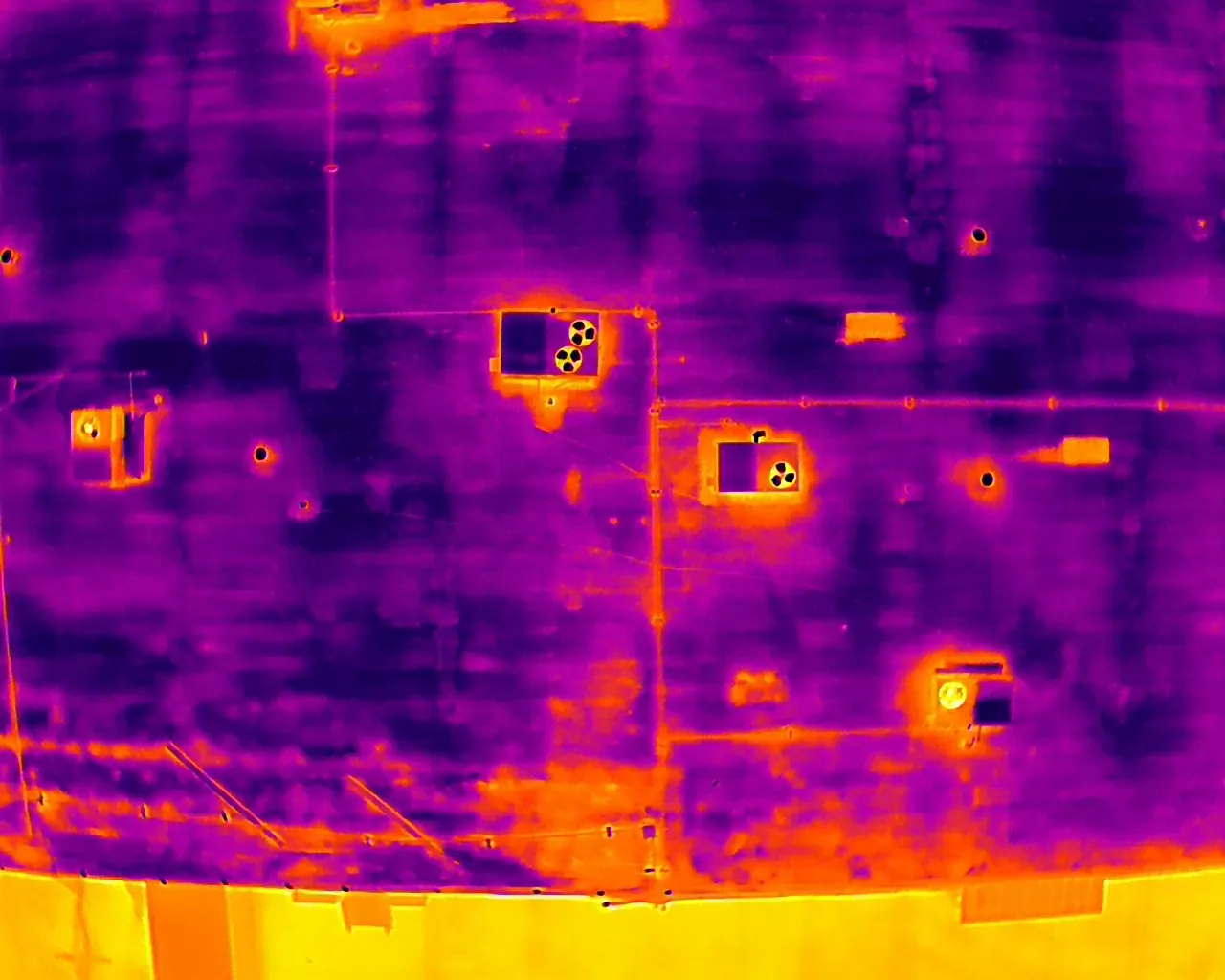
Attachment method changes how a roof transfers movement and wind forces, so a Versico inspection starts with the assembly rather than the membrane label. The company lists TPO options including mechanically fastened, adhered, induction-welded, and RapidLock systems. We confirm what is actually installed before recommending a seam repair or replacement detail. Simi Valley’s General Plan projects hotter summer conditions in the future, which informs exposure and access planning without predicting the condition of an individual membrane.
Find the attachment evidence
On a mechanically fastened roof, we look for fastener rows, plate locations, perimeter patterns, and changes around corners. At an adhered assembly, the bond plane and substrate become central. Induction-welded systems require attention to coated plates and the weld connection, while a RapidLock configuration has its own attachment detail. A roof can have more than one method after repairs or additions, so we map zones instead of applying one description across the whole building.
The City’s General Plan EIR describes much of Simi Valley industrial development within the West End Specific Plan area. That planning context can involve multiple building uses and work schedules, but it does not identify any roof assembly. A condition inspection records visible plate patterns and the documents available for comparison before a repair boundary is drawn.
Check the membrane and weld together
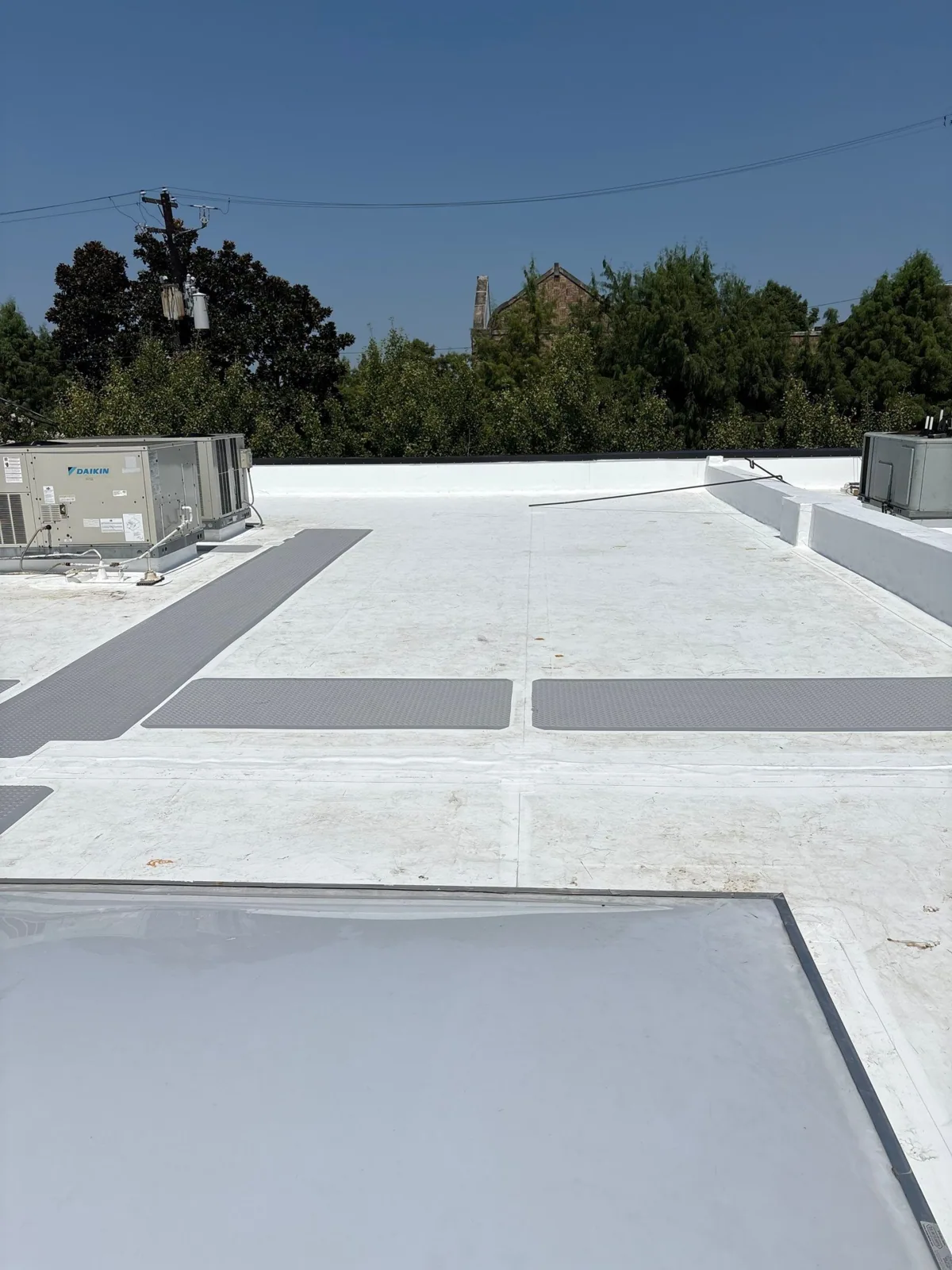
Versico’s TPO products use heat-welded seams, and the exposed field should be checked for contamination, lifted laps, patches, and damage at intersections. We probe a seam carefully, then inspect the same roof zone at curbs, pipe flashings, and perimeter metal. A weld that tests sound at one point says nothing about a concealed wet area, so moisture evidence is recorded separately and tied to a test location.
The Tapo Canyon business park includes medium- to large-scale office and possible high-technology industrial buildings in the City’s EIR. Equipment density can change the practical inspection path, though the city description does not prove what a particular roof contains. We identify hatch access, service clearances, and the route to each drain before returning to suspect welds. A compatible repair scope addresses the tested area and the surrounding assembly detail.