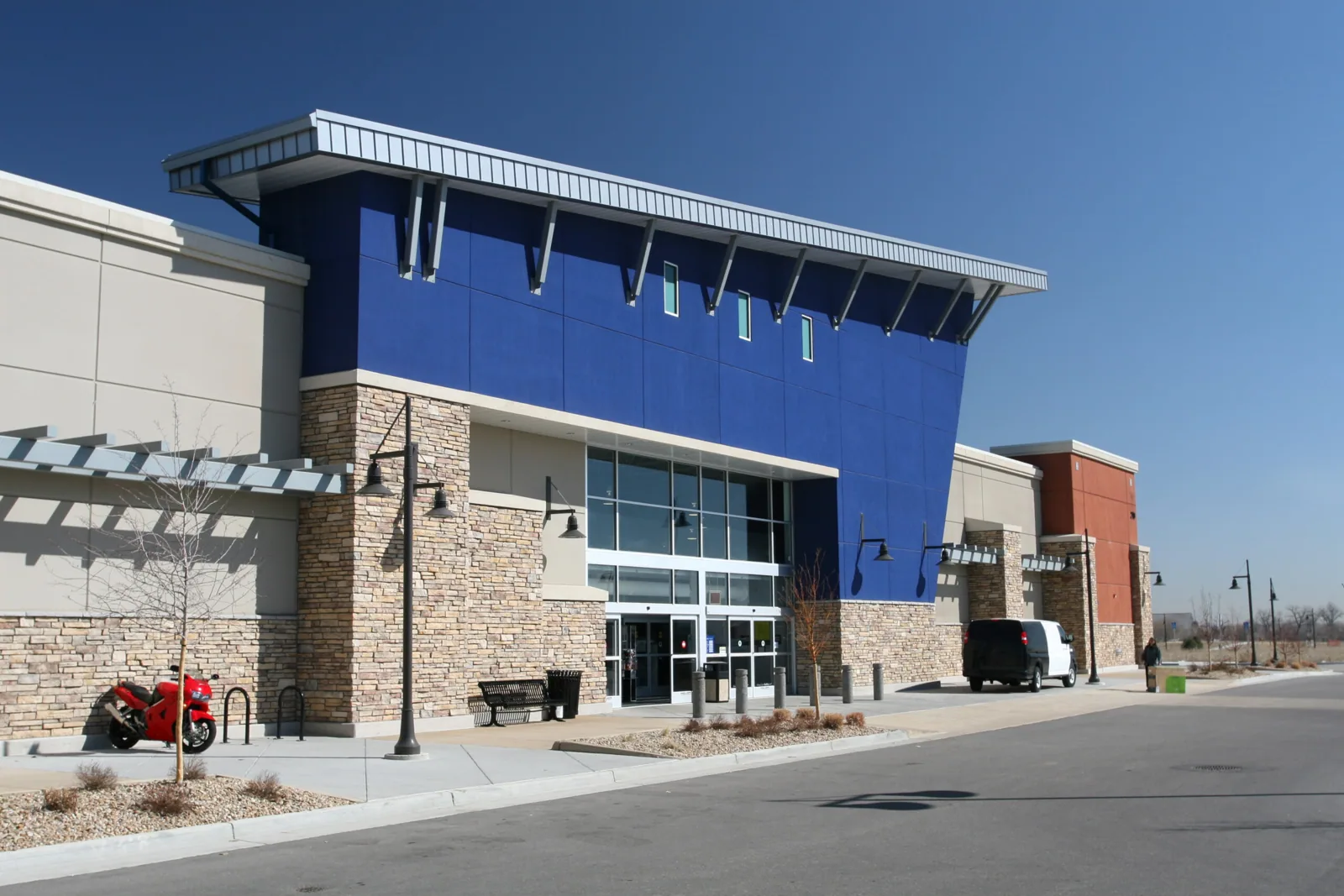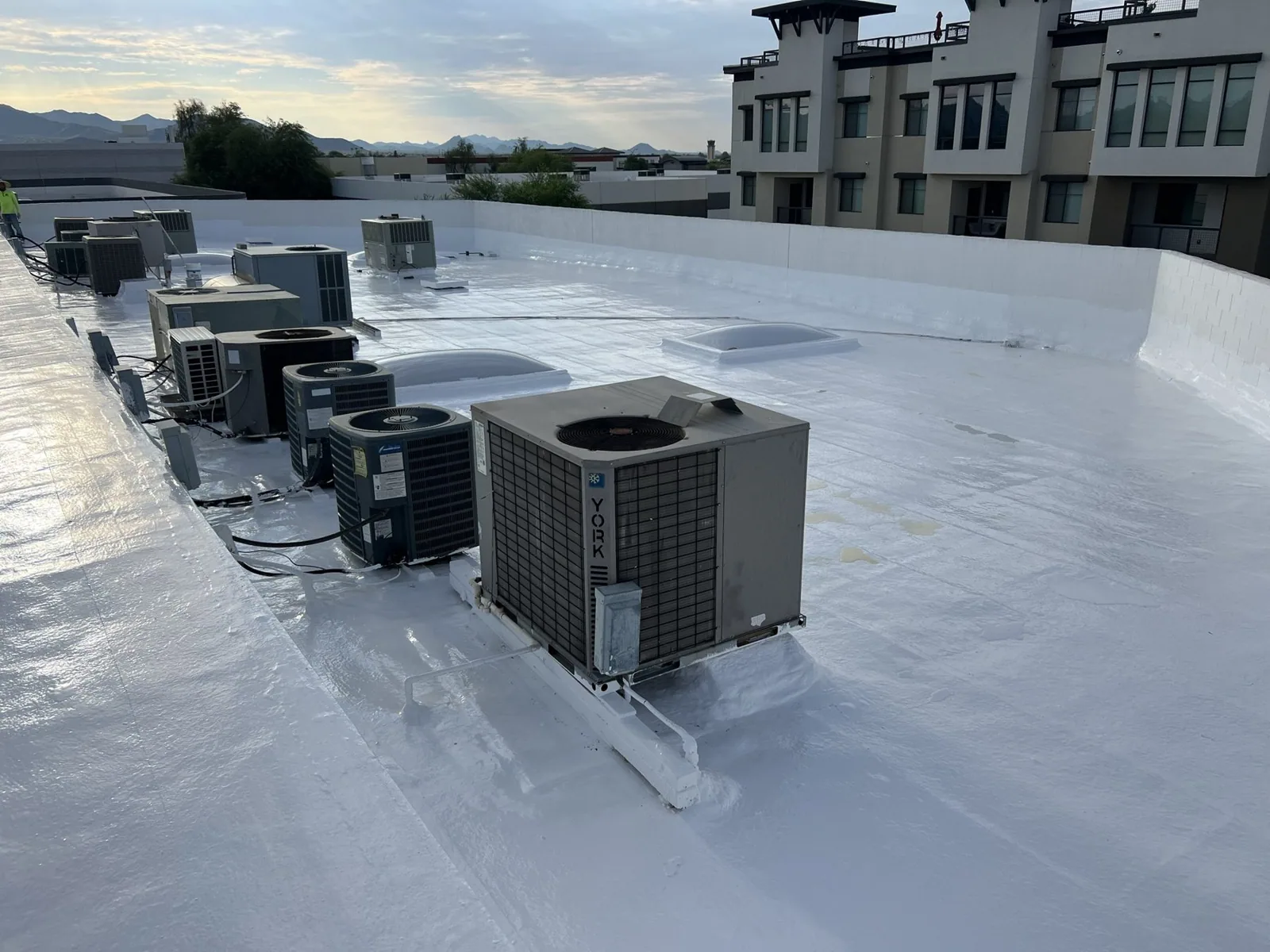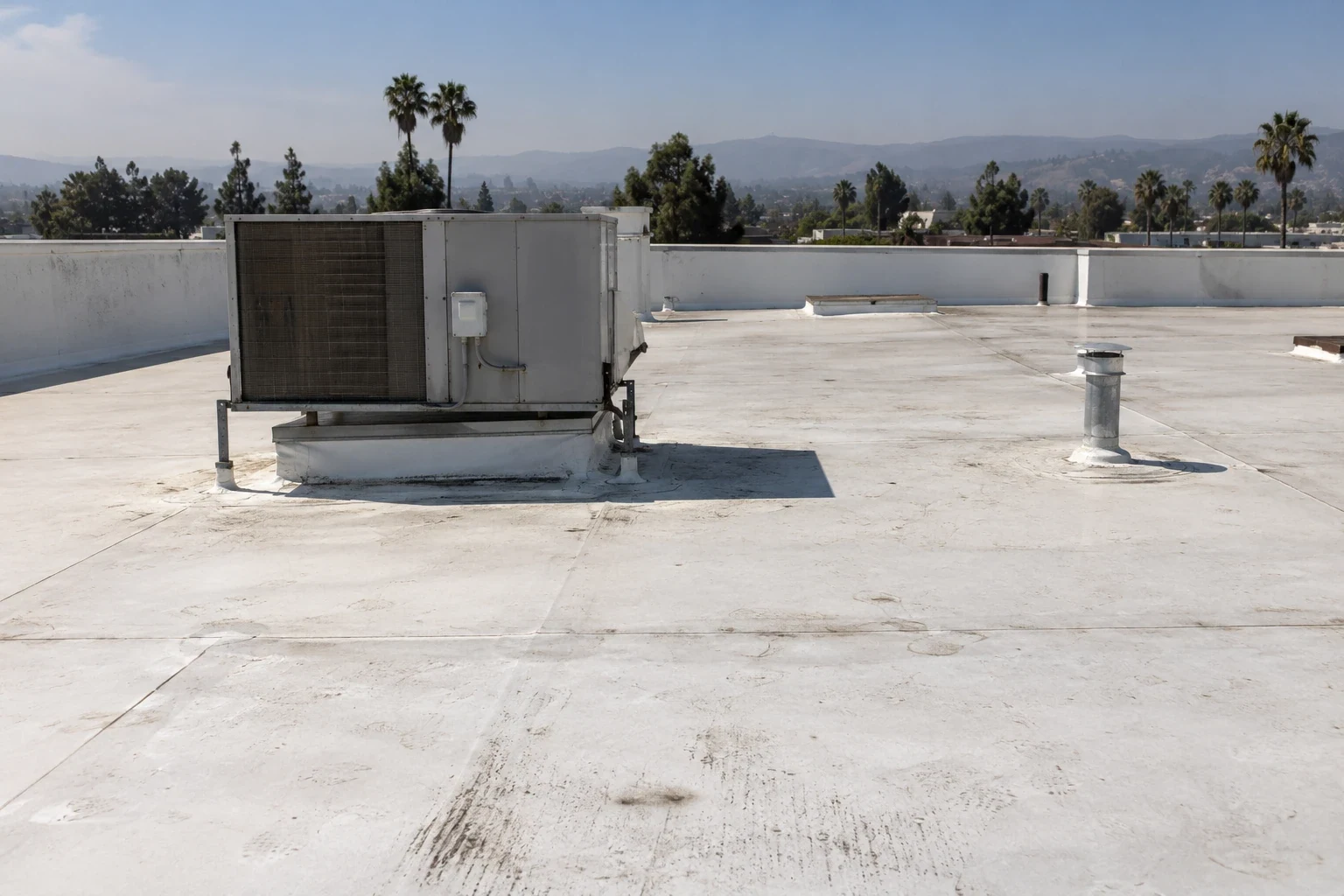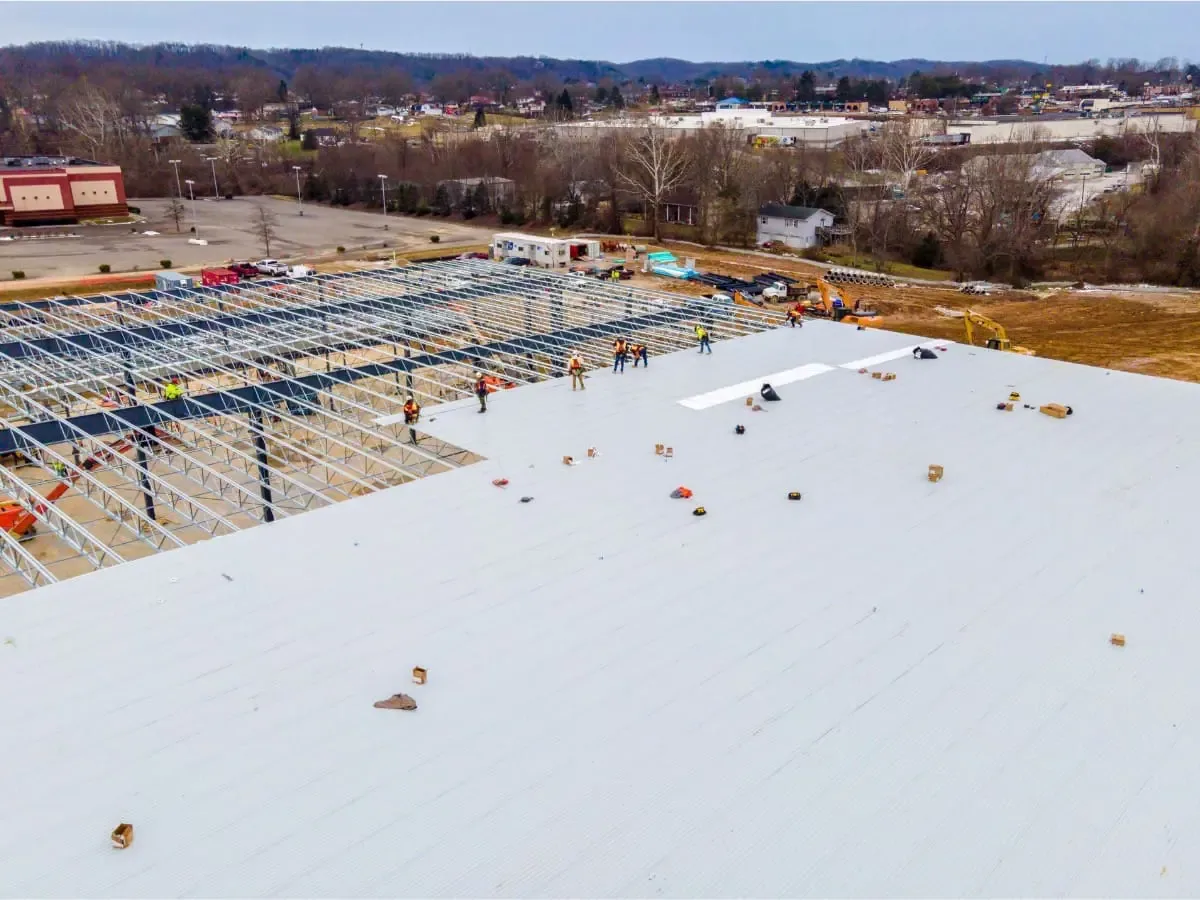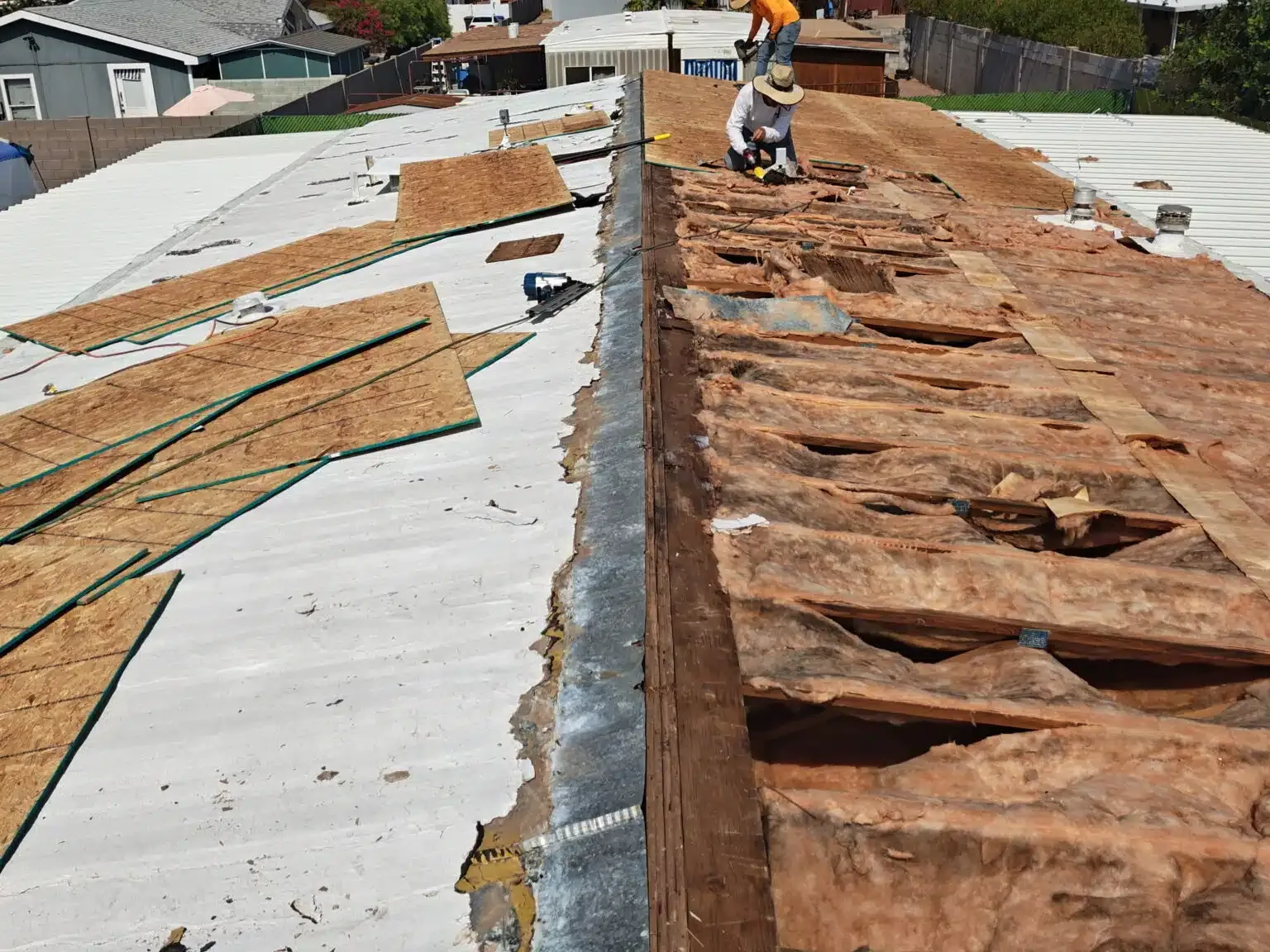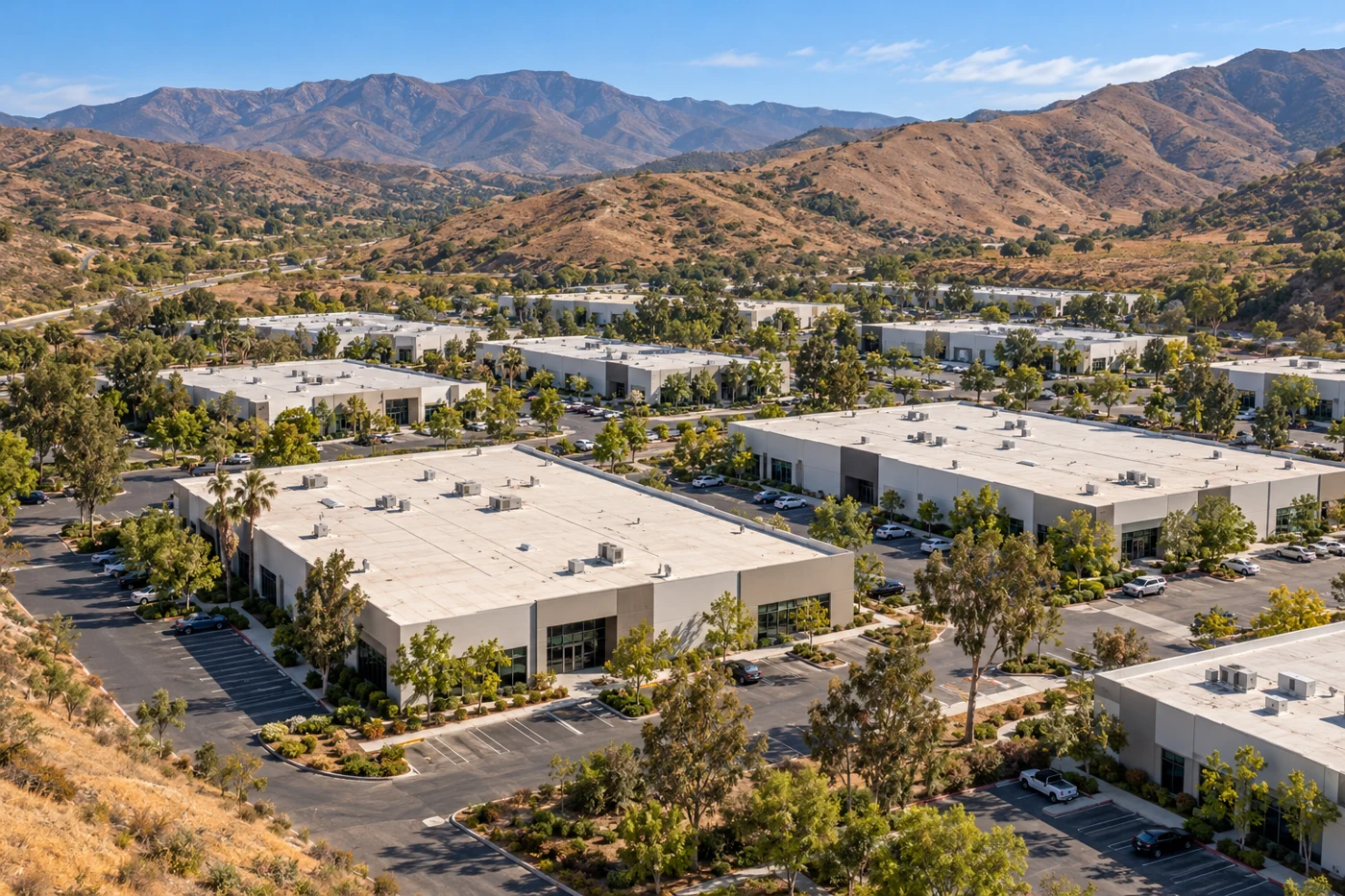
A drip over an aisle is an urgent operations report, not a roof diagnosis. We locate the affected area, trace the roof zone above it, and check drains, seams, curbs, and wall transitions before choosing an opening. A large retail roof can carry several systems and equipment lines, so the repair boundary needs to match the evidence instead of the size of the stain. The first walk also maps merchandise, customers, loading activity, and the route to the roof.
Simi Valley's General Plan describes a warm, dry Mediterranean climate and periodic Santa Ana winds as part of regional wildfire-risk context. The City also projects more days above 97.2 degrees over time. Those conditions make exposed sealant, edge metal, and roof penetrations worth checking, but they do not establish a defect at a particular store. The City identifies the West End Specific Plan as a broad area near State Route 118 with much of Simi Valley's industrial development. That helps place commercial roof work in the market; a roof inspection still has to begin at the actual building and its reported leak.
Trace the water before moving the sales floor
We compare the interior report with roof plans, equipment locations, drain bowls, and any earlier patch. Water may run along the deck or insulation before reaching the ceiling, while a blocked drain can leave ponding far from the visible mark. We photograph the roof zone, test likely entry details, and note the areas that remain dry. That lets the store manager protect the right aisle or back-of-house space without closing a much larger area than the condition requires.
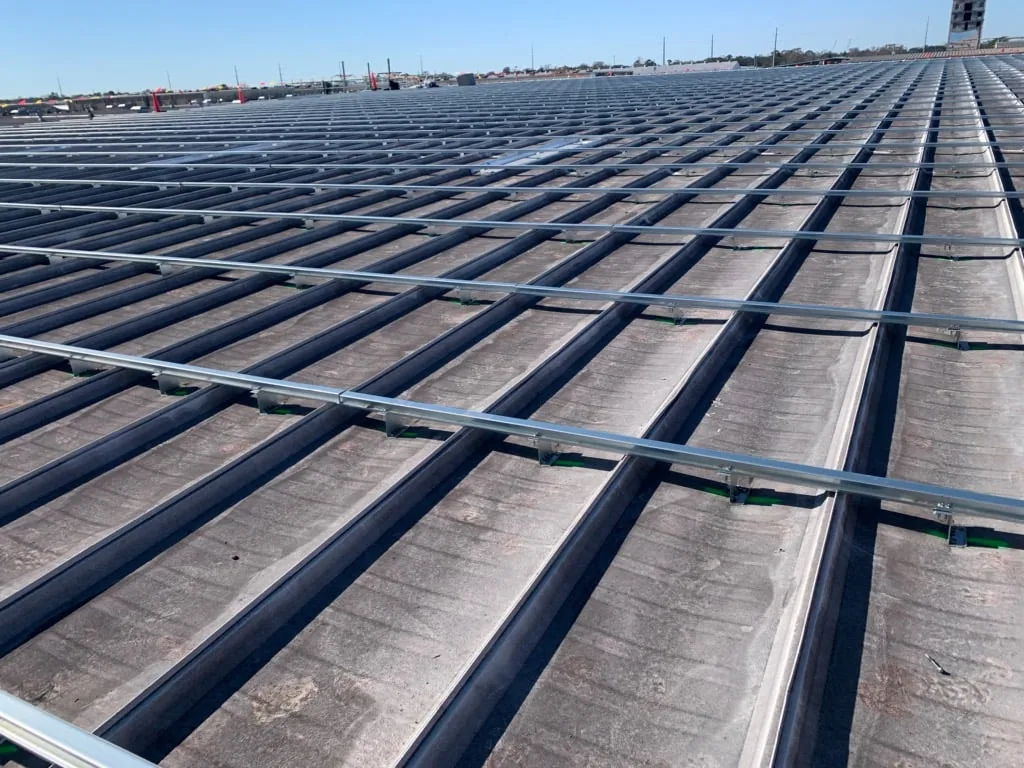
Big-box buildings often have long roof runs and multiple rooftop units. We check the membrane seams near curbs, pipe supports, conduit, and service paths, along with edge transitions where wind can lift a weak termination. If an infrared image suggests a moisture pattern, we verify the conditions before treating it as wet insulation. A photo-backed roof condition report can show what was tested, where the repair stops, and which question remains open. If water is still entering, emergency response can protect the affected area while the permanent repair is scoped.
Check drains, curbs, and the loading side
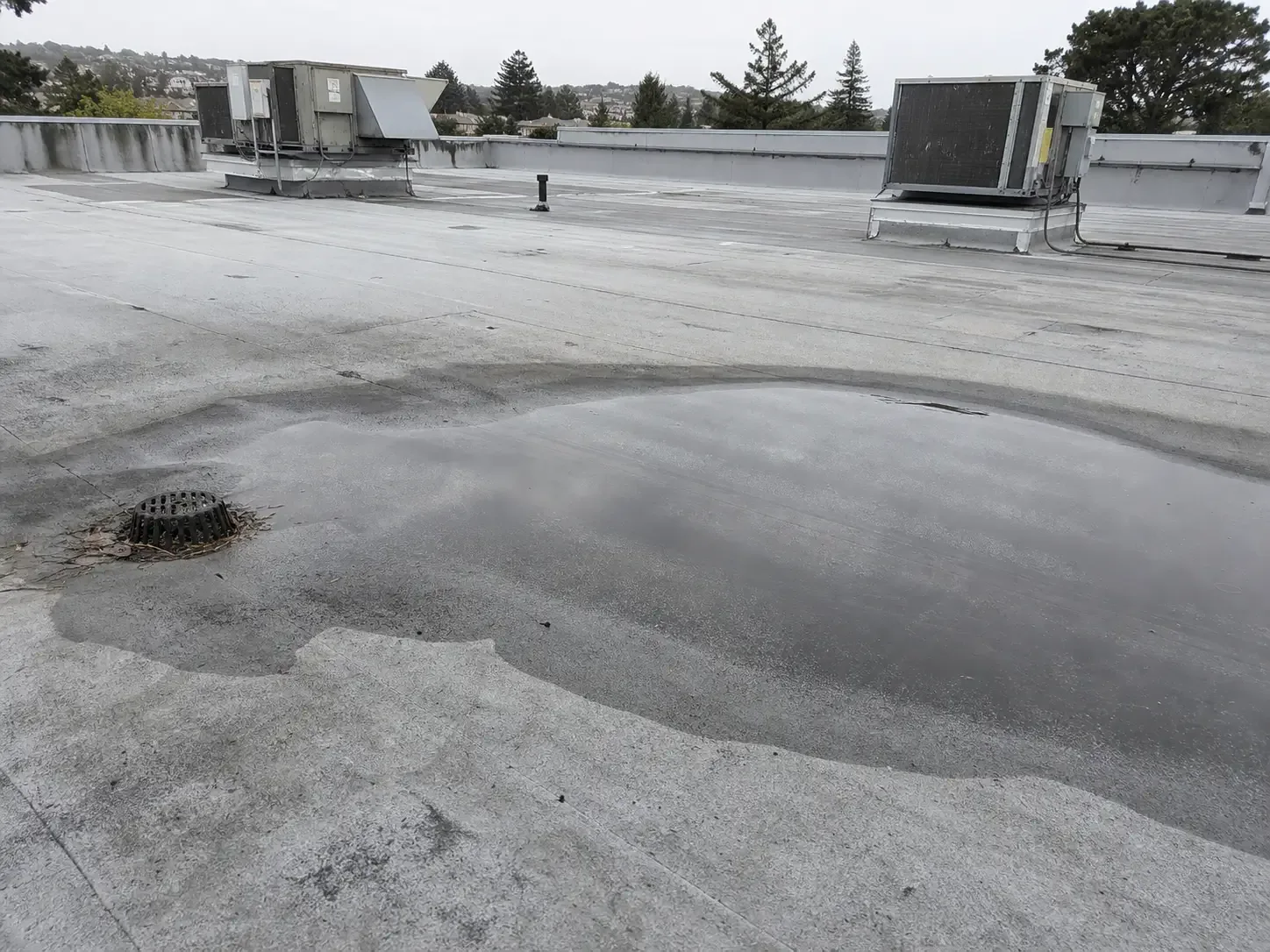
Drainage deserves a separate check on a broad roof. We look for debris at strainers, slow outlets, low areas, and signs that water is crossing a seam or reaching an edge detail. We also review the slope and insulation layout where records are available. Ponding is a symptom to measure and trace, not a reason by itself to cover the roof. On a loading side, exhaust or mechanical equipment can put penetrations close to service traffic, so we record clearance and access before setting a work path.
The City describes Tapo Canyon Business Park as a group of medium- to large-scale office or high-technology industrial buildings near Tapo Street and Los Angeles Avenue. That context says something about the local commercial building mix, but it does not say what any retail roof contains. A manager handling several properties can compare inspection notes across sites while preserving the separate roof map for each one. A ponding-water repair should follow measured drainage conditions, and drain and scupper work should identify the outlets included in the scope. We keep those findings tied to the property rather than transferring a condition from one roof to another.