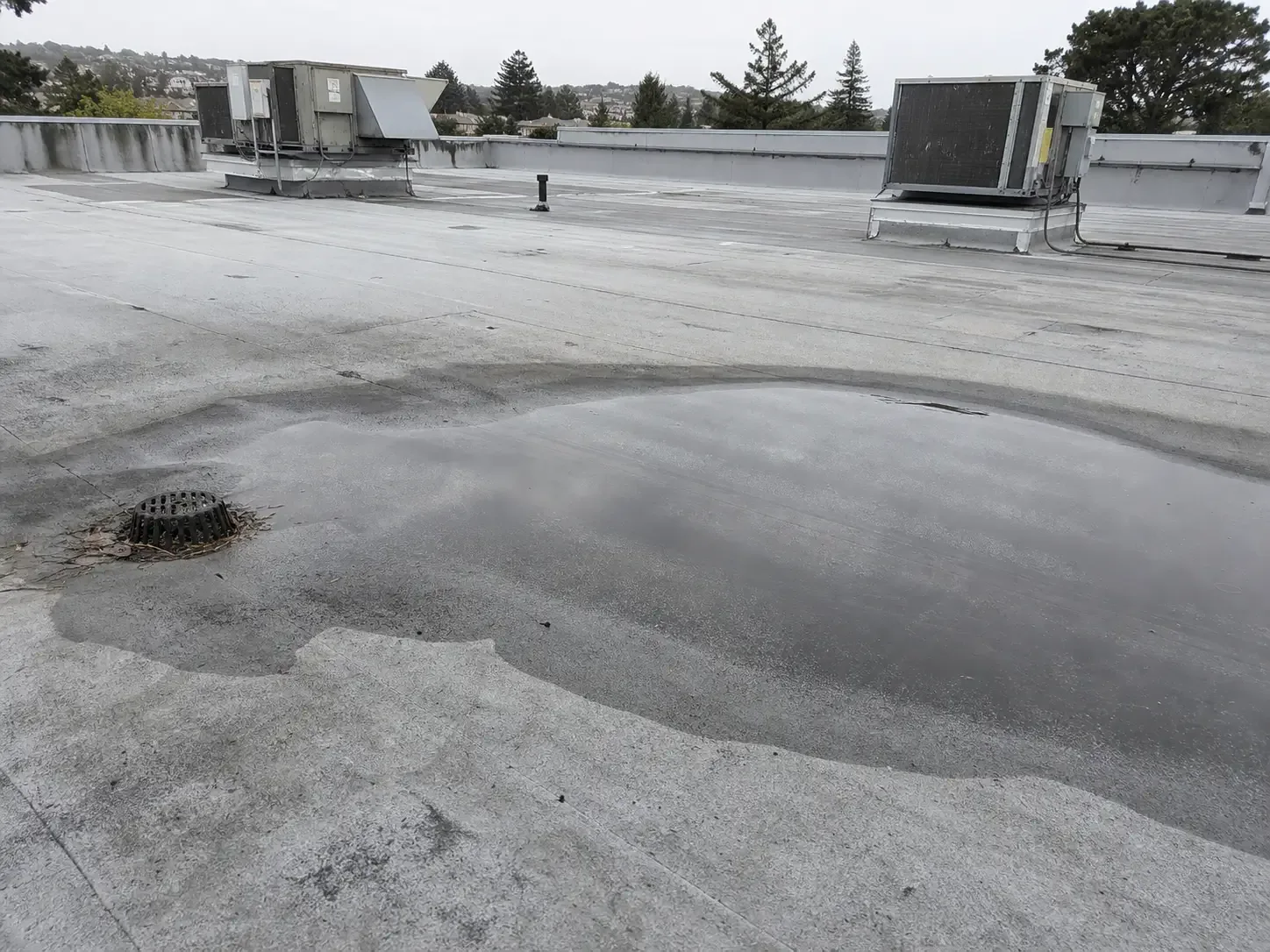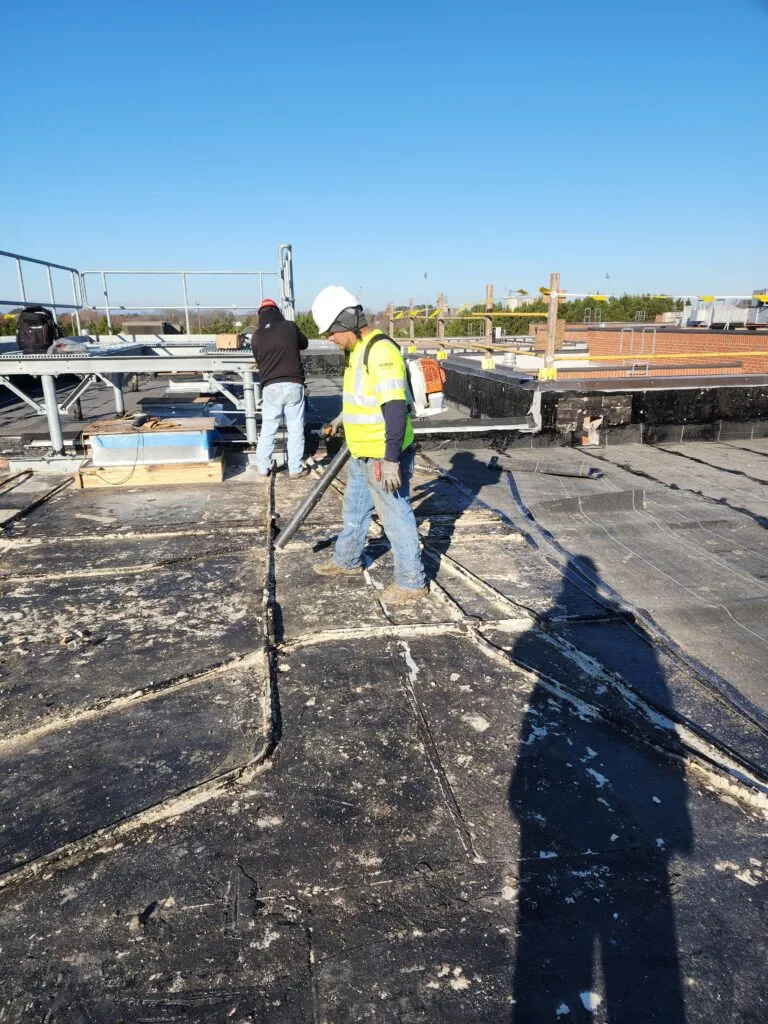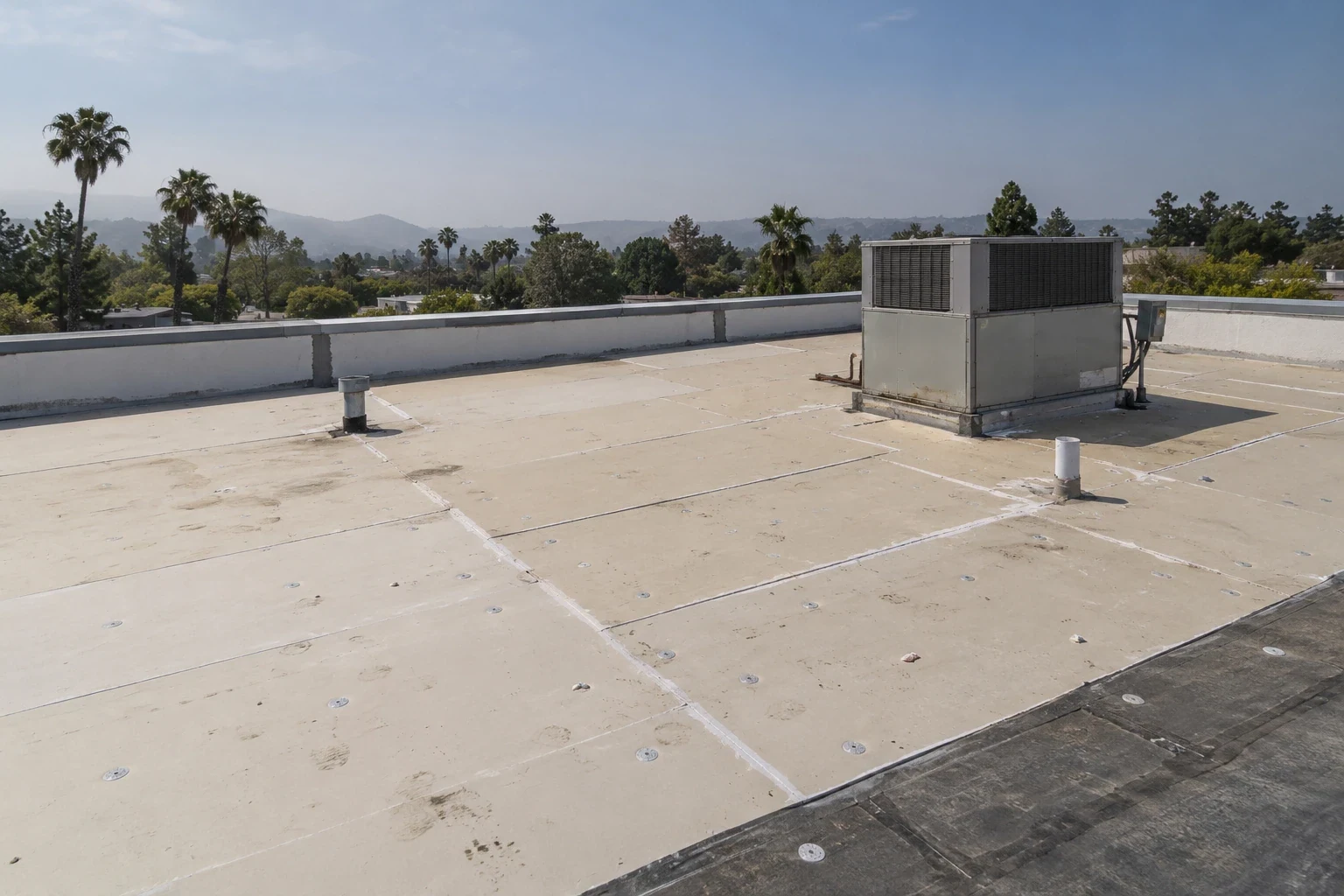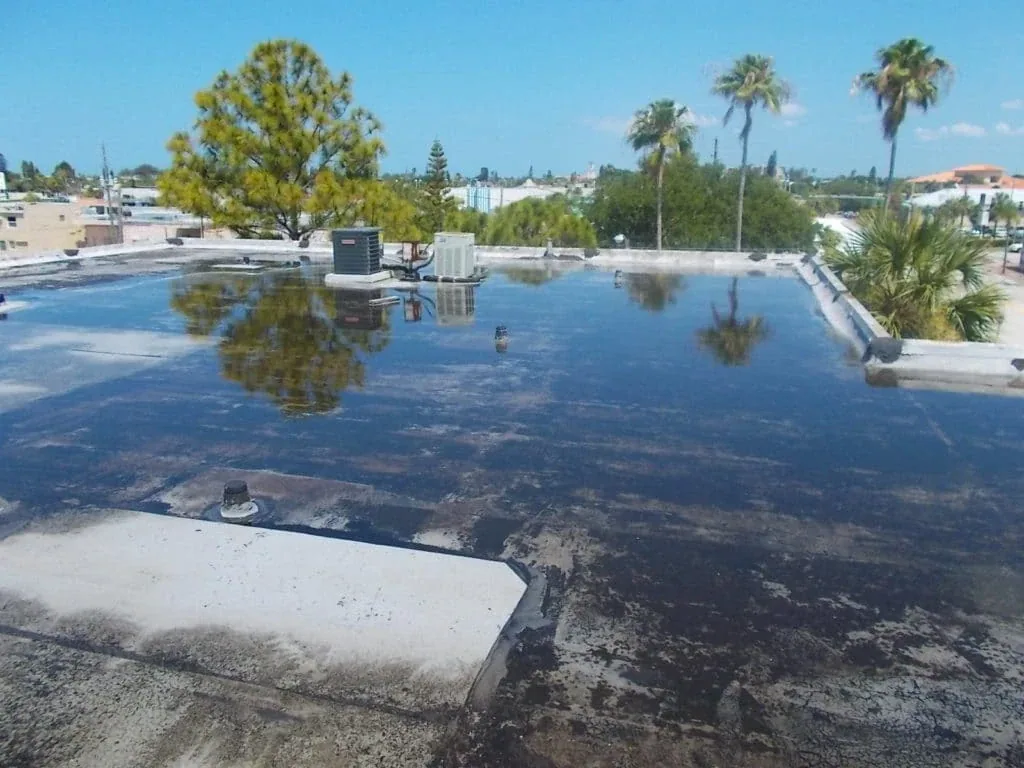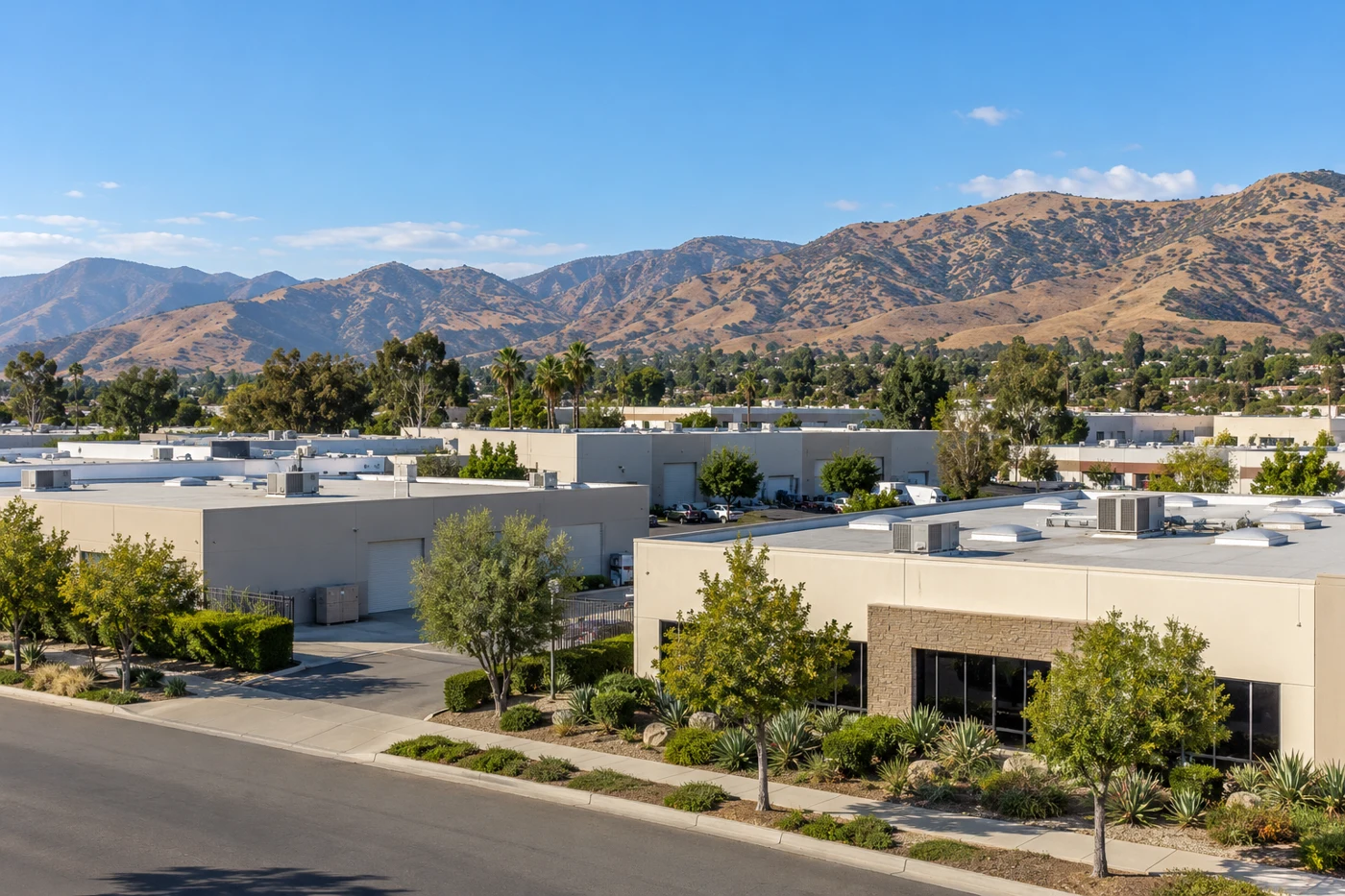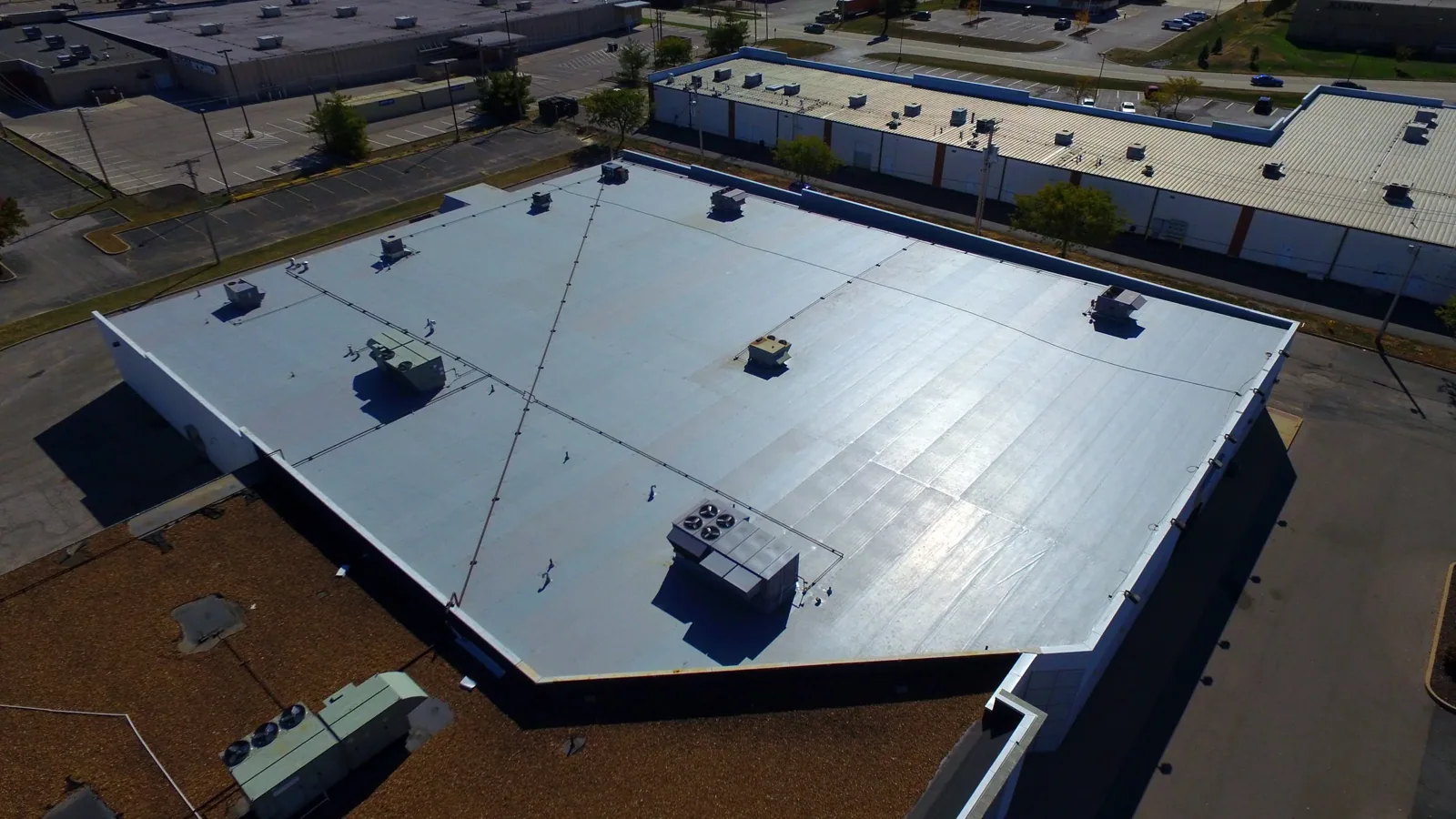
A shallow pool that remains after nearby areas have dried calls for a drainage check and a closer look at the assembly below. In Simi Valley, we mark the water boundary, measure its location against drains and roof details, and record how long the condition persists. The City describes Tapo Canyon business parks as collections of medium- to large-scale buildings used for office or high-technology industrial activity. That broad building context makes roof access and equipment clearance worth confirming, but each roof has its own slope and drain layout. Our inspection process identifies whether the next step is cleaning, testing, or a bounded repair.
Start at the outlet
Water can stand because a drain is obstructed, the bowl is set too high, the membrane is not fully connected, or the roof surface does not fall toward the outlet. We inspect strainers, drain bowls, scuppers, leaders, and the membrane around each opening. The roof plan and field measurements distinguish a blockage from a low area that remains after clearing. We record depth and spread at repeatable points.
When debris or a damaged strainer is the issue, clearing the outlet may restore flow without opening the roof. A cracked bowl connection or failed flashing needs a different scope. We note whether the downspout or leader is accessible and whether water can discharge safely. Simi Valley’s listed arterial routes include Tapo Canyon Road and First Street, useful dispatch references for the city but not evidence about any building’s roof. The facility contact confirms the actual entry, safe ladder location, and equipment that limits access. A drain and scupper repair can address the outlet detail after the cause is confirmed.
At a drain, the membrane termination and clamping ring must remain compatible with the roof system. We check for movement, open seams, corrosion, and prior patch edges before deciding whether the bowl can stay. The flashing review documents a failed connection separately from standing water in the field.
Map the low area
A roof depression may follow settled insulation, deflected deck, an old repair, or a slope condition. We map the water line and compare it with seams, structural bays, rooftop units, and drains. A straightedge or level readings can show how the surface falls, while a test opening can reveal whether insulation is wet or compressed. We do not assume that the visible pool marks the edge of hidden moisture. The report identifies each measurement and its limits.
The City’s General Plan EIR places most Simi Valley industrial development in the West End Specific Plan area and describes it as primarily light industrial with business, research, office, and development parks. For a roof in that broad area, a wide membrane field can include multiple roof zones and service paths. We number each low point, note nearby curbs and equipment, and keep the test location tied to the map. The West End planning area is a useful geographic reference, not a substitute for that field survey.
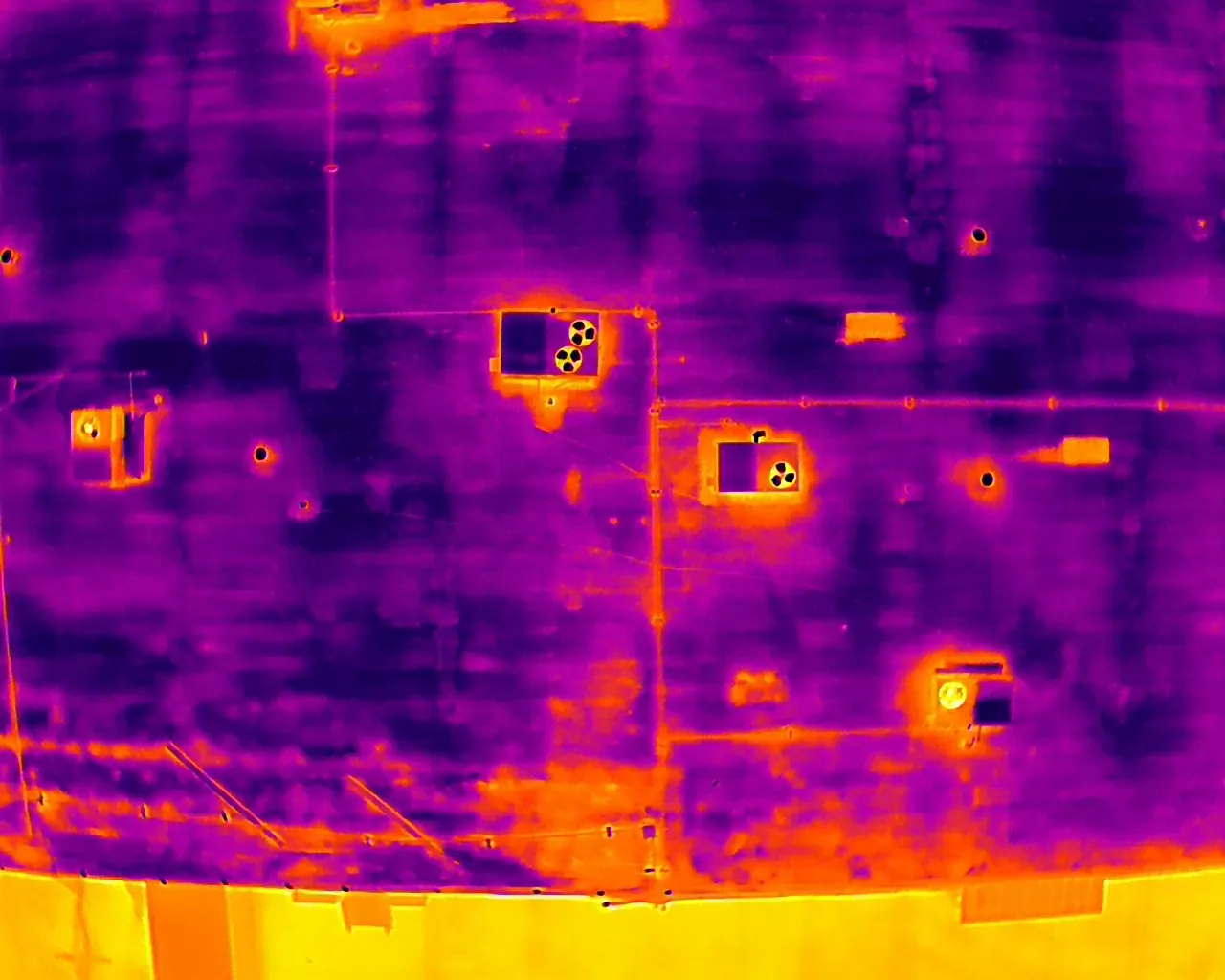
Moisture readings can help choose a test area when surface conditions support the method. If results conflict with the roof history, a controlled opening gives direct evidence of the insulation and deck. A moisture survey can guide sampling; the leak repair scope follows confirmed entry rather than the footprint of a water mark.