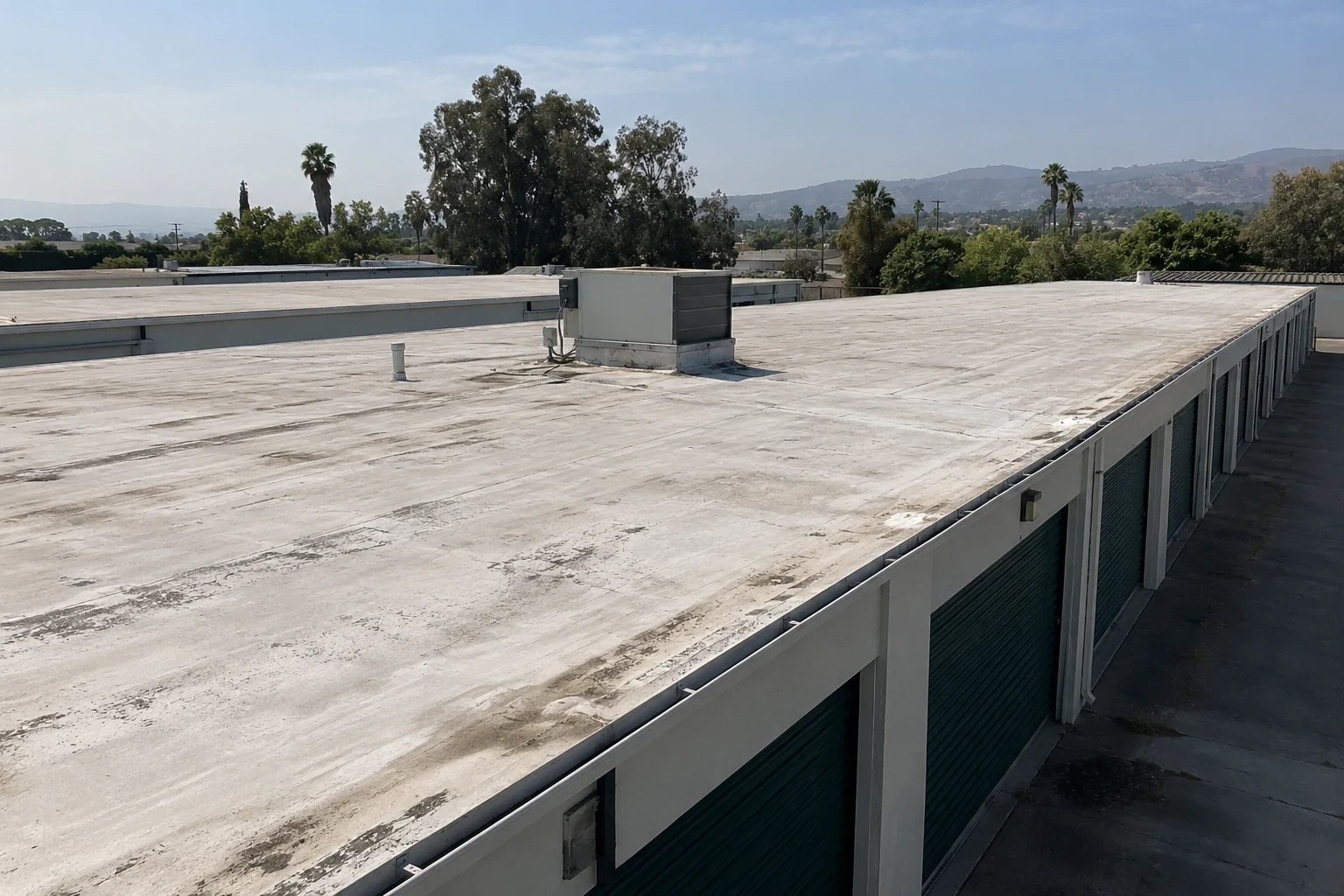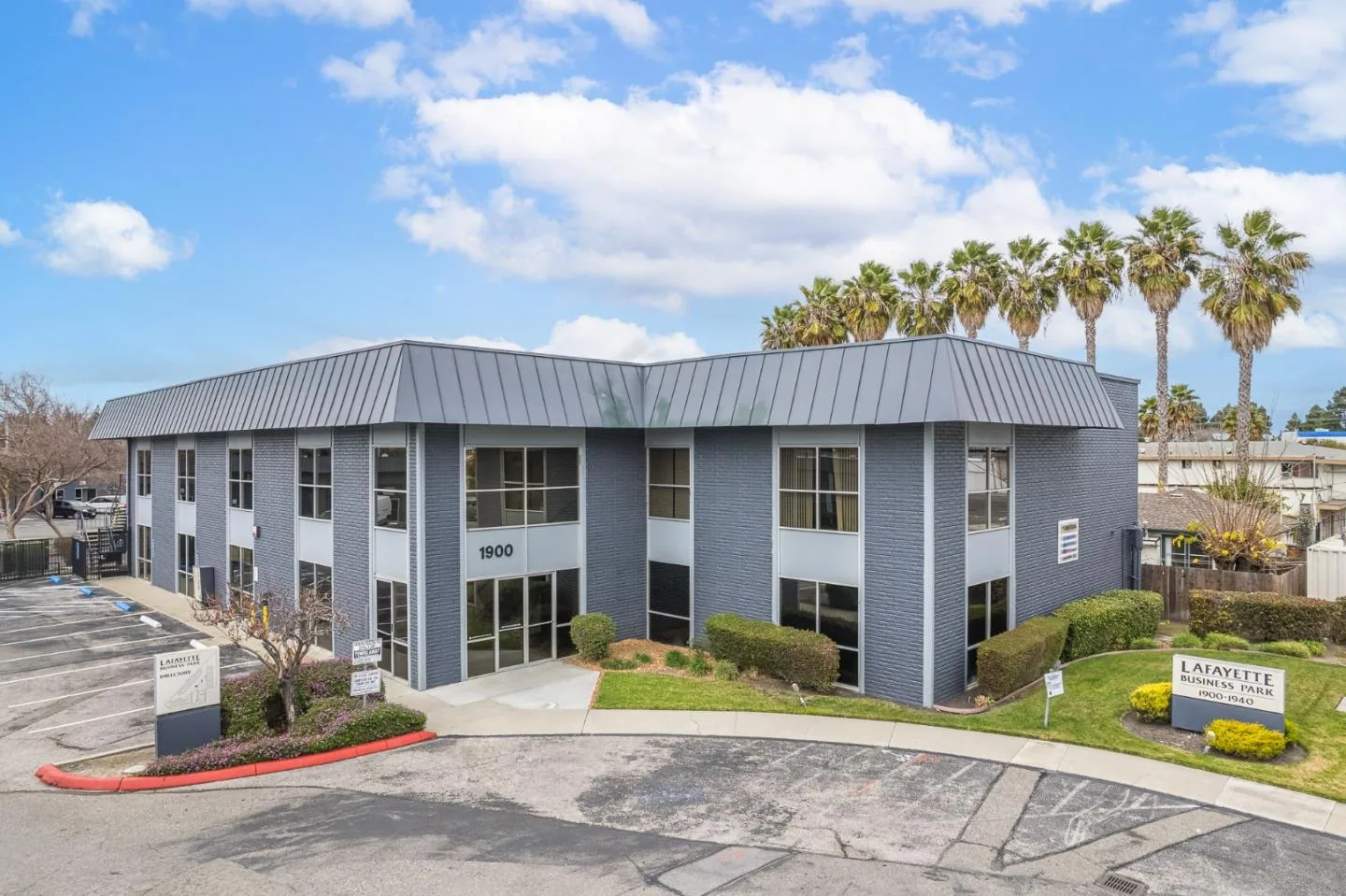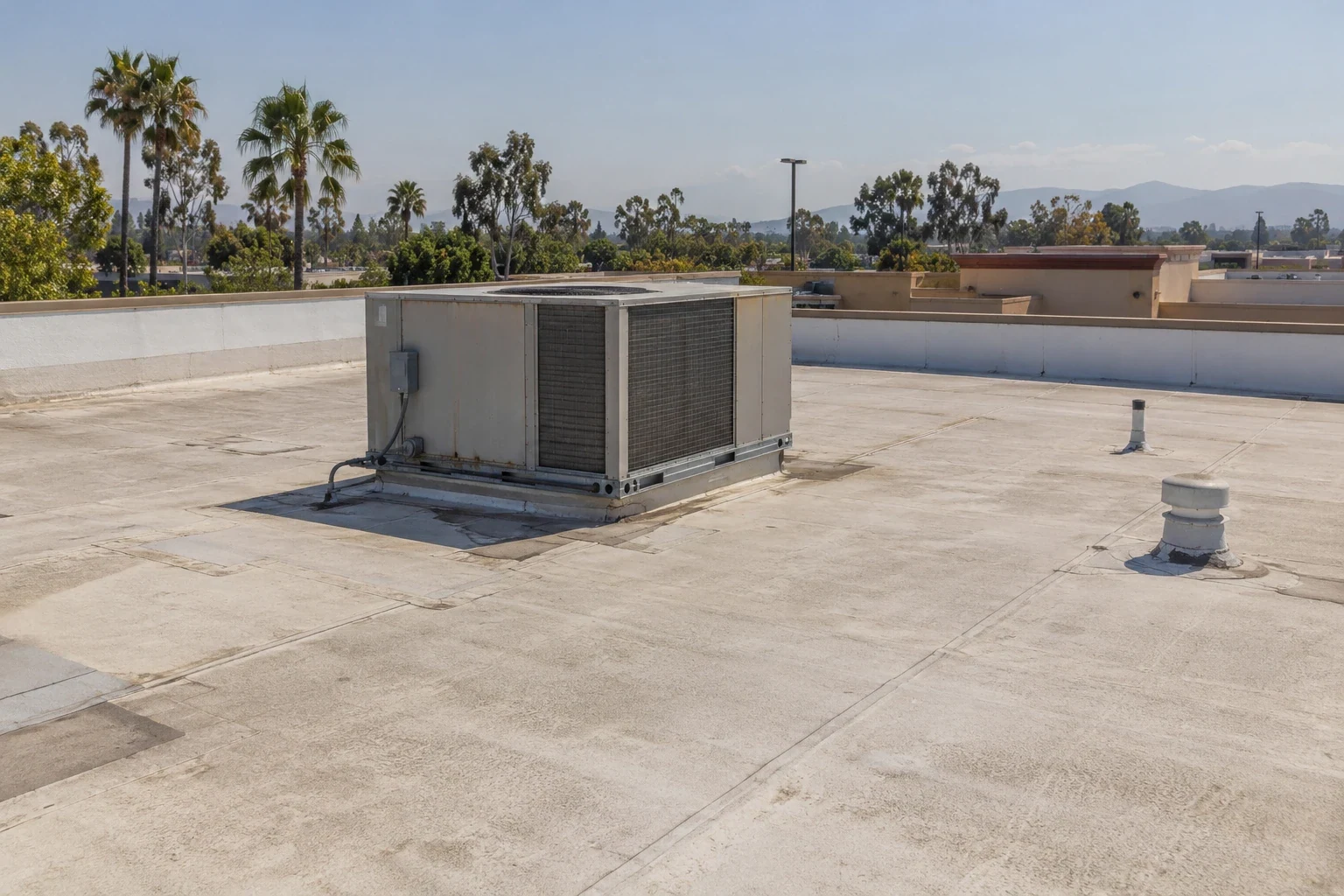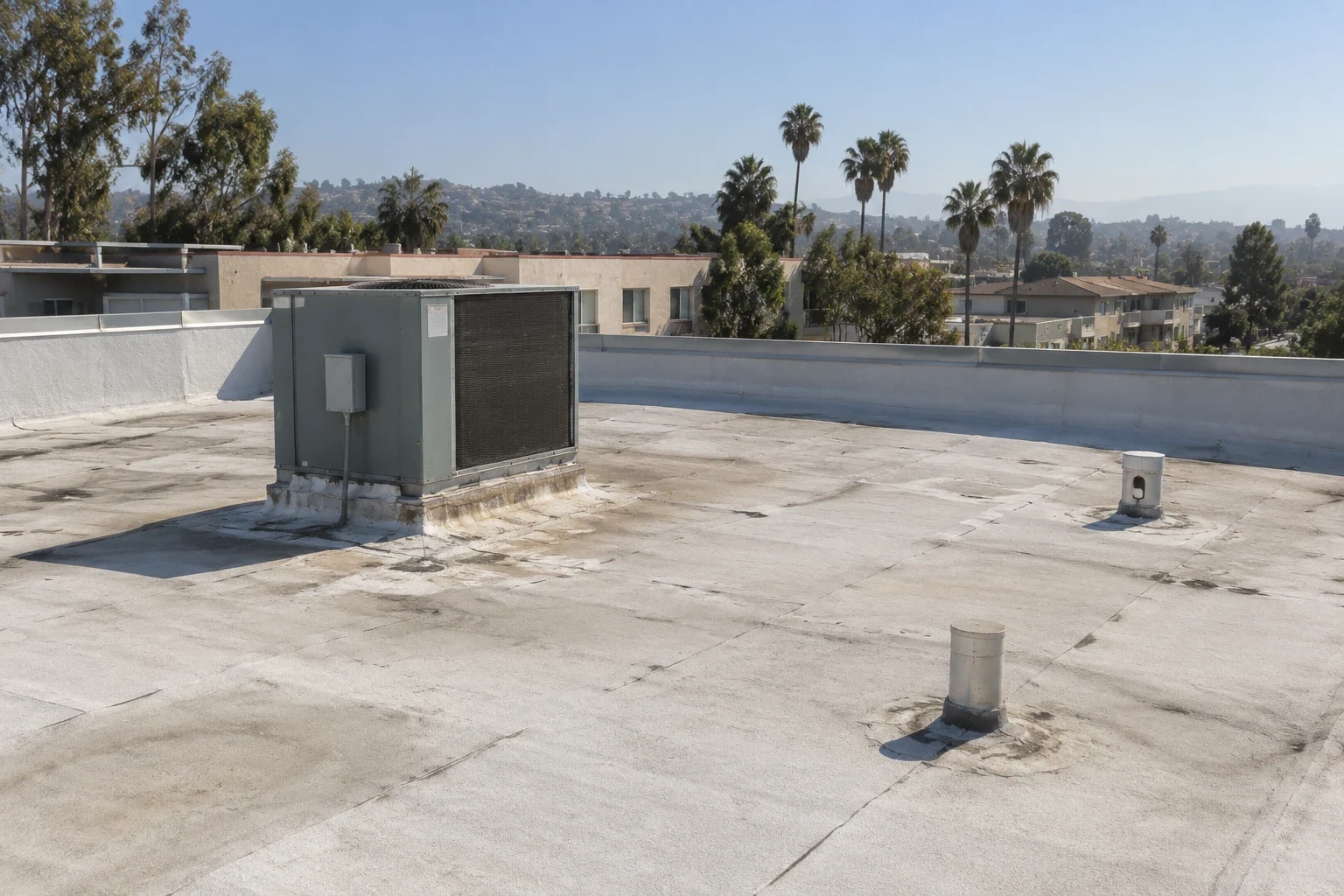
A line of storage doors can hide a roof condition that spans several separate bays. We start above the affected unit, identify the roof zone, and trace seams, drains and wall transitions before setting a repair boundary. The site map and tenant report help locate the issue, but only the roof assembly shows whether water reached insulation or traveled beyond the unit below. Simi Valley's planning projections point to hotter summer conditions, so exposed membrane and flashing need a direct check. City planning places Tapo Canyon among its business-park settings, with office and high-technology uses in medium- to large-scale buildings. That designation does not describe a storage roof. A property near the Los Angeles Avenue commercial corridor still needs its own access and roof records.
Separate unit rows from roof zones
Storage properties may have long roof runs above many doors, internal corridors or office space. We record the affected section by roof zone and note the unit row or interior area reported by staff. That distinction matters because water can move along a seam or beneath insulation before appearing inside. A ceiling mark near one unit does not by itself locate the membrane opening.
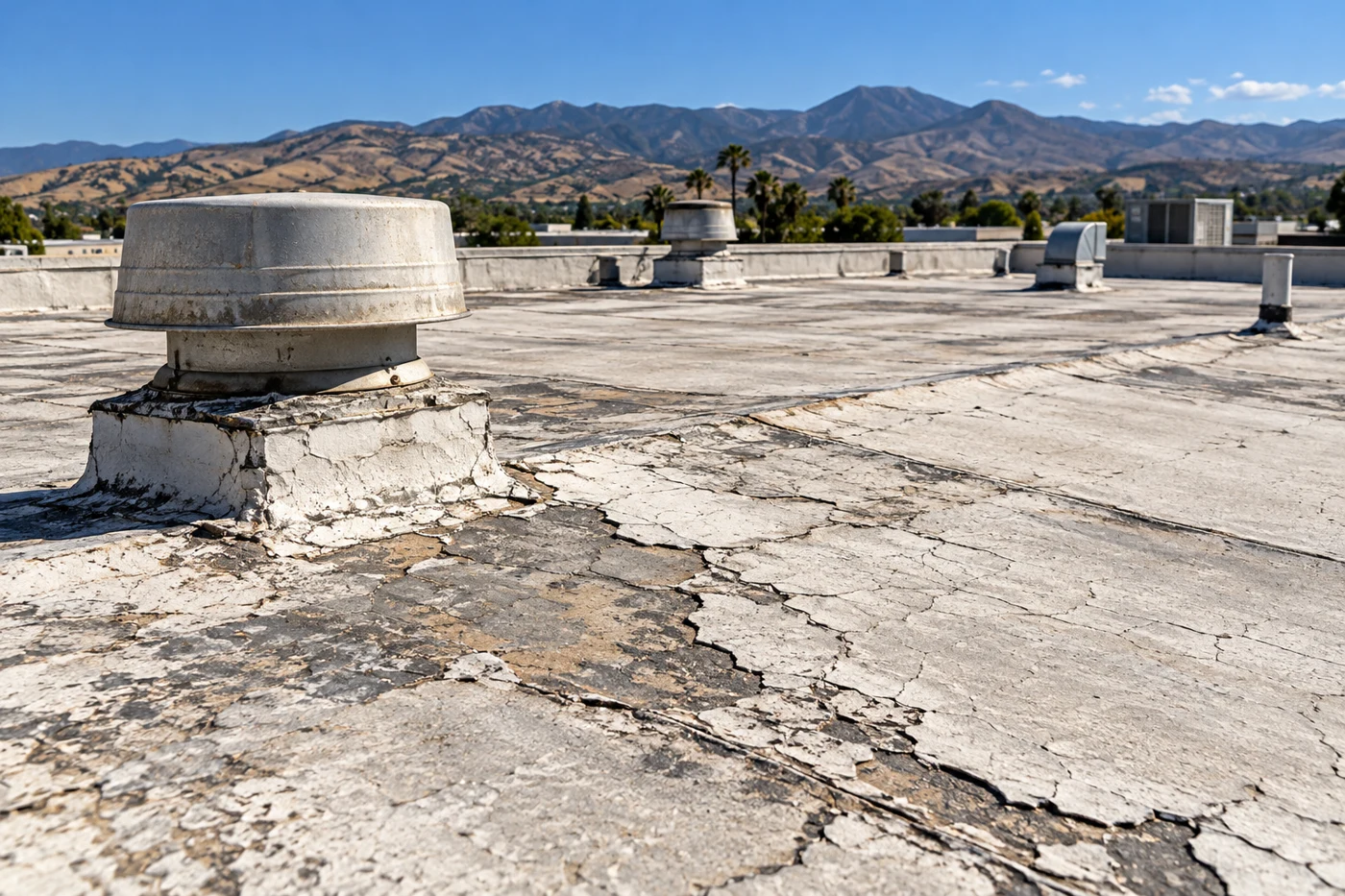
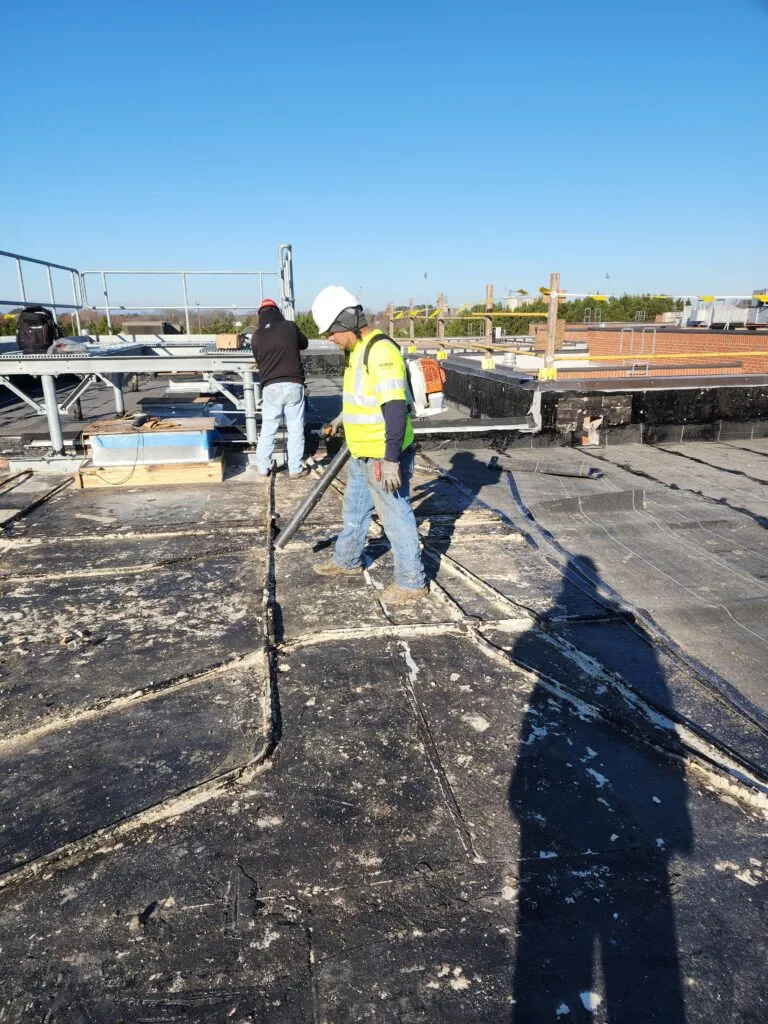
On the roof, we inspect seams, laps, perimeter edges, drains, scuppers, penetrations and curb or wall transitions near the report. We look for an open weld, lifted edge, split flashing, puncture or repair that has lost adhesion. Each condition is photographed and tied to the roof plan. If a surface looks aged but remains watertight, we record that separately from a confirmed leak path. A warehouse roof review needs the same distinction between records and observed condition.
For attached office space, an office roof condition review addresses that occupied portion while keeping the storage rows separate.
Trace water beyond the reported unit
Water may travel across a deck, along a seam or through wet insulation before it reaches a unit wall or ceiling. We compare the interior report with roof slopes, drainage points and adjacent details. If the path remains uncertain, a controlled test or opening can identify what lies below the membrane. Any test should have a defined location, restoration method and approval before it begins.
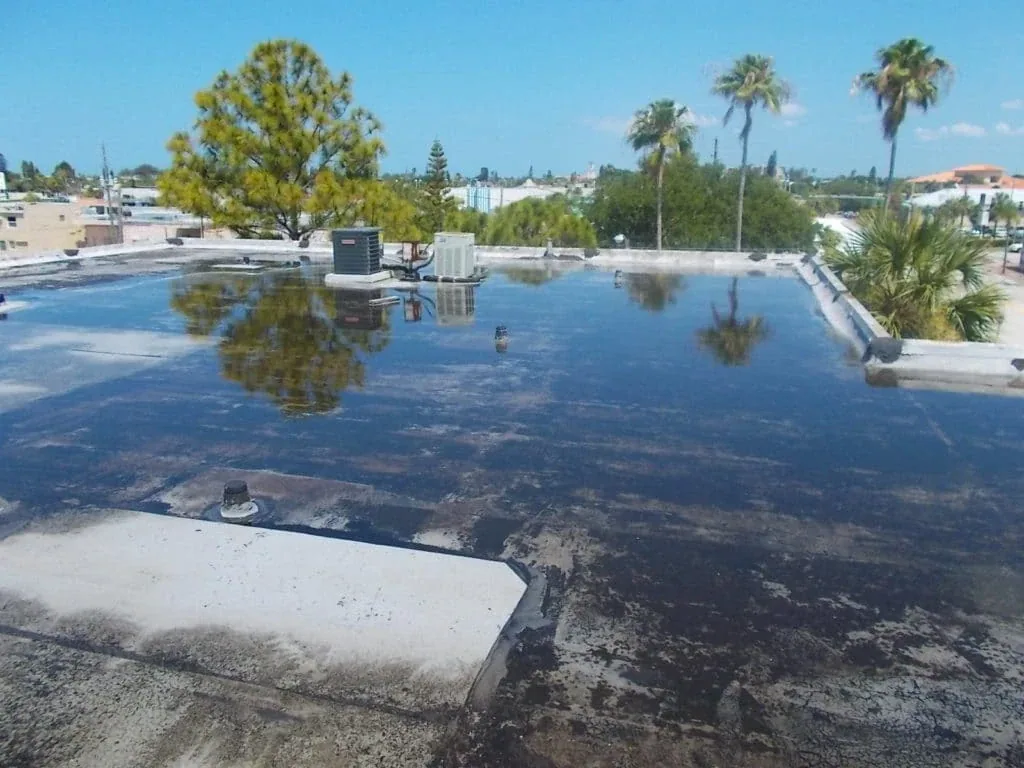
Drain bowls collect water from a broad roof area. A clogged throat, loose ring or failed drain transition can affect several sections, while water at a parapet may point to a different detail. We inspect the outlet and surrounding membrane, then note whether runoff reaches the intended discharge route. The scope distinguishes cleaning from a repair to the bowl, flashing or nearby membrane. A drain and scupper repair should correct the observed connection without changing the water path elsewhere.