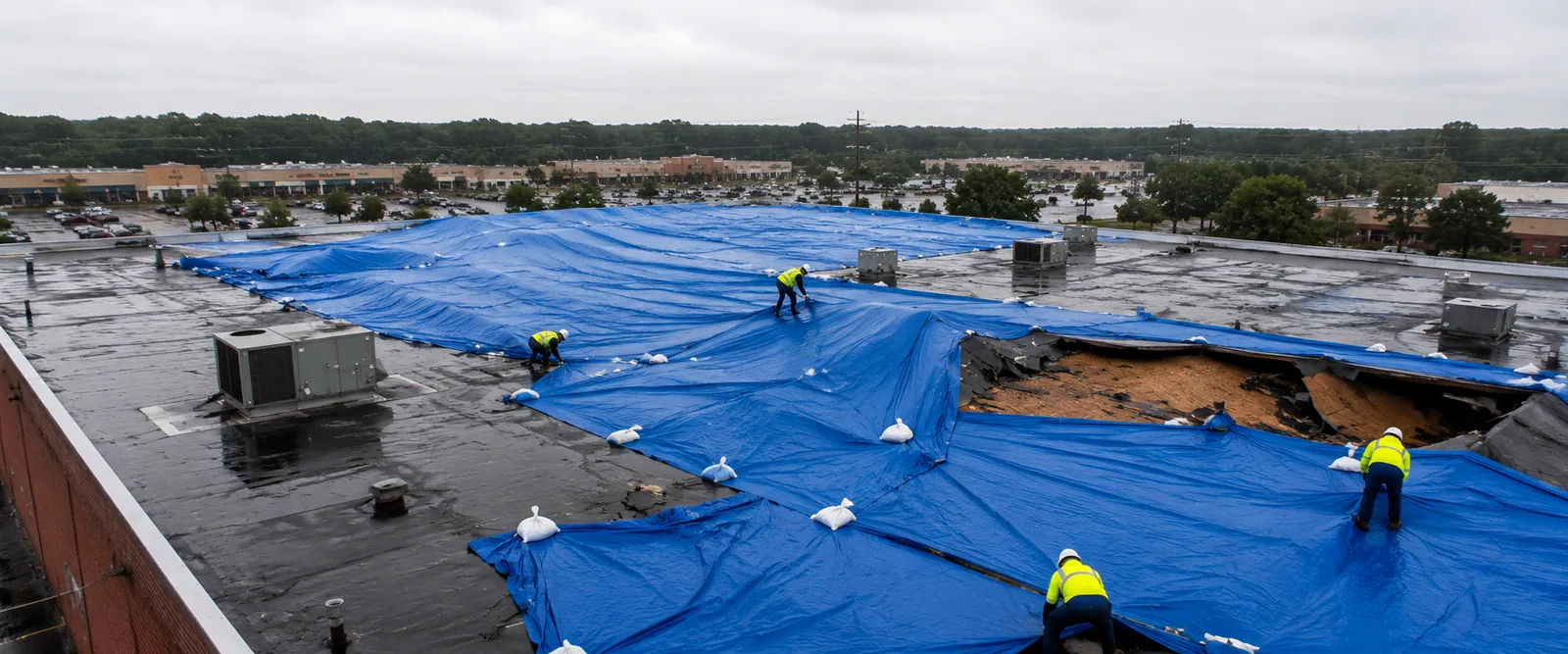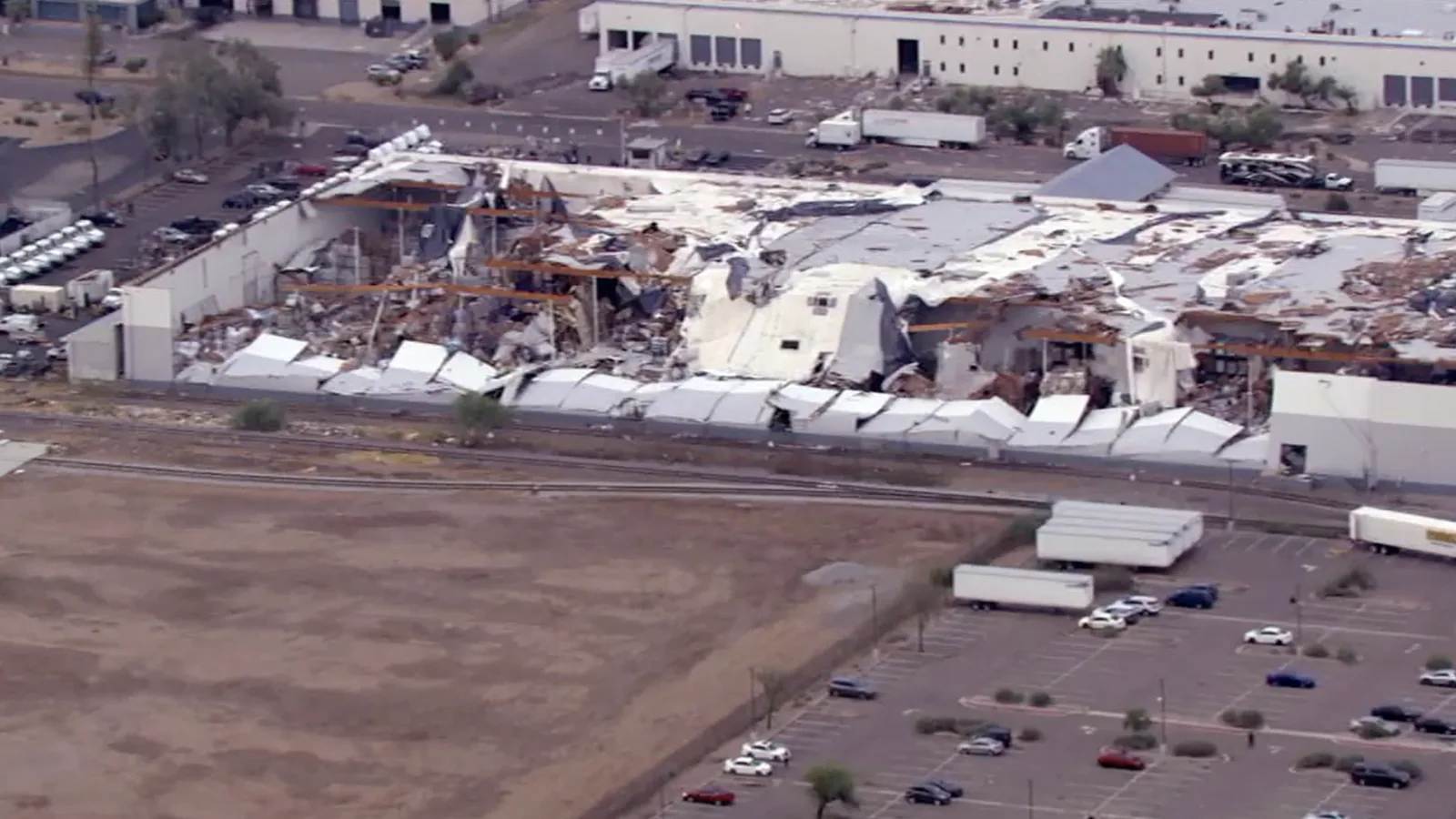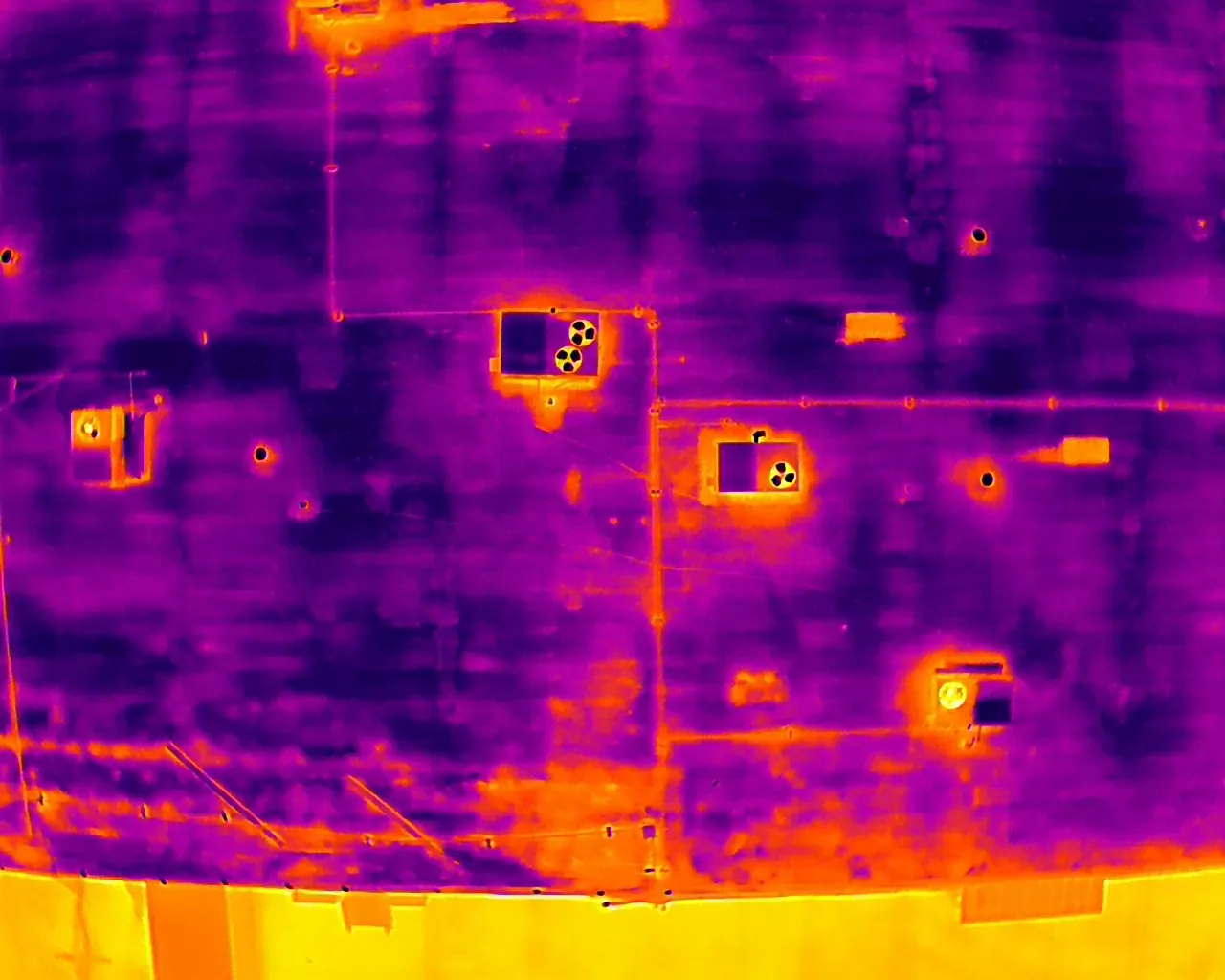
A roof that has been exposed to flame, hot gases, smoke, or suppression water needs a layer-by-layer assessment before permanent work is set. We document the affected roof zone, distinguish visible surface change from damage below, and coordinate the inspection with the incident team. In the General Plan’s safety discussion, drought and recurring Santa Ana conditions are part of Simi Valley’s regional wildfire setting. That context does not show that any particular building was exposed or damaged. The roof itself sets the repair boundary. A roof incident inspection can start with the event timing, access controls, and any temporary protection already installed.
Separate heat, smoke, and water effects
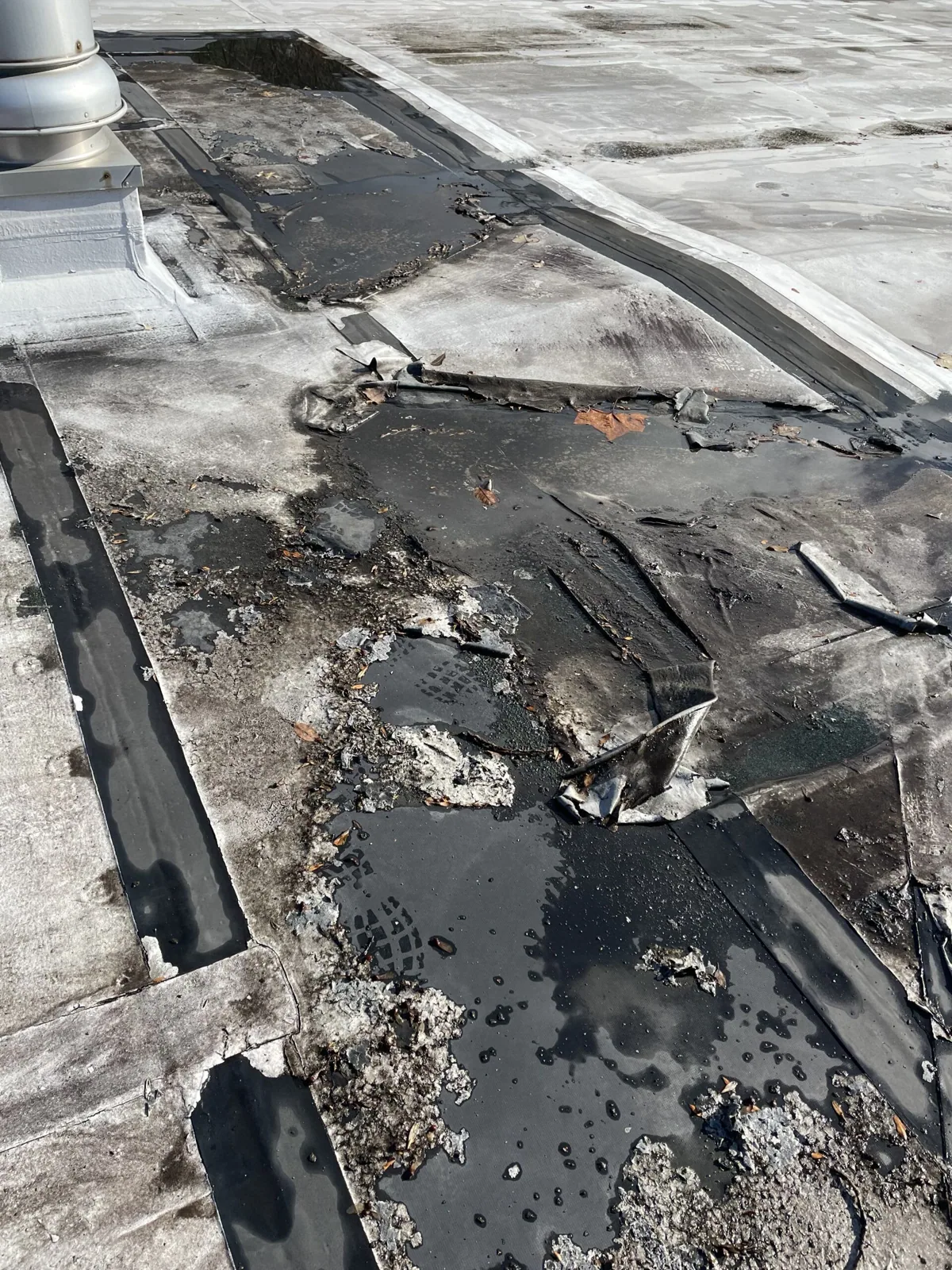
Fire-related roof conditions can include blistered or softened membrane, displaced metal, damaged insulation, soot deposits, punctures from suppression access, or water trapped after firefighting. We record what is visible and where each observation sits relative to the roof plan. A dark surface is not by itself proof that the membrane has failed, and a dry interior does not establish that the insulation is unaffected. We identify the material type, test points, inaccessible areas, and any condition that requires another trade before a roof opening.
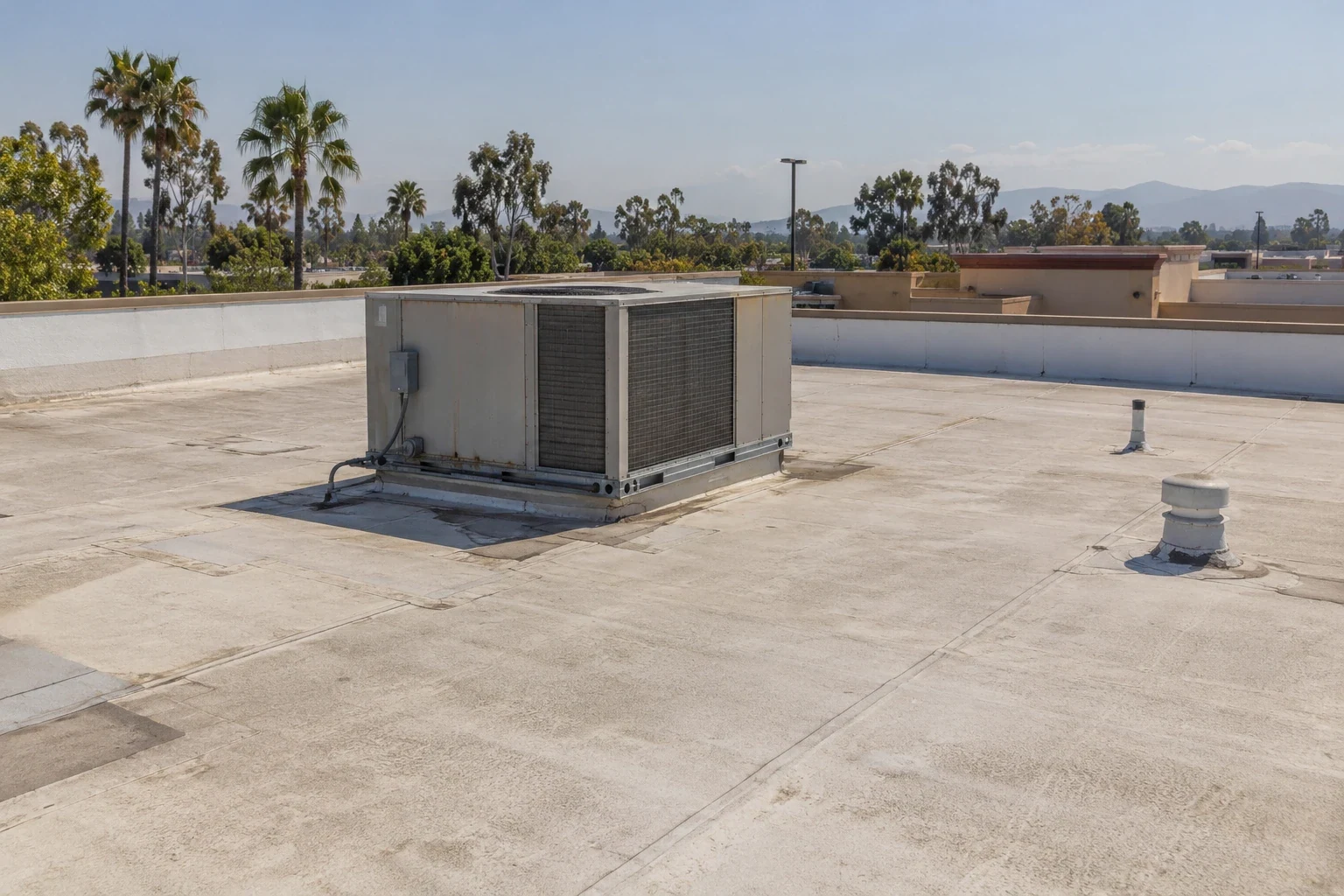
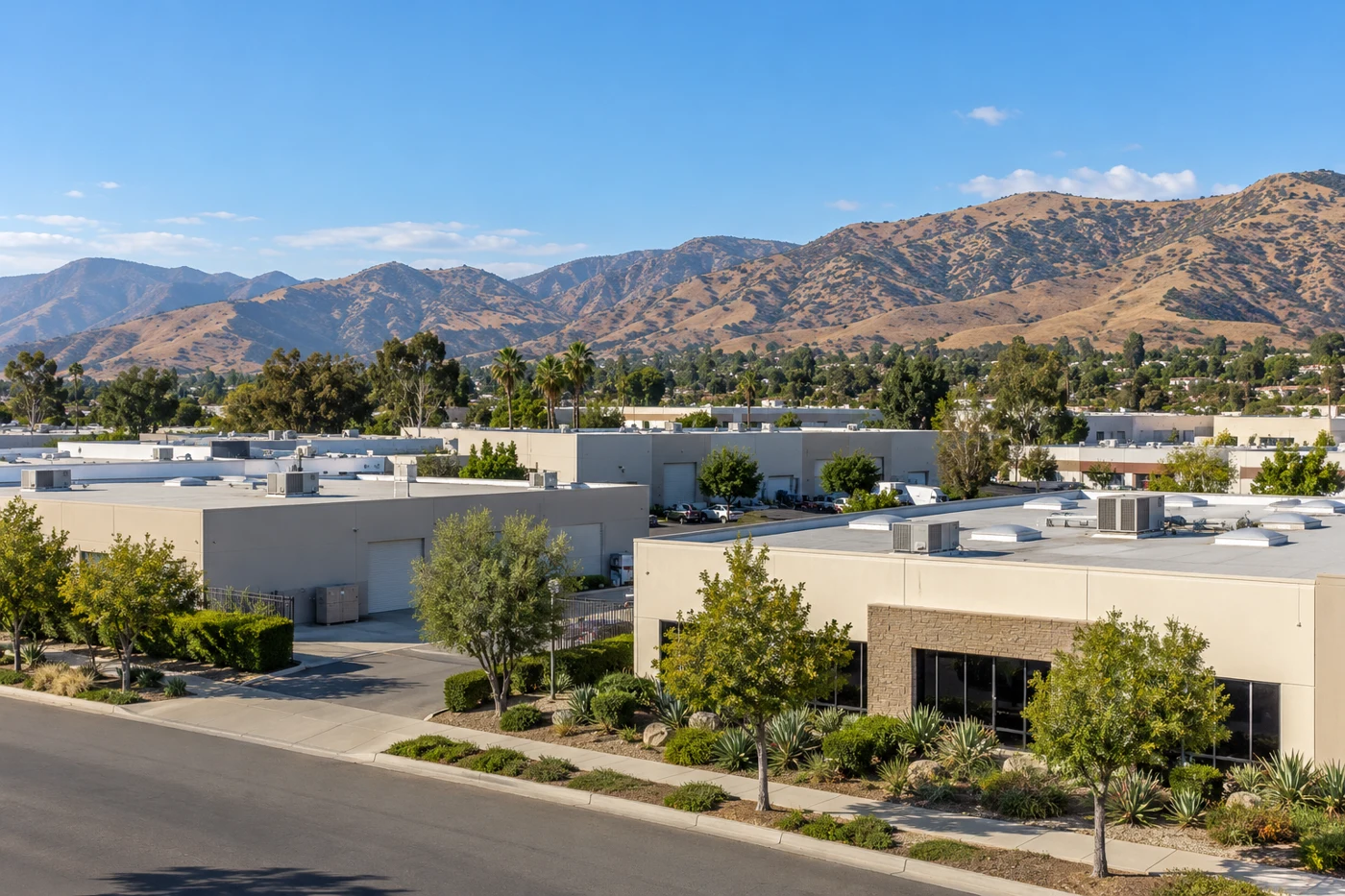
The City places much of Simi Valley’s light-industrial development in the West End Specific Plan area and describes business, research, office, and development parks there. A building in that broad district may have different rooftop equipment and operating limits from an office property elsewhere. We use the facility map, not the district name, to identify the damaged area. The West End planning area gives geographic context while the condition record remains specific to the building and roof zone.
Smoke residue can affect surfaces and equipment that another specialist must evaluate. We coordinate roof access and cleaning boundaries with the incident lead instead of disturbing material outside our scope. If the membrane has a split or opening after exposure, a puncture repair check or flashing review is recorded as its own roof detail.
Check the assembly below the visible mark
Suppression water can enter at a damaged seam, drain, curb, or opening created during response. We compare the roof evidence with interior reports, equipment areas, electrical spaces, and areas where water was removed. A test opening may show whether insulation is wet, charred, compressed, or otherwise unsuitable to retain. We plan that opening with the owner and the incident team, protect contents below, and define a dry-in limit. The proposed boundary changes only after the layers are visible.
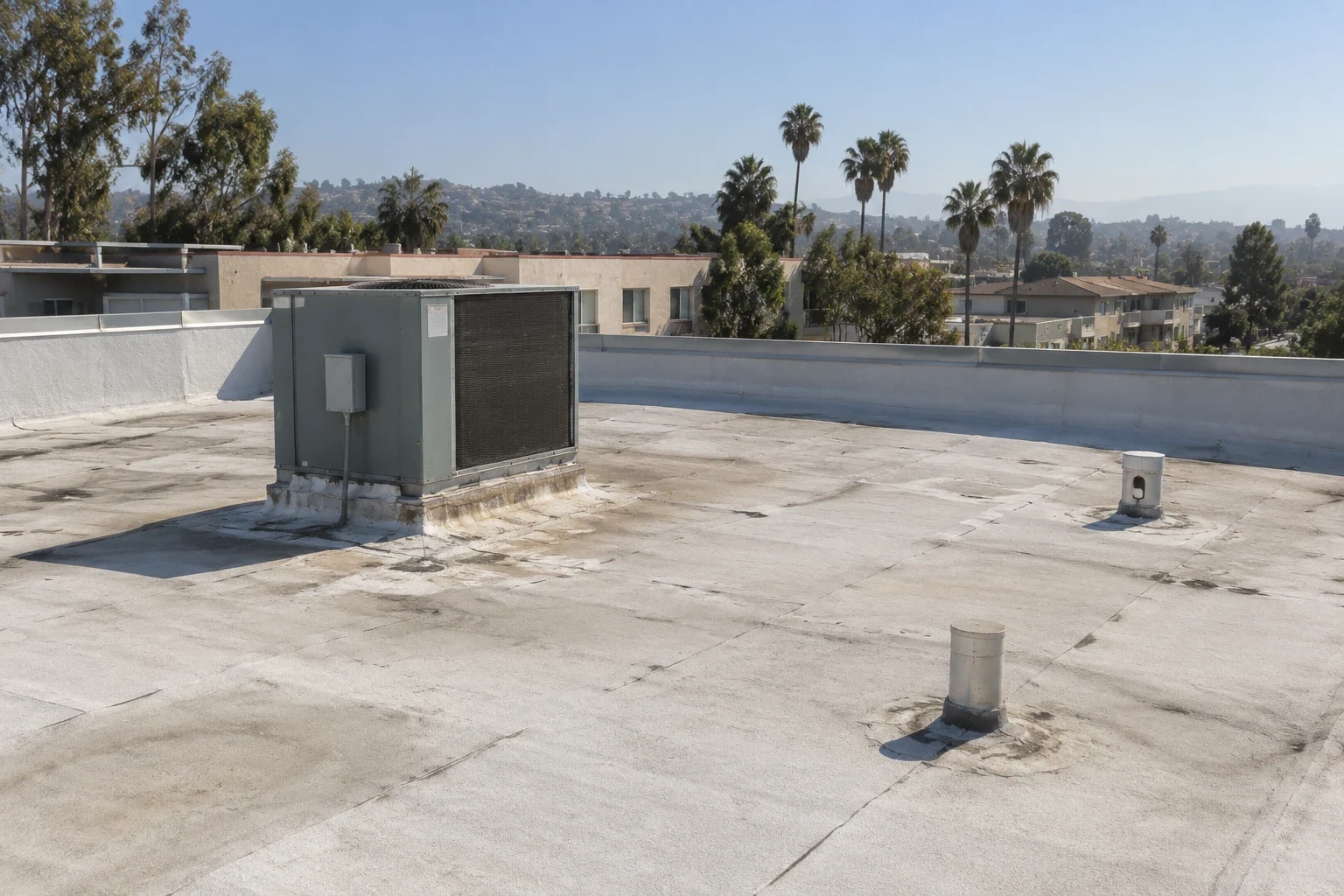
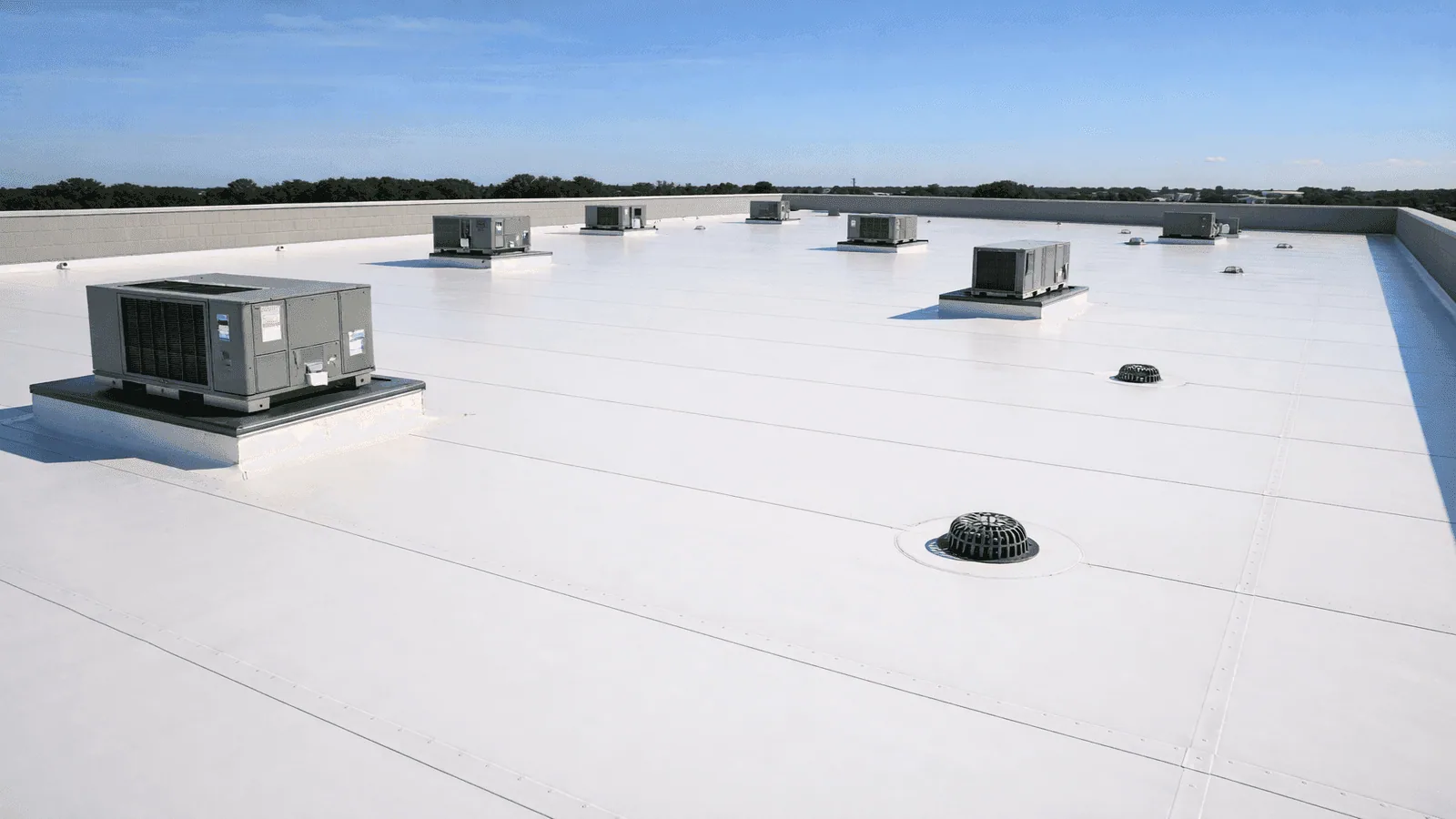
For a low-slope roof, the deck, vapor retarder, insulation, cover board, and membrane can respond differently to heat and water. We note each layer that can be identified and avoid assuming that surface cleaning restores a damaged assembly. If deck condition or structural capacity is uncertain, the owner coordinates the appropriate structural review before roofing work continues. Our proposal isolates the roof scope and lists any prerequisite or excluded work so the repair sequence is clear.
State Route 118 and Los Angeles Avenue are among the City’s identified arterial and evacuation routes. The route context can help coordinate service access after an incident, but the property contact sets gate, escort, and staging requirements. A commercial roof assessment can document accessible areas, while a moisture survey may help choose test locations when surface conditions allow.