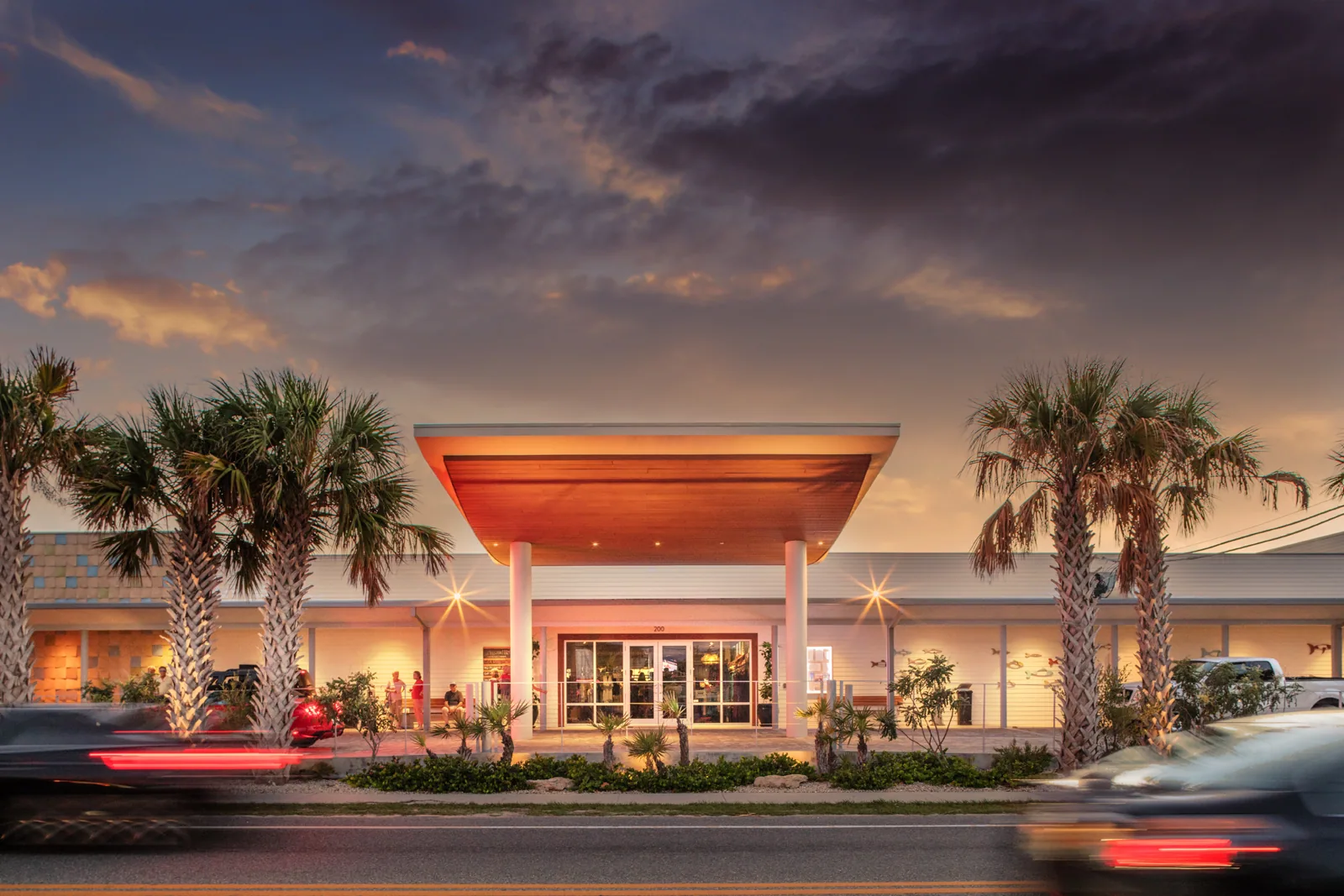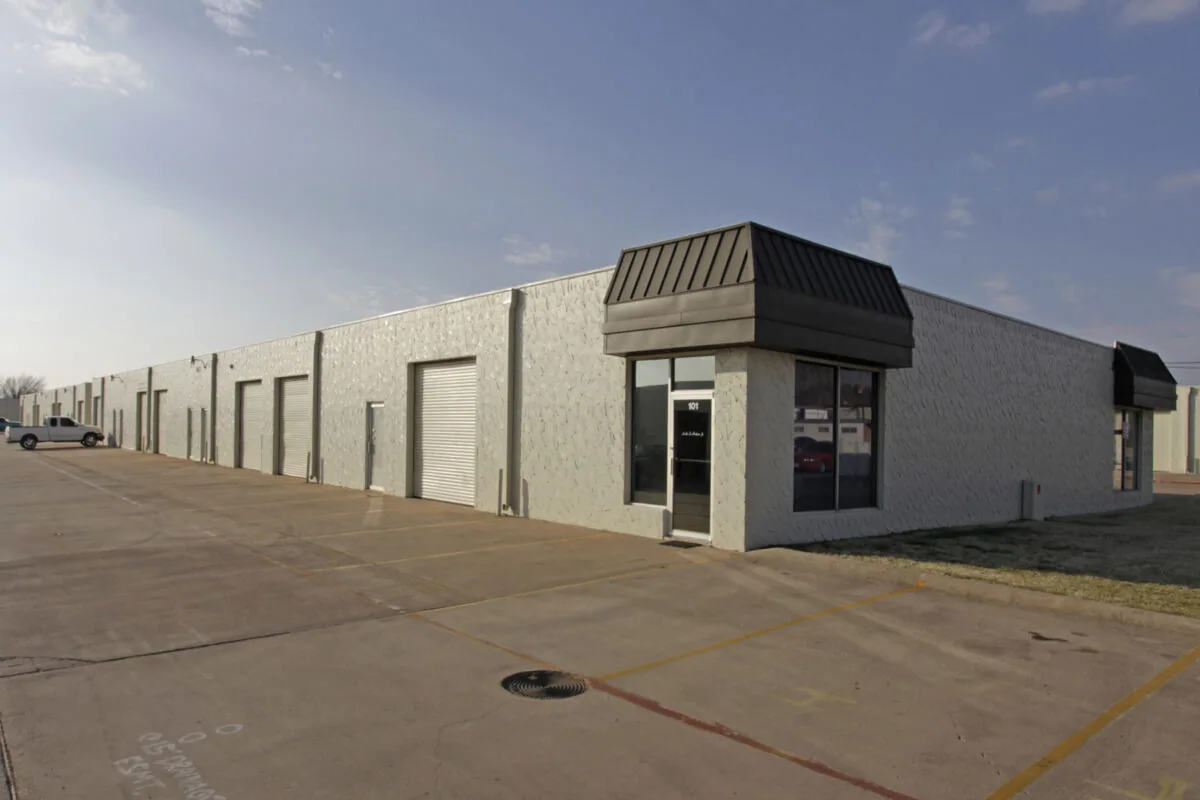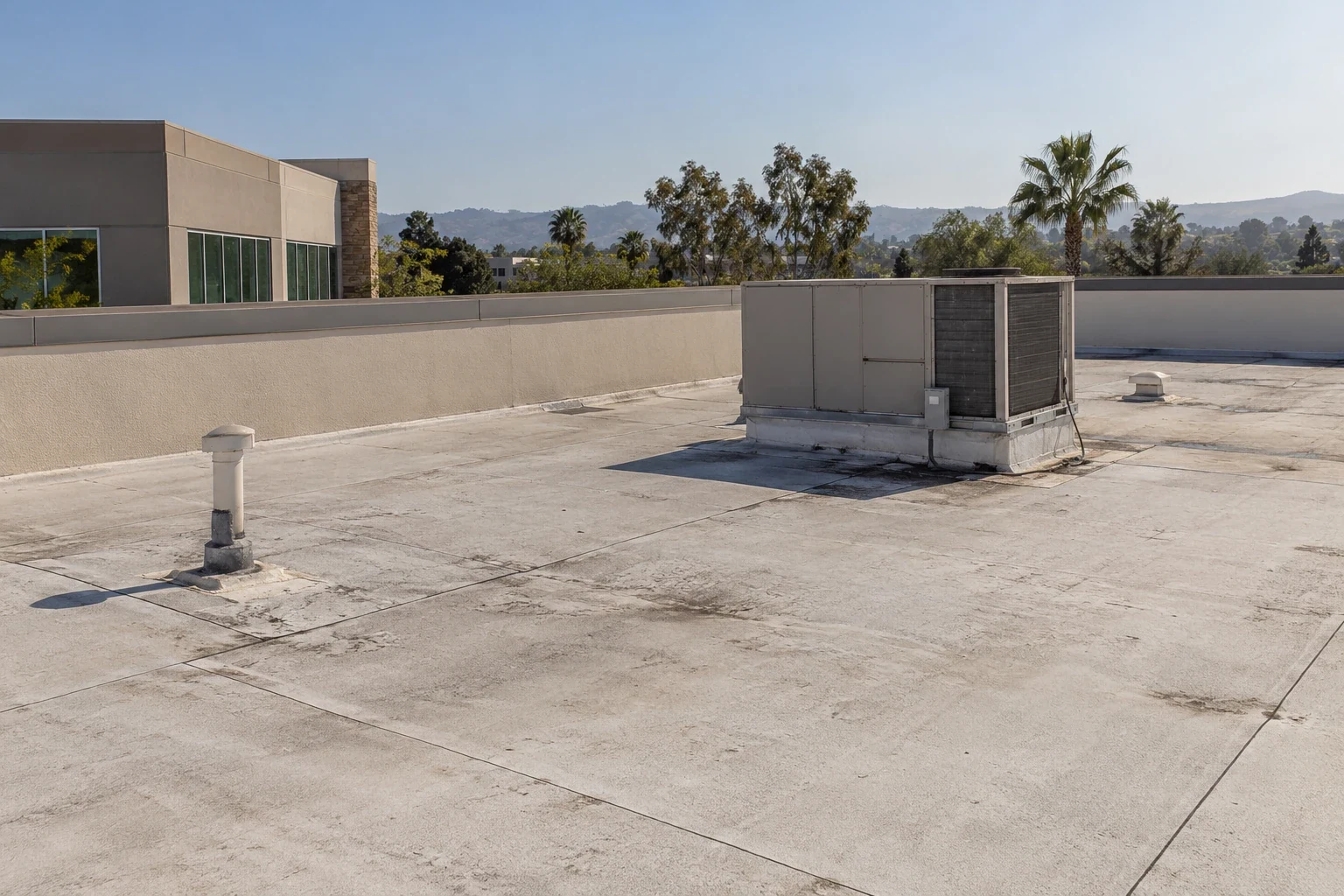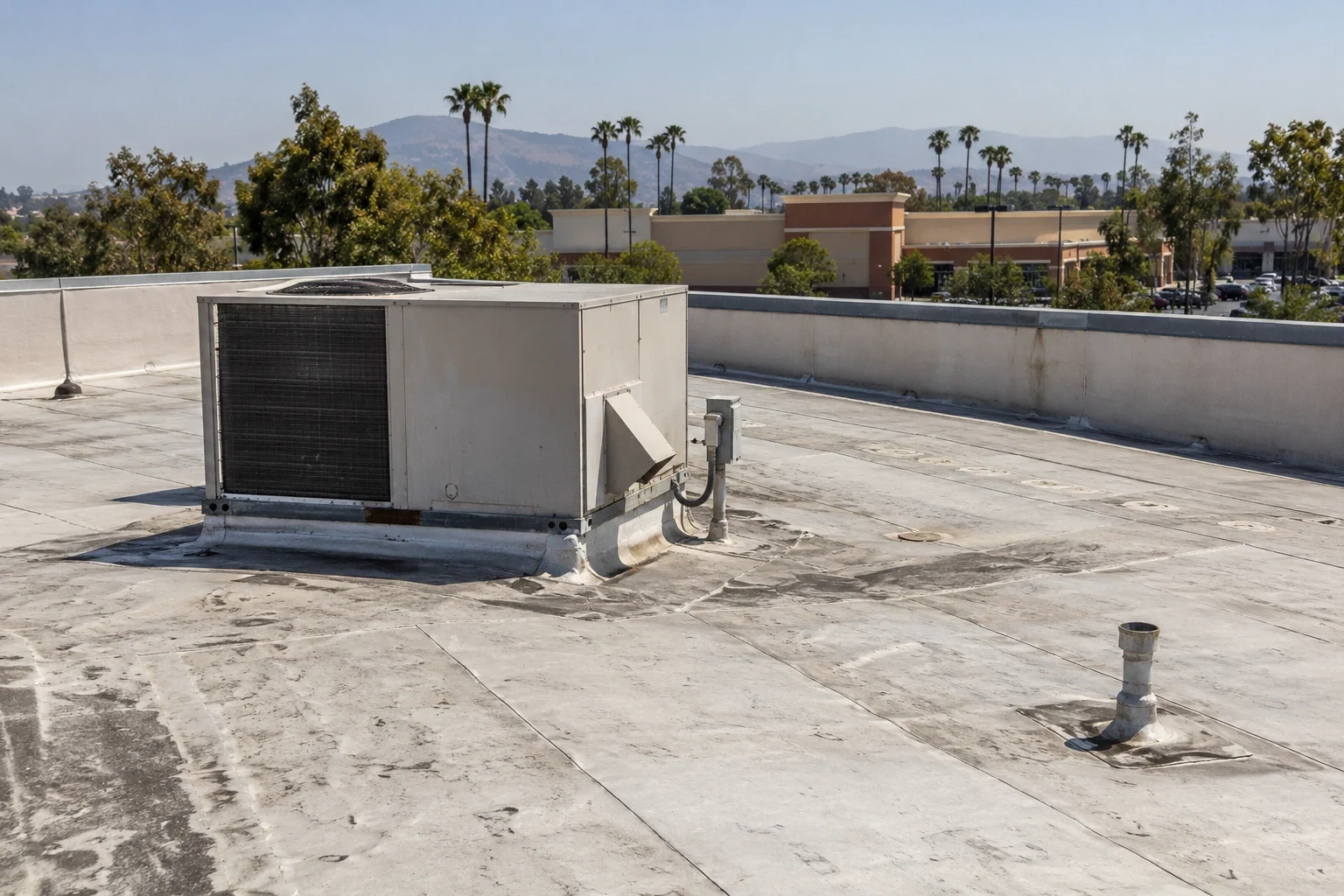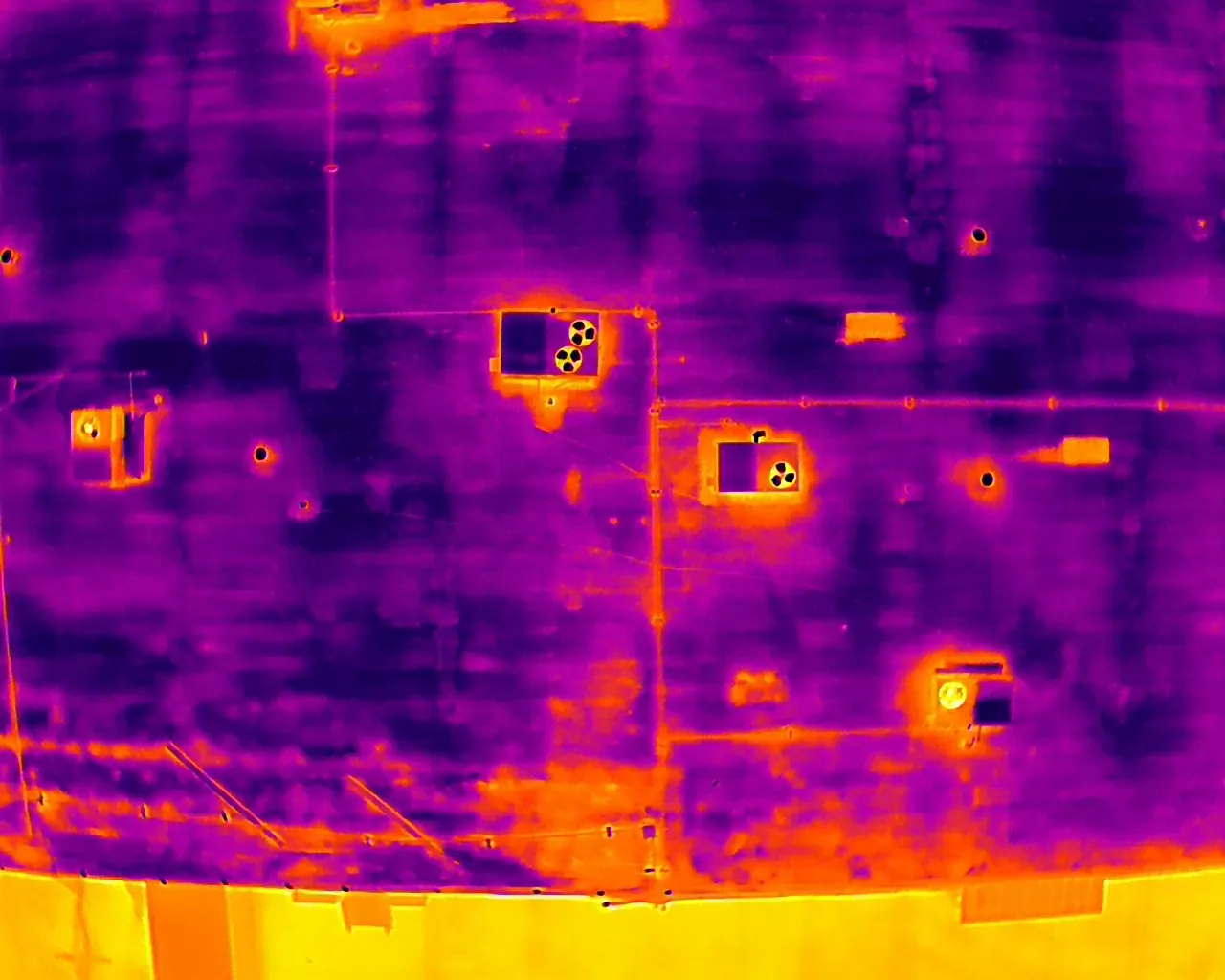
A ceiling mark near a dining room can start above a kitchen exhaust curb, a drain, or a seam several feet away. We inspect the roof path before opening finished space. In Simi Valley, the City projects hotter summer conditions, including more days above 97.2 degrees. That projection makes membrane movement and exposed transitions useful inspection subjects, but it does not diagnose a particular restaurant roof. We check the assembly in front of us, photograph the affected roof zone, and record what the evidence supports. A restaurant manager also needs the work area kept clear of deliveries, employees, and service hours. The first commercial roof inspection establishes those boundaries, including equipment, drains, and access points that may affect a repair. We then identify whether the leak is local, whether wet insulation extends beyond it, and what must be protected before work begins. The result is a defined repair choice, not a guess based on the ceiling stain.
Read the Roof at the Curb
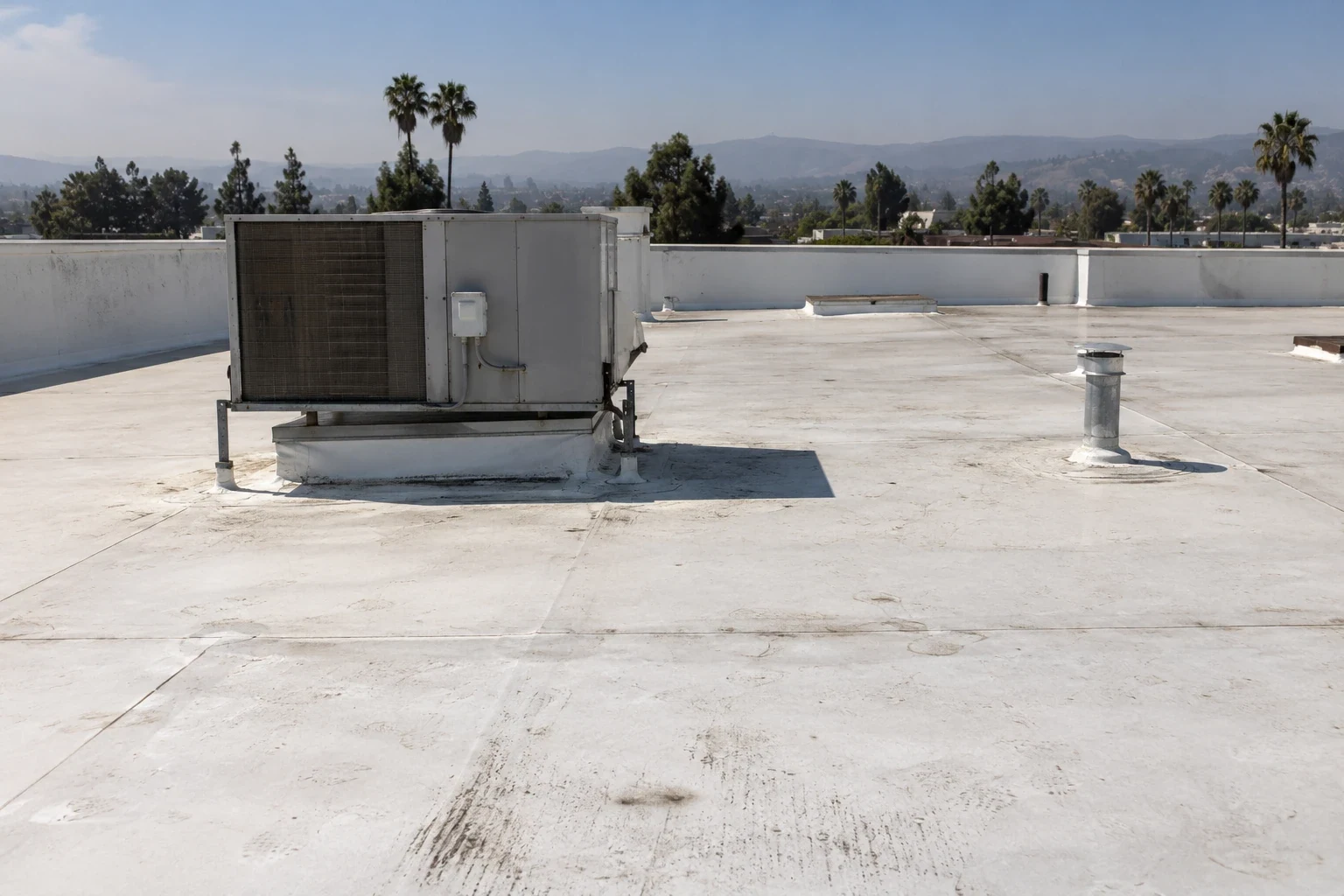
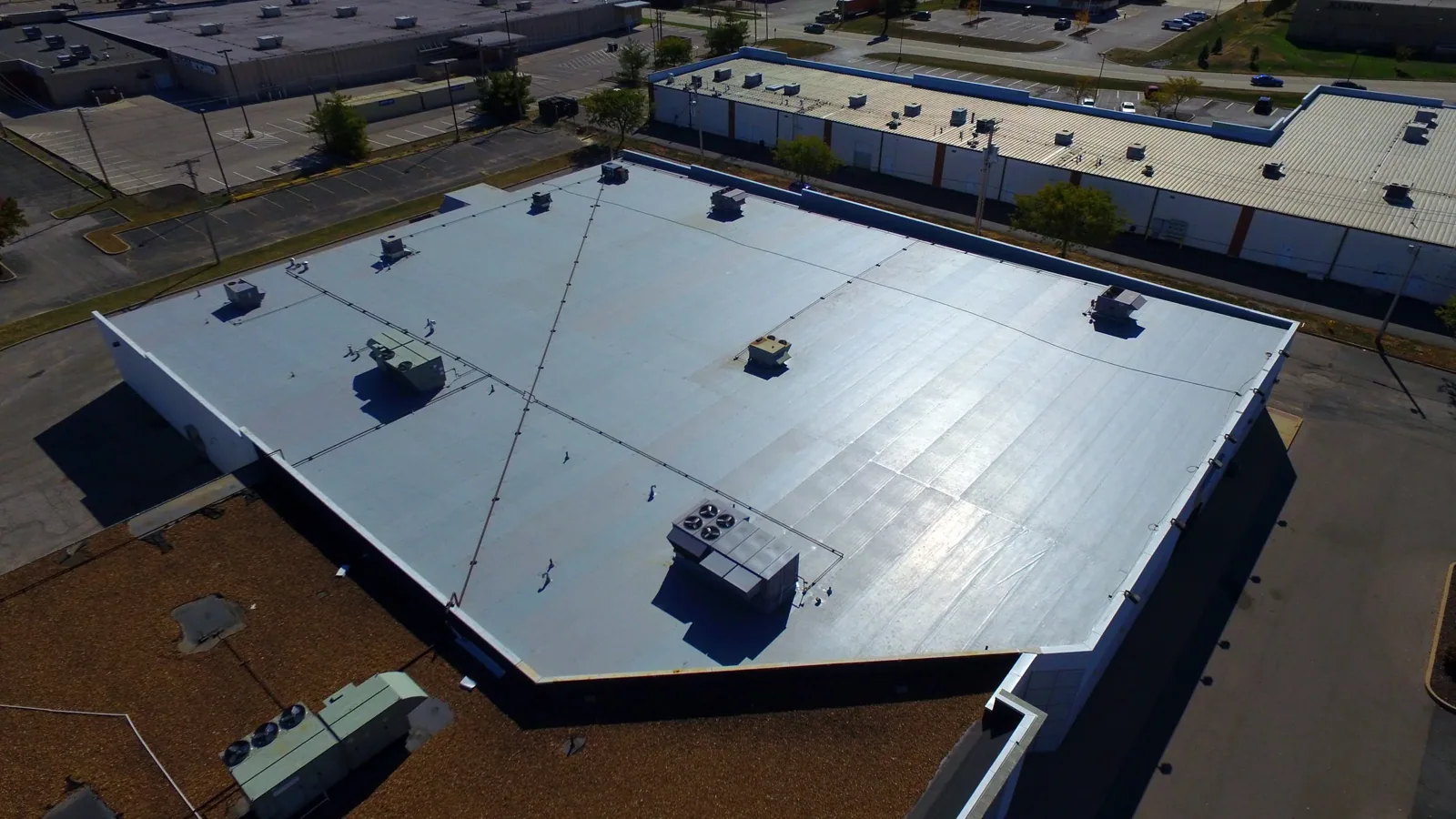
Kitchen exhaust hoods, make-up air units, refrigeration equipment, and electrical runs create several transitions above one operating space. Each curb has a membrane turn, counterflashing edge, and sealant line that can age differently from the open roof field. We inspect those details for open laps, loose metal, cracked sealant, or movement that has interrupted the water-shedding surface. Service clearance matters too. A unit can block the curb until the manager confirms safe access and any shutdown limits. Our grocery property roof review records each equipment location and the membrane condition at its transition. A stain below a kitchen unit does not prove the unit caused it. Water can follow insulation, a deck flute, or a concealed seam before appearing indoors. We keep the observation separate from the conclusion, and photograph the curb so the owner can compare the finding with the proposed boundary. That distinction can keep a small flashing correction from becoming an unnecessary tear-off while still identifying wet material that calls for a wider opening. The record also notes nearby ducts, lines, and service paths that could be affected by access or staging.
Trace the Drainage Path
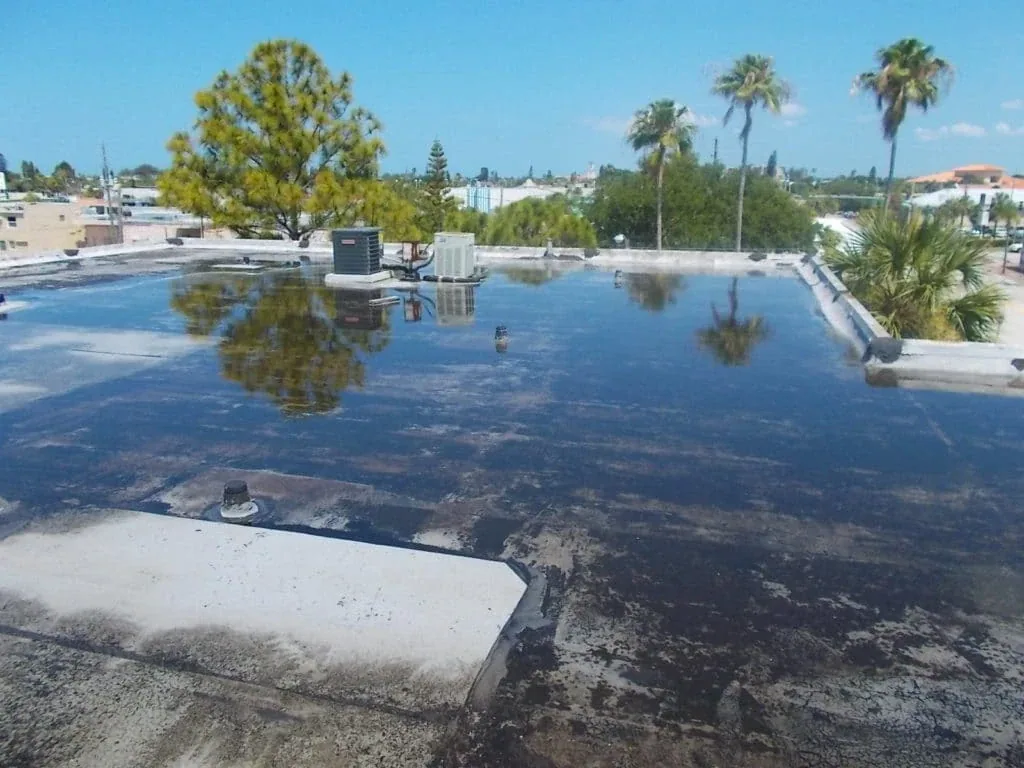
Water that remains near a drain can point to a blocked bowl, a low area, compressed insulation, or a drain connection that needs closer review. We check the slope, bowl, clamping ring, and membrane at the drain edge. Service routes can cross the same roof zone as condensate lines and equipment supports, so the inspection record separates each visible condition from the connection that needs testing. Our drain and scupper scope addresses the roof opening and adjacent membrane instead of treating the drain as a plumbing-only item. Tapo Canyon Road is one of Simi Valley's major arterials. City planning also places medium and larger office or high-technology buildings in the Tapo Canyon business-park setting. For commercial roof work in that part of town, access and drainage routes deserve a clear map before material is opened. A restaurant roof still needs its own curb, drain, and membrane inspection. We document the bowl and the actual water path at the property, then identify whether cleaning, local flashing work, or moisture testing comes next. If water crosses a roof zone before reaching the interior, the map keeps that route visible for the repair decision.