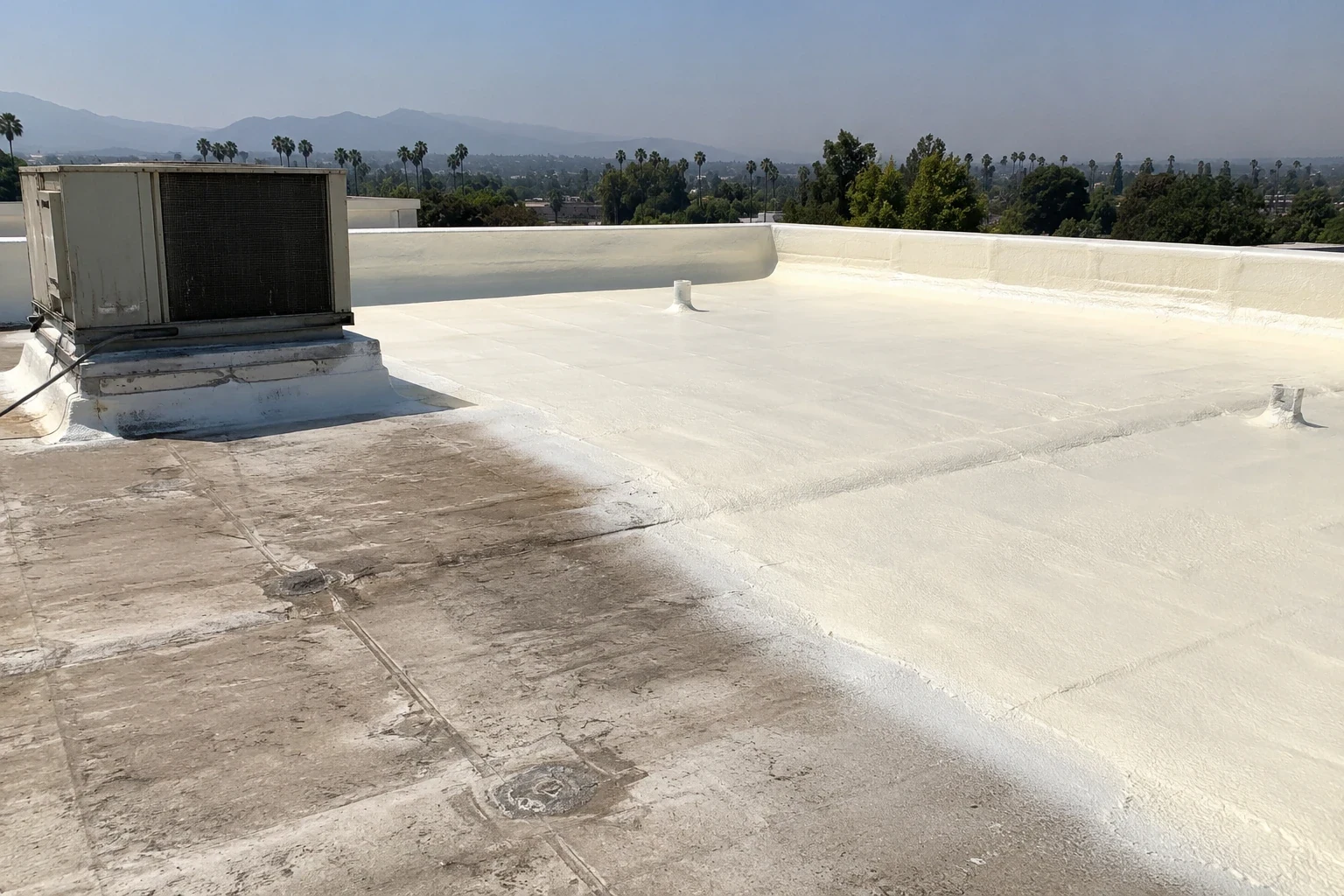
A bare patch of yellow foam changes the next inspection step. On a spray polyurethane foam roof in Simi Valley, we check the protective coating, exposed foam, drainage, and adhesion before recommending repair or recoating. The foam layer depends on a continuous protective surface. A worn finish may be localized, while water entering a crack can affect the foam and substrate below. We mark the exposed area and inspect how far the condition runs.
The City's General Plan projects hotter average temperatures and more days above 97.2 degrees by mid-century. That projection makes coating condition relevant to the inspection, but it does not establish what has happened on one roof. We document the foam profile, coating thickness where available, and moisture evidence, then define a roof inspection boundary for the facility manager.
Read the coating before the foam
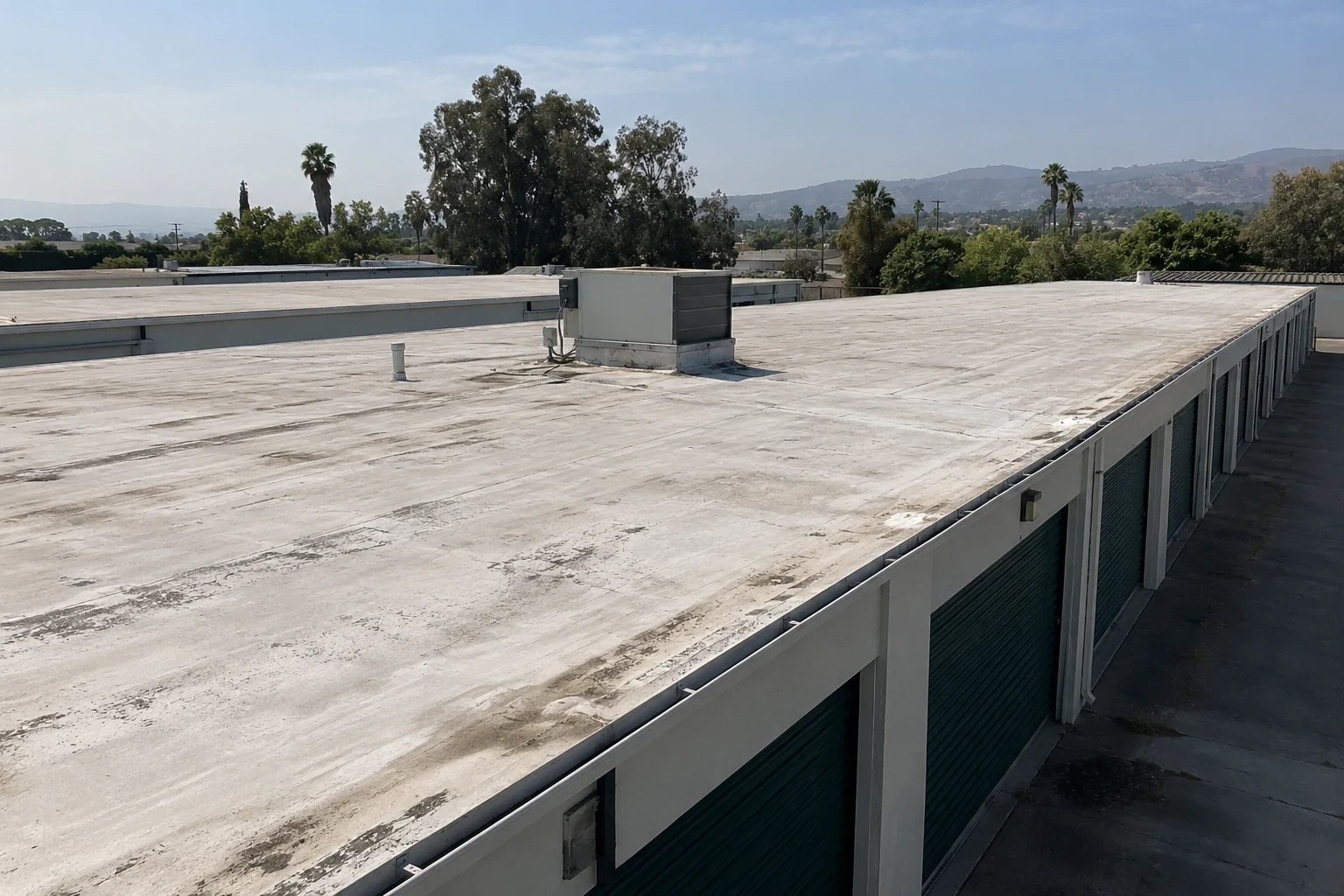
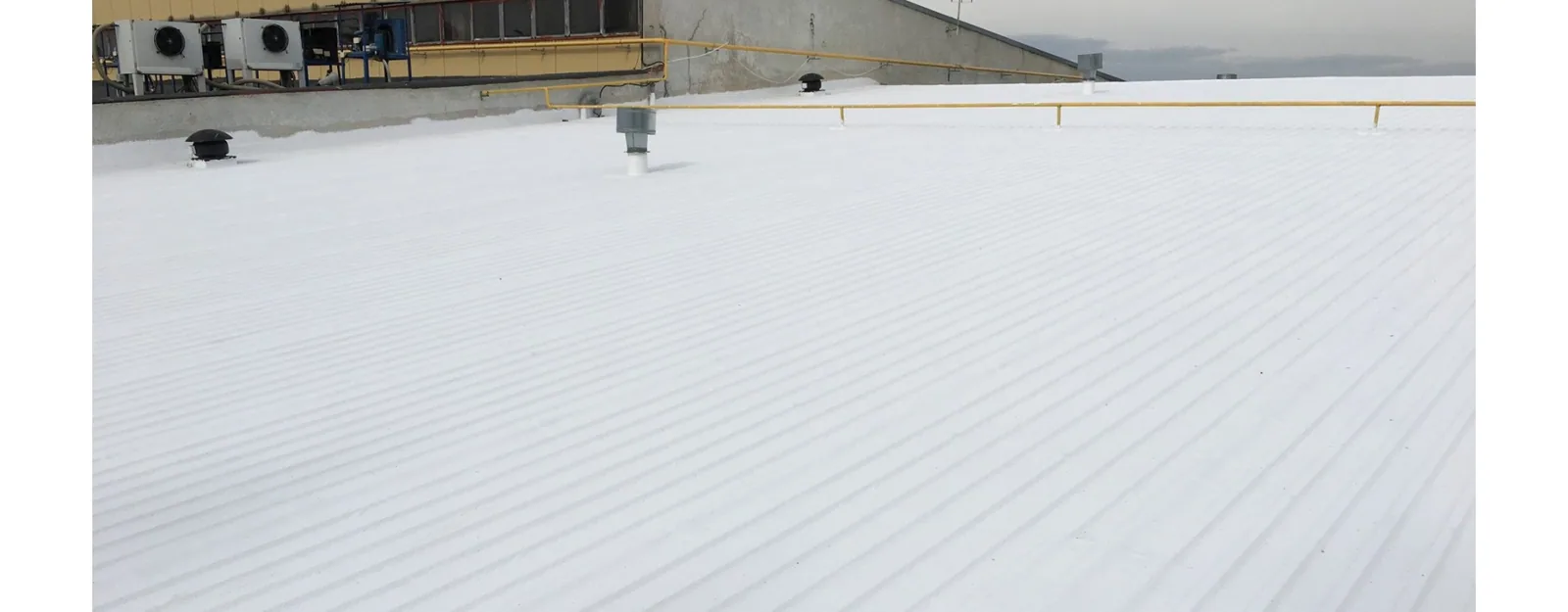
SPF is applied as a foam layer that follows the roof surface, then receives a protective coating. The finish shields the foam from ultraviolet exposure and weather. We inspect for erosion, cracks, blisters, peeling, and areas where foam is visible. Granule loss or a color change can indicate coating wear, but a broad visual change does not prove that the foam beneath has failed. We compare exposed and protected areas and test adhesion at representative points.
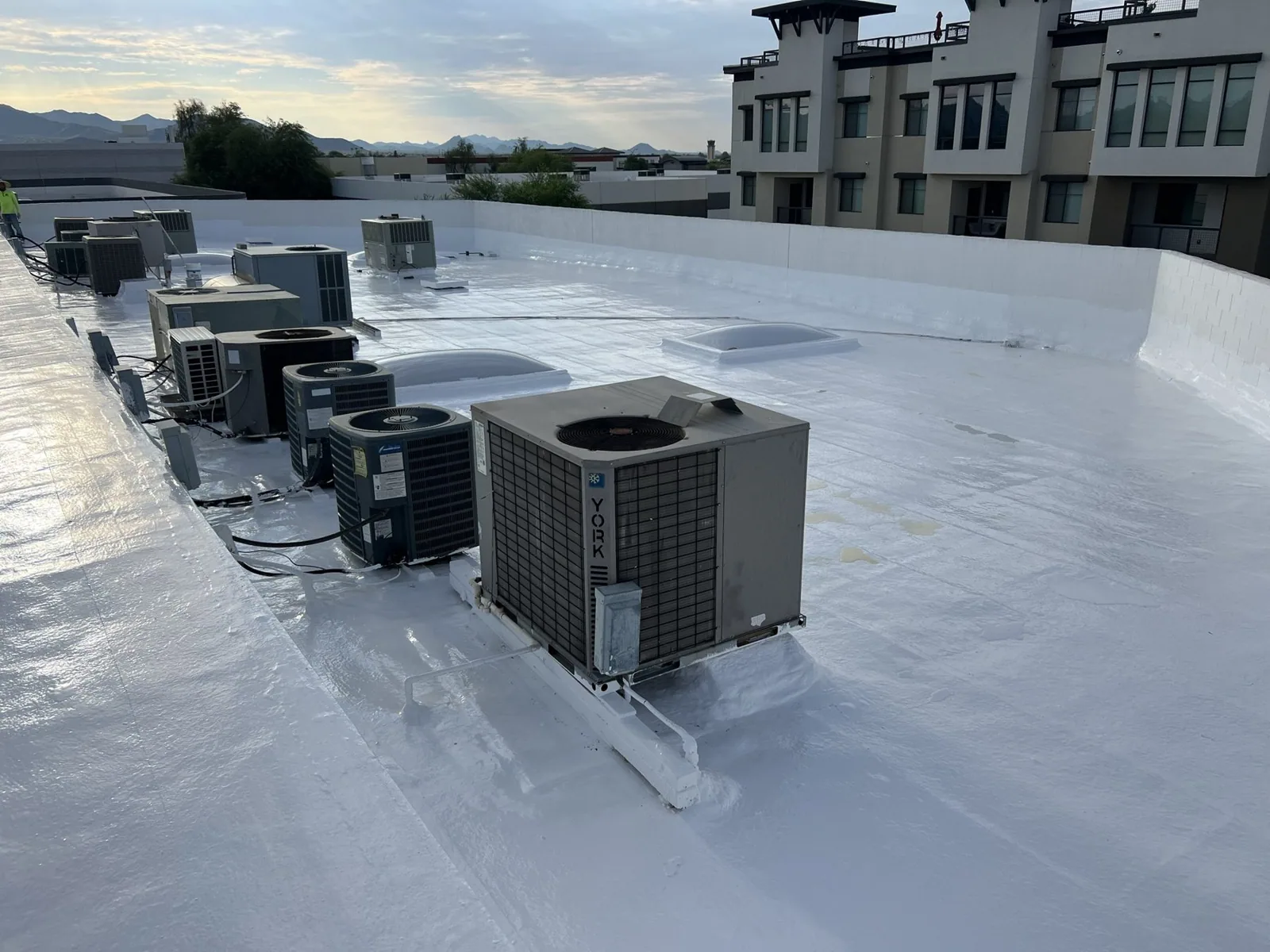
At a seam, curb, or drain, the coating must bridge a detail that can move or collect water. A thin application at the transition may wear faster than the surrounding field. We inspect coating continuity and whether the detail has reinforcement where required. A localized repair needs preparation that exposes a sound bond surface. Applying a new layer over loose coating traps the weakness below and does not restore the connection.
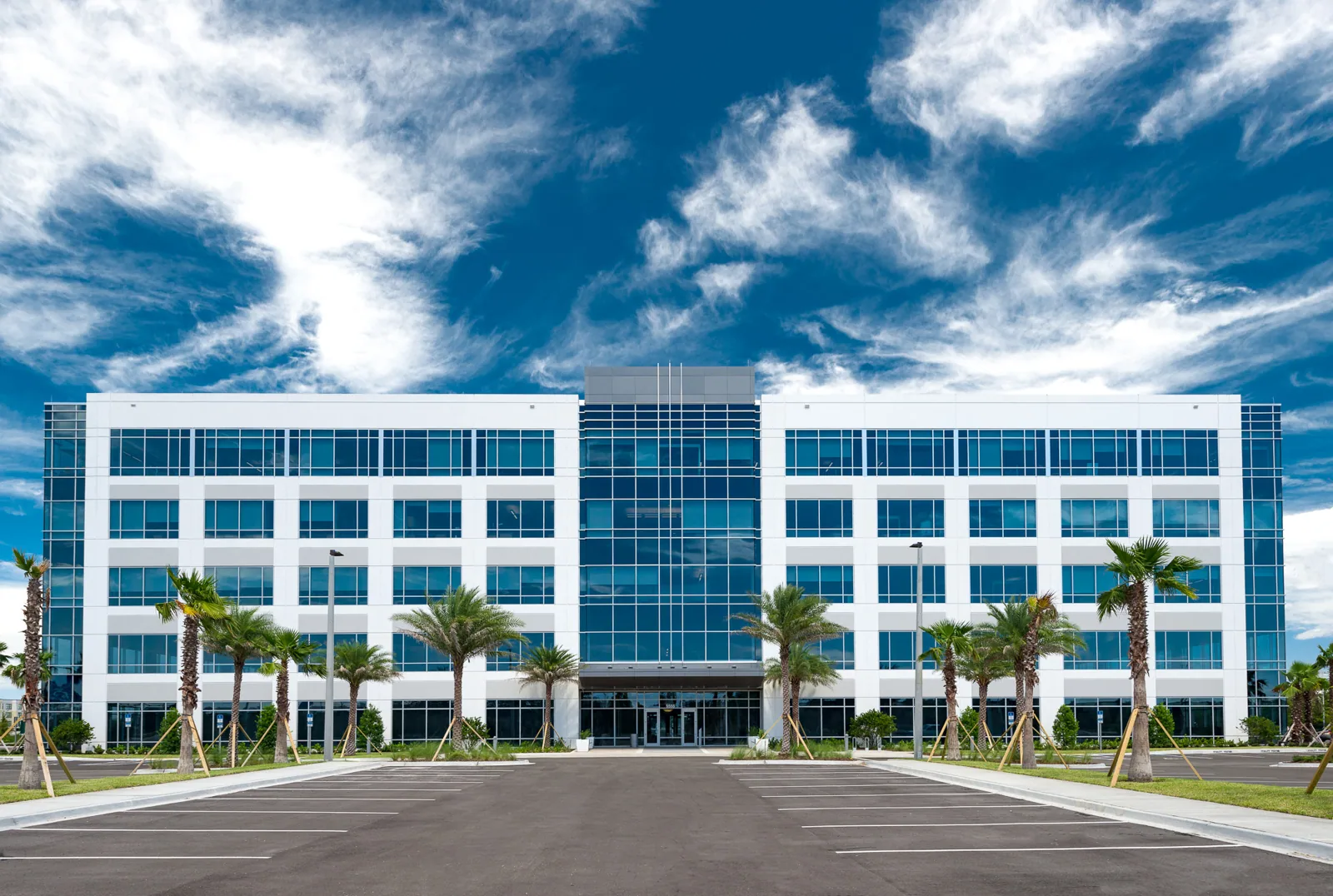
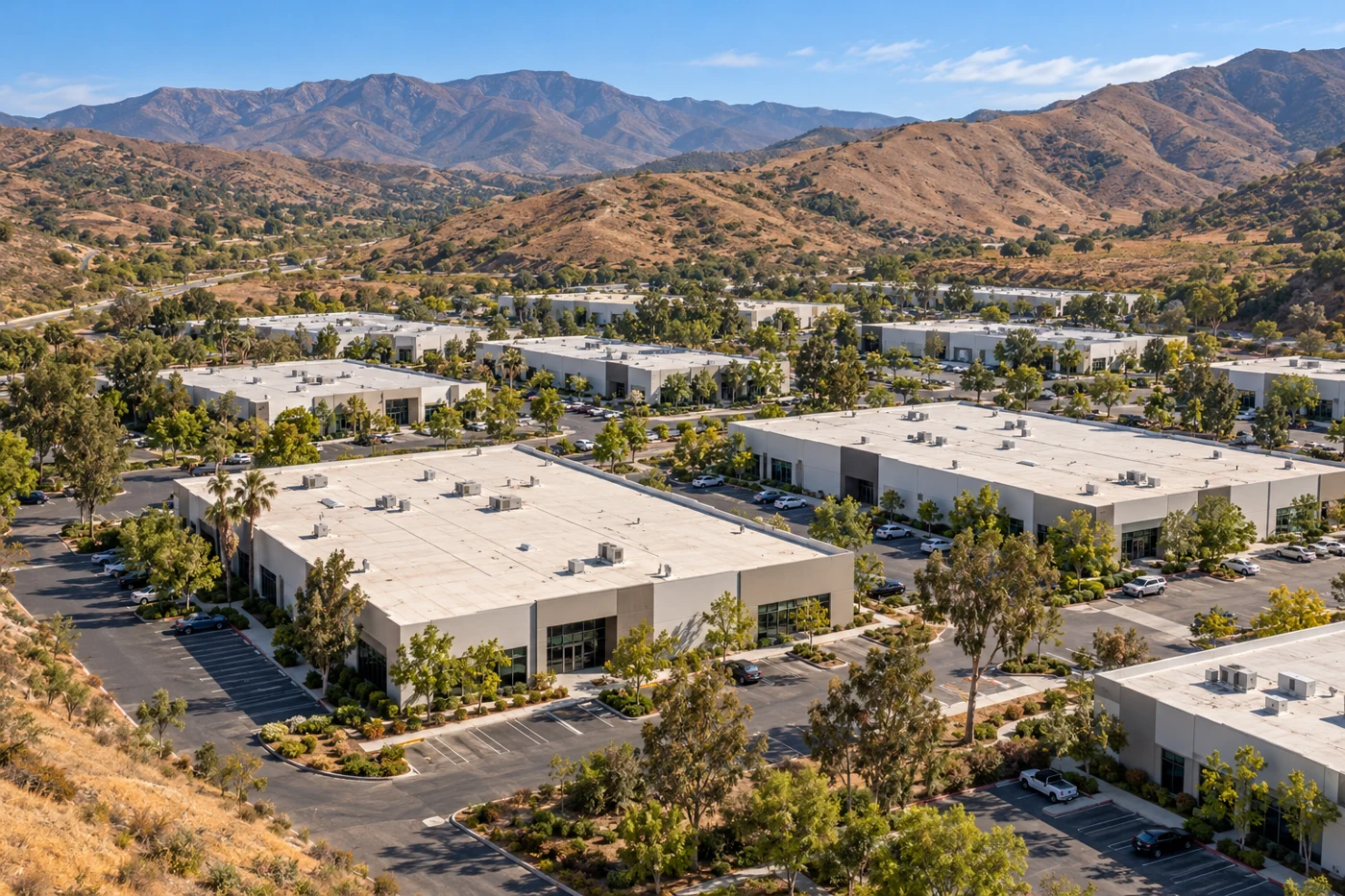
The West End Specific Plan area contains much of Simi Valley's industrial development, according to City planning material. A property there may have rooftop equipment or frequent service access. We map traffic paths and penetrations before testing the foam. That information helps place a coating repair without mistaking a worn service lane for a roof-wide failure.
Check foam profile and adhesion
Foam can crack, pull away from its substrate, or retain moisture beneath a protective surface. We probe suspect areas where the system permits and compare the response with adjacent material. Soft foam, a hollow sound, or a depression calls for closer review, not an automatic removal limit. We record the roof zone and determine whether a test opening can establish the layers and bond condition.
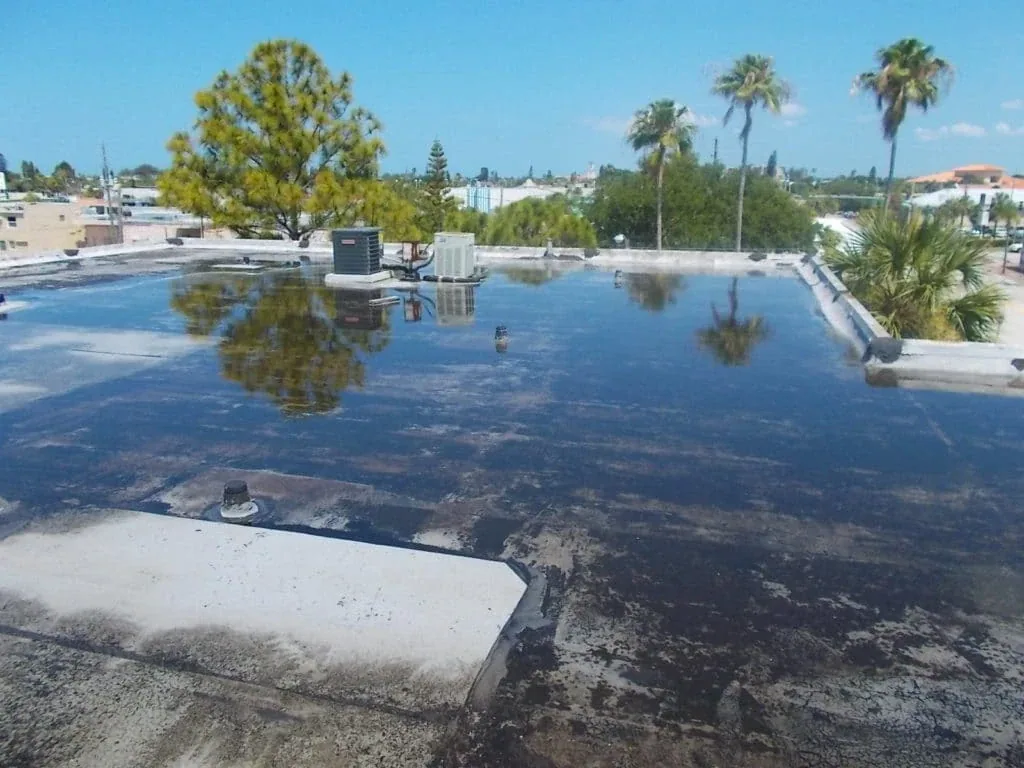
SPF thickness can vary across a roof because the foam is sprayed to follow slope and fill transitions. A low profile may retain water if drainage is not working. We check drain bowls, scuppers, and the direction of slope before assuming the coating alone caused a pond. Where the assembly remains bonded and dry, a localized foam fill and compatible protective coating may be possible. Wet or detached material needs removal to a stable boundary before closure.
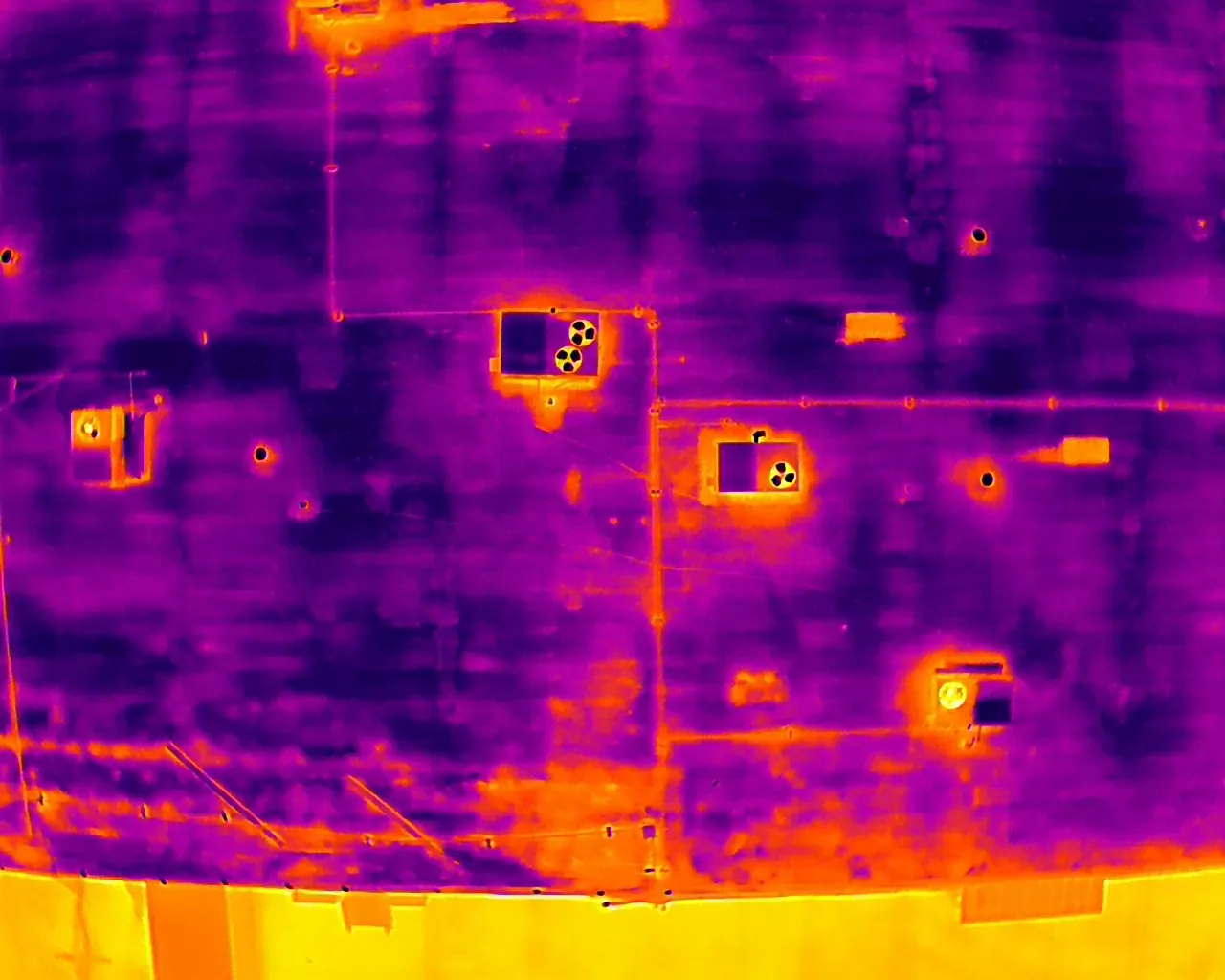
A moisture survey may identify temperature patterns that guide test locations when conditions are suitable. The scan does not measure foam adhesion or identify material by itself. A controlled opening gives direct evidence of foam, substrate, and moisture. We decide which test answers the current question and record any uncertainty that remains.