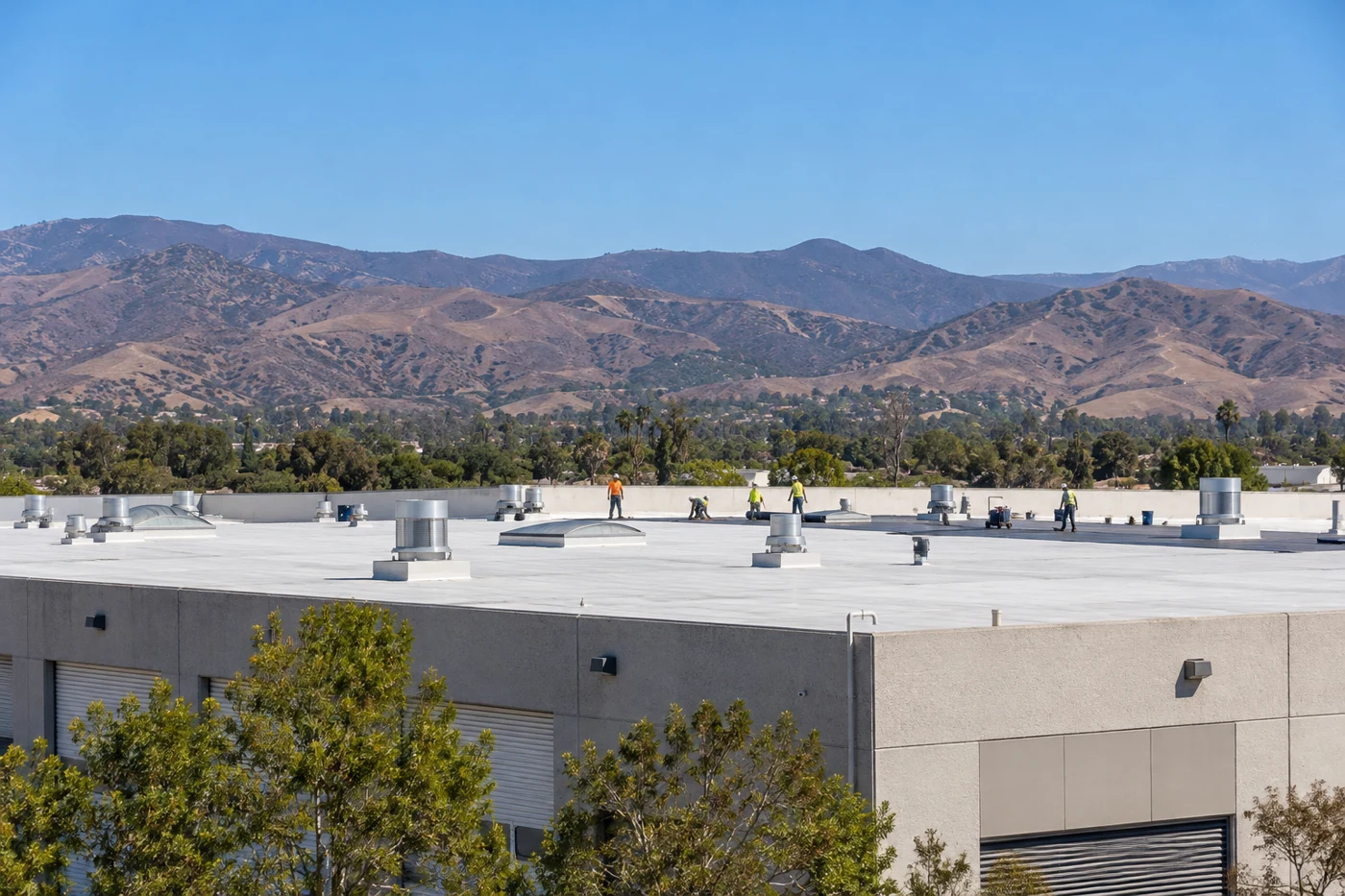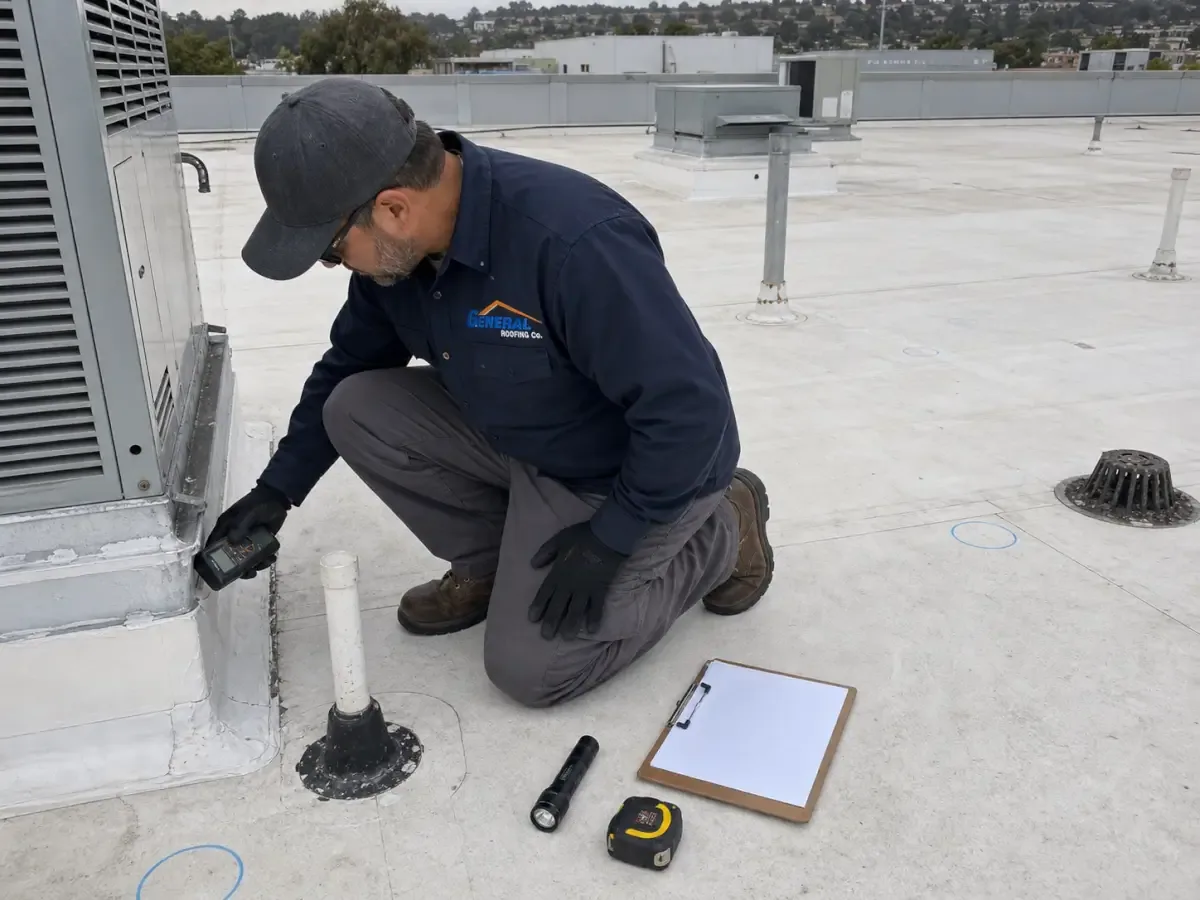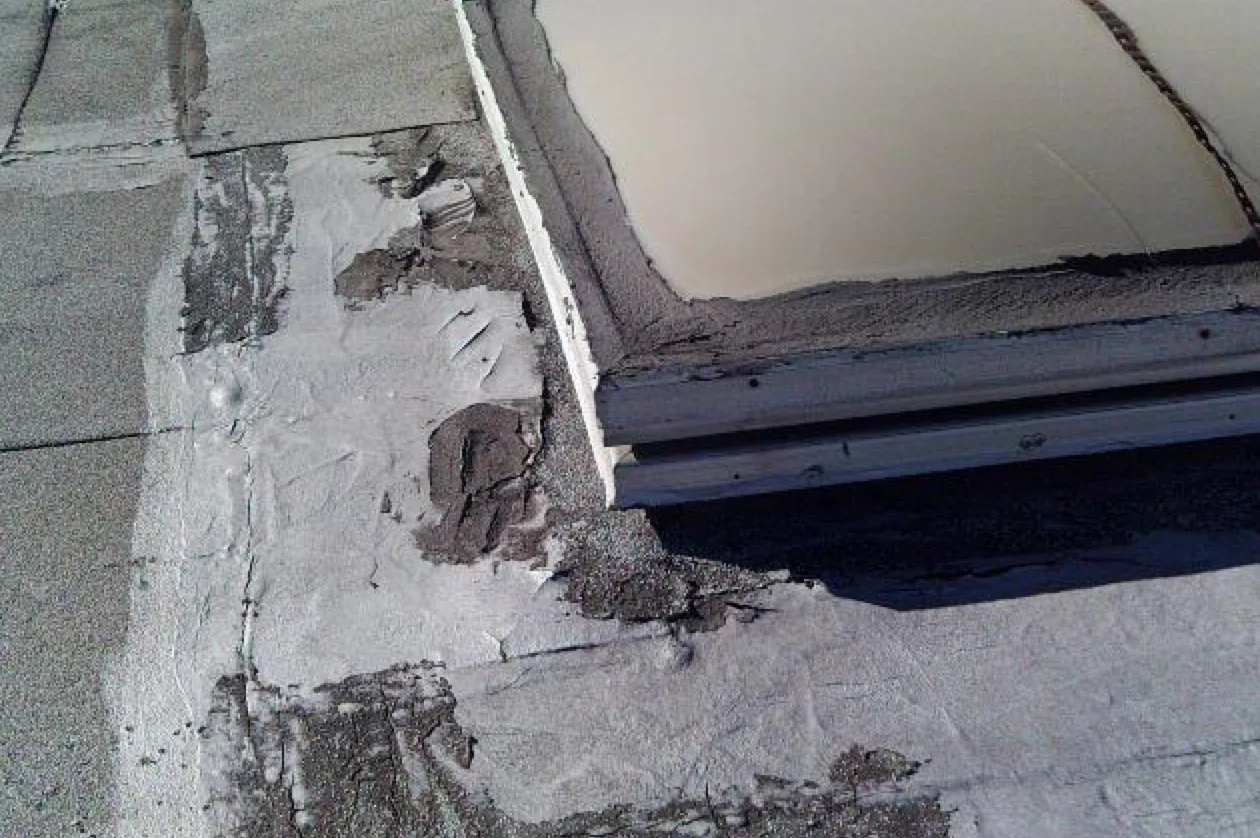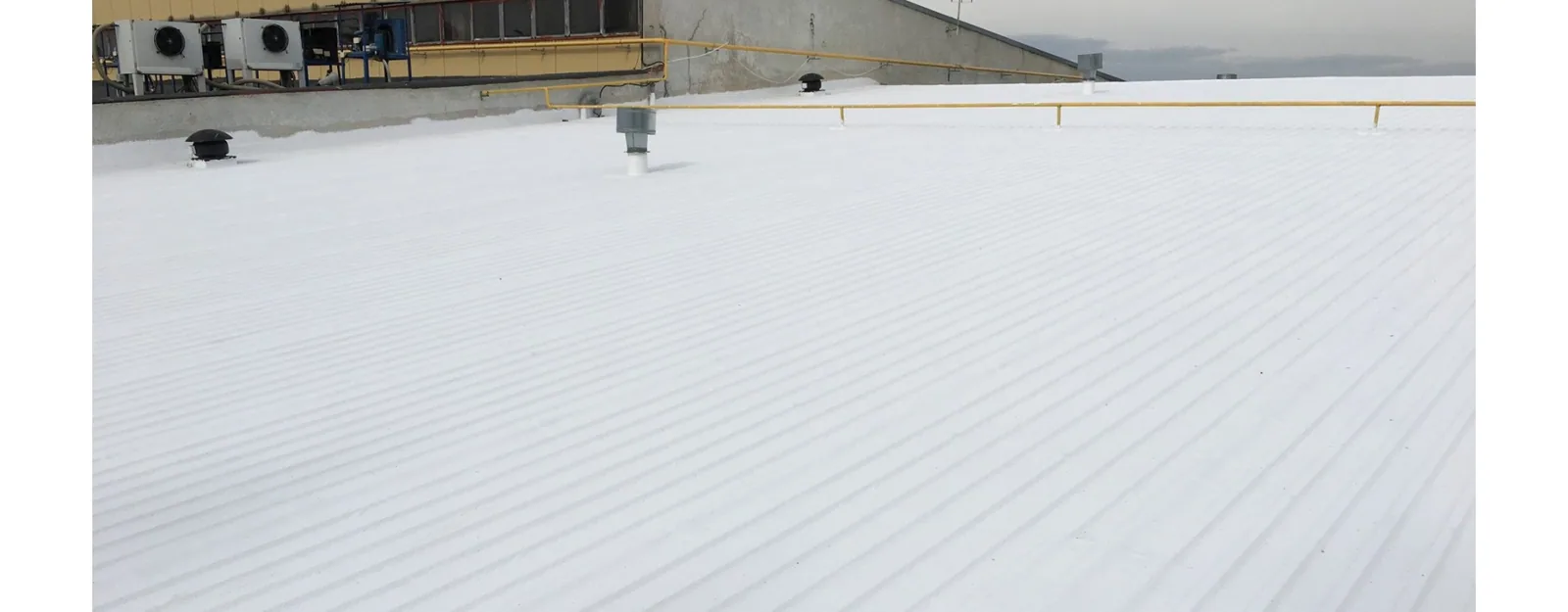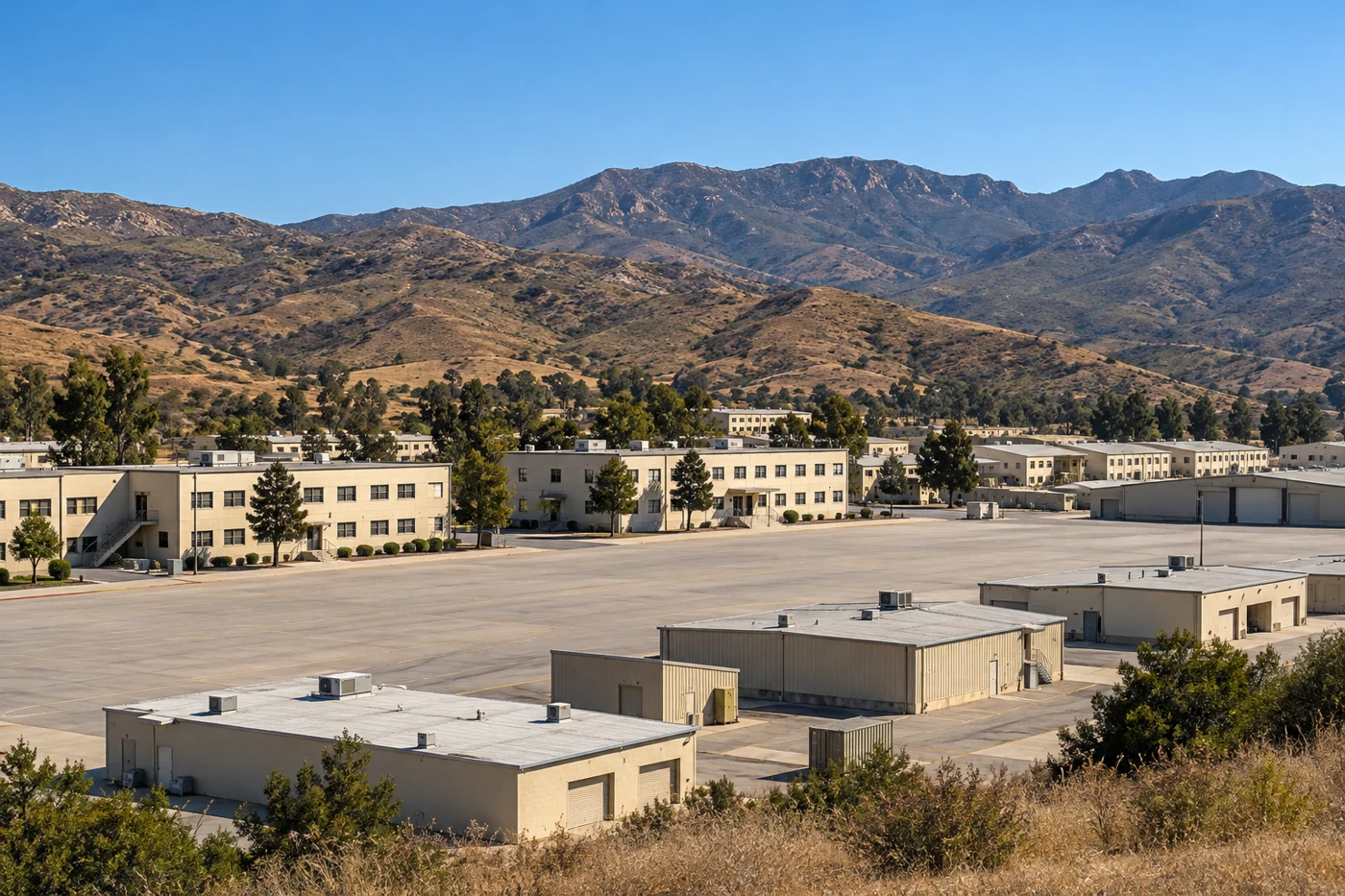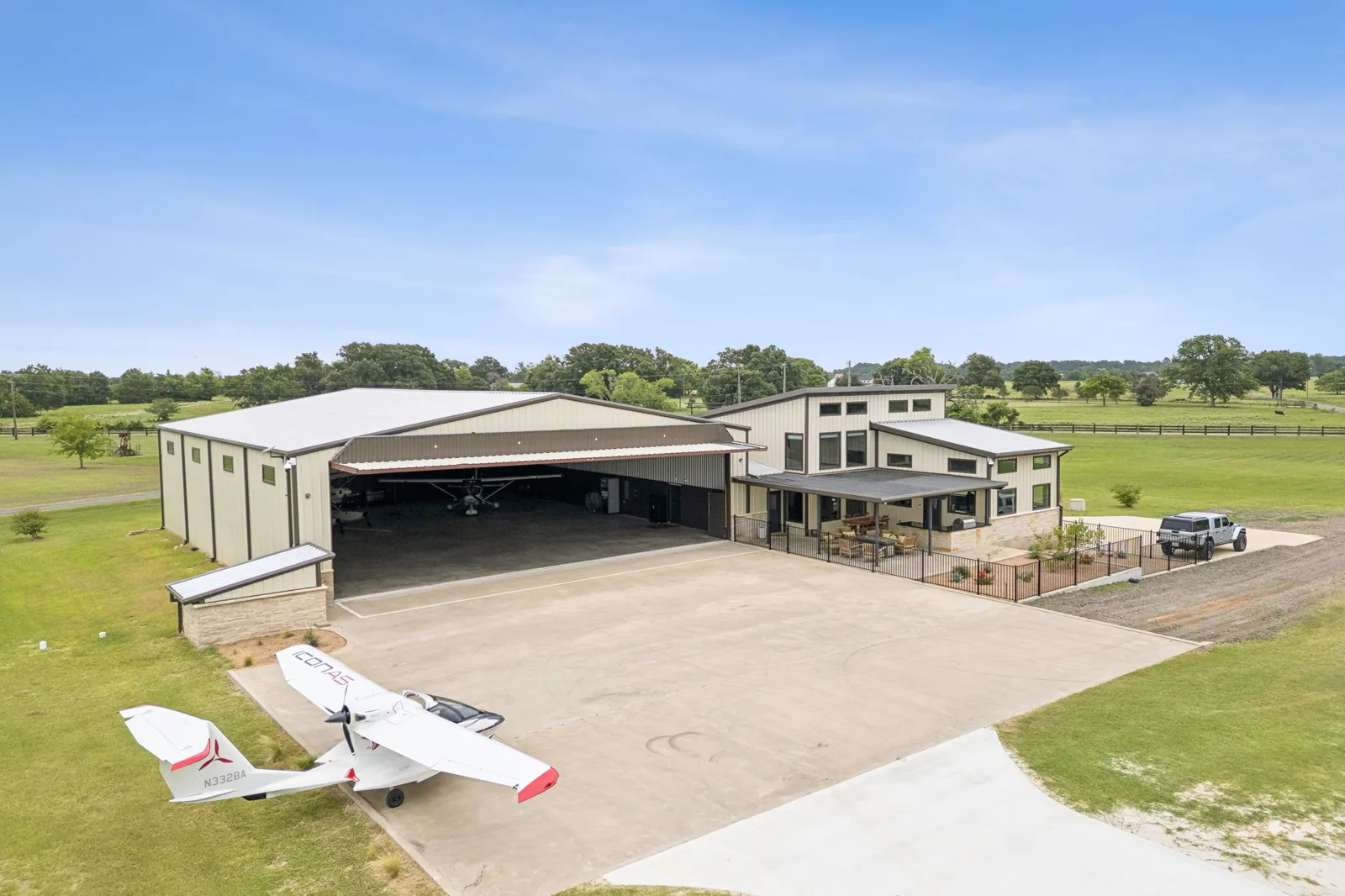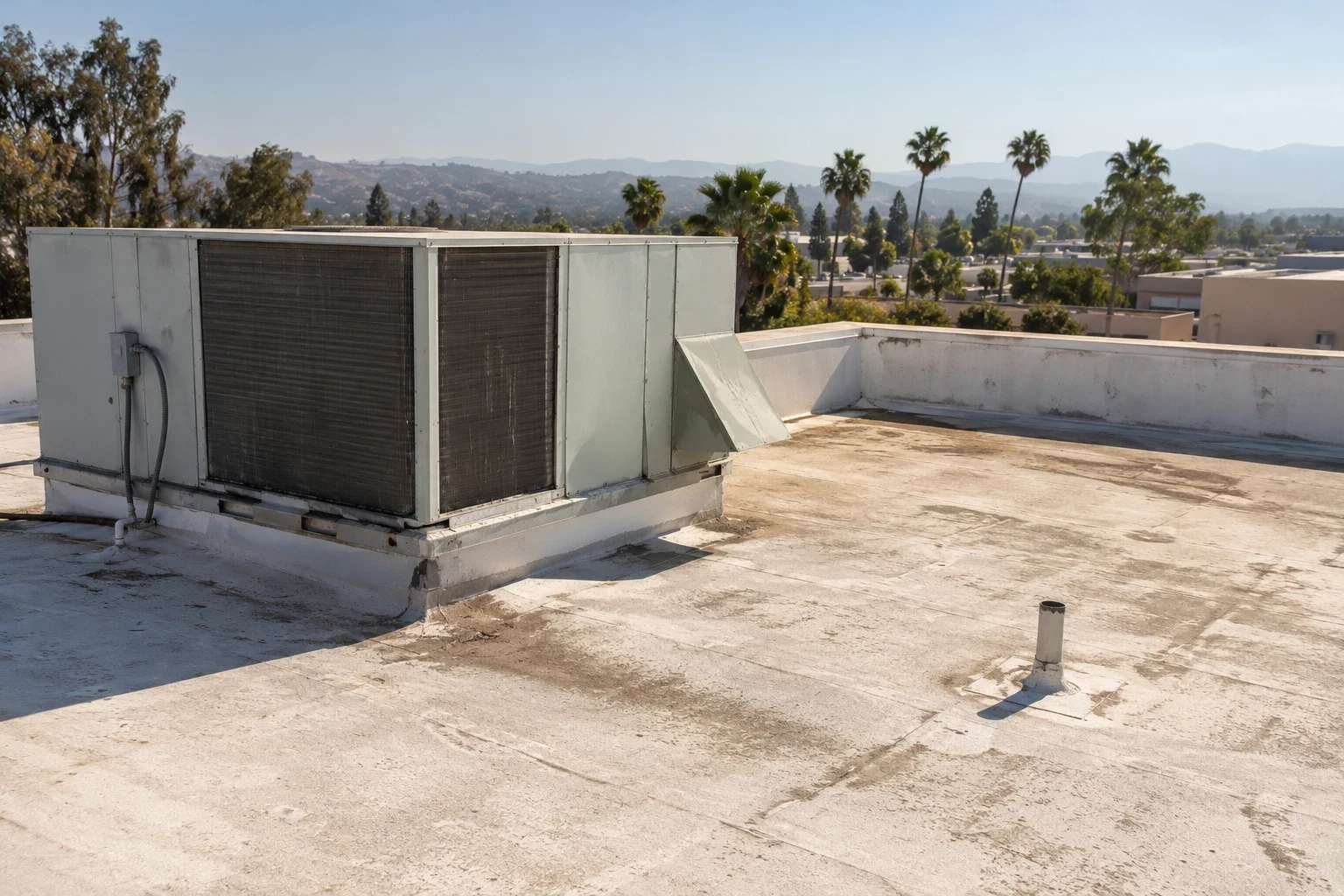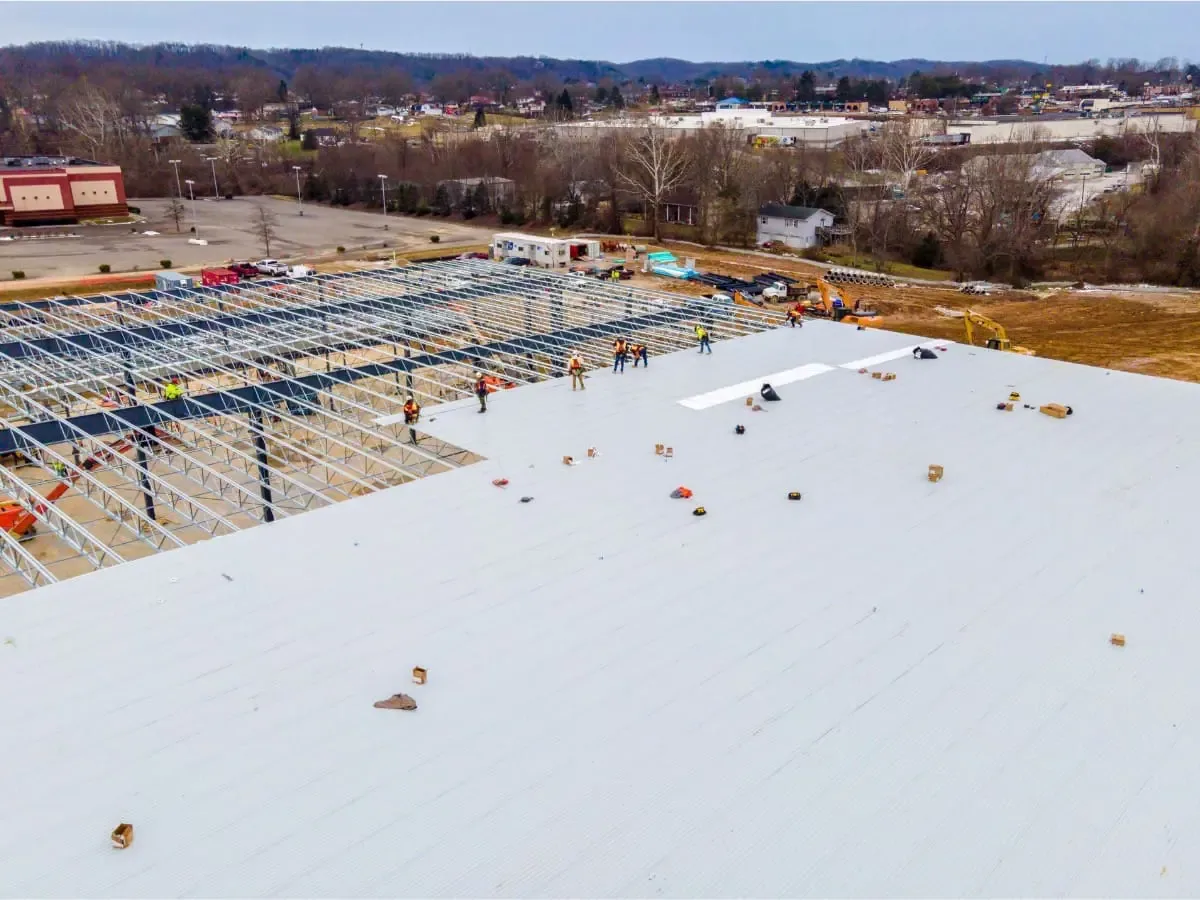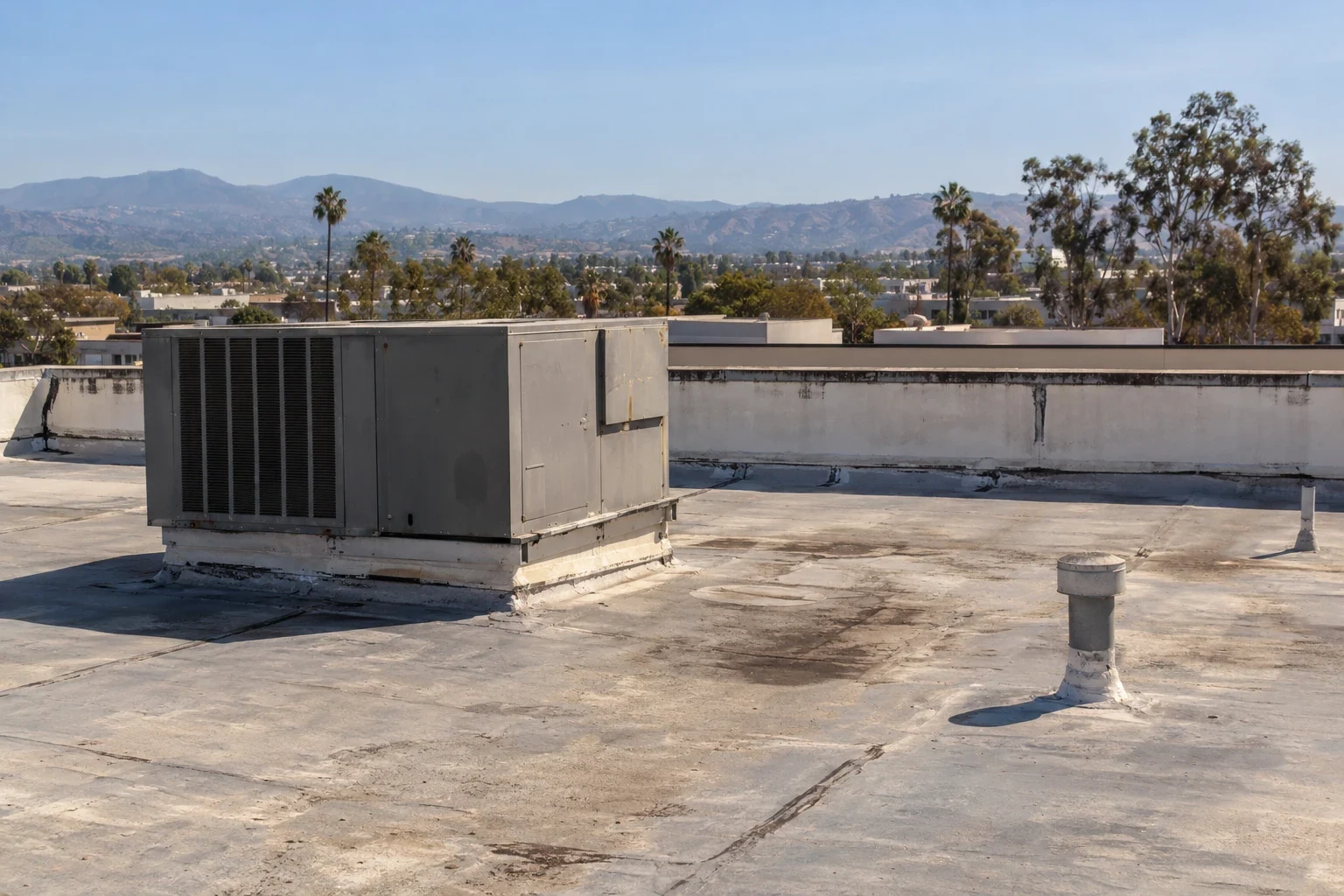
A curb transition, hangar edge, and barracks penetration each need a roof detail that can be inspected without losing the work boundary. Around Simi Valley, military roofing also requires a schedule that fits base access, escorts, badging, security rules, and mission activity. Naval Base Ventura County operates at Point Mugu and Port Hueneme, while Coast Guard and Guard facilities serve aviation and support functions in the area. We review the contract documents, existing assembly, access rules, and operating windows before recommending repair or replacement. A roof inspection records the conditions that the scope must address.
Translate the requirement into roof details
Military projects may specify Unified Facilities Criteria for roofing, system requirements, submittals, inspections, and closeout. Start by identifying the applicable criteria, drawings, schedules, and approved changes in the project documents. We map those requirements to the roof assembly: membrane or metal, insulation, attachment, perimeter, penetrations, drainage, and transitions. If the specification requires a particular test or inspection hold point, show it in the work sequence so the crew does not cover a detail before review.
The contract package also determines document control. A submittal log can track product data, safety information, shop details, samples, and responses, while a roof-zone plan assigns each item to a location. We record who can approve substitutions or concealed-condition work and how a request must be submitted. This keeps a membrane repair from proceeding on a field decision that conflicts with the written requirement. For a broader evaluation, army installation roof planning can account for support and readiness buildings as separate facility uses.
Make access part of the schedule
Gate entry, vehicle approvals, badging, escorts, and tool controls can shape a roofing workday. We request the installation’s access process, approved crew roster, staging location, arrival window, escort responsibility, and restrictions on photography or device use before mobilization. If material delivery follows a separate route, include its lead time and receiving contact. A schedule that starts with roof production but omits gate processing can leave a crew outside the work zone while a weather-sensitive area remains open.
Naval Base Ventura County operates two mainland areas at Point Mugu and Port Hueneme, with distinct airfield, seaport, and base-support functions. The specific command and access instructions determine where contractors can move. Navy materials also identify enlisted and chief-petty-officer barracks at Port Hueneme. Those functions make occupant notice and escort planning relevant questions; they do not establish a building’s existing roof or current condition. We tie every access note to the facility and roof area named in the project documents.